
Home & Family
Crafting Your Perfect 100 Items Minimalist List: A Practical Guide


So, you’re thinking about creating your own 100 items minimalist list, huh? It sounds like a big project, but honestly, it’s totally doable. The whole idea is to simplify things, get rid of stuff you don’t really need, and make space for what matters. This guide will walk you through some common areas where you can start cutting down, helping you figure out what to keep and what to let go of to achieve that perfect 100 items minimalist list. It’s not about deprivation; it’s about making your life a little lighter.
Key Takeaways
- Start by putting everything away before you begin decluttering.
- Sort items into ‘toss,’ ‘sell,’ or ‘donate’ piles.
- Focus on what you truly use and need in your daily life.
- Don’t be afraid to get rid of duplicates or things you haven’t touched in a while.
- Remember, a minimalist list is personal; it’s about what works for you.
1. Clothes
Okay, clothes. This is where it gets real for a lot of people. It’s easy to accumulate way too many clothes without even realizing it. The goal here isn’t to live like a monk, but to be intentional about what you own and wear. Think about it: how many items in your closet do you actually wear regularly? Probably not as many as you think. Let’s get into how to trim down that wardrobe.
Focus on versatile pieces that can be mixed and matched. This will maximize the number of outfits you can create with a smaller number of items.
Here are some things to consider when minimizing your clothing:
- Assess your lifestyle: What do you actually do day-to-day? If you work from home, you probably don’t need five suits. If you’re a gym rat, prioritize workout gear.
- Consider the climate: Living in a place with four distinct seasons? You’ll need clothes for all types of weather. Living in a place with one season? Lucky you, this will be easier!
- Be honest about what you love: Don’t keep something just because it was expensive or you might wear it someday. If it doesn’t make you feel good, get rid of it.
Here’s a sample breakdown of a minimalist wardrobe. This is just an example, adjust it to fit your needs. For example, you might want to consider some black winter coats if you live in a cold climate.
| Item | Quantity |
|---|---|
| T-shirts | 5-7 |
| Long-sleeved shirts | 3-5 |
| Jeans/Pants | 2-3 |
| Shorts/Skirts | 2-3 |
| Sweaters/Jackets | 2-3 |
| Dress Clothes | 1-2 |
| Underwear | 7 |
| Socks | 7 |
| Shoes | 3-4 |
This list can be a starting point. The key is to find what works for you. Don’t be afraid to experiment and adjust as you go. It’s about creating a wardrobe that supports your lifestyle and makes you feel good, without being overwhelming.
2. Dishes
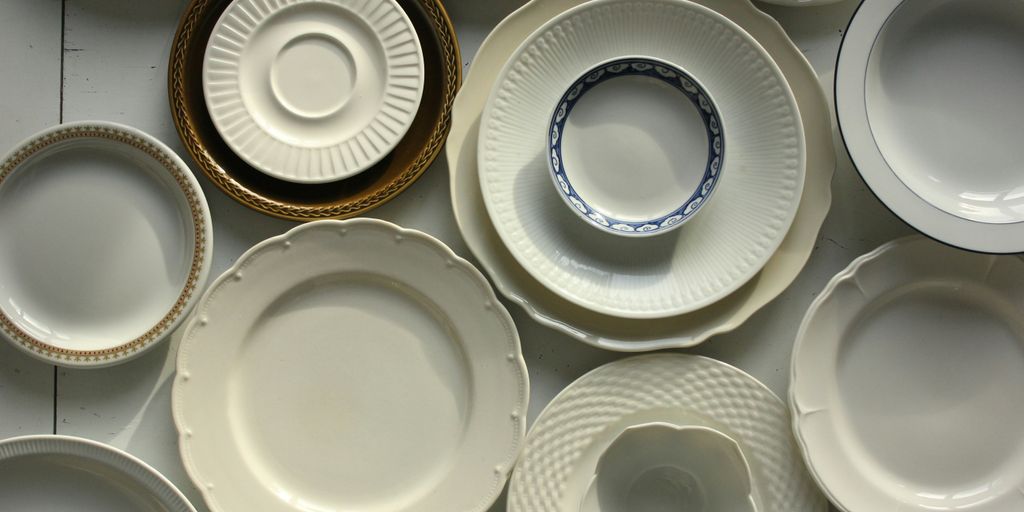
Okay, so dishes. This is where things can get real. How many plates do you actually need? Do you really need 12 mugs when it’s just you and maybe a partner? Let’s be honest with ourselves. I used to have a whole cabinet overflowing with dishes, and I realized I was only using the same few items over and over. Time to declutter!
A good starting point is to consider how many people you regularly cook for and then add a few extra for guests.
Here’s how I approached it:
- The Great Purge: I pulled out every single dish, glass, and utensil. Everything.
- The Ruthless Assessment: I asked myself, "When was the last time I used this? Do I even like it?" If the answer was "never" or "no," it went into the donation pile.
- The Realistic Count: I kept only what I truly needed and loved. This meant a set of four plates, bowls, and mugs. A few glasses. Basic silverware. That’s it.
I also got rid of chipped or cracked items. No point in keeping things that are damaged. It’s just taking up space and honestly, it’s not very appealing to eat off of a chipped plate. Plus, think of the cabinet space you’ll save! You might even be able to see the back of your cabinets for the first time in years. It’s a surprisingly satisfying feeling. Don’t forget to consider your skincare routine order while you’re at it; a clear space can lead to a clear mind!
3. Toys
Okay, toys. This is a big one, especially if you have kids. It’s so easy to accumulate a mountain of toys that never get touched. The goal here isn’t to deprive anyone of joy, but to curate a collection of toys that actually get played with and spark creativity. Think quality over quantity.
Here’s how I tackled the toy situation:
- The Purge: Gather all the toys in one place. It’s overwhelming, I know, but necessary. Then, sort them into categories: Keep, Donate, Trash.
- The "Keep" Criteria: Ask yourself: Does my child actually play with this? Is it age-appropriate? Is it broken or missing pieces? Does it encourage creativity or learning? If the answer is no to most of these, it goes in the "Donate" or "Trash" pile.
- The Sentimental Trap: This is where it gets tricky. We all have toys that hold sentimental value. Allow yourself a small box for these, but be honest with yourself about what truly matters.
- The One-In, One-Out Rule: For every new toy that comes into the house, one must go out. This helps prevent the toy collection from spiraling out of control. Consider a spill-proof straw tumbler for easy clean up after playtime.
It’s also helpful to consider the types of toys you want to keep. Open-ended toys like blocks, art supplies, and dress-up clothes tend to get more use than character-specific toys or electronic gadgets. Remember, the goal is to create a play space that encourages imagination and fun, not just a storage unit for plastic.
4. Boxes
Okay, boxes. We all have them. They multiply like rabbits, especially after the holidays or a big home reconstruction project. The goal here isn’t to live in a box-free world (that’s probably impossible), but to be mindful of what you’re keeping and why. Are they actually useful, or just taking up space?
Here’s a thought: break down any cardboard boxes you aren’t actively using. Seriously, do it now. You’ll be amazed at how much space you reclaim. Then, consider these points:
- Storage Needs: What do you actually need boxes for? Holiday decorations? Moving? Be realistic.
- Size Matters: Do you have a bunch of boxes that are too big or too small for your needs? Donate or recycle them.
- **The
5. Bags
Okay, bags. This is where things can get out of hand quickly. We accumulate bags for everything – groceries, gym clothes, travel, you name it. Before you know it, you’re drowning in a sea of nylon and canvas. Let’s try to get a handle on this.
- Reusable Shopping Bags: How many do you really need? I swear, they multiply in the back of my car. I try to keep about 5 in my car. That seems to be enough for most grocery runs. Any more than that, and they just become clutter.
- Gym Bags: If you’re a regular gym-goer, one good quality gym bag is essential. If you’re not… well, maybe it’s time to let that bag go. I had three gym bags at one point, and I wasn’t even going to the gym! It was ridiculous.
- Tote Bags: These are the sneaky culprits. Free tote bags from events, conferences, stores… they pile up fast. I’ve started using them as gift bags, which helps a little. Otherwise, they’re just taking up space. I’ve found that having a few sturdy tote bags is more than enough for my needs.
- Specialty Bags: Think camera bags, laptop bags, etc. These are trickier because they serve a specific purpose. But even here, be honest with yourself. Do you really need three different camera bags? Probably not.
- Plastic Bags: I know, I know, we’re trying to be eco-friendly. But let’s be real, we all have a stash of plastic bags somewhere. I try to reuse them as trash can liners or for cleaning up messes. But if they’re just sitting there, it’s time to recycle them.
It’s all about being mindful of what you actually use and what’s just taking up space. A good purge can do wonders for your closet and your sanity.
6. Suitcases
Suitcases. They’re like the black holes of our homes, swallowing items whole and only reappearing when we’re about to embark on a trip. But how many do you really need? I used to have a whole collection, different sizes for different trips, but honestly, it was overkill. Now, I’m down to just two, and it’s made a world of difference.
The goal here is to minimize the number of suitcases you own while still being prepared for various travel scenarios. It’s a balancing act, but definitely achievable.
Here’s how I approached it:
- Assess your travel habits: Do you travel frequently? For long durations? Or are you more of a weekend getaway person? This will dictate the sizes and types of suitcases you need.
- Consider storage space: Suitcases take up a lot of room, especially when empty. If you’re tight on space, consider collapsible or nesting suitcases.
- Think about versatility: Can one suitcase serve multiple purposes? A medium-sized suitcase with good organizational features might be suitable for both short and longer trips.
I ended up keeping a large, hard-shell suitcase for international travel or longer vacations, and a smaller, soft-sided suitcase for weekend trips. That’s it. Everything else went to donation. It felt so good to reclaim that closet space! Plus, packing is way less stressful now that I’m not staring at a mountain of luggage, trying to decide which one to use. Speaking of packing, it’s important to have a travel packing list to make sure you don’t overpack.
7. Duffel Bags
Okay, duffel bags. These are tricky. How many do you really need? I used to have a ton, but now I’m down to just a few. The key is to find the right size and durability for your needs. Think about what you’re using them for – gym trips, weekend getaways, or maybe even storage.
Here’s how I approached my duffel bag situation:
- Assess your needs: What do you typically pack in a duffel bag? Is it mostly clothes, or do you need space for shoes and gear? This will help you determine the ideal size.
- Consider durability: Look for bags made from sturdy materials like canvas or nylon. Reinforced stitching is a plus.
- Think about features: Do you need extra pockets for organization? What about a shoulder strap or handles?
I ended up keeping one large duffel for longer trips and a smaller one for the gym. The rest? Donated! It feels good to have less stuff cluttering up the closet. Speaking of closets, I should probably organize my clothes again soon…
8. Wood Scraps
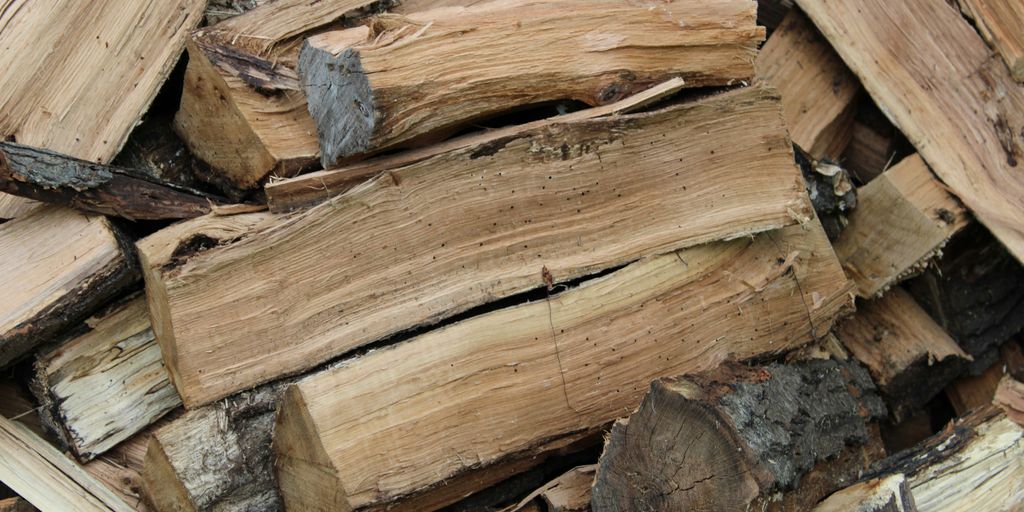
Okay, wood scraps. This one might seem a little odd, but if you’re a DIY enthusiast or have ever tackled a home improvement project, you probably have a pile of these lurking somewhere. The key here is to be realistic about what you’ll actually use. I know, I know, that piece of oak could be perfect for a future project, but let’s be honest, is it really?
Think about it this way. Are you really going to use that tiny piece of plywood? Or that warped 2×4? Probably not. Time to let it go.
Here’s how to approach the wood scrap situation:
- Assess: Take a good, hard look at your wood scraps. What types of wood do you have? What sizes? Are they in good condition, or are they warped, cracked, or otherwise unusable?
- Be Honest: Ask yourself if you really have a use for each piece. If you can’t think of a specific project for it, it’s probably time to say goodbye. Maybe you can use some of the scraps for easy dinner recipes instead of a project.
- Donate or Discard: If the wood is still in good condition, consider donating it to a local school, community center, or woodworking club. If it’s truly unusable, dispose of it properly. Check your local regulations for wood disposal.
Getting rid of those extra wood scraps can free up a surprising amount of space in your garage or workshop. Plus, it’ll make it easier to find the good wood when you actually need it!
9. Money
Okay, money. This one might seem weird for a minimalist list, but hear me out. It’s not about having less money, it’s about being more intentional with what you do have. It’s about shifting your mindset from accumulating stuff to valuing experiences and financial freedom. Think of it as decluttering your financial life.
Here’s how money fits into the 100-item minimalist challenge:
- Budgeting: A budget is like a minimalist wardrobe for your money. It helps you allocate funds to what truly matters and cut out unnecessary spending. I started using a budgeting app last year, and it’s been a game-changer.
- Debt Reduction: Paying off debt frees up mental space and reduces financial stress. Less debt means less stuff weighing you down, figuratively and sometimes literally (think of all the things you bought on credit!).
- Investing: Investing wisely can provide long-term financial security, allowing you to focus on experiences rather than constantly chasing material possessions. It’s about making your money work for you, so you don’t have to work as hard for it.
It’s not about being cheap; it’s about being smart. It’s about knowing where your money goes and making sure it aligns with your values. For example, I used to buy a new gadget every month, but now I save that money for travel. The memories last way longer than the gadget ever did. Plus, I’ve found that focusing on value for money is key.
Think about it: How much of your stuff did you buy to impress others or fill a void? How much of it actually brings you joy? By being more mindful of your spending, you can free up resources for things that truly enrich your life.
10. TV
Okay, the TV. This one can be tough. For some, it’s a centerpiece of the home, a source of entertainment and connection. For others, it’s a dust-collecting screen that rarely gets turned on. If you’re aiming for a truly minimalist lifestyle, the TV is definitely something to consider cutting back on. But let’s be real, sometimes you just want to binge-watch your favorite show after a long day.
The key is to be honest with yourself about how much you actually use it. If it’s on constantly, maybe it’s worth keeping. If it’s just background noise, or if you find yourself mindlessly scrolling through channels, it might be time to say goodbye. Or, maybe you can reduce the amount of time you spend watching it.
Here’s a few things to think about:
- How often do you watch TV? Be honest! Track your viewing habits for a week. You might be surprised.
- What do you watch? Is it enriching content, or just mindless entertainment? There’s nothing wrong with entertainment, but is it adding value to your life?
- Could you replace TV time with something else? Reading, hobbies, spending time with loved ones – there are plenty of other ways to fill your time.
If you decide to keep your TV, consider these points:
- One TV is enough. Do you really need a TV in every room? Probably not.
- Consider a smaller screen. A huge TV can dominate a room. A smaller, more discreet screen can be less intrusive.
- Hide it away. If you don’t want it to be the focal point of your living space, consider concealing it in a cabinet or behind a screen.
Ultimately, the decision of whether or not to keep your TV is a personal one. There’s no right or wrong answer. Just be mindful of your consumption habits and make a choice that aligns with your minimalist goals. Maybe consider extreme minimalism and see if it’s for you.
11. Jeans
Okay, jeans. Everyone has them, right? But how many do you really need? This is where minimalism gets real. It’s easy to say you’ll get rid of stuff, but jeans are a staple. Let’s be honest, most of us have a favorite pair we wear 80% of the time anyway. The goal here isn’t to suffer, but to be intentional.
Think about your lifestyle. Do you work in an office? Do you need dressier jeans? Or are you more of a casual, weekend warrior type? Answering these questions will help you decide which jeans to keep and which to donate. I used to have like, seven pairs, and I wore the same two all the time. It was ridiculous. Now I’m down to three, and it’s so much better.
Here’s a simple breakdown to consider:
- Everyday Jeans: Your go-to pair. The ones that fit perfectly and you feel great in. Consider the fit.
- Backup Jeans: For when your everyday jeans are in the wash, or you need a slightly different style.
12. Watch
Okay, so a watch. Do you really need one in this day and age? Everyone’s got a phone, right? But hear me out. A watch can be more than just a time-telling device. It can be a statement, a tool, or just a nice piece of jewelry. The question is, how many do you need?
I used to have a whole drawer full of watches. Dress watches, sports watches, digital watches… you name it. Now, I’m down to just a couple. Here’s how I decided what to keep:
- Functionality: Does it serve a purpose beyond telling time? Does it have a stopwatch, GPS, or other features you actually use?
- Versatility: Can it be worn in different situations? A simple, classic design is usually more versatile than something flashy.
- Sentimental Value: Does it have a story? Was it a gift from someone special, or did you get it to celebrate a milestone? Sometimes, that’s reason enough to keep something.
I ended up keeping my everyday watch, which is durable and waterproof, and a dressier watch for special occasions. Everything else went. It’s amazing how much lighter you feel when you get rid of things you don’t really need. Speaking of things you need, do you have the right ingredients for your favorite recipes?
13. Ingredients
Okay, so you’re aiming for a minimalist kitchen, right? That means taking a hard look at all those ingredients you’ve got crammed into your pantry and fridge. It’s time to be honest with yourself: how many of those spices have you actually used in the last six months? How many half-empty jars of pickles are lurking in the back of the fridge? The goal here isn’t just to get rid of stuff, it’s to curate a collection of versatile ingredients that you actually use. This will help you reduce waste and make cooking simpler and more enjoyable.
Think about the core flavors and cuisines you enjoy. Do you love Italian food? Then focus on having high-quality olive oil, garlic, canned tomatoes, and dried pasta on hand. Are you more into Asian flavors? Stock up on soy sauce, rice vinegar, sesame oil, and a few key spices like ginger and chili flakes. The key is to choose ingredients that can be used in multiple dishes, maximizing their usefulness and minimizing clutter. It’s also important to consider how often you cook. If you only cook once or twice a week, you probably don’t need a huge variety of fresh produce. Instead, focus on ingredients with a longer shelf life, like root vegetables, canned goods, and frozen fruits and vegetables.
I know it can be tough to let go of ingredients, especially if you think you might use them someday. But trust me, a streamlined pantry will make your life so much easier. You’ll spend less time searching for ingredients and more time actually cooking. Plus, you’ll save money by not buying things you don’t need. So, take a deep breath, grab a trash bag, and start decluttering your [minimalist pantry strategies](#487f]! You’ll be amazed at how much space you free up and how much simpler cooking becomes.
14. Tools
Okay, tools. This can be a tricky one because it’s easy to justify keeping everything. "I might need it someday!" is a common refrain. But let’s be real, how often do you actually use that specialized widget you bought five years ago? The goal here is to keep what you use regularly and get rid of the rest.
Think about the last few projects you tackled. What tools did you actually reach for? Those are your keepers. The rest? Time to consider donating, selling, or responsibly disposing of them.
Here’s a thought process I use:
- Assess your needs: What kind of projects do you typically do? Basic home repairs? Gardening? Car maintenance? Tailor your tool collection to those activities.
- Identify duplicates: Do you really need three different types of hammers? Probably not. Pick your favorite and let the others go.
- Consider condition: Are your tools rusty, broken, or otherwise unusable? If they’re beyond repair, it’s time to say goodbye. I had a Conair Deluxe haircut kit that was so old, it was more of a hazard than a help.
It’s also worth thinking about storage. If your tools are crammed into a messy box, it’s harder to find what you need and you’re less likely to use them. A well-organized toolbox or pegboard can make a big difference. I also got rid of a bunch of wood scraps that were just taking up space in the garage.
15. Pantry
Okay, the pantry. This is where things can get real. It’s so easy for a pantry to become a black hole of forgotten snacks and ingredients you bought for that one recipe you never made. The goal here is to have a pantry that supports your cooking habits, not one that dictates them.
First, take everything out. Seriously, everything. Wipe down the shelves. Now, as you put things back, ask yourself some tough questions:
- Have I used this in the last 6 months? If not, be honest, will I ever use it?
- Is it expired? Toss it without a second thought.
- Do I have multiples of the same thing? Consolidate or donate the extras.
Think about how you actually cook. Do you really need three different kinds of flour? Maybe, maybe not. I found that I could easily cut back on the number of baking supplies I had. It’s also a good idea to consider DIY home improvement projects to maximize space and organization.
Here’s a sample of what my minimalist pantry looks like:
- Grains: Rice, quinoa, oats
- Legumes: Lentils, chickpeas, black beans
- Canned Goods: Tomatoes, beans, tuna
- Oils & Vinegars: Olive oil, balsamic vinegar, soy sauce
- Spices: Salt, pepper, garlic powder, cumin, paprika
It’s not about deprivation; it’s about intention. A well-stocked pantry storage can actually make cooking easier and more enjoyable. Plus, you’ll save money by not buying things you already have!
16. Recipes
Okay, so you’ve got a minimalist kitchen. Now what? You need some recipes to actually use that minimalist kitchen! But not just any recipes. We’re talking about recipes that are simple, delicious, and don’t require a million ingredients. Because who has time for that?
I’ve found that the key is to focus on recipes that use common ingredients you probably already have. Think about it: a 10-minute kitchen decluttering can reveal hidden gems in your pantry. No need for fancy, hard-to-find stuff. The goal is to make cooking enjoyable, not stressful. Simple recipes are the best recipes.
Here’s what I look for in a good minimalist recipe:
- Short ingredient lists: The fewer ingredients, the better. Aim for recipes with under 10 ingredients if possible.
- Versatile ingredients: Ingredients that can be used in multiple dishes are your friend. Think onions, garlic, olive oil, canned tomatoes, etc.
- Quick cooking times: Weeknight meals should be fast and easy. 30 minutes or less is ideal.
- Minimal cleanup: Nobody wants to spend hours washing dishes after dinner. One-pot meals are a lifesaver.
I’ve also found that it helps to have a few go-to recipes that you know you can always rely on. These are the recipes you can make without even thinking about it. They’re your culinary comfort zone. For me, it’s a simple pasta dish with garlic and olive oil, or a quick stir-fry with whatever veggies I have on hand. Find your own go-to recipes and stick with them.
And don’t be afraid to experiment! Minimalist cooking is all about using what you have and getting creative. So, raid your pantry, see what you can find, and start cooking!
17. Blueberry-Orange Breakfast Rolls
Okay, who doesn’t love a good breakfast roll? These blueberry-orange breakfast rolls are a game-changer. They’re not just your average sweet roll; they’ve got a burst of citrus that really wakes you up. I’ve been experimenting with this recipe for a while, and I think I’ve finally nailed it. It’s all about getting that perfect balance of sweet and tangy. Plus, the aroma that fills your kitchen while they’re baking? Unbeatable.
First off, let’s talk about the dough. I like to use a brioche dough because it’s rich and buttery, but a simple sweet dough works just fine too. The key is to let it rise properly – patience is key here. While the dough is doing its thing, you can get started on the filling. Fresh blueberries are a must, and don’t skimp on the orange zest! It adds so much flavor. A little bit of orange juice in the filling helps keep everything moist and delicious. The vanilla-lemon icing is the perfect finishing touch.
Here’s a quick rundown of the steps:
- Make the dough and let it rise.
- Prepare the blueberry-orange filling.
- Roll out the dough, spread the filling, and roll it up.
- Slice into rolls and bake until golden brown.
- Drizzle with vanilla-lemon icing.
I’ve found that these rolls are best served warm, straight from the oven. They’re also great for meal prepping – you can bake them ahead of time and reheat them when you’re ready to eat. They also freeze well, so you can always have a batch on hand for those mornings when you need a little something special. If you are looking for blueberry rolls, this recipe is a great place to start.
I’ve been trying to simplify my life lately, and that includes my cooking. I want recipes that are easy to follow and don’t require a ton of ingredients. These rolls definitely fit the bill. They’re simple enough to make on a weekday morning, but they’re also impressive enough to serve to guests. It’s all about finding that sweet spot between convenience and deliciousness. I’m all about the Half Baked Harvest Cookbook, which has a ton of simple recipes.
18. Banana-Coconut Baked Oatmeal
Okay, so baked oatmeal might not sound super exciting, but trust me on this one. It’s like a warm hug in a bowl, especially on a chilly morning. Plus, it’s a great way to use up those bananas that are starting to look a little too ripe. I’ve been experimenting with different variations lately, and the banana-coconut combo is definitely a winner. It’s also surprisingly easy to make, which is always a plus in my book.
The best part? You can prep it the night before and just pop it in the oven in the morning. Talk about a time-saver!
Here’s why I think you should give this a try:
- It’s customizable. Throw in some chocolate chips, nuts, or other fruits to make it your own.
- It’s relatively healthy. Oats are a great source of fiber, and bananas add natural sweetness.
- It’s a crowd-pleaser. Even picky eaters seem to enjoy it.
I’ve been tweaking my recipe for a while now, and I think I’ve finally landed on the perfect balance of flavors and textures. The key is to not overbake it – you want it to be slightly gooey in the center. I usually serve it with a dollop of Greek yogurt and a sprinkle of shredded coconut. It’s the perfect baked oatmeal breakfast!
19. White Wine Spring Pasta
Okay, so I’m not a fancy chef or anything, but this white wine spring pasta? It’s surprisingly easy and tastes like you put way more effort into it than you actually did. I found a recipe online a while back, tweaked it a bit, and now it’s a regular in my rotation, especially when asparagus is in season. It’s one of those dishes that feels light and fresh, perfect for a weeknight when you don’t want to spend hours in the kitchen.
The key is to not overcook the pasta. Seriously, nobody likes mushy noodles. Al dente is the way to go. And don’t skimp on the wine! A decent sweet white wine really makes a difference in the sauce. I usually use Moscato because that’s what I like to drink, but any similar wine should work fine.
Here’s how I usually make it:
- First, cook your favorite short-grain pasta according to the package directions. I like rotini or penne because they grab the sauce nicely. Throw in some frozen peas during the last few minutes of cooking. Frozen peas are great because they are picked at their peak harvest season, so you can trust the flavor.
- While the pasta is cooking, crisp up some bacon in a skillet. Remove the bacon, chop it up, and set it aside. Leave a little bacon fat in the pan and cook some chopped asparagus until it’s tender-crisp. If you want to make this a vegetarian dish, just use olive oil instead of bacon.
- In the same pan (less dishes!), melt some butter and sauté some minced garlic. Add a tablespoon of flour and cook for about 30 seconds. Then, slowly pour in a cup of white wine, whisking constantly to avoid lumps. Add some heavy cream, salt, and pepper. Let the sauce simmer for a few minutes until it thickens slightly.
- Add the cooked pasta and peas to the sauce, along with the bacon and asparagus. Toss everything together to coat the noodles. Top with some fresh arugula, red pepper flakes (if you like a little heat), and grated Parmesan cheese.
Seriously, it’s that easy. And it’s so good! It’s a great way to use up leftover wine, too. Plus, you can easily customize it with other veggies or proteins. Sometimes I add mushrooms or shrimp. The possibilities are endless!
20. BBQ Black Bean and Quick Slaw Tacos
Okay, so tacos are already pretty minimalist-friendly, right? But these BBQ black bean tacos? They’re next level. They’re quick, easy, and packed with flavor, making them a perfect weeknight meal when you don’t want to spend hours in the kitchen. Plus, they’re a great way to use up pantry staples. I’ve been trying to find recipes that are both delicious and simple, and this one definitely fits the bill. It’s also a crowd-pleaser, even for picky eaters. The quick slaw adds a nice crunch and tang that balances the smoky BBQ flavor of the black beans. It’s a win-win!
Here’s why I love these tacos:
- Minimal ingredients: Most of the ingredients are probably already in your pantry.
- Quick prep time: From start to finish, you’re looking at about 30 minutes.
- Versatile: You can easily customize the toppings to your liking. Add some avocado, salsa, or a dollop of sour cream.
I’ve found that using canned black beans makes this recipe even faster. Just rinse and drain them before adding them to the BBQ sauce. Also, don’t be afraid to experiment with different types of slaw. I sometimes add a little bit of shredded carrots or red onion for extra flavor and color. If you’re looking for a fresh start in your new home, these tacos are a great way to kick things off with a simple and satisfying meal.
21. Crispy Pizza with Caramelized Onions
Okay, so pizza. Who doesn’t love pizza? But sometimes, you want something a little more… grown-up than your average delivery pie. That’s where crispy pizza with caramelized onions comes in. It’s simple, but the flavors are just amazing. The sweetness of the onions against the savory crust and cheese? Yes, please!
The key is really getting those onions right. You want them deeply caramelized, almost jammy. It takes time, but trust me, it’s worth it. I usually make a big batch and then use them on everything – sandwiches, burgers, you name it.
Here’s why I think this pizza is a minimalist’s dream:
- It uses simple ingredients. You probably already have most of them in your pantry. Check out some tech news for more ideas.
- It’s quick to make (once the onions are done, anyway!).
- It’s endlessly customizable. Add different cheeses, herbs, or even a sprinkle of balsamic glaze.
Seriously, give this a try. You won’t regret it.
22. Chickpea Tikka Masala
Okay, so I’ve been trying to simplify my life, and that includes my cooking. I’m aiming for a minimalist kitchen, which means fewer ingredients and less clutter. Chickpea Tikka Masala has become a staple because it’s flavorful, filling, and doesn’t require a ton of obscure spices. Plus, it’s a great way to use up pantry staples.
I’ve tried a bunch of recipes, and honestly, they all have their pros and cons. Some are too bland, others are too complicated. I’m aiming for something in the middle – easy to make but still tastes amazing. I’ve found that the key is to really let the spices bloom in the oil before adding the other ingredients. It makes a huge difference in the final flavor.
Here’s what I’ve learned about making a great Chickpea Tikka Masala with minimal fuss:
- Start with good quality canned chickpeas. Drain and rinse them well. It makes a difference.
- Don’t be afraid to adjust the spices to your liking. I usually add a little extra garam masala for warmth.
- Serve it with rice or naan. I prefer rice because it’s easier to cook in bulk. You can even try Thai Spiced Rice Bowls for a change.
I’ve also experimented with adding different vegetables. Sometimes I throw in some spinach or cauliflower for extra nutrients. It’s a pretty forgiving recipe, so feel free to get creative. I’ve even seen recipes that include potatoes, which sounds interesting. Maybe I’ll try that next time. I’ve made BBQ Black Bean and Quick Slaw Tacos before, so I’m not afraid to experiment with flavors.
Honestly, this dish is a lifesaver on busy weeknights. It’s quick, easy, and satisfying. Plus, it’s a great way to get some plant-based protein into my diet. I’m always looking for ways to make healthy eating more convenient, and this recipe definitely fits the bill.
23. Stovetop Mac and Cheese
Okay, let’s be real. Sometimes you just need mac and cheese, and you need it now. Forget the fancy baked versions; we’re talking about the kind you can whip up on the stovetop in minutes. It’s the ultimate comfort food, and it’s surprisingly easy to make a decent batch with minimal ingredients. I’ve tried a bunch of recipes, and I’ve landed on a method that’s quick, satisfying, and doesn’t require a ton of cleanup. Plus, it’s super customizable – throw in some veggies, different cheeses, or even a little hot sauce to spice things up. This is about getting that cheesy goodness into your belly ASAP.
First, you’ll want to cook the pasta. I usually go for elbow macaroni because, well, it’s classic. But shells, rotini, or even penne work just fine. While the pasta is cooking, get your cheese sauce going. Melt some butter in the same pot (less cleanup, yay!), whisk in a little flour, and then slowly add milk. Keep whisking to avoid lumps! Once it’s smooth, add your cheese. I like a mix of cheddar and something else – maybe Gruyere, Monterey Jack, or even a little Parmesan. Stir until it’s all melted and creamy, then add the cooked pasta. Boom! Mac and cheese. Seriously, it’s that easy.
Here’s a basic recipe to get you started:
- 1 pound elbow macaroni
- 1/4 cup butter
- 1/4 cup all-purpose flour
- 3 cups milk
- 4 cups shredded cheese (cheddar, Gruyere, etc.)
- Salt and pepper to taste
This recipe is a great base for experimentation. Feel free to add cooked bacon, broccoli, or even a sprinkle of breadcrumbs on top. The possibilities are endless!
24. Two-Bowl Carrot Cupcakes
Okay, so who doesn’t love a good carrot cupcake? And the best part about this recipe is that it only requires two bowls! That’s right, fewer dishes to wash. I’m all about that. These cupcakes are moist, flavorful, and topped with a dreamy cream cheese frosting. It’s a win-win situation.
I’ve been making these for years, and they’re always a hit. They’re perfect for birthdays, holidays, or just a random Tuesday when you need a little pick-me-up. Plus, they’re surprisingly easy to make. Even if you’re not a baking pro, you can totally nail this recipe. Trust me.
Here’s a quick rundown of why these cupcakes are awesome:
- Easy to make: Two bowls, simple ingredients, straightforward instructions.
- Super moist: Thanks to the oil and buttermilk, these cupcakes stay moist for days.
- Delicious frosting: The cream cheese frosting is the perfect balance of sweet and tangy.
- Crowd-pleaser: Everyone loves them, guaranteed.
I usually pair these with a cup of coffee or tea. They’re also great for packing in lunchboxes or bringing to potlucks. Seriously, you can’t go wrong with these favorite carrot cake cupcakes. They’re a staple in my baking repertoire, and I think they’ll become one in yours too.
25. Bathroom and more
Okay, so we’ve covered a lot, but there’s always that little bit of stuff that doesn’t quite fit neatly into any category. This is where the bathroom items and other miscellaneous things come in. It’s easy to let clutter accumulate in the bathroom, so let’s tackle it head-on.
Focus on what you actually use regularly and ditch the rest.
Here’s how to approach this final stretch:
- Bathroom Blitz: Start with the bathroom. Go through every drawer, cabinet, and shelf. Be honest with yourself about what you really need. Expired products? Toss them. Half-empty bottles of shampoo you’ll never use? Gone. Consider unconventional tools and strategies to organize your bathroom essentials.
- The "Maybe" Box: If you’re struggling to let go of something, put it in a "maybe" box. Seal it up, write today’s date on it, and store it away. If you haven’t needed anything from that box in six months, donate it without opening it.
- One In, One Out: Adopt the "one in, one out" rule. Every time you bring something new into your home, get rid of something similar. This helps prevent future clutter from building up.
By following these steps, you’ll not only reach your 100-item goal but also create a more peaceful and functional living space. Good luck!
Wrapping Things Up: Your Minimalist Journey
So, we’ve talked a lot about getting rid of stuff and making your space feel lighter. It’s not just about hitting that 100-item mark, though that’s a cool goal. It’s really about figuring out what makes your life better and getting rid of the rest. Think about it: less clutter means less stress, less cleaning, and more time for the things you actually care about. It’s a process, not a one-time thing. You’ll probably find yourself going through your stuff again and again, and that’s totally fine. Just keep asking yourself if something adds real value to your day. If it doesn’t, maybe it’s time to let it go. You’ve got this!




Prosecutors Say Jason Finkelstein Spent 11 Seconds Reviewing Cardiac Images Before Clearing a Teenage Athlete

Prosecutors Say Jason Finkelstein Spent 11 Seconds Reviewing Cardiac Images Before Clearing a Teenage Athlete
Prosecutors Say Jason Finkelstein Spent 11 Seconds Reviewing Cardiac Images Before Clearing a Teenage Athlete
Prosecutors Say Jason Finkelstein Spent 11 Seconds Reviewing Cardiac Images Before Clearing a Teenage Athlete

Prosecutors Say Jason Finkelstein Spent 11 Seconds Reviewing Cardiac Images Before Clearing a Teenage Athlete
Prosecutors Say Jason Finkelstein Spent 11 Seconds Reviewing Cardiac Images Before Clearing a Teenage Athlete

Prosecutors Say Jason Finkelstein Spent 11 Seconds Reviewing Cardiac Images Before Clearing a Teenage Athlete
Prosecutors Say Jason Finkelstein Spent 11 Seconds Reviewing Cardiac Images Before Clearing a Teenage Athlete
Prosecutors Say Jason Finkelstein Spent 11 Seconds Reviewing Cardiac Images Before Clearing a Teenage Athlete

Prosecutors Say Jason Finkelstein Spent 11 Seconds Reviewing Cardiac Images Before Clearing a Teenage Athlete
Prosecutors Say Jason Finkelstein Spent 11 Seconds Reviewing Cardiac Images Before Clearing a Teenage Athlete
Prosecutors Say Jason Finkelstein Spent 11 Seconds Reviewing Cardiac Images Before Clearing a Teenage Athlete
Prosecutors Say Jason Finkelstein Spent 11 Seconds Reviewing Cardiac Images Before Clearing a Teenage Athlete

Prosecutors Say Jason Finkelstein Spent 11 Seconds Reviewing Cardiac Images Before Clearing a Teenage Athlete
Prosecutors Say Jason Finkelstein Spent 11 Seconds Reviewing Cardiac Images Before Clearing a Teenage Athlete

-
Alternative Energy5 days ago
Brian Rowan’s Possible Defense: No Intent, No Control, No Fraud, Just Sales
-
Alternative Energy5 days ago
Federal Grand Jury Indicts Oren Shachar in Hospice Fraud Case
-
Business4 days ago
How Darrell Seale Builds High-Performing Teams Through Service-Based Leadership
-
Education4 days ago
Daniel Cullen Delafield on Bridging Executive Leadership and Skilled Trades Development
-

 News2 days ago
Prosecutors Say Jason Finkelstein Spent 11 Seconds Reviewing Cardiac Images Before Clearing a Teenage Athlete
-
News2 days ago
Prosecutors Say Jason Finkelstein Spent 11 Seconds Reviewing Cardiac Images Before Clearing a Teenage Athlete
-
News2 days ago
Prosecutors Say Jason Finkelstein Spent 11 Seconds Reviewing Cardiac Images Before Clearing a Teenage Athlete
-
News2 days ago
Prosecutors Say Jason Finkelstein Spent 11 Seconds Reviewing Cardiac Images Before Clearing a Teenage Athlete