
Government
Visas Immigration Service GOV UK: Essential Tips for a Smooth Application


If you’re starting your UK visa journey, the visas immigration service gov uk site can feel like a big web to sort through. I’ve poked around enough times to know it isn’t all that scary once you get the hang of it. Here are some simple tips to keep the process moving and save you from last-minute panic.
Key Takeaways
- Stick to the official GOV.UK pages so you don’t get tripped up by bad info or scams.
- Check your ID, passport, and bank papers early to make sure they meet all the rules.
- Set up your online account right away, book your biometrics slot, and note every deadline.
- Fill in every question, upload each file in the right format, and proofread before you hit submit.
- If things feel too messy, hire a legit immigration pro—but weigh the cost and keep all receipts and messages.
Understanding The UK Visas Immigration Service GOV UK Platform
The UK Visas and Immigration (UKVI) section of GOV.UK is the place to go for official info when you’re trying to come to the UK. It’s run by the Home Office, so you know the information is legit and up-to-date. Using this site helps you avoid getting bad info from other places, which could mess up your application. Plus, the site lets you talk to government people directly through online services, which makes things easier.
Exploring Official Guidance Sections
The GOV.UK website has a bunch of sections that explain everything you need to know about UK visas. These sections cover all sorts of visas, like visitor visas, work visas, and student visas. They tell you what you need to qualify, how to apply, and any rules you need to follow. It’s super important to keep up with the latest rules because they change sometimes. Checking the official stuff regularly is a good idea.
Using The Visa Wizard Tool
Not sure which visa you need? The Visa Wizard Tool can help. You answer some questions about why you’re visiting and how long you’ll stay, and it suggests the best visa for you. It makes the first steps easier, so you know what visa requirements to look at. Just remember, the tool doesn’t guarantee you’ll get a visa. You still have to meet all the rules and give them the right documents.
Reviewing Eligibility Criteria
Each visa has its own rules about who can apply. You have to meet these rules to get the visa. This might include things like having enough money, having a job offer, or meeting certain education requirements. The GOV.UK site explains all of these eligibility requirements clearly. Make sure you read them carefully to see if you qualify before you apply.
Accessing Real-Time Updates
The GOV.UK site also lets you track your application. You can see where it is in the process and if they need anything else from you. This helps you stay informed and know what to expect. Plus, the site has the latest news and changes to immigration rules, so you’re always up-to-date. Here’s a quick look at the benefits of using the online platform:
- Efficiency: Streamlines the application process.
- Accessibility: Provides 24/7 access to information and services.
- Real-time Tracking: Allows applicants to monitor their application status.
Preparing Your Documentation For A Successful Application
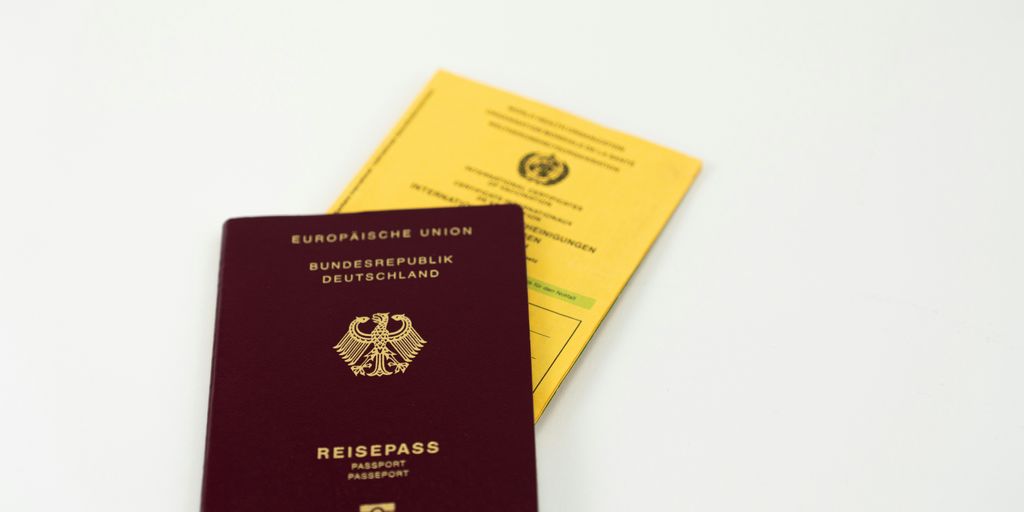
Getting your documents in order is a HUGE part of getting your UK visa approved. Seriously, don’t skip this step or take it lightly. It’s not just about having the right papers; it’s about presenting them in a way that makes sense to the folks at UK Visas and Immigration. Think of it as telling a story – your documents are the evidence that backs up your story. Let’s break down how to make sure your documentation is top-notch.
Verifying Identity And Travel Documents
First things first: your passport. Make sure it’s valid for the entire duration of your stay in the UK. It sounds obvious, but you’d be surprised how many people mess this up. Also, double-check that all the information on your passport matches the information you put on your application. Any discrepancies can raise red flags. If you need a visa from your home country to enter the UK, make sure that’s valid too. Here’s a quick checklist:
- Passport validity (at least 6 months beyond your intended stay)
- Visa validity (if applicable)
- Accurate personal information
- Copies of previous visas (if any)
Demonstrating Financial Stability
This is where a lot of applications get tripped up. The UK wants to know you can support yourself while you’re there. That means showing you have enough money to cover your expenses. Bank statements are key, but they need to be recent – usually within the last 3 months. If someone else is sponsoring you, you’ll need a letter from them, along with their bank statements and proof of their relationship to you. Don’t try to fudge this; they will check. Here’s what you might need:
- Recent bank statements
- Proof of income (pay stubs, employment letter)
- Sponsorship letter (if applicable)
- Sponsor’s bank statements (if applicable)
Submitting Supporting Evidence Correctly
This is where you provide all the extra stuff that supports your application. This could include things like proof of ties to your home country (like a job offer or property ownership), travel itineraries, accommodation bookings, and letters of invitation. Make sure everything is translated into English if it’s not already. And don’t just throw everything in a pile; organize it logically and label it clearly. Think about it from the perspective of the person reviewing your application – make their job as easy as possible. Here are some examples of supporting documents:
- Employment letters
- Property ownership documents
- Family ties documents
- Travel itinerary or flight bookings
- Proof of accommodation
Navigating The Online Application Services
Okay, so you’re ready to tackle the online application process. It can seem a little intimidating at first, but honestly, it’s pretty straightforward once you get the hang of it. The UK Visas and Immigration service has moved a lot of its processes online, which is supposed to make things easier. Let’s break down the key parts.
Creating And Managing Your Account
First things first, you’ll need to create an account on the UK government visa application website. This is where you’ll manage everything related to your application, so make sure you use a secure password and keep your login details safe. It’s like setting up any other online account, but pay extra attention to the details you enter. Double-check everything! You don’t want any typos or inconsistencies that could cause problems later on. Once you’re in, you can start filling out the application form and uploading your documents.
Booking Biometric Appointments
After you’ve submitted your application and paid the fee, you’ll need to book a biometric appointment. This is where you’ll provide your fingerprints and a photograph. You’ll do this at a Visa Application Center (VAC). Booking the appointment is usually done through the same online portal where you created your account. Make sure to book well in advance, as appointment slots can fill up quickly, especially during peak seasons. Here’s a quick rundown of what to expect:
- Find the nearest VAC.
- Select an available date and time.
- Confirm your appointment.
- Print out the confirmation to take with you.
Tracking Application Status
Once you’ve submitted your application and attended your biometric appointment, the waiting game begins. Luckily, the online system allows you to track application status in real-time. You’ll be given a reference number that you can use to check the progress of your application. It’s a good idea to check regularly for any updates. Don’t panic if it seems like it’s taking a while – these things can take time. But if you notice anything unusual, it’s always best to contact the UK Visas and Immigration service directly.
Avoiding Common Pitfalls During Submission
Okay, so you’ve spent hours filling out forms and gathering documents. Don’t let silly mistakes ruin your chances now! Here’s the lowdown on what to watch out for when you’re finally ready to hit that submit button.
Preventing Incomplete Forms
Seriously, double-check everything. Missing information is a HUGE red flag and an easy way to get rejected. It’s like handing them a reason to say no. Go through each section with a fine-tooth comb. Make sure every required field is filled out correctly. Don’t leave anything blank unless it specifically says it’s optional. It’s also a good idea to have someone else look over your application. A fresh pair of eyes can catch errors you might have missed. Think of it as a final quality check before you send it off.
Steering Clear Of Third-Party Scams
The internet is full of shady characters just waiting to take advantage of people applying for visas. Only use the official UK Visas and Immigration official guidance sections GOV UK website. Be wary of websites that promise to fast-track your application or guarantee approval. These are almost always scams. Never give your personal information or payment details to an untrusted source. If something seems too good to be true, it probably is. Protect yourself by doing your research and sticking to official channels.
Here are some things to keep in mind:
- Never share your password with anyone.
- Be suspicious of unsolicited emails or phone calls.
- Always check the website address to make sure it’s legitimate.
Ensuring Accuracy In Every Detail
Even small inconsistencies can cause problems. Make sure the information you provide on your application matches exactly what’s on your supporting documents. Dates, names, addresses – everything needs to line up perfectly. If there are any discrepancies, explain them clearly in a cover letter. It’s better to be upfront about any potential issues than to let them raise suspicion. Take your time and pay attention to detail. It could make all the difference. For example, if you have a middle name, make sure you include it consistently across all documents. Even something as simple as a typo can raise questions. Accuracy is key to a smooth application process.
Maximizing Resources And Official Guidance
Okay, so you’re trying to get a UK visa. Good move looking into all the resources available. Don’t just wing it! The official guidance is there to help, and honestly, it can make or break your application. Let’s look at how to use it.
Consulting The Supporting Documents Guidance
Providing the right documents is super important. The Supporting Documents Guidance tells you exactly what you need for your specific visa type. Seriously, read it carefully. It’ll save you a ton of headaches later. Think of it as a checklist. Make sure you have proof of identity, bank statements, where you’re staying, and anything else they ask for. Don’t just guess – follow the guide!
Utilizing The Points-Based System Calculator
If you’re applying for a visa that uses the points-based system, use the calculator! It’s there for a reason. It helps you figure out if you even qualify before you spend a bunch of time and money on the application. It’s pretty straightforward: you put in your information, and it tells you how many points you have.
Reviewing Latest Immigration Rules
Immigration rules change. A lot. Don’t assume what was true last year is still true today. Always check the latest Immigration Rules on the official UK government website. These rules cover everything from eligibility to the application process. Staying up-to-date is key to a successful application. They outline the eligibility requirements, application processes, and conditions attached to each visa type. It’s updated often, so check it regularly.
Seeking Professional Advice When Needed
Sometimes, even with all the resources available on the UK Visas and Immigration Service GOV UK platform, you might feel like you’re in over your head. That’s perfectly normal! Immigration law can be complicated, and the application process can be stressful. Knowing when to seek help from a professional can save you time, money, and a whole lot of anxiety. It’s like trying to fix your car engine without any experience – you might end up making things worse.
Choosing A Qualified Immigration Consultant
Finding the right consultant is key. You want someone who knows their stuff and has a good track record. Don’t just go with the first name you see. Do your research! Check their credentials, read reviews, and make sure they’re registered with the appropriate regulatory body. A good consultant will be upfront about their fees and what they can realistically achieve for you. It’s also a good idea to ask for references from previous clients. Think of it like hiring a contractor for your house – you want someone reliable and trustworthy. You can also check the latest immigration rules to make sure they are up to date.
Understanding Cost Versus Benefit
Let’s be real – hiring an immigration consultant or lawyer isn’t cheap. You need to weigh the cost against the potential benefits. Ask yourself: How complex is my case? How much time and effort am I willing to put in myself? What’s the risk of making a mistake? If your situation is straightforward, you might be able to handle the application on your own. But if you have a complicated history, a criminal record, or other unusual circumstances, professional help could be worth the investment. Here’s a simple breakdown:
- DIY Application: Lower cost, requires significant time investment, higher risk of errors.
- Professional Assistance: Higher cost, saves time and reduces stress, lower risk of errors.
Maintaining Clear Communication With Advisors
Once you’ve hired a consultant, communication is crucial. Be honest and upfront about your situation, even if it’s embarrassing or uncomfortable. The more information they have, the better they can help you. Ask questions, clarify any doubts, and keep them updated on any changes in your circumstances. Respond promptly to their requests and provide all the necessary documents in a timely manner. Think of it as a partnership – you’re working together to achieve a common goal. Make sure you understand the supporting documents guidance they provide.
Here are some tips for effective communication:
- Keep a record of all conversations and correspondence.
- Confirm all agreements in writing.
- Don’t be afraid to ask for clarification.
## Conclusion
Alright, so that’s it. If you’ve followed the tips here—picked the right visa type on GOV.UK, double-checked your forms, given yourself a buffer before deadlines, and stayed clear of sketchy sites—you’ll set yourself up much better. Yes, it can feel like a lot of reading, but it beats waiting weeks for a correction letter. And if you’re stuck, reach out to the official help lines or a pro you trust. It may take some effort, but being organized now can save you headaches later. Good luck with your application, and fingers crossed for that approval email.




Prosecutors Say Jason Finkelstein Spent 11 Seconds Reviewing Cardiac Images Before Clearing a Teenage Athlete

Prosecutors Say Jason Finkelstein Spent 11 Seconds Reviewing Cardiac Images Before Clearing a Teenage Athlete
Prosecutors Say Jason Finkelstein Spent 11 Seconds Reviewing Cardiac Images Before Clearing a Teenage Athlete
Prosecutors Say Jason Finkelstein Spent 11 Seconds Reviewing Cardiac Images Before Clearing a Teenage Athlete

Prosecutors Say Jason Finkelstein Spent 11 Seconds Reviewing Cardiac Images Before Clearing a Teenage Athlete
Prosecutors Say Jason Finkelstein Spent 11 Seconds Reviewing Cardiac Images Before Clearing a Teenage Athlete

Prosecutors Say Jason Finkelstein Spent 11 Seconds Reviewing Cardiac Images Before Clearing a Teenage Athlete
Prosecutors Say Jason Finkelstein Spent 11 Seconds Reviewing Cardiac Images Before Clearing a Teenage Athlete
Prosecutors Say Jason Finkelstein Spent 11 Seconds Reviewing Cardiac Images Before Clearing a Teenage Athlete

Prosecutors Say Jason Finkelstein Spent 11 Seconds Reviewing Cardiac Images Before Clearing a Teenage Athlete
Prosecutors Say Jason Finkelstein Spent 11 Seconds Reviewing Cardiac Images Before Clearing a Teenage Athlete
Prosecutors Say Jason Finkelstein Spent 11 Seconds Reviewing Cardiac Images Before Clearing a Teenage Athlete
Prosecutors Say Jason Finkelstein Spent 11 Seconds Reviewing Cardiac Images Before Clearing a Teenage Athlete

Prosecutors Say Jason Finkelstein Spent 11 Seconds Reviewing Cardiac Images Before Clearing a Teenage Athlete
Prosecutors Say Jason Finkelstein Spent 11 Seconds Reviewing Cardiac Images Before Clearing a Teenage Athlete

-
Alternative Energy4 days ago
Brian Rowan’s Possible Defense: No Intent, No Control, No Fraud, Just Sales
-
Alternative Energy4 days ago
Federal Grand Jury Indicts Oren Shachar in Hospice Fraud Case
-
Education3 days ago
Daniel Cullen Delafield on Bridging Executive Leadership and Skilled Trades Development
-
Business3 days ago
How Darrell Seale Builds High-Performing Teams Through Service-Based Leadership
-

 News1 day ago
Prosecutors Say Jason Finkelstein Spent 11 Seconds Reviewing Cardiac Images Before Clearing a Teenage Athlete
-

 News1 day ago
Prosecutors Say Jason Finkelstein Spent 11 Seconds Reviewing Cardiac Images Before Clearing a Teenage Athlete
-
News22 hours ago
Prosecutors Say Jason Finkelstein Spent 11 Seconds Reviewing Cardiac Images Before Clearing a Teenage Athlete
-
News1 day ago
Prosecutors Say Jason Finkelstein Spent 11 Seconds Reviewing Cardiac Images Before Clearing a Teenage Athlete