
Real Estate
How Long Does It Take to Build a Home Addition

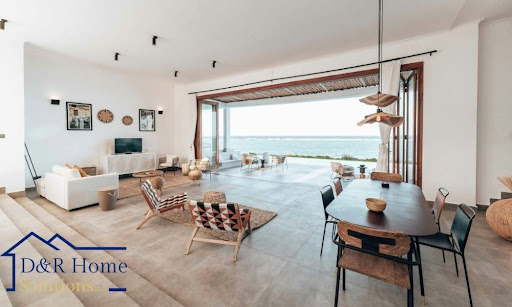
Planning a home addition requires more than picking a floor plan. It requires understanding how long each phase actually takes. Most homeowners underestimate the timeline because they focus only on construction. In reality, design, permitting, and material procurement add weeks or months before a single wall goes up.
A single-story addition in Pennsylvania typically takes 4 to 8 months from initial design to final inspection. Larger two-story additions or those requiring foundation work can run 9 to 14 months. Knowing the full timeline prevents budget overruns caused by carrying costs, temporary housing, and contractor scheduling conflicts.
Design and Planning: Weeks 1 Through 6
The design phase is where the most time is lost on poorly managed projects. Architectural drawings for a home addition must reflect existing structural conditions, local zoning setbacks, and utility locations. In Phoenixville, Chester County zoning regulations require minimum setbacks from property lines, and many lots in the borough have restrictions that affect addition footprint and height.
A certified project manager maps these constraints before design begins. This prevents redesigns after permit submission, which can add 4 to 8 weeks to a project. D&R Home Solutions uses a structured planning phase where floor plans are finalized and reviewed by trade teams before pricing is approved. Changes on paper take hours. Changes during framing take days and cost thousands.
Permit Acquisition: 3 to 10 Weeks
Permit timelines depend on the municipality and the complexity of the project. The Borough of Phoenixville processes residential permits through its Building Department. Simple additions may receive approval in 3 to 4 weeks. Projects requiring zoning variance hearings, structural engineering review, or stormwater management plans can take 8 to 10 weeks or longer.
Pennsylvania’s Uniform Construction Code, administered by the Department of Labor and Industry, governs what inspections are required at each phase. Missing an inspection requires stopping work until an inspector clears the stage. A contractor who tracks permit status and schedules inspections proactively keeps the project moving. Delays here are common when homeowners manage permits themselves without prior experience.
Site Preparation and Foundation Work: 1 to 4 Weeks
Site prep includes excavation, grading, and foundation installation. A slab-on-grade foundation for a modest addition takes 5 to 10 days in good weather. A full basement foundation with footings, block or poured concrete walls, waterproofing, and backfill takes 3 to 4 weeks. Chester County soil conditions vary. Areas near French Creek in Phoenixville can have higher water table conditions that require additional drainage planning.
Frost depth in Pennsylvania is 36 inches per ICC Table R301.7. Footings must extend below this depth to prevent heaving. Work started in late fall may face frozen ground delays. Planning your home addition start date to align with spring or early summer avoids weather-related setbacks during this phase.
- Slab foundation: 5 to 10 days
- Crawl space foundation: 10 to 14 days
- Full basement foundation: 3 to 4 weeks
- Wet soil or high water table: add 1 to 2 weeks
Framing, Roofing, and Weatherproofing: 2 to 5 Weeks
Framing a single-story addition typically takes 1 to 2 weeks for a crew of 3 to 4 carpenters. Roof framing, sheathing, and weatherproofing follow immediately. The goal at this stage is to get the addition dried in, meaning weather-tight, before interior rough-in begins. Delays in roofing expose framing lumber to moisture, which causes swelling, warping, and potential mold growth within 48 to 72 hours of saturation according to the EPA’s guidelines on building moisture management.
Window and exterior door installation happens during this phase. Lead times on custom or special-order windows in 2024 and 2025 have ranged from 4 to 12 weeks depending on manufacturer. Ordering windows at the start of the permit phase, not after framing begins, prevents a 6-week stall waiting for materials.
Mechanical Rough-In: 2 to 4 Weeks
Mechanical rough-in covers HVAC ductwork or mini-split line sets, electrical wiring, and plumbing supply and drain lines. These trades must be sequenced correctly. Plumbing runs first because drain lines require specific slope and often need the most floor joist modification. Electrical follows, then HVAC. Each trade requires a rough-in inspection before insulation and drywall cover the work.
Scheduling these inspections in advance is where project management directly affects the timeline. A contractor who calls for inspection on the day rough-in finishes gets a faster slot than one who calls a week later. At D&R Home Solutions, we coordinate inspection scheduling as part of the project schedule, not as an afterthought.
Insulation, Drywall, and Finishes: 3 to 6 Weeks
Insulation installation takes 1 to 3 days for a standard addition. Drywall hanging, taping, and finishing takes 1 to 2 weeks depending on room count and ceiling height. Paint, trim, flooring, and fixture installation follow in sequence. Flooring cannot be installed until HVAC is operational and the space has acclimatized to normal humidity levels. Hardwood flooring requires 3 to 7 days of acclimation per NWFA (National Wood Flooring Association) guidelines before installation.
Cabinet and countertop lead times also affect this phase. Stock cabinets ship in 1 to 2 weeks. Semi-custom cabinets take 4 to 6 weeks. Stone countertops require template measurement after cabinet installation, adding 10 to 14 days for fabrication. Ordering early and storing materials off-site if needed keeps this phase on track.
Final Inspections and Punch List: 1 to 2 Weeks
Final inspections cover structural, electrical, plumbing, and mechanical systems. In Pennsylvania, a Certificate of Occupancy is required before the addition can be used as living space. The punch list, the list of small corrections and touch-ups identified at project closeout, typically takes 3 to 7 days to complete.
A well-run home addition project ends with a clean punch list because issues were caught and resolved during construction, not discovered at the end. At D&R Home Solutions, we keep a field binder on-site with all approved plans and selections so every trade works from the same document. If you are planning an addition in Phoenixville or the surrounding Chester County area, contact us at (215) 280-5910. We build detailed project schedules before construction starts so you know exactly what to expect at every phase.


Prosecutors Say Jason Finkelstein Spent 11 Seconds Reviewing Cardiac Images Before Clearing a Teenage Athlete

Prosecutors Say Jason Finkelstein Spent 11 Seconds Reviewing Cardiac Images Before Clearing a Teenage Athlete
Prosecutors Say Jason Finkelstein Spent 11 Seconds Reviewing Cardiac Images Before Clearing a Teenage Athlete
Prosecutors Say Jason Finkelstein Spent 11 Seconds Reviewing Cardiac Images Before Clearing a Teenage Athlete

Prosecutors Say Jason Finkelstein Spent 11 Seconds Reviewing Cardiac Images Before Clearing a Teenage Athlete
Prosecutors Say Jason Finkelstein Spent 11 Seconds Reviewing Cardiac Images Before Clearing a Teenage Athlete

Prosecutors Say Jason Finkelstein Spent 11 Seconds Reviewing Cardiac Images Before Clearing a Teenage Athlete
Prosecutors Say Jason Finkelstein Spent 11 Seconds Reviewing Cardiac Images Before Clearing a Teenage Athlete
Prosecutors Say Jason Finkelstein Spent 11 Seconds Reviewing Cardiac Images Before Clearing a Teenage Athlete

Prosecutors Say Jason Finkelstein Spent 11 Seconds Reviewing Cardiac Images Before Clearing a Teenage Athlete
Prosecutors Say Jason Finkelstein Spent 11 Seconds Reviewing Cardiac Images Before Clearing a Teenage Athlete
Prosecutors Say Jason Finkelstein Spent 11 Seconds Reviewing Cardiac Images Before Clearing a Teenage Athlete
Prosecutors Say Jason Finkelstein Spent 11 Seconds Reviewing Cardiac Images Before Clearing a Teenage Athlete

Prosecutors Say Jason Finkelstein Spent 11 Seconds Reviewing Cardiac Images Before Clearing a Teenage Athlete
Prosecutors Say Jason Finkelstein Spent 11 Seconds Reviewing Cardiac Images Before Clearing a Teenage Athlete

-
Alternative Energy5 days ago
Brian Rowan’s Possible Defense: No Intent, No Control, No Fraud, Just Sales
-
Alternative Energy5 days ago
Federal Grand Jury Indicts Oren Shachar in Hospice Fraud Case
-
Business4 days ago
How Darrell Seale Builds High-Performing Teams Through Service-Based Leadership
-
Education4 days ago
Daniel Cullen Delafield on Bridging Executive Leadership and Skilled Trades Development
-

 News2 days ago
Prosecutors Say Jason Finkelstein Spent 11 Seconds Reviewing Cardiac Images Before Clearing a Teenage Athlete
-
News2 days ago
Prosecutors Say Jason Finkelstein Spent 11 Seconds Reviewing Cardiac Images Before Clearing a Teenage Athlete
-
News2 days ago
Prosecutors Say Jason Finkelstein Spent 11 Seconds Reviewing Cardiac Images Before Clearing a Teenage Athlete
-
News2 days ago
Prosecutors Say Jason Finkelstein Spent 11 Seconds Reviewing Cardiac Images Before Clearing a Teenage Athlete