
Climate Change
Why Plastic Waste Is Bad for the Environment: Uncovering the Hidden Costs


Everywhere you look, there’s some bit of plastic lying around. It got me thinking about why plastic waste is bad for the environment. From beaches clogged with bottles to farms with tainted soil, our trash is causing damage. It’s not just ugly—it hits our wallets and our health too. Let’s break down what’s going wrong and how we can fix it.
Key Takeaways
- Plastic waste harms fish and sea animals, messes up soil, and burning it pollutes the air.
- Cleaning up and managing plastic trash costs people and local budgets billions each year.
- Chemicals from plastics can leach into food and water, and tiny bits end up in our bodies.
- From digging oil to making and incinerating plastic, the whole process pumps out greenhouse gases.
- Plastic lasts for centuries in landfills and ocean gyres, but compostable materials, reuse, and producer rules can make a difference.
Why Plastic Waste Is Bad for the Environment: Disruption of Ecosystems
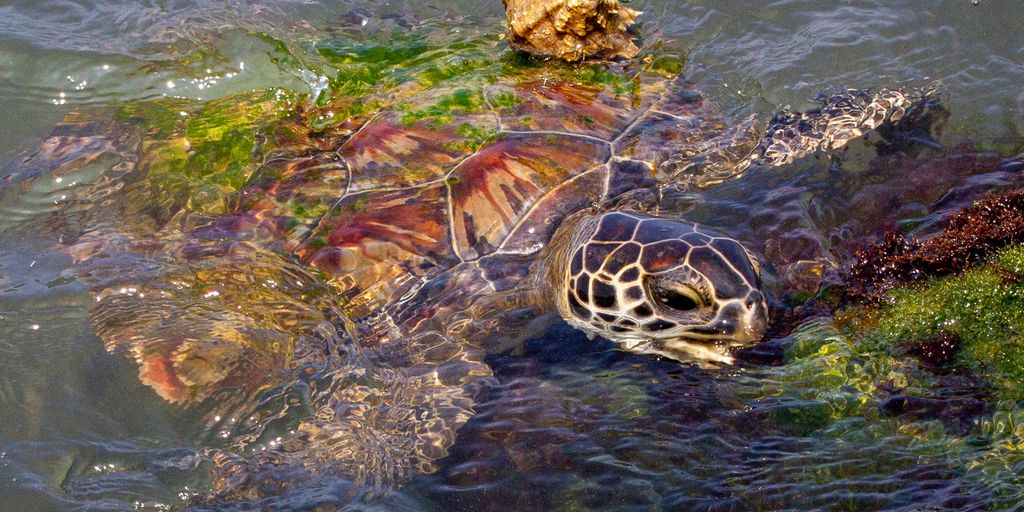
Plastic waste isn’t just an eyesore; it’s actively messing with the natural world. It’s like throwing a wrench into a perfectly good machine – things start breaking down, and not in a good way. The disruption of ecosystems is one of the most serious consequences of our plastic addiction.
Threat to Marine Biodiversity
Okay, so picture this: you’re a sea turtle, and you see something floating in the water. Looks like a jellyfish, right? Nope, it’s a plastic bag. You eat it, and now you’re in serious trouble. This happens all the time! Marine animals mistake plastic for food, and it can lead to starvation, entanglement, and all sorts of nasty injuries. It’s not just turtles either; seabirds, fish, and even marine mammals are affected. The SINTEF Ocean research highlights how even microorganisms and young cod are vulnerable to everyday plastic items. It’s a whole mess down there, and it’s getting worse. We need to find sustainable textile alternatives to reduce plastic use.
Soil Contamination and Degradation
It’s not just the oceans that are suffering. When plastic ends up in landfills, it can leach harmful chemicals into the soil. These toxins can then contaminate groundwater, which affects plants, animals, and even us. Plus, plastic doesn’t break down easily, so it sticks around for ages, preventing plants from growing properly and messing with the soil’s natural composition. It’s like a slow-motion environmental disaster happening right under our feet. Even seemingly harmless plastic spoons release greenhouse gases as they degrade. We need to consider the environmental footprint of plastic production.
Air Pollution From Plastic Incineration
So, what happens when we try to get rid of all this plastic? One option is incineration, which sounds good in theory, but it’s actually pretty terrible. Burning plastic releases all sorts of toxic chemicals into the air, including dioxins and furans, which are known carcinogens. This air pollution can cause respiratory problems and other health issues, and it also contributes to climate change. It’s like trading one problem for another, and honestly, it’s not a good deal. Annually, plastic incineration emits an estimated 5 million metric tons of CO2.
Hidden Economic Burden of Plastic Pollution
It’s easy to focus on the images of turtles tangled in plastic, but the economic side of plastic pollution is just as ugly. We’re talking about real money that’s being wasted because of our plastic problem. It’s not just an environmental issue; it’s hitting our wallets, too.
Rising Waste Management Costs
Think about all the plastic we throw away. Someone has to collect it, sort it, and then either bury it or try to recycle it. All of that costs money, and those costs are going up. The sheer volume of plastic waste is overwhelming existing waste management systems. A lot of places just aren’t equipped to handle it, which means they’re spending more and more on infrastructure and personnel. Plus, the more plastic that ends up in landfills, the faster those landfills fill up, leading to the need for new (and expensive) landfill construction. The rigid plastic packaging sector is contributing to this problem.
Impact on Fisheries and Tourism
Plastic in the ocean isn’t just bad for marine life; it’s bad for businesses that depend on the ocean. Fisheries are seeing declining catches because fish are ingesting plastic or getting caught in it. That means less seafood to sell, and higher prices for consumers. Tourism also takes a hit. Nobody wants to visit a beach covered in trash. Coastal communities that rely on tourism are losing revenue because of plastic pollution. It’s a vicious cycle: pollution hurts the economy, and a struggling economy has fewer resources to deal with the pollution.
Taxpayer-Funded Cleanup Operations
Who pays for cleaning up all this plastic? You do. A significant portion of cleanup efforts are funded by taxpayer money. Whether it’s local governments organizing beach cleanups or international organizations tackling ocean gyres, the bill ultimately falls to the public. It’s like we’re paying twice for plastic: once when we buy it, and again when we have to clean up the mess it creates. The annual price tag of environmental damage caused by plastic waste is a staggering $13 billion, a burden that falls disproportionately on local governments and taxpayers.
Human Health Risks From Plastic Exposure
It’s not just the planet that suffers from our plastic addiction; our bodies are also taking a hit. The more we learn, the clearer it becomes that plastic exposure poses some serious health risks. It’s kind of scary when you think about it – we’re surrounded by this stuff, and it’s slowly impacting our well-being. The Global Plastics Treaty aims to establish regulations that protect human health and the environment from these chemicals.
Chemical Leaching in Food and Water
One of the biggest concerns is the way plastics can leach chemicals into our food and water. Think about it: you store leftovers in a plastic container, or you drink from a plastic water bottle that’s been sitting in the sun. Those plastics can release harmful substances like BPA and phthalates. These chemicals are known endocrine disruptors, meaning they can mess with our hormones. This can lead to a whole host of problems, including:
- Infertility
- Obesity
- Increased risk of certain cancers
It’s not just about what we eat and drink directly. Plastic waste in the environment can also contaminate water sources, making its way into the food chain. This is especially concerning for vulnerable populations, like pregnant women and children. For example, those living near fence-line communities are more exposed to hazards ranging from groundwater contamination, fires, toxic spillages and air pollution.
Microplastics in the Human Body
Microplastics are tiny plastic particles that result from the breakdown of larger plastic items. They’re everywhere – in the air we breathe, the water we drink, and the food we eat. And guess what? They’re also inside us. Studies have found microplastics in human organs, including the lungs, liver, and even the brain. Scientists are still trying to figure out the long-term effects of this, but it’s definitely not good. Recent research proves that we are indeed inhaling and ingesting toxic microplastics through the air, consuming them through food and water, and are even absorbing them through our skin – posing serious risks to our health.
Endocrine Disruption and Long-Term Illnesses
As mentioned earlier, many of the chemicals in plastics are endocrine disruptors. This means they can interfere with the body’s hormonal system, leading to a range of health problems. Some of the potential long-term effects include:
- Developmental issues in children
- Reproductive problems
- Increased risk of hormone-related cancers
It’s important to note that the science is still evolving, and we don’t have all the answers yet. However, the evidence is mounting that plastic exposure can have serious consequences for our health. It’s something we need to take seriously and address through preventive strategies.
The Carbon Footprint of Plastic Production
Plastic isn’t just an eyesore; it’s a major contributor to climate change. The entire lifecycle of plastic, from its creation to its disposal, leaves a significant carbon footprint. It’s easy to overlook this when you’re just tossing a bottle in the trash, but the impact is huge.
Fossil Fuel Extraction for Plastics
Over 98% of plastics are derived from fossil fuels. This means we’re digging up oil and gas just to make things that often end up in the trash. The extraction process itself is environmentally damaging, leading to habitat destruction and pollution. Think about oil spills and the disruption caused by fracking – all to feed our plastic habit. It’s a vicious cycle where we damage the planet to create something that will eventually damage it even more. The climate change science is clear: we need to move away from fossil fuels, and that includes reducing our reliance on plastic.
Greenhouse Gas Emissions in Manufacturing
The process of turning fossil fuels into plastic is incredibly energy-intensive. Plastic production demands approximately 380 million metric tons of virgin plastic annually. Factories release greenhouse gases and other pollutants into the atmosphere. It’s not just CO2; other harmful chemicals are released, contributing to air pollution and other environmental problems. The manufacturing stage alone adds a significant amount to plastic’s overall carbon footprint. It’s a hidden cost that we often don’t consider when buying plastic products.
Incineration and Carbon Release
When plastic can’t be recycled, it often ends up being burned. While incineration reduces landfill space, it releases a cocktail of toxic chemicals into the air, including dioxins and furans. Annually, plastic incineration emits an estimated 5 million metric tons of CO2. These chemicals are not only harmful to the environment but also pose serious health risks to humans. Incineration is often presented as a solution to plastic waste, but it’s really just shifting the problem from land to air. It’s a short-sighted approach that ignores the long-term consequences.
Plastic Persistence: The Challenge of Disposal
Plastic is everywhere, and that’s kind of the problem. We use it for everything, and then, well, we have to get rid of it. But "getting rid of it" isn’t as simple as tossing it in the trash. Plastic sticks around. Like, really sticks around. It’s not like food scraps that break down; plastic is forever (or close to it). This creates some serious headaches when it comes to disposal. The sheer volume of plastic waste we generate is overwhelming existing systems, and the consequences are pretty grim. It’s a global issue that demands attention, and honestly, a complete overhaul of how we think about and handle plastic. The convenience of single-use plastics comes at a steep environmental price.
Landfill Overflow and Leachate
Landfills are filling up, fast. And plastic, being the stubborn stuff it is, takes up a ton of space. It doesn’t decompose, so it just sits there, piling up. But it’s not just about space. As rainwater filters through the landfill, it picks up nasty chemicals from the decomposing waste, creating something called leachate. This leachate can contaminate groundwater and soil, posing a risk to both human and environmental health. Landfills are supposed to be lined to prevent this, but liners can fail, and even the best systems aren’t perfect. It’s a constant battle to contain the mess we’ve created. The environmental damage caused by plastic waste is a huge problem.
Ocean Gyres and Plastic Accumulation
What doesn’t end up in a landfill often ends up in the ocean. And once it’s there, it doesn’t just disappear. Ocean currents concentrate plastic waste into massive swirling garbage patches called gyres. The most famous is the Great Pacific Garbage Patch, which is estimated to be twice the size of Texas. These gyres are a soup of plastic debris, from large pieces to tiny microplastics. Marine life gets entangled in the larger pieces, and they ingest the microplastics, which can then make their way up the food chain. It’s a devastating cycle of pollution that’s incredibly difficult to clean up. The impact on marine biodiversity is devastating.
Limitations of Recycling Systems
Recycling is often touted as the solution to plastic waste, but the reality is far more complex. Not all plastics are recyclable, and even those that are often don’t get recycled. Recycling infrastructure varies widely from place to place, and the economics of recycling can be challenging. Sometimes it’s cheaper to produce new plastic than to recycle old plastic. Plus, each time plastic is recycled, its quality degrades, so it can only be recycled a limited number of times. So, while recycling is important, it’s not a silver bullet. We need to reduce our reliance on plastic in the first place. The rising waste management costs are a burden on taxpayers.
Emerging Solutions to Reduce Plastic Waste
Okay, so plastic is a problem. We know that. But what’s being done about it? Turns out, quite a bit! It’s not all doom and gloom; there are some really cool things happening to try and turn the tide on plastic waste. From new materials to changes in how companies operate, there’s hope on the horizon.
Biodegradable and Compostable Materials
One of the most promising areas is the development of materials that break down naturally. Think about it: instead of plastic hanging around for hundreds of years, it just…disappears. That’s the idea behind biodegradable and compostable plastics. These materials, often made from things like cornstarch or sugar cane, can decompose in the right conditions. The green bio-chemicals market is expanding rapidly, which is a great sign.
Reusable Packaging Innovations
Another big shift is towards reusable packaging. Single-use is OUT, reusable is IN! Companies are starting to rethink how they package their products, moving away from all that unnecessary plastic. I’ve seen some cool stuff, like refillable containers for household cleaners and even deposit programs for things like yogurt containers. It’s all about creating systems where packaging can be used again and again, reducing the need for new plastic. Here are some examples:
- Refillable containers for cleaning products
- Reusable produce bags at grocery stores
- Metal or glass containers for food storage
Extended Producer Responsibility Programs
This is where things get interesting. Extended Producer Responsibility (EPR) is basically a fancy way of saying that companies are responsible for the entire lifecycle of their products, including what happens to them after people are done using them. This means they have to take responsibility for the plastic waste they create. This can involve setting up recycling programs, funding cleanup efforts, or even redesigning products to be more easily recyclable. It’s about making companies accountable for the mess they’re making, which seems only fair, right?
## Conclusion
Alright, so here’s the deal: single-use plastic looks cheap and easy, but it’s hiding a punch to our planet. It piles up in landfills, clogs our oceans, and even sneaks into our bodies with toxins. We’re picking up the tab through higher cleanup costs and health bills. The good news? We can slow this down. Bring your own bag, carry a refillable bottle, say no to plastic straws, and back laws that limit waste. Little changes add up. It won’t happen overnight, but bit by bit, we can ease the mess and leave a cleaner world for the next generation. Let’s get started today.




Prosecutors Say Jason Finkelstein Spent 11 Seconds Reviewing Cardiac Images Before Clearing a Teenage Athlete

Prosecutors Say Jason Finkelstein Spent 11 Seconds Reviewing Cardiac Images Before Clearing a Teenage Athlete
Prosecutors Say Jason Finkelstein Spent 11 Seconds Reviewing Cardiac Images Before Clearing a Teenage Athlete
Prosecutors Say Jason Finkelstein Spent 11 Seconds Reviewing Cardiac Images Before Clearing a Teenage Athlete

Prosecutors Say Jason Finkelstein Spent 11 Seconds Reviewing Cardiac Images Before Clearing a Teenage Athlete
Prosecutors Say Jason Finkelstein Spent 11 Seconds Reviewing Cardiac Images Before Clearing a Teenage Athlete

Prosecutors Say Jason Finkelstein Spent 11 Seconds Reviewing Cardiac Images Before Clearing a Teenage Athlete
Prosecutors Say Jason Finkelstein Spent 11 Seconds Reviewing Cardiac Images Before Clearing a Teenage Athlete
Prosecutors Say Jason Finkelstein Spent 11 Seconds Reviewing Cardiac Images Before Clearing a Teenage Athlete

Prosecutors Say Jason Finkelstein Spent 11 Seconds Reviewing Cardiac Images Before Clearing a Teenage Athlete
Prosecutors Say Jason Finkelstein Spent 11 Seconds Reviewing Cardiac Images Before Clearing a Teenage Athlete
Prosecutors Say Jason Finkelstein Spent 11 Seconds Reviewing Cardiac Images Before Clearing a Teenage Athlete
Prosecutors Say Jason Finkelstein Spent 11 Seconds Reviewing Cardiac Images Before Clearing a Teenage Athlete

Prosecutors Say Jason Finkelstein Spent 11 Seconds Reviewing Cardiac Images Before Clearing a Teenage Athlete
Prosecutors Say Jason Finkelstein Spent 11 Seconds Reviewing Cardiac Images Before Clearing a Teenage Athlete

-
Alternative Energy5 days ago
Brian Rowan’s Possible Defense: No Intent, No Control, No Fraud, Just Sales
-
Alternative Energy5 days ago
Federal Grand Jury Indicts Oren Shachar in Hospice Fraud Case
-
Business4 days ago
How Darrell Seale Builds High-Performing Teams Through Service-Based Leadership
-
Education4 days ago
Daniel Cullen Delafield on Bridging Executive Leadership and Skilled Trades Development
-

 News2 days ago
Prosecutors Say Jason Finkelstein Spent 11 Seconds Reviewing Cardiac Images Before Clearing a Teenage Athlete
-
News2 days ago
Prosecutors Say Jason Finkelstein Spent 11 Seconds Reviewing Cardiac Images Before Clearing a Teenage Athlete
-
News2 days ago
Prosecutors Say Jason Finkelstein Spent 11 Seconds Reviewing Cardiac Images Before Clearing a Teenage Athlete
-
News2 days ago
Prosecutors Say Jason Finkelstein Spent 11 Seconds Reviewing Cardiac Images Before Clearing a Teenage Athlete