Environment
How Plastic Pollution Occurs: A Complete Breakdown of the Process


You see plastic everywhere, from water bottles to packaging, but have you ever really thought about where it all goes? It’s easy to toss something in the trash or recycling bin and just forget about it. But a lot of that plastic doesn’t just disappear. It ends up in places it shouldn’t, like our oceans. Figuring out how plastic pollution occurs is a big deal, because it’s a journey that starts on land and has a huge impact on the planet. It’s not as simple as just people littering at the beach; the whole process is way more complicated than that.
Key Takeaways
- A lot of plastic pollution begins on land. It escapes from landfills, washes down storm drains in cities, or is just left on beaches and riverbanks.
- A big part of how plastic pollution occurs is that waste management often falls short. Not all plastic gets collected, and even when it does, recycling problems can send it to the landfill anyway.
- It’s not just about what we throw away. Major sources of plastic pollution include tiny plastic pellets lost during manufacturing and old fishing nets left in the ocean.
- Plastic in the ocean doesn’t really go away; it just breaks into smaller and smaller bits called microplastics, which are a massive problem for sea life.
- Ocean currents carry plastic all over the world, forming large garbage patches. However, most of this floating plastic ends up washing back onto our coastlines pretty quickly.
The Journey of Plastic from Land to Sea
It’s kind of wild to think about how that plastic bottle you tossed in the trash (or worse, on the street) can end up thousands of miles away in the ocean. It’s not like it teleports there, right? It’s a whole process, a journey, and it’s not a pretty one. The vast majority of ocean plastic pollution actually starts on land. Let’s break down the main ways it makes its way from our neighborhoods to the big blue.
How Mismanaged Landfill Waste Escapes
Okay, so you throw something in the trash. Seems simple enough. But what happens after that? Well, a lot of trash ends up in landfills. And landfills, despite our best efforts, aren’t perfect. Strong winds can easily pick up lightweight plastic items and carry them away. Think plastic bags, food wrappers, and even smaller pieces of broken plastic. These then become litter, and from there, it’s a slippery slope. It’s not just wind, either. Sometimes, it’s just plain old poor management. If a landfill isn’t properly covered or secured, plastic can escape more easily. It’s a problem that needs better solutions, for sure.
The Role of Urban Runoff and Storm Drains
Ever notice those storm drains on the side of the road? They’re meant to carry rainwater away, preventing flooding. But guess what else they carry? You guessed it: trash. All that litter that’s been blown around, or carelessly tossed on the ground, gets washed into these drains during rainstorms. And where do those drains lead? Often, directly to rivers, lakes, and eventually, the ocean. It’s a direct pipeline for pollution. Urban runoff is a huge contributor, carrying all sorts of pollutants, including a significant amount of plastic. It’s a reminder that even if you’re not near the coast, your actions can still impact the ocean. We need to think about better waste management to prevent this.
Direct Littering on Beaches and Riverbanks
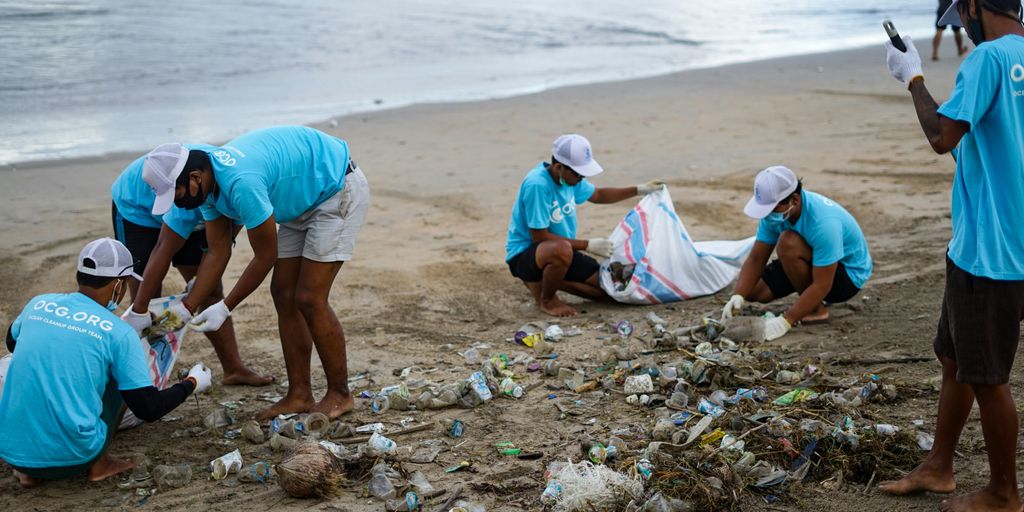
This one’s pretty straightforward, but it’s still a major problem. People littering directly on beaches and riverbanks. It’s hard to believe people still do this, but they do. Whether it’s leaving behind plastic bottles, food containers, or cigarette butts, it all adds up. And because these areas are right next to the water, it’s an almost immediate path to ocean pollution. The tide comes in, the wind blows, and boom, the plastic is in the water. It’s a simple act of carelessness that has huge consequences. Plus, it’s just plain ugly. Nobody wants to go to a beach covered in trash. It’s about respecting our environment, and that starts with not littering in the first place. It’s a simple concept, but it makes a world of difference. It’s important to remember that air pollution is not the only type of pollution we should be worried about.
Failures in Waste Management and Recycling
It’s easy to think recycling solves everything, but the truth is, failures in waste management and recycling processes are a HUGE contributor to plastic pollution. We’re talking about problems at every stage, from collection to processing, and it all adds up. Only a small percentage of plastic actually gets recycled. According to some sources, only about 9% gets recycled. That’s a pretty dismal number, and it highlights some serious issues we need to address.
The Challenge of Inadequate Collection Systems
Okay, so picture this: you live in an area where there’s no regular trash or recycling pickup. Or maybe the bins are overflowing, and stuff is just piling up. This is the reality for many communities around the world. Without proper collection systems, plastic waste has nowhere to go but into the environment. It ends up in streets, waterways, and eventually, the ocean. It’s not just a matter of convenience; it’s a matter of infrastructure. Places with limited resources often struggle to implement effective waste management systems, leading to higher rates of plastic leakage. It’s a tough situation, and it requires investment and planning to fix.
How Recycling Contamination Leads to Landfills
Ever tossed a greasy pizza box into the recycling bin? Yeah, we’ve all been there. But here’s the thing: contamination can ruin entire batches of recyclables. When non-recyclable items or food waste mix with clean plastics, it makes the whole lot unusable. Recycling facilities often have to reject these contaminated materials, sending them straight to the landfill. It’s a frustrating cycle. People think they’re doing the right thing by recycling, but contamination undermines the whole process. We need better education and clearer guidelines to reduce contamination and improve the quality of recycled materials.
Global Disparities in Waste Processing Infrastructure
Here’s a hard truth: not all countries have the same capacity to deal with plastic waste. Wealthier nations often have advanced recycling technologies and infrastructure, while lower-income countries struggle with limited resources and outdated facilities. This creates a global imbalance. Some countries end up exporting their plastic waste to other nations, which may not have the means to process it properly. This can lead to environmental problems and exacerbate pollution in already vulnerable areas. Addressing global disparities in waste processing requires international cooperation and investment in sustainable waste management solutions for all.
How Ocean Currents Transport and Trap Plastic
Okay, so you’ve got plastic in the ocean. Now what? It doesn’t just sit there, bobbing aimlessly. Ocean currents are like highways for trash, moving it around the globe in some pretty predictable ways. It’s actually kind of scary how efficient these currents are at collecting and concentrating plastic.
The Formation of Oceanic Garbage Patches
Think of ocean currents as giant swirling pools. These are called gyres, and there are five major ones in the world’s oceans. These gyres act like massive garbage disposals, pulling in plastic debris from vast areas. The most famous is probably the Great Pacific Garbage Patch, a swirling vortex of trash between Hawaii and California. It’s not a solid island you can walk on, but more like a soupy mix of plastic bits, fishing nets, and other junk. These patches form because the currents in the gyre converge, trapping anything that floats. It’s a real problem because these areas become hotspots for plastic pollution, impacting marine life and potentially even affecting the food chain.
The Fate of Floating Versus Sinking Plastics
Not all plastic floats, and that makes a big difference in where it ends up. Lighter plastics, like plastic bags and some bottles, tend to stay on the surface, getting caught in those gyres we talked about. Heavier plastics, or plastics that become weighed down by algae or other marine growth, sink to the bottom. This doesn’t mean they disappear, though. They can still break down into smaller pieces and contaminate the seafloor. Plus, currents near the bottom can still move this sunken plastic around, spreading the pollution to new areas. It’s a double whammy – surface pollution and deep-sea contamination.
Why Most Debris Ends Up on Coastlines
While those garbage patches get a lot of attention, the truth is that a huge amount of plastic pollution eventually washes up on coastlines. Think about it: waves, tides, and coastal currents are constantly pushing things towards the shore. Even plastic that’s been floating far out at sea can eventually get caught in these currents and end up on a beach somewhere. This is why you see so much plastic litter on beaches, even in remote areas. It’s a constant influx of debris being deposited by the ocean. This [plastic pollution] negatively affects coastal ecosystems, tourism, and local economies. It’s a never-ending cycle of pollution and cleanup.
The Breakdown of Plastics into Smaller Particles
It’s easy to think of plastic pollution as just big bottles and bags floating around, but the reality is much more insidious. Over time, all that plastic breaks down into smaller and smaller pieces, creating a whole new set of problems.
Degradation from Sunlight and Wave Action
Sunlight and wave action are major culprits in the breakdown of plastics. UV radiation from the sun causes plastics to become brittle and crack. Wave action then physically breaks these weakened plastics into smaller fragments. Think of it like leaving a plastic lawn chair out in the sun for years – it eventually becomes faded and easily broken. This process is sped up in the ocean environment due to the constant motion and exposure to salt water.
The Proliferation of Secondary Microplastics
When larger plastic items break down, they create what are known as secondary microplastics. These are tiny plastic particles, typically less than 5 millimeters in size, that are practically invisible to the naked eye. They come from all sorts of sources, like plastic bags, bottles, and even larger pieces of debris. Because they’re so small, microplastics are difficult to clean up and easily ingested by marine life. It’s a huge problem because these microplastics can then accumulate in the food chain.
How Different Plastic Types Decompose
Not all plastics are created equal when it comes to decomposition. Some types of plastic, like PET (polyethylene terephthalate), which is commonly used in water bottles, can take hundreds of years to break down. Other plastics, like polyethylene (used in plastic bags), might break down a bit faster, but still persist in the environment for a very long time. The rate of decomposition also depends on environmental factors like temperature, sunlight exposure, and the presence of microbes. Here’s a rough estimate of how long some common plastics take to decompose:
| Plastic Type | Decomposition Time |
|---|---|
| PET (water bottles) | 450 years |
| Plastic bags | 10-20 years |
| Styrofoam | Never |
| Fishing line | 600 years |
It’s pretty scary to think about how long these plastics persist in the environment and the damage they can cause.
Key Industrial and Commercial Pollution Sources
It’s not just individuals tossing plastic that causes problems. Industries and commercial operations contribute a significant amount to plastic pollution. Sometimes it’s accidental, sometimes it’s a result of poor practices, but either way, it adds up. Let’s take a look at some of the main culprits.
Plastic Pellet Loss During Manufacturing and Transport
Plastic pellets, also known as "nurdles," are the raw material used to make almost all plastic products. These tiny beads are shipped all over the world, and spills happen way too often during manufacturing and transport. These spills can occur at the factory, during loading and unloading, or even from trucks on the road. Because they’re small and light, nurdles easily wash into waterways and eventually make their way to the ocean. Cleanup is difficult and expensive, and the environmental impact can be huge. It’s a big problem that doesn’t get nearly enough attention. Addressing plastic waste requires a multi-pronged approach, including better handling of these pellets.
The Impact of Abandoned and Lost Fishing Gear
Fishing gear, including nets, lines, and traps, is often made of plastic. When this gear is lost or abandoned in the ocean, it becomes what’s known as "ghost gear." This gear can continue to trap and kill marine life for years, even decades. It’s a major threat to marine ecosystems, and it’s also a source of plastic pollution. Think about it: nets drifting around, entangling sea turtles, dolphins, and fish. It’s a grim picture, and it’s happening on a massive scale. Plus, the gear slowly breaks down, releasing microplastics into the water.
Microfiber Shedding from Synthetic Textiles
Every time you wash clothes made from synthetic materials like polyester, nylon, or acrylic, they shed tiny plastic fibers called microfibers. These microfibers are so small that they easily pass through wastewater treatment plants and end up in rivers and oceans. From there, they can be ingested by marine animals and make their way up the food chain. It’s estimated that a single load of laundry can release hundreds of thousands of microfibers. It’s a sneaky source of pollution because it’s not as visible as a plastic bottle floating in the ocean, but it’s a significant contributor to the overall problem. We need to find ways to reduce microfiber shedding, like using special laundry bags or filters, or switching to natural fiber clothing when possible. The amount of marine litter from this source is staggering.
The Ecological Cascade of Marine Plastic Debris
How Plastic Enters the Marine Food Chain
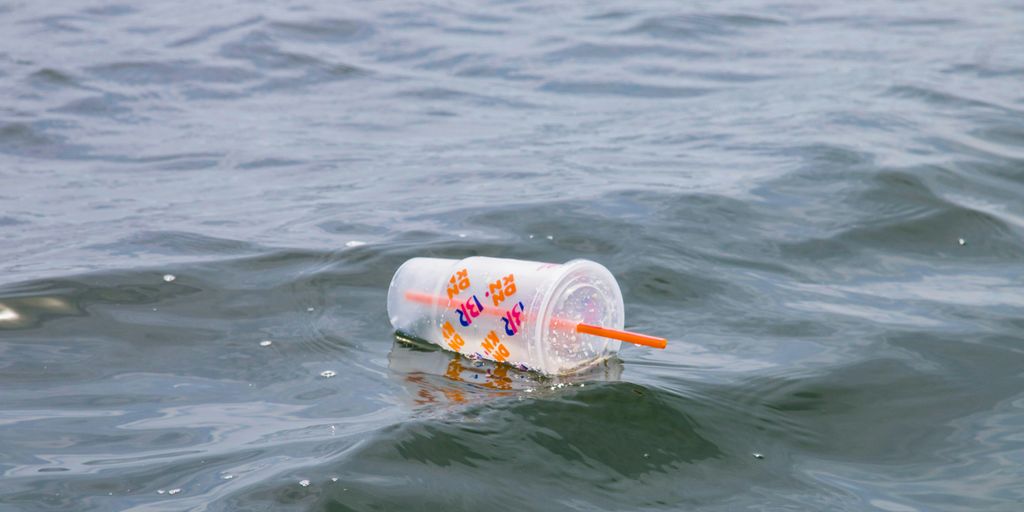
Okay, so picture this: a fish snacks on a piece of plastic, thinking it’s food. That’s the super basic version. But it’s way more complicated. Tiny microplastics are consumed by zooplankton, which are then eaten by small fish, and so on up the food chain. It’s like a gross game of telephone, where each level gets a dose of plastic. And it’s not just fish; seabirds, marine mammals, you name it, they’re all potentially affected. It’s a real mess. The aquatic life is in danger.
The Spread of Toxins and Harmful Chemicals
Plastic isn’t just plastic, you know? It’s like a sponge for toxins. As it floats around in the ocean, it absorbs all sorts of nasty chemicals from the water. Then, when an animal eats the plastic, those chemicals get released into their system. Plus, a lot of plastics themselves contain harmful additives like BPA. So, it’s a double whammy of toxic exposure for marine life. It’s not good, and it’s something we should be concerned about.
Disruption of Critical Oceanic Processes
Plastic pollution messes with the ocean in ways you might not even think about. For example, tiny organisms called phytoplankton produce a huge amount of the world’s oxygen. But studies have shown that plastic pollution can mess with their growth and ability to do their job. Also, plastic affects how carbon is moved from the surface of the ocean to the deep sea, which is important for regulating the climate. It’s like throwing a wrench into the gears of the ocean’s machinery. The consequences could be huge.
Wrapping It All Up
So, it’s pretty clear that plastic doesn’t just disappear when we’re done with it. A bottle dropped on the street or a bag that flies out of a garbage truck can start a long trip. It finds its way into rivers and then, boom, it’s in the ocean. From there, some of it sinks, some washes up on beaches, and a whole lot of it gets stuck in those massive ocean currents, swirling around for years.
The really crazy part is how it breaks down into tiny bits that fish and other sea animals end up eating. And since we eat fish, well, you can connect the dots. The whole system, from making the stuff to trying to recycle it, is complicated. A lot of what we think is getting recycled actually isn’t. But just understanding this whole process is a big deal. It shows that the problem starts way before the plastic ever hits the water, and maybe that’s where we can start making a difference.





The Risk of the Default Hospital Experience, and Why the Home Comes Next

Dr Michel Alkhalil on How Allergies Can Disrupt Sleep

Chantal Leduc Stylist: How Garment Construction Grounds Her Practice

How Procurement Lead Time Affects Washroom Installation Schedules

What to Know About Multi-Specialty Care at AAIRS Clinic & Troy Sleep Center

The OpenAI Security Incident No Team Was Prepared For

The Great Burnout Fallacy

deploynode Launches Crypto VPS Hosting With Bitcoin, Monero and Lightning Payments

AAIRS Clinic & Troy Sleep Center Strengthens Care Coordination With Local Providers

Roy Peires and the Importance of Documenting Charitable Partnerships and Program Outcomes

How Anabei Modular Sofa Reviews Reflect Long-Term Flexibility

Revenue, Accountability, and Performance: Leadership Lessons Michael Lienert Took From Professional Sports

Prosecutors Say Jason Finkelstein Spent 11 Seconds Reviewing Cardiac Images Before Clearing a Teenage Athlete
BlossomUp and the Path to Personal Growth That Actually Works
Daniel Cullen Delafield on Bridging Executive Leadership and Skilled Trades Development