
Technology
Think You’re Recycling Right? Top 5 Things You Should NEVER Recycle

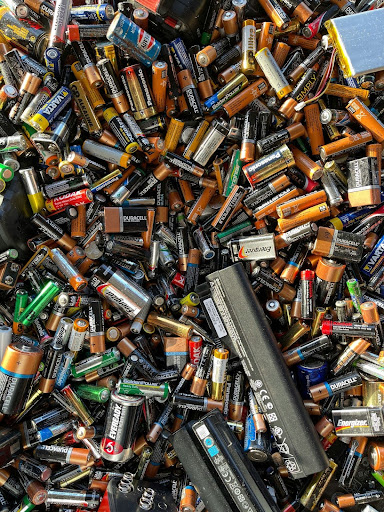
Photo by John Cameron
In a world increasingly conscious of environmental protection, recycling remains a crucial practice. Yet, many well-meaning individuals may be inadvertently hampering their recycling efforts by including items that should never be placed in the recycling bin. Here are the top five things you should never recycle, based on insights from JD Ambati, Founder & CEO of EverestLabs.
1. Batteries
Batteries pose a significant challenge for recycling facilities due to their potential to cause fires when discarded improperly. These fires not only endanger the lives of waste and recycling workers but can also lead to prolonged shutdowns or even the complete destruction of facilities. Different types of batteries, from alkaline to lithium-ion, require specific disposal methods. To prevent such hazards, it’s vital to consult your local government or waste service provider’s website for the recommended disposal practices in your community.
2. Tangling Items
Items such as hoses, extension cords, and holiday lights might seem recyclable due to their materials, but they belong in the trash. Their length and flexibility cause them to wrap around other items and machinery, leading to significant disruptions in the recycling process. These tangling items can damage equipment and result in facility shutdowns, making them a considerable hindrance to recycling operations.
3. Sharp Objects and Medical Waste
Sharp objects like needles, knives, and hangers, along with medical waste, are not only non-recyclable but also pose severe safety hazards. These items can injure workers and contaminate other recyclable materials. Proper disposal of sharp objects and medical waste typically involves specific medical disposal boxes or drop-off locations. It is crucial to handle these items with care to ensure the safety of everyone involved in the recycling process.
4. Ceramics
Old kitchen plates, dishware, and other ceramic items should not be placed in your recycling bin. Unlike glass bottles and jars, ceramics are made from different materials that are not compatible with standard recycling processes. The inclusion of ceramics can contaminate other recyclable materials and complicate the recycling process. Instead, consider donating usable ceramics or disposing of them in your regular trash.
5. Electronic Waste
Electronic waste (e-waste) encompasses items like old computers, phones, and other electronics. E-waste contains various toxic and hazardous chemicals that require special handling. These materials can be harmful if not managed correctly, posing environmental and health risks. Because of this, e-waste should not be placed in your garbage or recycling bin. Look for organizations or recycling programs in your area that specialize in the recovery and proper disposal of electronic items.
The Evolution of Recycling with Technology
The recycling industry is continuously evolving, and innovations in technology are playing a pivotal role. EverestLabs, for instance, is revolutionizing the industry by using artificial intelligence (AI) and robotics to make the recycling process more efficient. These advancements help in better sorting and processing of recyclable materials, reducing contamination and improving overall efficiency.
Taking Responsibility
Being environmentally friendly goes beyond just tossing items into a recycling bin. It’s about being informed and taking accountability for our waste. By understanding what cannot be recycled, we can significantly improve our recycling efforts and contribute to a healthier planet.
In summary, proper recycling involves more than just knowing what to recycle—it’s equally important to know what should never be placed in your recycling bin. Batteries, tangling items, sharp objects and medical waste, ceramics, and electronic waste all have specific disposal requirements that must be followed to ensure safety and efficiency in recycling processes. As we strive to protect the environment, let’s stay informed and make mindful choices about our waste.


Prosecutors Say Jason Finkelstein Spent 11 Seconds Reviewing Cardiac Images Before Clearing a Teenage Athlete

Prosecutors Say Jason Finkelstein Spent 11 Seconds Reviewing Cardiac Images Before Clearing a Teenage Athlete
Prosecutors Say Jason Finkelstein Spent 11 Seconds Reviewing Cardiac Images Before Clearing a Teenage Athlete
Prosecutors Say Jason Finkelstein Spent 11 Seconds Reviewing Cardiac Images Before Clearing a Teenage Athlete

Prosecutors Say Jason Finkelstein Spent 11 Seconds Reviewing Cardiac Images Before Clearing a Teenage Athlete
Prosecutors Say Jason Finkelstein Spent 11 Seconds Reviewing Cardiac Images Before Clearing a Teenage Athlete

Prosecutors Say Jason Finkelstein Spent 11 Seconds Reviewing Cardiac Images Before Clearing a Teenage Athlete
Prosecutors Say Jason Finkelstein Spent 11 Seconds Reviewing Cardiac Images Before Clearing a Teenage Athlete
Prosecutors Say Jason Finkelstein Spent 11 Seconds Reviewing Cardiac Images Before Clearing a Teenage Athlete

Prosecutors Say Jason Finkelstein Spent 11 Seconds Reviewing Cardiac Images Before Clearing a Teenage Athlete
Prosecutors Say Jason Finkelstein Spent 11 Seconds Reviewing Cardiac Images Before Clearing a Teenage Athlete
Prosecutors Say Jason Finkelstein Spent 11 Seconds Reviewing Cardiac Images Before Clearing a Teenage Athlete
Prosecutors Say Jason Finkelstein Spent 11 Seconds Reviewing Cardiac Images Before Clearing a Teenage Athlete

Prosecutors Say Jason Finkelstein Spent 11 Seconds Reviewing Cardiac Images Before Clearing a Teenage Athlete
Prosecutors Say Jason Finkelstein Spent 11 Seconds Reviewing Cardiac Images Before Clearing a Teenage Athlete

-
Alternative Energy4 days ago
Brian Rowan’s Possible Defense: No Intent, No Control, No Fraud, Just Sales
-
Alternative Energy4 days ago
Federal Grand Jury Indicts Oren Shachar in Hospice Fraud Case
-
Business3 days ago
How Darrell Seale Builds High-Performing Teams Through Service-Based Leadership
-
Education3 days ago
Daniel Cullen Delafield on Bridging Executive Leadership and Skilled Trades Development
-

 News1 day ago
Prosecutors Say Jason Finkelstein Spent 11 Seconds Reviewing Cardiac Images Before Clearing a Teenage Athlete
-
News1 day ago
Prosecutors Say Jason Finkelstein Spent 11 Seconds Reviewing Cardiac Images Before Clearing a Teenage Athlete
-
News1 day ago
Prosecutors Say Jason Finkelstein Spent 11 Seconds Reviewing Cardiac Images Before Clearing a Teenage Athlete
-
News1 day ago
Prosecutors Say Jason Finkelstein Spent 11 Seconds Reviewing Cardiac Images Before Clearing a Teenage Athlete