
Alternative Energy
Understanding How Electronic Waste Affects the Environment


Ever wonder what happens to your old phone or computer when you toss it? Well, it turns out that all those discarded gadgets, what we call electronic waste or e-waste, are causing some serious problems for our planet. It’s not just about filling up landfills; there are bigger, more hidden dangers involved. So, how does electronic waste affect the environment? Let’s take a look at how this growing pile of tech trash is impacting our world.
Key Takeaways
- E-waste is growing fast, with billions of pounds generated each year, and only a small part of it gets properly recycled.
- When e-waste isn’t handled right, harmful stuff like lead and mercury can get into our soil, water, and air, making things unhealthy for everyone.
- Making new electronics uses a lot of energy and resources, and when old ones are thrown away, it just makes the problem worse for climate change.
- Many electronic items contain dangerous chemicals that can hurt people and the environment, especially when they’re recycled in unsafe ways.
- We need better ways to manage e-waste, like making electronics last longer and recycling materials more effectively, to protect our planet.
The Growing Threat of Electronic Waste
Defining Electronic Waste
Okay, so what is e-waste exactly? It’s all those old phones, computers, TVs, and other electronic gadgets that we toss out when they’re no longer useful. The UN says if it has a battery or a plug, it’s probably e-waste. The problem is that these devices contain some nasty stuff, like mercury, that can really mess with the environment and our health. Think of it as the digital age’s trash – and there’s a lot of it.
The Rapid Increase in E-Waste Generation
E-waste is growing like crazy. We’re buying more electronics than ever, and we’re upgrading them more often. It’s just how things are now. This means a constant stream of old devices heading for the trash. It’s a snowball effect, and it’s getting bigger every year. The amount of green bio chemicals needed to process this waste is also increasing.
Global E-Waste Statistics
Here’s where it gets a little scary. The numbers are huge. In 2022, the world generated 62 billion kg of e-waste. That’s like 7.8 kg for every person on the planet! And get this: only a small fraction of that – around 22.3% – was properly collected and recycled. The rest? Who knows! Probably sitting in landfills or being illegally dumped. It’s a massive waste of resources and a huge environmental problem. We need to do better with electronic devices.
Environmental Contamination from E-Waste
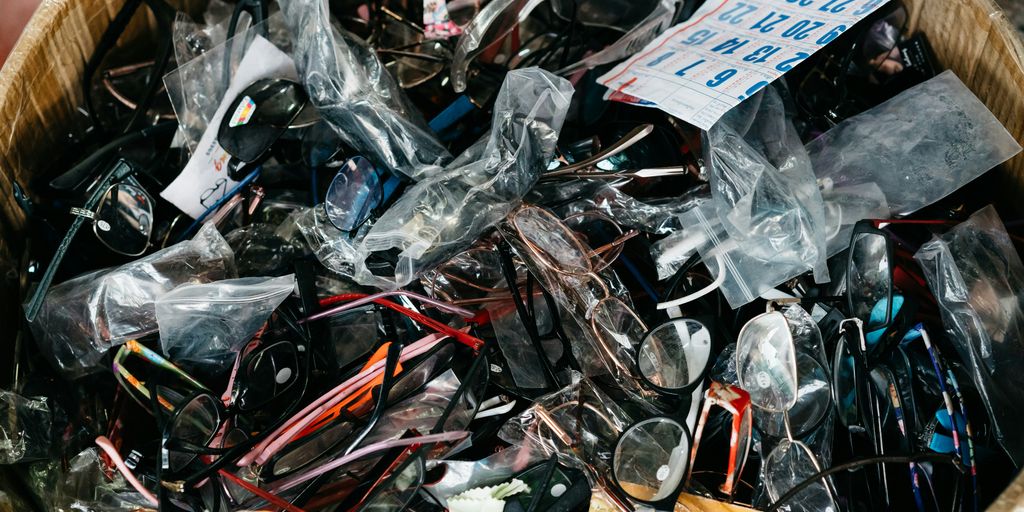
E-waste isn’t just a pile of old gadgets; it’s a serious environmental hazard. The way we currently handle electronic waste leads to significant contamination of our soil, water, and air. It’s a problem that’s only getting worse as we produce and discard more electronics.
Soil and Water Pollution
When e-waste ends up in landfills, it doesn’t just sit there harmlessly. Harmful substances leach into the ground, contaminating the soil and eventually seeping into our groundwater. This can have devastating effects on local ecosystems and even human health. Imagine heavy metals like lead and mercury making their way into the water we drink. It’s a scary thought, and it’s happening more often than we’d like to admit. Soil contamination inspection is crucial to prevent further damage.
Air Contamination from Burning E-Waste
In many parts of the world, e-waste is burned in open fires to recover valuable materials. This practice releases a cocktail of toxic chemicals into the air, including dioxins and furans. These pollutants can cause respiratory problems, cancer, and other serious health issues. It’s a particularly big problem in developing countries where environmental regulations are often weak or non-existent. The fumes created by open burning are considered the most hazardous activities.
Toxic Chemical Leaching
E-waste contains a whole host of toxic chemicals, many of which are known to be harmful to human health and the environment. These chemicals can leach out of discarded electronics over time, contaminating the surrounding soil and water. Some of the most common culprits include lead, mercury, cadmium, and brominated flame retardants. These substances can persist in the environment for years, posing a long-term threat to ecosystems and human populations. It’s a complex problem with no easy solutions, but we need to start taking it more seriously. The Global E-waste Monitor 2024 highlights the urgent need for better e-waste management.
Impact on Climate Change
E-waste’s impact on climate change is more significant than many people realize. It’s not just about the physical waste piling up; it’s about the entire lifecycle of electronics, from manufacturing to disposal. Let’s break down the key ways e-waste contributes to our changing climate.
Greenhouse Gas Emissions from E-Waste
Okay, so here’s the deal. When e-waste ends up in landfills (which, let’s be honest, is way too often), it starts to decompose. This process releases greenhouse gases, like methane, which are way more potent than carbon dioxide when it comes to trapping heat in the atmosphere. Plus, if e-waste is incinerated, it releases even more harmful gases and particulate matter into the air. And it’s not just the obvious stuff like old computers; refrigerants in discarded appliances are a HUGE problem because they’re direct sources of potent GHGs. China’s WEEE recycling reduces greenhouse gas emissions, but current methods don’t fully capture the benefits.
Increased Demand for New Devices
Think about it: when your phone breaks or your laptop dies, what’s the first thing you do? Probably buy a new one, right? This constant cycle of consumption drives up the demand for new electronics. And guess what? Manufacturing these devices requires a ton of energy and resources. Mining for raw materials, processing them, and assembling the final product all contribute to greenhouse gas emissions. So, the more we consume, the bigger the carbon footprint.
Energy Consumption in Manufacturing
Let’s talk numbers for a second. The energy needed to manufacture a single smartphone is pretty wild. It involves a complex supply chain, global transportation, and energy-intensive processes. All of this adds up. The manufacturing process for electronics is a significant contributor to global energy consumption, and a large portion of that energy still comes from fossil fuels. So, every new gadget we buy has a hidden carbon cost that we need to consider. It’s a bit of a bummer, but being aware of it is the first step to making better choices.
Hazardous Substances in E-Waste
E-waste is a cocktail of dangerous stuff. When electronics hit the end of their life, they can release a bunch of toxic elements into the environment. It’s not just about the volume of e-waste, but also what’s in it that makes it such a problem.
Common Toxic Elements
Electronic devices contain a surprising number of hazardous materials. We’re talking about stuff like lead, mercury, cadmium, beryllium, and brominated flame retardants (BFRs). These aren’t just abstract dangers; they can seriously mess with human health and the environment. For example, lead can cause neurological damage, especially in children, while mercury is a potent neurotoxin that can accumulate in the food chain.
Here’s a quick rundown of some common offenders:
- Lead: Found in solder, batteries, and CRT monitors. Affects the nervous system and kidneys.
- Mercury: Used in LCD backlights and batteries. Damages the brain and kidneys.
- Cadmium: Present in rechargeable batteries and some electronic components. Linked to kidney damage and cancer.
- Beryllium: Used in connectors and circuit boards. A known carcinogen.
- Brominated Flame Retardants (BFRs): Added to plastics to prevent fires. Can disrupt hormones and cause developmental problems.
Risks from Informal Recycling Practices
One of the biggest issues is how e-waste is handled in many parts of the world. Informal recycling, where people try to recover valuable materials without proper equipment or safety measures, is super risky. Things like open burning and acid leaching are common, and they release a ton of toxins into the air, soil, and water. Soil contamination inspection is a must to prevent further damage.
These practices expose workers, including women and children, to high levels of contaminants. The ILO and WHO estimate that millions of women and child laborers working in the informal recycling sector globally may be at risk of hazardous e-waste exposures. The health effects can be devastating, including cancers, miscarriages, neurological damage, and diminished IQs.
Non-Biodegradable Nature of E-Waste
Another big problem? E-waste doesn’t just break down over time. Unlike organic waste, most electronic components are non-biodegradable. They stick around in the environment for ages, slowly releasing toxins. This means that the problem just keeps getting worse as more and more electronics are discarded. The improper handling of e-waste is resulting in a significant loss of scarce and valuable raw materials. We need to think about worker safety and responsible processing to minimize the environmental impact.
Challenges in E-Waste Management
Low Global Recycling Rates
Okay, so here’s the deal: we’re making a ton of e-waste, like, way more than we used to. And the crazy thing is, most of it isn’t even getting recycled. We’re talking about a mountain of discarded phones, computers, and appliances just piling up. The Global E-waste Monitor says that in 2022, we made 62 billion kg of e-waste, but only 22.3% was properly recycled. That’s a huge gap, and it means we’re missing out on valuable materials and letting all those nasty chemicals leach into the environment. It’s a problem that needs some serious attention.
Illegal Trade and Dumping
It’s not just that we’re not recycling enough; a lot of e-waste is being traded illegally or just dumped in developing countries. It’s cheaper to ship it off somewhere else than to deal with it properly at home. This is a major issue because these countries often lack the infrastructure and regulations to handle e-waste safely. People end up burning it or dismantling it in really dangerous ways to get at the valuable metals, which releases toxic fumes and contaminates the soil and water. The environmental threat is real, and it’s hitting the most vulnerable populations the hardest. A UNEP report estimated that 60-90% of the world’s electronic waste, worth nearly USD 19 billion, is illegally traded or dumped each year. It’s a mess.
Difficulties in Material Recovery
Even when e-waste does make it to a recycling facility, getting the materials out isn’t always easy. E-waste is a complex mix of different materials, some valuable, some hazardous. Separating them is tricky and expensive. Plus, some of the rare earth minerals are really hard to extract, even with advanced technology. For example, cobalt recovery rates are only around 30%, even though we have the tech to get 95%. This means we’re losing out on valuable resources and creating more waste in the process. We need better methods for sustainable design and material recovery to make e-waste recycling more efficient and cost-effective.
Promoting a Circular Economy for Electronics
It’s easy to think of e-waste as just a problem that pops up after we’re done using our gadgets, but it’s way bigger than that. We need a whole new way of looking at how we make and use electronics. Everyone from the people who dig up the raw materials to the folks who make the policies has a part to play. We need to cut down on waste, keep the stuff we already have in use for longer, and make sure things can be fixed, reused, and recycled.
Extending Device Lifespan
Honestly, the easiest thing we can do is just keep our stuff longer. If you can get twice as much use out of your phone or laptop, you’re already making a big difference. That means manufacturers need to build things that last, and that are easy to repair. I remember when you could actually open up your phone and replace the battery yourself! Now everything is glued shut. We need to go back to making things that are built to last, not built to be replaced every two years. Research shows that increasing the lifespan of electronics can really cut down on greenhouse gas emissions.
Importance of Sustainable Design
Think about it: what if from the very beginning, electronics were designed to be easily taken apart and recycled? What if companies used less toxic stuff in the first place? That’s what sustainable design is all about. It means thinking about the whole lifecycle of a product, not just how it looks on the shelf. It’s about making sure that when something is no longer useful, its parts can be easily recovered and reused. This also means using recycled materials in new products, which creates a demand for AI in recycling and helps close the loop.
Recovering Valuable Materials
E-waste is like a treasure trove of valuable materials – gold, silver, copper, and rare earth elements. But right now, we’re mostly just throwing that treasure away. We need better ways to get those materials back. That means investing in better recycling technology and making sure that recycling is done safely and responsibly. It also means cracking down on illegal dumping, where valuable materials are lost and the environment gets trashed. If we can get better at recovering these materials, we can reduce our need to mine for new ones, which is a huge win for the planet.
Wrapping Things Up
So, we’ve talked a lot about how electronic waste messes with our planet. It’s pretty clear that when we just toss out our old gadgets, it causes a bunch of problems, like nasty chemicals getting into the ground and air, and even making climate change worse. It’s not just about what happens after we throw stuff away, either; making new electronics uses up a ton of energy and resources. But hey, it’s not all bad news! We can actually do something about this. Keeping our electronics working longer, fixing them instead of replacing them, and making sure they get recycled the right way are all big steps. It’s going to take everyone pitching in, from the folks who make these things to us, the people who use them. Every little bit helps to keep our environment cleaner and healthier for everyone.




Prosecutors Say Jason Finkelstein Spent 11 Seconds Reviewing Cardiac Images Before Clearing a Teenage Athlete

Prosecutors Say Jason Finkelstein Spent 11 Seconds Reviewing Cardiac Images Before Clearing a Teenage Athlete
Prosecutors Say Jason Finkelstein Spent 11 Seconds Reviewing Cardiac Images Before Clearing a Teenage Athlete
Prosecutors Say Jason Finkelstein Spent 11 Seconds Reviewing Cardiac Images Before Clearing a Teenage Athlete

Prosecutors Say Jason Finkelstein Spent 11 Seconds Reviewing Cardiac Images Before Clearing a Teenage Athlete
Prosecutors Say Jason Finkelstein Spent 11 Seconds Reviewing Cardiac Images Before Clearing a Teenage Athlete

Prosecutors Say Jason Finkelstein Spent 11 Seconds Reviewing Cardiac Images Before Clearing a Teenage Athlete
Prosecutors Say Jason Finkelstein Spent 11 Seconds Reviewing Cardiac Images Before Clearing a Teenage Athlete
Prosecutors Say Jason Finkelstein Spent 11 Seconds Reviewing Cardiac Images Before Clearing a Teenage Athlete

Prosecutors Say Jason Finkelstein Spent 11 Seconds Reviewing Cardiac Images Before Clearing a Teenage Athlete
Prosecutors Say Jason Finkelstein Spent 11 Seconds Reviewing Cardiac Images Before Clearing a Teenage Athlete
Prosecutors Say Jason Finkelstein Spent 11 Seconds Reviewing Cardiac Images Before Clearing a Teenage Athlete
Prosecutors Say Jason Finkelstein Spent 11 Seconds Reviewing Cardiac Images Before Clearing a Teenage Athlete

Prosecutors Say Jason Finkelstein Spent 11 Seconds Reviewing Cardiac Images Before Clearing a Teenage Athlete
Prosecutors Say Jason Finkelstein Spent 11 Seconds Reviewing Cardiac Images Before Clearing a Teenage Athlete

-
Alternative Energy5 days ago
Brian Rowan’s Possible Defense: No Intent, No Control, No Fraud, Just Sales
-
Alternative Energy5 days ago
Federal Grand Jury Indicts Oren Shachar in Hospice Fraud Case
-
Business4 days ago
How Darrell Seale Builds High-Performing Teams Through Service-Based Leadership
-
Education4 days ago
Daniel Cullen Delafield on Bridging Executive Leadership and Skilled Trades Development
-

 News2 days ago
Prosecutors Say Jason Finkelstein Spent 11 Seconds Reviewing Cardiac Images Before Clearing a Teenage Athlete
-
News2 days ago
Prosecutors Say Jason Finkelstein Spent 11 Seconds Reviewing Cardiac Images Before Clearing a Teenage Athlete
-
News2 days ago
Prosecutors Say Jason Finkelstein Spent 11 Seconds Reviewing Cardiac Images Before Clearing a Teenage Athlete
-
News2 days ago
Prosecutors Say Jason Finkelstein Spent 11 Seconds Reviewing Cardiac Images Before Clearing a Teenage Athlete