
Education
The Latest Technology in Education News: Innovations Shaping Tomorrow’s Classrooms


The world of education is always changing, and technology is a big reason why. We’re seeing lots of new things pop up, from how teachers teach to how students learn. This article will look at some of the latest developments in technology in education news. We’ll explore what’s happening now and what might be coming next, showing how these changes are making classrooms different and getting students ready for the future.
Key Takeaways
- Current classrooms use devices like tablets and laptops, along with interactive whiteboards, to help students learn.
- New technologies, like virtual worlds and AI, are set to change how we learn, making things more hands-on.
- Technology lets learning be more personal, with custom paths for each student, and helps connect classrooms worldwide.
- Future teaching will use data to help teachers and teach students how to think and solve problems.
- Technology helps make sure everyone can learn, no matter their background, by providing helpful tools and resources.
Current Technology in Education News: Foundational Tools
Tablets and Laptops in Every Classroom
It’s easy to take them for granted now, but tablets and laptops have become essential tools in modern classrooms. The shift towards widespread device use has transformed how students access information and complete assignments. Many schools now operate under either a "bring your own device" (BYOD) policy or provide school-owned devices to each student. This ensures that all students have access to the digital resources they need. In 2023, a large percentage of students reported using a device in the classroom. Educators should prioritize teaching essential technology-based skills to students.
Interactive Whiteboards and Smart Displays
Interactive whiteboards and smart displays have replaced traditional chalkboards in many schools. These tools allow teachers to present dynamic lessons, incorporate multimedia content, and engage students in interactive activities. They also facilitate collaboration, as multiple students can interact with the display simultaneously. The use of interactive whiteboards can lead to more engaging and effective learning experiences. Here’s a quick look at the benefits:
- Increased student engagement
- Improved collaboration
- Enhanced visual learning
Video Conferencing Tools for Enhanced Learning
Video conferencing tools, like Zoom and Google Meet, have become increasingly important in education. While initially popularized by the pandemic, they now serve a variety of purposes beyond remote learning. Teachers use them for virtual field trips, guest lectures, and professional development. These tools also offer features like virtual whiteboards and screen sharing, making lessons more interactive. They are a great way to connect with digital platforms that offer supplementary courses and material.
Emerging Technology in Education News: Shaping Tomorrow’s Classrooms
The Next Internet: Immersive Virtual Worlds
Okay, so the "next internet" sounds super futuristic, right? But it’s closer than you think. We’re talking about immersive virtual worlds where students can actually experience things instead of just reading about them. Imagine history class where you’re walking through ancient Rome, or biology where you can shrink down and explore a cell. This kind of experiential learning could seriously change how students engage with the material. The European Commission is already thinking about how faster networks will make this possible. It’s not just about gaming; it’s about creating educational experiences that are way more engaging and memorable.
Artificial Intelligence and Machine Learning in Education
AI and machine learning (ML) are making waves everywhere, and education is no exception. Think personalized learning plans that adapt to each student’s pace and style. AI could analyze student performance data to identify areas where they’re struggling and then provide targeted support. It could also automate tasks like grading, freeing up teachers to focus on individual student needs. It’s not about replacing teachers, but about giving them powerful tools to improve teaching and learning. The EdTech market is projected to grow significantly, with AI playing a big role.
Virtual and Augmented Reality for Experiential Learning
VR and AR are stepping up the game when it comes to hands-on learning. Forget textbooks – imagine dissecting a virtual frog without the formaldehyde smell, or building a virtual bridge to learn about engineering principles. VR can create fully immersive environments, while AR can overlay digital information onto the real world. This means students can visualize complex processes and conduct experiments without needing expensive lab equipment. It’s about making learning more interactive, engaging, and accessible.
Here’s a quick look at how VR/AR could be used across different subjects:
- Science: Virtual dissections, exploring the solar system
- History: Immersive historical reenactments, visiting ancient civilizations
- Geography: Virtual field trips to remote locations, exploring different ecosystems
Transforming Learning Experiences with Technology in Education News
Technology is really changing how we learn. It’s not just about using computers anymore; it’s about making learning more personal, engaging, and effective. These changes are helping students connect with what they’re learning in ways that weren’t possible before.
Personalized Learning Paths Driven by AI
AI is making it possible to create learning experiences that are tailored to each student’s needs. Instead of everyone learning the same thing at the same pace, AI can analyze how a student learns and adjust the material accordingly. This means students can focus on areas where they need help and move faster through topics they understand well. It’s like having a personal tutor that adapts to you. This is a big step up from the "one-size-fits-all" approach. For example, technology for teaching and learning can adapt to the student’s pace.
Immersive Simulations and Virtual Field Trips
Imagine visiting ancient Rome or exploring the Amazon rainforest without leaving your classroom. That’s the power of immersive simulations and virtual field trips. Using virtual reality (VR) and augmented reality (AR), students can experience things firsthand that would otherwise be impossible. This makes learning more memorable and engaging. It’s not just reading about something in a textbook; it’s actually seeing it and interacting with it. Think about how much more exciting history class would be if you could actually walk through a virtual Colosseum.
Global Classrooms and Cross-Cultural Collaboration
Technology is also breaking down geographical barriers and connecting students from different countries. Through video conferencing and online collaboration tools, students can work on projects together, share ideas, and learn about different cultures. This helps them develop important skills like communication, collaboration, and cultural awareness. It’s preparing them to be global citizens who can work with people from all over the world. The rise of online learning has made this easier than ever.
The Future of Pedagogy: Technology in Education News
What’s next for teaching? It’s a big question, and tech is a huge part of the answer. We’re not just talking about replacing textbooks with tablets; it’s about changing how we teach and learn. The global EdTech market is expected to keep growing, so let’s look at how that growth will impact pedagogy.
Adaptive Learning Systems for Individual Needs
Imagine a system that adjusts to each student’s pace and style. That’s the promise of adaptive learning. These systems use algorithms to figure out what a student knows and what they need to work on next. It’s like having a personal tutor for every student, but without the hefty price tag. These systems can identify knowledge gaps and provide targeted support, ensuring no student is left behind. It’s not a perfect solution, but it’s a step toward more personalized education. For example, a student struggling with fractions might get extra practice problems, while a student who understands the concept can move on to more advanced topics. This personalized learning approach helps students stay engaged and motivated, because they’re always working on something that’s challenging but not overwhelming.
Data-Driven Insights for Teacher Effectiveness
Teachers are always looking for ways to improve, and data can help. By analyzing student performance, attendance, and engagement, teachers can get a better understanding of what’s working and what’s not. This isn’t about micromanaging teachers; it’s about giving them the tools they need to make informed decisions. For instance, if a teacher notices that many students are struggling with a particular concept, they can adjust their teaching methods or provide additional support. Data can also help teachers identify students who may be falling behind or who need extra help. It’s about using data to support teachers and improve student outcomes. Here’s a simple example of how data might be used:
| Data Point | Insight |
|---|---|
| Low Test Scores | Students need more help with the material |
| Poor Attendance | Student may be disengaged |
| Lack of Engagement | Teaching methods may need adjustment |
Fostering Critical Thinking and Problem-Solving Skills
It’s not enough to just memorize facts; students need to be able to think critically and solve problems. Technology can play a big role in developing these skills. Online simulations, virtual labs, and interactive games can provide students with opportunities to apply their knowledge in real-world scenarios. These tools can also help students develop collaboration and communication skills, as they work together to solve problems. The goal is to prepare students for the challenges of the 21st century, where critical thinking and problem-solving are essential skills. Here are some ways technology can help:
- Providing access to a wide range of information and resources
- Creating opportunities for collaboration and communication
- Simulating real-world scenarios and problems
- Encouraging experimentation and exploration
Accessibility and Inclusivity Through Technology in Education News
Breaking Down Barriers with Digital Resources
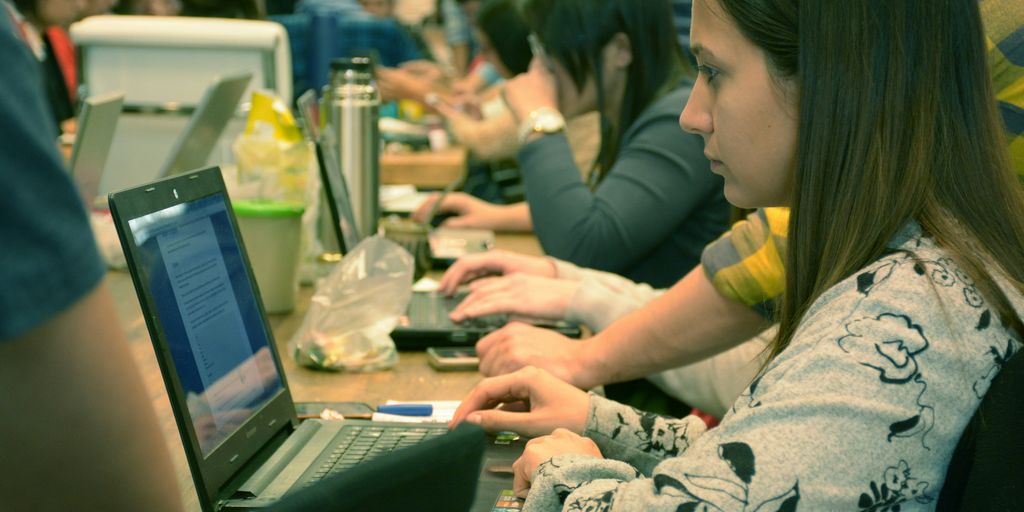
It’s wild how much tech can help level the playing field. Think about it: students who struggle with traditional textbooks can now use screen readers, text-to-speech software, and adjustable font sizes. Digital resources are making education more accessible than ever before. It’s not just about convenience; it’s about giving everyone a fair shot. I remember when I was in school, kids with learning differences were often left behind, but now, there are so many tools to help them succeed. The shift to digital has also opened up access to a wider range of educational materials, like online learning platforms and interactive simulations, which can be tailored to different learning styles.
Supporting Diverse Learners with Assistive Technologies
Assistive tech is a game-changer. We’re talking about everything from specialized keyboards and voice recognition software to adaptive learning programs that adjust to a student’s pace and needs. These tools aren’t just add-ons; they’re integral to creating an inclusive classroom. It’s about recognizing that every student learns differently and providing the support they need to thrive. I saw a presentation recently about how AI is being used to create personalized learning experiences for students with disabilities, and it was mind-blowing. It’s not just about making things easier; it’s about fostering critical thinking and independence.
Ensuring Equitable Access to Educational Tools
Okay, so we have all these amazing technologies, but what if some students can’t get their hands on them? That’s where equitable access comes in. It’s not enough to just develop the tools; we need to make sure everyone has the opportunity to use them. This means addressing the digital divide, providing funding for schools in underserved communities, and offering training for teachers on how to use these technologies effectively. It’s a big challenge, but it’s essential if we want to create a truly inclusive education system. Think about the cost of devices, internet access, and software licenses – it adds up quickly. We need policies and programs that ensure that all students, regardless of their background or location, have equal access to the resources they need to succeed. It’s about more than just technology; it’s about social justice.
Innovative Learning Models: Technology in Education News
The Rise of Online Learning Platforms
Online learning platforms have exploded in popularity, and it’s not just a pandemic thing anymore. Many students now prefer the flexibility and convenience of learning from anywhere. These platforms are constantly evolving, offering a wider range of courses, interactive tools, and ways to connect with instructors and classmates. It’s interesting to see how online learning is changing the game for education.
Hybrid Learning Approaches for Flexibility
Hybrid learning is becoming a popular option, mixing traditional classroom instruction with online components. This approach gives students the best of both worlds: face-to-face interaction and the freedom to learn at their own pace. It’s especially helpful for students who have other commitments or who learn better in a more flexible environment. Here are some benefits of hybrid learning:
- Increased flexibility for students and teachers
- Personalized learning experiences
- Access to a wider range of resources
Blended Learning Environments for Engagement
Blended learning takes things a step further by fully integrating technology into the classroom experience. It’s not just about using computers for certain activities; it’s about rethinking how lessons are designed and delivered. This model uses tech to make learning more interactive and engaging. Think virtual field trips, collaborative projects using online tools, and personalized learning paths. It’s all about creating a dynamic learning environment. Here’s a quick comparison:
| Feature | Traditional Learning | Blended Learning |
|---|---|---|
| Instruction | Primarily lecture | Varied methods |
| Technology Use | Limited | Integrated |
| Student Engagement | Passive | Active |
Blended learning is really about finding the right mix of tech integration and traditional teaching to meet the needs of all students.
Preparing Educators for the Future: Technology in Education News
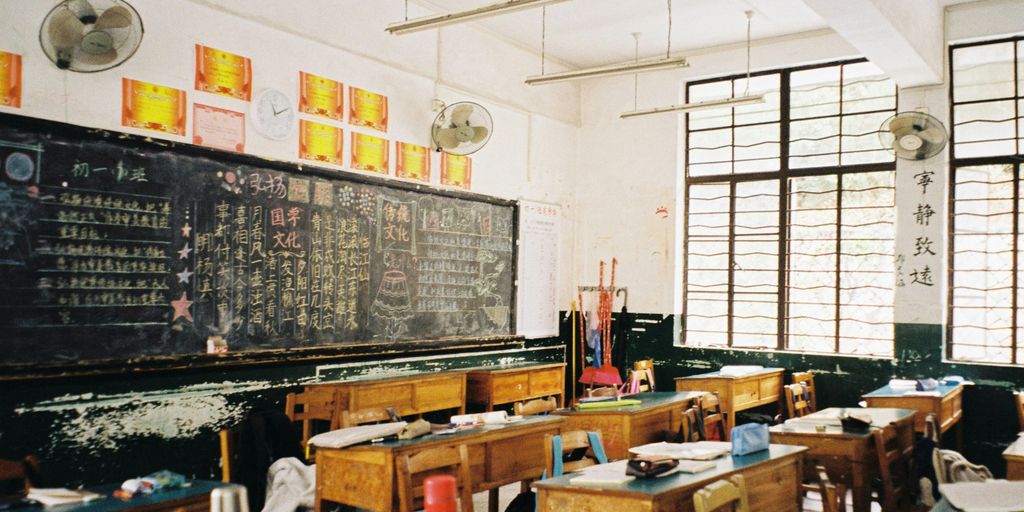
The world of education is changing fast, and it’s not just about the students. Teachers need to keep up too! It’s about more than just knowing how to turn on a computer; it’s about understanding how technology can change the way we teach and how students learn. It’s a big shift, but it’s also a chance to make education better for everyone. The key is for educators to embrace these changes and see them as opportunities for growth.
Professional Development in Digital Literacy
Think back to when you first learned to use a smartphone. It probably took some time, right? It’s the same with new educational tech. Schools need to invest in digital literacy for their teachers. This isn’t just about showing them how to use a specific program. It’s about giving them a solid understanding of how different technologies work and how they can be used effectively in the classroom. Workshops, online courses, and even peer mentoring programs can all play a role. It’s about creating a culture of continuous learning, where teachers feel supported in exploring new tools and techniques.
Integrating Technology into Curriculum Design
It’s not enough to just throw technology into the classroom and hope for the best. It needs to be carefully integrated into the curriculum. This means thinking about how technology can enhance existing lessons and activities, not just replace them. For example, instead of just reading about the solar system in a textbook, students could use a virtual reality app to take a virtual field trip to space. Teachers need to be able to design lessons that take advantage of the unique capabilities of technology to create more engaging and effective learning experiences. It’s about finding the right balance between traditional teaching methods and new technologies.
Cultivating Communication and Collaboration Skills
Technology can also help teachers improve their communication and collaboration skills. Online platforms and tools can make it easier for teachers to connect with each other, share ideas, and collaborate on projects. This can be especially helpful for teachers who are working in isolated or rural areas. Technology can also help teachers communicate more effectively with parents and students. Online portals and messaging apps can make it easier to share information, provide feedback, and answer questions. It’s about using technology to build stronger relationships and create a more supportive learning environment. Here’s a quick look at how tech can help:
- Improved Communication: Instant messaging, email, and video conferencing facilitate quick and easy communication between teachers, students, and parents.
- Enhanced Collaboration: Shared documents, project management tools, and online forums enable teachers to work together on curriculum development and share best practices.
- Increased Engagement: Interactive whiteboards, online quizzes, and educational games can make lessons more engaging and interactive for students.
Conclusion
So, what’s the big takeaway here? It’s pretty clear that technology is changing how we learn and teach, and it’s happening fast. We’ve gone from basic devices to things like AI and virtual reality, which are making classrooms way more interesting. This isn’t just about cool gadgets, though. It’s about making learning better for everyone, no matter where they are or how they learn. Teachers are finding new ways to do things, and students are getting experiences that were impossible before. The future of education looks like a mix of smart tools and new ideas, all working together to help people learn and grow. It’s an exciting time to be involved in education, that’s for sure.




Prosecutors Say Jason Finkelstein Spent 11 Seconds Reviewing Cardiac Images Before Clearing a Teenage Athlete

Prosecutors Say Jason Finkelstein Spent 11 Seconds Reviewing Cardiac Images Before Clearing a Teenage Athlete
Prosecutors Say Jason Finkelstein Spent 11 Seconds Reviewing Cardiac Images Before Clearing a Teenage Athlete
Prosecutors Say Jason Finkelstein Spent 11 Seconds Reviewing Cardiac Images Before Clearing a Teenage Athlete

Prosecutors Say Jason Finkelstein Spent 11 Seconds Reviewing Cardiac Images Before Clearing a Teenage Athlete
Prosecutors Say Jason Finkelstein Spent 11 Seconds Reviewing Cardiac Images Before Clearing a Teenage Athlete

Prosecutors Say Jason Finkelstein Spent 11 Seconds Reviewing Cardiac Images Before Clearing a Teenage Athlete
Prosecutors Say Jason Finkelstein Spent 11 Seconds Reviewing Cardiac Images Before Clearing a Teenage Athlete
Prosecutors Say Jason Finkelstein Spent 11 Seconds Reviewing Cardiac Images Before Clearing a Teenage Athlete

Prosecutors Say Jason Finkelstein Spent 11 Seconds Reviewing Cardiac Images Before Clearing a Teenage Athlete
Prosecutors Say Jason Finkelstein Spent 11 Seconds Reviewing Cardiac Images Before Clearing a Teenage Athlete
Prosecutors Say Jason Finkelstein Spent 11 Seconds Reviewing Cardiac Images Before Clearing a Teenage Athlete
Prosecutors Say Jason Finkelstein Spent 11 Seconds Reviewing Cardiac Images Before Clearing a Teenage Athlete

Prosecutors Say Jason Finkelstein Spent 11 Seconds Reviewing Cardiac Images Before Clearing a Teenage Athlete
Prosecutors Say Jason Finkelstein Spent 11 Seconds Reviewing Cardiac Images Before Clearing a Teenage Athlete

-
Alternative Energy4 days ago
Brian Rowan’s Possible Defense: No Intent, No Control, No Fraud, Just Sales
-
Alternative Energy4 days ago
Federal Grand Jury Indicts Oren Shachar in Hospice Fraud Case
-
Business3 days ago
How Darrell Seale Builds High-Performing Teams Through Service-Based Leadership
-
Education3 days ago
Daniel Cullen Delafield on Bridging Executive Leadership and Skilled Trades Development
-

 News1 day ago
Prosecutors Say Jason Finkelstein Spent 11 Seconds Reviewing Cardiac Images Before Clearing a Teenage Athlete
-
News1 day ago
Prosecutors Say Jason Finkelstein Spent 11 Seconds Reviewing Cardiac Images Before Clearing a Teenage Athlete
-
News1 day ago
Prosecutors Say Jason Finkelstein Spent 11 Seconds Reviewing Cardiac Images Before Clearing a Teenage Athlete
-
News1 day ago
Prosecutors Say Jason Finkelstein Spent 11 Seconds Reviewing Cardiac Images Before Clearing a Teenage Athlete