
News
Visa Waiver USA Essentials: How to Apply for ESTA and Travel with Confidence


If you’ve been thinking about a trip to the U.S. and you’re from a qualifying country, the visa waiver usa program might be your fastest route. It skips the visa stuff and keeps things simple. I’ll walk you through why it’s there, how to fill out your ESTA, and what to check so you don’t end up in trouble at the border.
Key Takeaways
- The visa waiver usa program lets eligible travelers stay in the U.S. for up to 90 days without a visa.
- You need to apply for ESTA online before you book your flight or hit the road.
- Only citizens of certain countries with a valid, machine-readable passport can use this program.
- Filling out ESTA means entering your details, uploading a photo, paying the fee, and hitting submit.
- Keep an eye on your ESTA status, know it lasts up to two years, and stick to the 90-day limit to avoid problems.
Understanding the Visa Waiver USA Program
The Visa Waiver USA program is a game changer for folks from certain countries who want to visit the United States. It lets you skip the usual visa application process, saving time and hassle. But there are rules, of course. Let’s break it down.
Program Overview and Benefits
The Visa Waiver Program (VWP) lets citizens of participating countries travel to the U.S. for tourism, business, or transit for up to 90 days without needing a visa. The main benefit is convenience: no visa application, no embassy interviews. Just apply online for an ESTA, and you’re (hopefully) good to go. This helps boost tourism and lets the State Department focus on other things. To ensure your eligibility, make sure you meet all the requirements.
Role of ESTA Authorization
ESTA, or the Electronic System for Travel Authorization, is a must-have. Think of it as your digital permission slip to enter the U.S. under the VWP. You apply for it online, and it checks if you’re eligible to travel without a visa. It’s linked to your passport, so make sure all the info you enter is correct. Apply well in advance of your trip, just in case there are any issues. It’s way better to sort things out early than to be stuck at the airport.
Length of Stay Restrictions
The VWP isn’t a free pass to live in the U.S. You’re limited to a maximum stay of 90 days. That includes travel to Canada, Mexico, and the Caribbean; any time spent there counts toward your 90-day limit. If you want to stay longer, work, or study, you’ll need to apply for a regular visa. No exceptions. Overstaying can cause problems for future travel to the U.S., so keep track of your dates!
Confirming Eligibility for Visa Waiver USA Travel
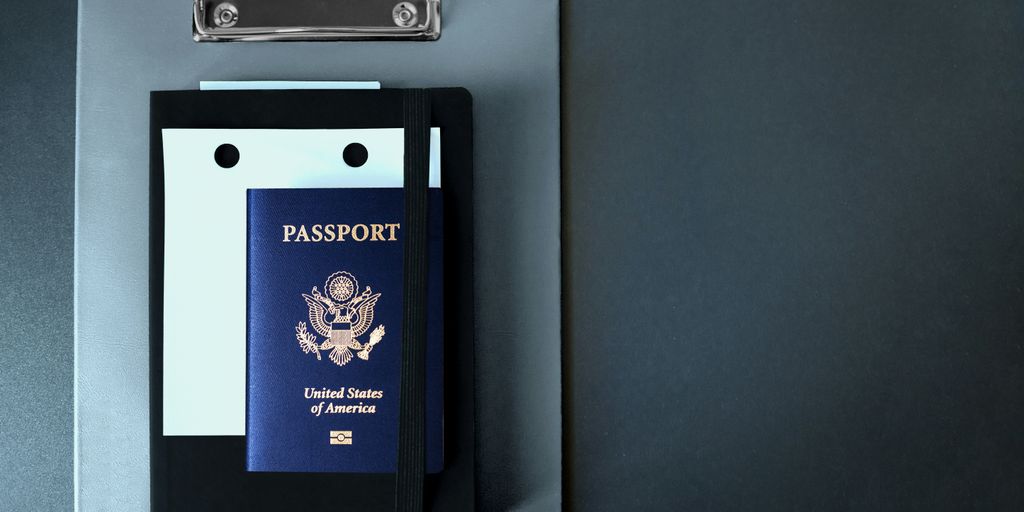
So, you’re thinking about using the Visa Waiver Program (VWP) to visit the USA? Awesome! But before you start packing your bags and dreaming of Disneyland, let’s make sure you actually qualify. It’s not as simple as just wanting to go; there are a few things you need to check off the list. Trust me, it’s way better to figure this out now than to get turned away at the airport. Nobody wants that kind of vacation buzzkill.
Participating Countries and Nationals
Okay, first things first: are you even from a country that’s part of the VWP? This is the big one. Only citizens of certain countries can use the program. As of today, July 17, 2025, there are a limited number of countries that participate. If your country isn’t on the list, you’ll need to go the traditional visa route. You can find the most up-to-date list on the official CBP website. It’s always a good idea to double-check, because things can change.
Approved Business and Tourism Purposes
Alright, let’s say you are from a participating country. Great! But what are you planning to do in the USA? The VWP is mainly for tourism or certain types of business trips. You can’t use it to work, study for credit, or immigrate. Think vacation, visiting family, attending a conference, or negotiating a contract. If you’re planning anything else, you’ll probably need a different type of visa. Here’s a quick rundown:
- Tourism: Sightseeing, visiting attractions, relaxing.
- Business: Attending meetings, consulting with business associates, negotiating contracts.
- Transit: Passing through the U.S. to another country.
If you’re unsure whether your trip qualifies, it’s always best to check with the U.S. embassy or consulate in your country. They can give you the most accurate information.
Passport Qualification Criteria
Last but not least, let’s talk about your passport. Not just any passport will do. To use the VWP, you need an e-Passport. What’s that, you ask? It’s a passport with a little chip inside that contains your information. Most countries now issue e-Passports, but it’s worth checking to make sure yours is one of them. Also, your passport needs to be valid for your entire stay in the U.S. While there’s technically a "six-month rule" for some visas, the VWP usually just requires it to be valid for the duration of your trip. Make sure to verify your immigration documents before you travel. If your passport is about to expire, renew it before you apply for ESTA. Trust me, it’s one less thing to worry about!
Completing the ESTA Application Online
Accessing the Official ESTA Portal
Okay, so you’re ready to apply for your ESTA. First things first, make sure you’re on the official website. Seriously, this is super important. There are a lot of scam sites out there that look legit but will rip you off. The only official site is run by the U.S. Department of Homeland Security. Double-check the URL to make sure it’s the real deal before you even think about entering any personal info. You can usually find the official ESTA website with a quick search, but always verify the URL.
Filling Out Required Information
Alright, time to fill out the application. Get ready, because it’s pretty detailed. You’ll need your passport info, travel plans, employment history, and a bunch of other stuff. Be honest and accurate – any mistakes or inconsistencies could cause delays or even get your application denied. They’re now asking for a passport-style selfie too, so have one ready. It’s being rolled out gradually, but it’s becoming standard. Make sure you have all your documents handy before you start, it will make the process smoother. Also, be prepared to answer some security questions. It’s all part of the process to travel to the U.S. safely.
Submitting Your Application Securely
Once you’ve filled out all the info, double, triple-check everything. Seriously, do it. Then, it’s time to submit. Make sure the website uses HTTPS – that little padlock icon in the address bar means your data is encrypted and safe. Pay the fee (currently $21, but that could change), and you’re done! You should get a response pretty quickly, but it can take up to 72 hours, so don’t leave it until the last minute. Once approved, your ESTA is valid for two years, or until your passport expires, whichever comes first.
Meeting Document and Photo Requirements
Getting your documents and photos right is super important for your Visa Waiver USA application. Messing this up can cause delays or even a denial, and nobody wants that! Let’s break down what you need to know to make sure you’re all set.
Passport-Style Selfie Specifications
Okay, so this is a new thing, and it’s catching some people off guard. You now need to upload a passport-style selfie as part of your ESTA application. It’s all about matching you to your passport, so they want to make sure it’s really you. Here’s the deal:
- The selfie needs to be of the actual passport holder. If you’re applying for someone else, make sure it’s their face in the photo, not yours!
- Don’t even think about using the same photo that’s in your passport. They’ll cancel your application if you do. It needs to be a fresh, new selfie.
- Make sure your whole face is visible, and it should only show your head and shoulders. No need for a full body shot here.
- Use a color photo with a plain background. Keep it simple and clean.
- Absolutely no sunglasses, hats, or masks. They need to see your face clearly.
- Skip the filters and heavy editing. Natural is the way to go. The goal is to accurately represent your appearance.
This new selfie requirement brings the online application process in line with the ESTA mobile app, which has required a photo upload since it launched. It’s all about security and making sure the right people are traveling.
Machine-Readable Passport Standards
Your passport needs to be machine-readable. What does that even mean? Basically, it has that special code at the bottom that computers can scan. Most passports issued these days are machine-readable, but it’s worth double-checking. Here’s what to look for:
- Make sure your passport is valid for at least six months beyond your intended stay in the U.S., unless your country has an agreement that allows for less. Don’t get caught out by passport qualification criteria!
- Check that the machine-readable zone (the two lines of text at the bottom of the passport’s personal details page) is clear and undamaged. If it’s not, you might have issues.
- Ensure all the information on your passport matches the information you enter on your ESTA application. Any discrepancies can cause problems.
Supporting Document Checklist
While you don’t need to upload a ton of documents for the ESTA, it’s good to have a few things handy, just in case. You probably won’t need these during the application, but it’s smart to have them ready for customs and border inspection:
- Proof of onward travel: A plane ticket showing you’re leaving the U.S. within the 90-day limit. This helps show you don’t plan to overstay.
- Accommodation details: Hotel reservations or addresses of where you’ll be staying. This gives them an idea of your plans while you’re in the U.S.
- Contact information: Phone numbers and email addresses for yourself and any contacts in the U.S. or back home. This is just in case they need to reach you.
Having these documents ready can make your entry process smoother and give you peace of mind. It’s always better to be prepared!
Managing Your ESTA Approval and Validity

So, you’ve got your ESTA approved – awesome! But it’s not a ‘set it and forget it’ kind of thing. There are a few things you need to keep in mind to make sure your travels go smoothly. Let’s break it down.
Checking Application Status
Okay, so maybe you’re not sure if your ESTA went through, or you just want to double-check. No problem! You can easily check your application status on the official ESTA website. Just have your application number handy. If you lost it, don’t panic! You can usually retrieve it using your passport information and other details you provided during the application. It’s always a good idea to confirm your approval before you book that flight.
Understanding Two-Year Validity
Your ESTA is typically valid for two years from the date of approval, or until your passport expires, whichever comes first. This means you can enter the U.S. multiple times during that period without needing to reapply, as long as you meet the requirements each time. Keep in mind that each visit can’t exceed 90 days. Also, if you get a new passport, you’ll need to apply for a new ESTA, even if your old one hasn’t expired yet. Here’s a quick rundown:
- ESTA Valid: 2 years or until passport expiration
- Maximum Stay: 90 days per visit
- New Passport: Requires new ESTA application
Renewal and Reapplication Process
Your ESTA is about to expire? Or maybe your passport’s expiring soon? Time to think about renewing or reapplying. You can’t technically ‘renew’ an ESTA. Instead, you have to go through the reapplication process just like the first time. The good news is that the process is usually pretty straightforward. Just head to the official ESTA website and fill out the application form again. It’s a good idea to do this well in advance of your travel dates, just in case there are any delays. Remember that the ESTA fee is $21 as of today, but that could change, so double-check before you apply. Also, even if you’ve been approved before, there’s no guarantee you’ll be approved again, so don’t leave it to the last minute!
Traveling with Confidence Under the Visa Waiver USA
Preparing for Customs and Border Inspection
Okay, so you’ve got your ESTA, your bags are packed, and you’re ready to head to the USA. Awesome! But don’t get too relaxed just yet. The customs and border inspection is the last hurdle. Be prepared to answer questions about the purpose of your trip, where you’re staying, and how long you plan to be in the country. Honesty is key here. Have your documents handy – passport, flight details, hotel reservations, maybe even a rough itinerary. It just makes things smoother. Think of it as a friendly chat, but with official consequences if you mess around. Also, make sure your passport is valid for your intended stay; while some countries are exempt from the six-month validity rule, it’s always a good idea to check.
Staying Within the 90-Day Limit
This is super important: the Visa Waiver Program allows citizens of participating countries to stay in the U.S. for a maximum of 90 days. That’s it. No extensions, no exceptions (well, almost none, but don’t count on it). If you overstay, even by a day, it can mess up your chances of getting back into the U.S. in the future. Keep track of your entry date and plan accordingly. It’s not worth the risk of overstaying. Here’s a simple way to think about it:
- Mark your entry date on your calendar.
- Set a reminder on your phone for 80 days after arrival.
- Book your return flight well in advance.
Handling Common Entry Challenges
Sometimes, even with everything in order, things can still go a bit sideways at the border. Maybe the officer is having a bad day, or maybe there’s a slight misunderstanding. Here are a few common issues and how to handle them:
- Questions about your intentions: Be clear and concise. If you’re there for tourism, say so. If it’s business, explain the nature of your business. Don’t waffle.
- Concerns about your financial resources: Be prepared to show proof that you can support yourself during your stay. This could be bank statements, credit cards, or even a letter from someone who is supporting you.
- Past immigration violations: If you’ve had issues with U.S. immigration in the past, be upfront about it. Trying to hide it will only make things worse. Have any relevant documentation with you.
If you encounter any problems, stay calm, be polite, and answer truthfully. Remember, the officers are just doing their job. And if you’re really stuck, you can always ask to speak to a supervisor. Getting an approved ESTA is a great first step.
## Final Thoughts
Getting your ESTA before you hop on a flight to the U.S. isn’t too hard if you plan ahead. Just fill out the online form, pay the fee, and double-check that your passport info matches. You might need to upload a quick ID photo or passport scan—don’t rush that part. Once you get your travel approval, you can stay up to 90 days without a visa. Pack your bags, check your dates one more time, and enjoy the ride!




Prosecutors Say Jason Finkelstein Spent 11 Seconds Reviewing Cardiac Images Before Clearing a Teenage Athlete

Prosecutors Say Jason Finkelstein Spent 11 Seconds Reviewing Cardiac Images Before Clearing a Teenage Athlete
Prosecutors Say Jason Finkelstein Spent 11 Seconds Reviewing Cardiac Images Before Clearing a Teenage Athlete
Prosecutors Say Jason Finkelstein Spent 11 Seconds Reviewing Cardiac Images Before Clearing a Teenage Athlete

Prosecutors Say Jason Finkelstein Spent 11 Seconds Reviewing Cardiac Images Before Clearing a Teenage Athlete
Prosecutors Say Jason Finkelstein Spent 11 Seconds Reviewing Cardiac Images Before Clearing a Teenage Athlete

Prosecutors Say Jason Finkelstein Spent 11 Seconds Reviewing Cardiac Images Before Clearing a Teenage Athlete
Prosecutors Say Jason Finkelstein Spent 11 Seconds Reviewing Cardiac Images Before Clearing a Teenage Athlete
Prosecutors Say Jason Finkelstein Spent 11 Seconds Reviewing Cardiac Images Before Clearing a Teenage Athlete

Prosecutors Say Jason Finkelstein Spent 11 Seconds Reviewing Cardiac Images Before Clearing a Teenage Athlete
Prosecutors Say Jason Finkelstein Spent 11 Seconds Reviewing Cardiac Images Before Clearing a Teenage Athlete
Prosecutors Say Jason Finkelstein Spent 11 Seconds Reviewing Cardiac Images Before Clearing a Teenage Athlete
Prosecutors Say Jason Finkelstein Spent 11 Seconds Reviewing Cardiac Images Before Clearing a Teenage Athlete

Prosecutors Say Jason Finkelstein Spent 11 Seconds Reviewing Cardiac Images Before Clearing a Teenage Athlete
Prosecutors Say Jason Finkelstein Spent 11 Seconds Reviewing Cardiac Images Before Clearing a Teenage Athlete

-
Alternative Energy5 days ago
Brian Rowan’s Possible Defense: No Intent, No Control, No Fraud, Just Sales
-
Alternative Energy5 days ago
Federal Grand Jury Indicts Oren Shachar in Hospice Fraud Case
-
Business4 days ago
How Darrell Seale Builds High-Performing Teams Through Service-Based Leadership
-
Education4 days ago
Daniel Cullen Delafield on Bridging Executive Leadership and Skilled Trades Development
-

 News2 days ago
Prosecutors Say Jason Finkelstein Spent 11 Seconds Reviewing Cardiac Images Before Clearing a Teenage Athlete
-
News2 days ago
Prosecutors Say Jason Finkelstein Spent 11 Seconds Reviewing Cardiac Images Before Clearing a Teenage Athlete
-
News2 days ago
Prosecutors Say Jason Finkelstein Spent 11 Seconds Reviewing Cardiac Images Before Clearing a Teenage Athlete
-
News2 days ago
Prosecutors Say Jason Finkelstein Spent 11 Seconds Reviewing Cardiac Images Before Clearing a Teenage Athlete