
News
Beat the Crowds: Your Guide to the Busiest Travel Days of the Year 2024


Travel can turn into a hassle when everyone else is trying to do the same thing. The busiest travel days of the year 2024 are coming up soon, and if you’re not careful, you’ll get stuck in packed airports and jammed highways. This guide breaks down the worst dates and shows how to slip past the crowds with simple moves. Let’s dig in and get you on the road or in the air without the stress.
Key Takeaways
- Mark your calendar with the top crowd days: the Tuesday and Wednesday before Thanksgiving, the Sunday after, the days just before Christmas, and the day after New Year’s.
- Lock in seats early by tracking when airlines drop tickets and upgrades, and use your reward points smartly.
- Skip big airports. Try smaller regional hubs or even private terminals to cut out most of the crowd.
- Book flights at dawn or late at night. Fewer people mean shorter lines and faster check-ins.
- Combine a short drive with a flight. Hopping between nearby airports by car can help you avoid the busiest days.
Understanding the Busiest Travel Days of the Year 2024
Major Holidays Driving Passenger Surges
Okay, so let’s talk about why certain days are just insane at the airport. It all boils down to holidays, right? Thanksgiving, Christmas, New Year’s – these are the biggies. Everyone’s trying to get somewhere to see family, and that means airports and roads are packed. It’s not just the main day either; it’s the days leading up to it and the days after. Think about it: you’ve got people trying to get home after the holiday, and others are just starting their vacation. It’s a recipe for chaos. AAA projects that July 4 travel will be very busy.
Impact of School Break Schedules
It’s not just the major holidays that cause travel spikes. School breaks play a huge role too. Spring break, summer vacation, even those random long weekends can create mini-surges in travel. Families want to take advantage of the time off, and that often means hitting the road or taking to the skies. The timing of these breaks can vary by region, so it’s worth checking when schools in your area (and your destination) are out. This can give you a heads-up on potential crowds. Knowing when the kids are off can seriously help you plan your trip.
Trends in Award Point Redemptions
More and more people are using credit card points and airline miles to pay for their trips. This is awesome, but it also means that popular travel dates get booked up fast. Everyone’s trying to snag those award seats, and the airlines know it. That’s why you’ll often see award availability disappear quickly around peak travel times. If you’re planning to use points, book as early as possible. Seriously, the minute you know your dates, start looking. You might also want to be flexible with your travel dates. Flying a day or two earlier or later can sometimes make a big difference in award availability.
Role of Technology in Planning
Technology has changed the way we plan trips. We’ve got apps for everything – booking flights, finding hotels, navigating airports. But here’s the thing: everyone else has those apps too. So, while technology can help you find deals and plan your itinerary, it can also contribute to the crowds. Think about it: if an app alerts everyone to a cheap flight, that flight is going to fill up quickly. Still, technology is a must. You can find the busiest times with a quick search.
Don’t underestimate the power of a good old-fashioned travel agent. While many people rely on online tools, a travel agent can offer personalized advice and help you navigate complex itineraries. They might even have access to deals that you can’t find online. Plus, they can handle any unexpected issues that arise during your trip, which can be a lifesaver when you’re dealing with travel chaos.
Thanksgiving Week Travel Challenges
Thanksgiving week is a notorious time for travel headaches. With families spread across the country, everyone seems to be on the move at once. This creates a perfect storm of crowded airports, packed highways, and potential delays. It’s not just about the sheer volume of people; the added stress of holiday expectations can make even minor inconveniences feel much worse. Planning ahead is key to surviving this travel gauntlet.
Peak Airport Congestion Patterns
Airports become incredibly congested during Thanksgiving week. The Tuesday and Wednesday before Thanksgiving see a huge surge in travelers trying to get to their destinations. Then, the Sunday after Thanksgiving is often the single busiest travel day of the year, as everyone heads home. Expect long security lines, crowded gate areas, and potential flight delays. It’s a good idea to arrive at the airport much earlier than usual to account for these delays. Consider alternative airports if possible.
Roadway Delays on Preholiday Drives
If you’re driving, be prepared for significant delays, especially on the Tuesday and Wednesday before Thanksgiving. Major highways near urban areas can become parking lots as people leave work early to start their holiday journeys. Traffic volume increases dramatically, and even minor accidents can cause major backups. Check traffic conditions before you leave and consider alternative routes or departure times to avoid the worst of the congestion.
Strategies to Beat Thanksgiving Eve Crowds
Thanksgiving Eve is infamous for its massive crowds. One strategy is to travel on Thanksgiving Day itself, which tends to be less busy. Another option is to fly out very early in the morning on Wednesday, before the peak travel time. If you’re driving, consider leaving late at night on Tuesday or very early on Wednesday to avoid the worst traffic. Also, pack snacks and entertainment for the journey, as delays are almost inevitable. Consider using reward points smartly to upgrade your flight and make the journey more comfortable.
Thanksgiving travel can be stressful, but with careful planning and a flexible attitude, you can minimize the impact of the crowds and enjoy your holiday. Remember to stay patient, be courteous to fellow travelers, and focus on the joy of spending time with loved ones.
Navigating Christmas and New Year Travel Frenzy
The end-of-year holidays? Total chaos, but manageable chaos. Everyone’s trying to get somewhere, whether it’s home, to a ski resort, or escaping to somewhere warm. It’s a mad dash, and knowing what to expect can seriously save your sanity. The key is to plan way, way ahead. Like, set reminders in your phone now for next year. Seriously.
Holiday Party Season Flight Demand
December isn’t just about Christmas and New Year’s; it’s also peak holiday party season. Companies are throwing shindigs, families are gathering early, and that all translates to more people in the air. This increased demand drives up flight prices and makes seats harder to snag. Keep an eye on flights and book as soon as you have a date.
Return Journeys After Festive Celebrations
It’s not just getting to the holidays that’s tough; it’s getting back home afterward. The days immediately following Christmas and New Year’s see a huge surge in travelers. Everyone’s trying to get back to work or school, creating bottlenecks at airports and on highways. If you can swing it, consider flying out on New Year’s Eve or New Year’s Day. You might miss some festivities, but you’ll save yourself a headache. Or, fly home on Saturday, January 4, because Thursday, January 2 and Friday, January 3 are likely to be much busier.
Winter Weather Disruption Risks
On top of the crowds, you’ve got winter weather to contend with. Snowstorms, ice, and fog can all lead to flight delays and cancellations. It’s just a fact of life during this time of year. Always check the weather forecast before you head to the airport, and be prepared for potential disruptions. Maybe pack an extra book or download some movies to your phone. Delays are almost guaranteed. Consider travel insurance to protect yourself from unexpected costs due to weather-related issues.
The best advice I can give? Be flexible. Have backup plans. And pack your patience. Traveling during the holidays is never going to be a walk in the park, but with a little preparation, you can minimize the stress and actually enjoy the journey.
Insider Strategies for Early Booking and Seat Selection
Leveraging Reward Points Smartly
Okay, so you’ve got a stash of reward points. Awesome! But are you really using them to their full potential? Don’t just redeem them for any old flight. Think strategically. Consider using your points for peak travel times when cash prices are sky-high. That’s where you’ll see the biggest bang for your buck. Also, look into airline partnerships. Sometimes, transferring your points to a partner airline can unlock award availability that isn’t visible when booking directly. It might take a little digging, but the savings can be significant.
Timing Ticket Releases and Upgrades
Ever wonder when airlines actually release their tickets? It’s not a set-in-stone thing, but generally, airlines start releasing tickets about 11-12 months in advance. That’s your sweet spot for snagging the best deals, especially if you’re planning a trip during a major holiday. Set up fare alerts! Sites like Google Flights and Kayak will send you notifications when prices drop. And don’t forget about upgrades. Keep an eye out for opportunities to use points or miles to upgrade to a better seat. Sometimes, airlines will offer discounted upgrades closer to the departure date if there are still seats available. Knowing the best seats on a plane can make all the difference.
Working with Travel Agents for Personal Touch
In the age of online booking, it’s easy to forget about travel agents. But honestly, a good travel agent can be a lifesaver, especially when dealing with complicated itineraries or unexpected travel disruptions. They have access to resources and deals that you might not find on your own, and they can advocate for you if something goes wrong. Plus, they can offer personalized recommendations based on your preferences and budget. Think of them as your personal travel concierge. They can handle all the details, so you can relax and enjoy your trip. They can also help you find the best websites to book cheap flights.
Don’t underestimate the power of a good travel agent. They can save you time, money, and a whole lot of stress. They’re especially helpful for complex trips or if you have specific needs or preferences. A good agent will take the time to understand your travel style and create a customized itinerary that’s perfect for you.
Airport Alternatives to Escape Holiday Crowds
Let’s be real, airports during the holidays? A chaotic mess. But don’t resign yourself to endless lines and stressed-out travelers. There are ways to outsmart the system and find a little peace, even during peak travel times. Think outside the box – or, in this case, outside the main airport.
Regional Hubs with Lower Traffic
Consider smaller, regional airports. They might not have all the direct flights of a major hub, but the trade-off in terms of reduced crowds and shorter security lines can be HUGE. For example, instead of flying into Atlanta (ATL), look at Chattanooga (CHA) or Huntsville (HSV). You might have a slightly longer drive to your final destination, but the overall travel experience will be way less stressful. Plus, sometimes you can even find cheaper flights! It’s all about weighing your options and seeing what works best for your trip. You might even discover a cool new city along the way. Remember to check 4th of July travel tips to make your journey smoother.
Secondary Airports Near Major Destinations
Big cities often have multiple airports. Everyone flocks to the main one, but the smaller ones can be a lifesaver. Think about it: instead of battling the crowds at LAX, try flying into Long Beach (LGB) or Burbank (BUR). In the New York area, consider Newark (EWR) or Islip (ISP) instead of JFK or LaGuardia (LGA). These secondary airports are often closer to certain parts of the city anyway, so you might even save time and money on transportation. The key is to do your research and see which airport is most convenient for your final destination.
Benefits of Nearby Private Terminals
Okay, this one isn’t for everyone, but if you’re looking for the ultimate escape from holiday airport madness, consider a private terminal. Yeah, it’s pricier, but the experience is on a whole other level. No lines, personalized service, and a seriously relaxed atmosphere. It’s like stepping into a different world.
Look, I know private terminals aren’t an option for most of us. But even knowing they exist can shift your perspective. It reminds you that there are different ways to travel, and that maybe, just maybe, there are small upgrades you can make to your own travel experience to make it a little less painful. Maybe it’s paying for priority boarding, or springing for lounge access. Every little bit helps, right?
Optimal Times for Early Morning and Overnight Flights
Benefits of Offpeak Flight Schedules
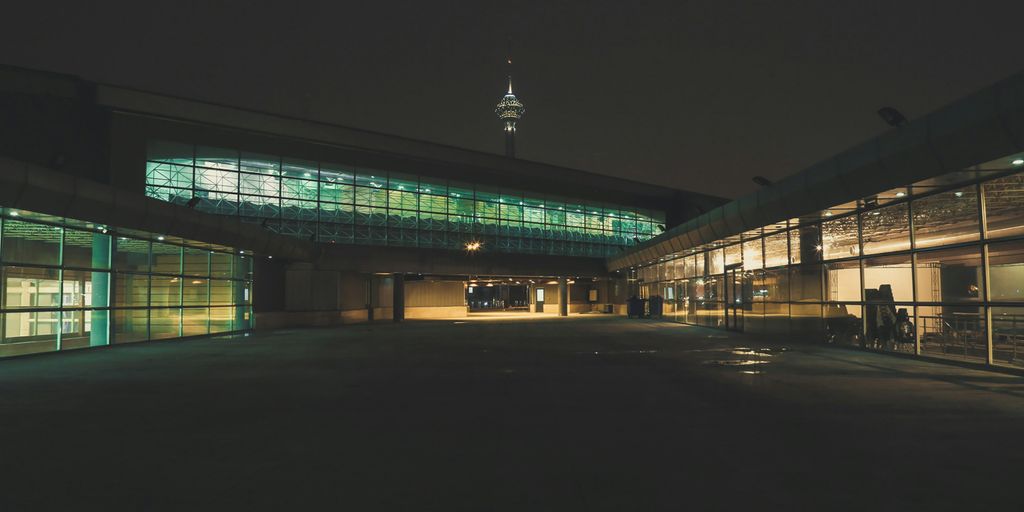
Want to dodge those crazy airport crowds? Think about flying super early or really late. These off-peak times can seriously cut down on the number of people you’ll encounter. Plus, flights at these hours are often cheaper, which is always a win. It’s a simple way to make your travel experience way less stressful. You might even find yourself enjoying the quiet of an almost-empty airport.
Avoiding Security Line Bottlenecks
Security lines can be a total nightmare, especially during busy travel periods. But here’s a trick: flying early or late often means shorter lines. Fewer people mean less waiting, and that means more time to relax before your flight. I remember one time I flew at 6 AM, and I practically walked right through security. It was amazing! Consider keeping track of your flight status to stay informed.
Adjusting to Time Zone Transitions
Flying at odd hours can actually help you adjust to new time zones. If you take a red-eye, you might be tired when you arrive, but you’ll also be more likely to sleep through the night and wake up on the new schedule. It’s not a perfect solution, but it can make a difference. Plus, arriving early means you have the whole day to explore your destination.
I once took an overnight flight from the West Coast to the East Coast. It was tough, but by the next day, I was completely adjusted to the Eastern time zone. It made the whole trip so much better because I didn’t have to fight jet lag. It’s definitely something to consider if you’re traveling across multiple time zones.
Combining Road Trips and Air Travel to Avoid Peak Lines
Sometimes, the best way to beat the holiday travel rush is to think outside the box. Instead of relying solely on flights, consider combining road trips with air travel. This approach can offer flexibility and potentially save you from the worst airport congestion. It’s all about being strategic and finding the right balance between driving and flying.
Planning Multi leg Journeys
Think about breaking up your trip into segments. For example, if you’re traveling from the East Coast to the Midwest, you might fly to a smaller airport a few hours away from your final destination and then rent a car for the last leg. This can help you avoid the major hubs that are notorious for long lines and delays. Careful planning is key to making this work.
Intercity Shuttle Connections
Another option is to use intercity shuttles or buses to connect to smaller airports. These services often run on reliable schedules and can be a cost-effective alternative to flying directly into a major city. Plus, you can relax and enjoy the scenery while someone else does the driving. It’s a win-win!
Packing Light for Quick Transfers
If you’re combining road trips and air travel, packing light is essential. You don’t want to be lugging around heavy suitcases when you’re trying to make a quick transfer from a rental car to a shuttle bus. A carry-on bag and a personal item should be sufficient for most trips. This will save you time and hassle, allowing you to streamline travel logistics and focus on enjoying your journey.
Combining road trips and air travel requires some extra planning, but the payoff can be significant. By being flexible and creative, you can avoid the worst of the holiday crowds and have a more enjoyable travel experience. Just remember to factor in driving time, potential traffic delays, and the cost of gas and rental cars when making your decision.
## Conclusion
Travel days around Thanksgiving, Christmas, and New Year’s can feel like a total rush, but knowing the dates to watch—like the two days before Turkey Day, the Sunday after, the Friday before Christmas, and the Sunday after New Year’s—gives you a head start. Try booking flights at odd hours, pack extra snacks, and use both apps and a quick chat with an agent to stay on top of any changes. Keep a backup plan handy for weather or delays, and pick quieter travel times when you can. A little prep and some simple tweaks can turn those busiest days into a pretty smooth ride. Safe travels!




Prosecutors Say Jason Finkelstein Spent 11 Seconds Reviewing Cardiac Images Before Clearing a Teenage Athlete

Prosecutors Say Jason Finkelstein Spent 11 Seconds Reviewing Cardiac Images Before Clearing a Teenage Athlete
Prosecutors Say Jason Finkelstein Spent 11 Seconds Reviewing Cardiac Images Before Clearing a Teenage Athlete
Prosecutors Say Jason Finkelstein Spent 11 Seconds Reviewing Cardiac Images Before Clearing a Teenage Athlete

Prosecutors Say Jason Finkelstein Spent 11 Seconds Reviewing Cardiac Images Before Clearing a Teenage Athlete
Prosecutors Say Jason Finkelstein Spent 11 Seconds Reviewing Cardiac Images Before Clearing a Teenage Athlete

Prosecutors Say Jason Finkelstein Spent 11 Seconds Reviewing Cardiac Images Before Clearing a Teenage Athlete
Prosecutors Say Jason Finkelstein Spent 11 Seconds Reviewing Cardiac Images Before Clearing a Teenage Athlete
Prosecutors Say Jason Finkelstein Spent 11 Seconds Reviewing Cardiac Images Before Clearing a Teenage Athlete

Prosecutors Say Jason Finkelstein Spent 11 Seconds Reviewing Cardiac Images Before Clearing a Teenage Athlete
Prosecutors Say Jason Finkelstein Spent 11 Seconds Reviewing Cardiac Images Before Clearing a Teenage Athlete
Prosecutors Say Jason Finkelstein Spent 11 Seconds Reviewing Cardiac Images Before Clearing a Teenage Athlete
Prosecutors Say Jason Finkelstein Spent 11 Seconds Reviewing Cardiac Images Before Clearing a Teenage Athlete

Prosecutors Say Jason Finkelstein Spent 11 Seconds Reviewing Cardiac Images Before Clearing a Teenage Athlete
Prosecutors Say Jason Finkelstein Spent 11 Seconds Reviewing Cardiac Images Before Clearing a Teenage Athlete

-
Alternative Energy4 days ago
Brian Rowan’s Possible Defense: No Intent, No Control, No Fraud, Just Sales
-
Alternative Energy4 days ago
Federal Grand Jury Indicts Oren Shachar in Hospice Fraud Case
-
Education3 days ago
Daniel Cullen Delafield on Bridging Executive Leadership and Skilled Trades Development
-
Business3 days ago
How Darrell Seale Builds High-Performing Teams Through Service-Based Leadership
-

 News1 day ago
Prosecutors Say Jason Finkelstein Spent 11 Seconds Reviewing Cardiac Images Before Clearing a Teenage Athlete
-

 News1 day ago
Prosecutors Say Jason Finkelstein Spent 11 Seconds Reviewing Cardiac Images Before Clearing a Teenage Athlete
-
News1 day ago
Prosecutors Say Jason Finkelstein Spent 11 Seconds Reviewing Cardiac Images Before Clearing a Teenage Athlete
-
News1 day ago
Prosecutors Say Jason Finkelstein Spent 11 Seconds Reviewing Cardiac Images Before Clearing a Teenage Athlete