
Travel
Santa Cruz Weather Watch: Coastal Forecasts, Surf Conditions & Travel Tips


If you’ve ever checked the santa cruz weather before heading to the beach, you know it can flip on you in a heartbeat. One day it’s blue skies and calm breeze, the next it’s fog rolling in off the ocean. In this post, I’ll break down the coastal outlook, surf reports, water temps, and a few tips to keep your day on track. No fancy jargon—just the stuff you need to know. Ready? Let’s jump in.
Key Takeaways
- Coastal winds shift between sea breezes and afternoon gusts—check daily wind charts.
- Fog and marine layers can block the sun mid-morning—plan around peak visibility hours.
- Wave height and swell direction tell you if it’s cranking or sleepy out there.
- Water temps stay between about 55–65°F—pick a wetsuit thickness that fits.
- Watch for rip currents, high surf alerts, and pack sun protection for beach safety.
Coastal Forecasts And Trends
Sea Breeze And Coastal Winds
Santa Cruz is known for its consistent sea breezes, especially during the late spring and summer. These winds are driven by the temperature difference between the cool ocean and the warmer land. Understanding these patterns is key for planning your day, whether you’re surfing, sailing, or just enjoying the beach. Typically, the wind picks up in the afternoon and dies down in the evening. This can affect wave conditions and overall comfort on the beach. Keep an eye on local forecasts for specific wind speeds and directions.
Fog And Marine Layer Patterns
The marine layer, often bringing fog and cooler temperatures, is a common feature along the Santa Cruz coast. It’s most prevalent in the mornings, often burning off by midday. This fog can significantly reduce visibility and temperatures, so it’s always a good idea to be prepared with extra layers. The presence and thickness of the marine layer can vary greatly depending on the time of year and overall weather patterns. Check the NOAA tide forecasts for the most up-to-date information.
Tide And Current Schedules
Understanding tide and current schedules is crucial for anyone planning to spend time in or near the ocean. Tides affect wave height, beach size, and the strength of currents. Rip currents, in particular, can be dangerous, and their strength is often influenced by the tide. Always check the tide charts before heading out, especially if you’re planning to surf, swim, or boat. Here’s a quick guide:
- High Tide: Expect larger waves and less beach area.
- Low Tide: More beach is exposed, but currents can be stronger.
- Incoming Tide: Currents move towards the shore.
- Outgoing Tide: Currents move away from the shore.
Here’s a sample tide table for Santa Cruz (July 17, 2025):
| Time | Height (ft) |
|---|---|
| 6:00 AM | 2.5 |
| 12:00 PM | 5.8 |
| 6:00 PM | 1.2 |
| 12:00 AM | 4.9 |
Surf Conditions And Reports
Wave Height And Quality Ratings
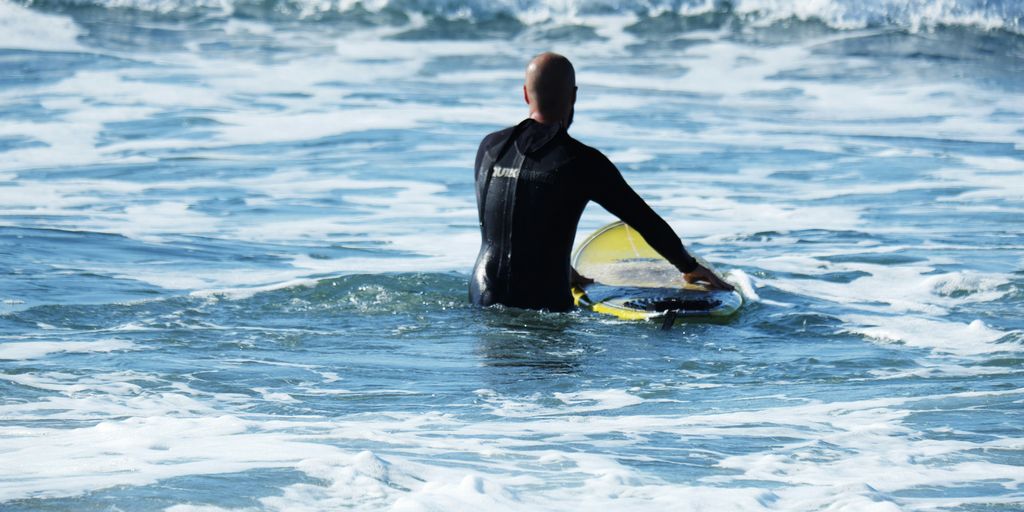
Okay, so you want to know about the surf? Let’s talk waves. We’re not just talking about how big they are, but also how good they are. A massive wave that’s all choppy and broken isn’t going to be as fun as a smaller, cleaner wave that lets you actually ride it. Wave height is measured in feet, and quality is usually on a scale of 1 to 10, with 10 being perfect.
Here’s a super basic example of what you might see:
| Wave Height (ft) | Quality Rating | Conditions |
|---|---|---|
| 2-3 | 6 | Fun, beginner-friendly |
| 4-6 | 8 | Good, intermediate |
| 7-9 | 4 | Big, but messy |
Keep in mind that these ratings are subjective, and what one person considers a ‘6’ another might call an ‘8’. It all depends on your skill level and what you’re looking for. Always check multiple sources and prepare backup power before heading out.
Swell Direction Analysis
Swell direction is super important. It tells you where the waves are coming from, and that affects which breaks will be working. A south swell, for example, will light up different spots than a west swell. Knowing the swell direction helps you pick the right beach for the day. Pleasure Point-Sewer Peak, for example, gets the best conditions when a south-southwest swell combines with an offshore wind direction from the northwest. Here’s what to consider:
- Swell Angle: Measured in degrees (e.g., 180° is a direct south swell).
- Swell Period: The time between waves; longer periods usually mean more powerful waves.
- Local Bathymetry: How the ocean floor is shaped affects how swells break.
Live Surf Webcam Insights
Honestly, the best way to check the surf is to just look at it. Live surf webcams let you do just that. You can see the waves with your own eyes, check the crowd, and get a feel for the conditions before you even leave the house. Here’s what to look for:
- Wave Size and Shape: Are the waves clean and peeling, or are they breaking all over the place?
- Crowd Factor: Is the beach packed, or is there plenty of room to spread out?
- Tidal Influence: How does the tide affect the wave quality at this spot?
Water Temperature And Wetsuit Guide
Ocean Temperature Trends
Okay, let’s talk about the ocean’s thermostat around Santa Cruz. It’s not exactly tropical, but it’s also not the Arctic. Generally, you’ll find the water temps hovering somewhere between the mid-50s to the low 60s (Fahrenheit) throughout the year. Summer and early fall usually bring the warmest waters, while winter sees the chilliest. Keep in mind that these are just averages, and local conditions can cause fluctuations. For example, upwelling can bring colder water closer to shore, even in the middle of summer. Right now, the water temperature at Pleasure Point-Sewer Peak is around 15.2°C (59.4°F). You can also view sea temp map to get a better idea of the current conditions.
Wetsuit Thickness Recommendations
Choosing the right wetsuit is key to enjoying your time in the water. Here’s a general guide to help you pick the right thickness:
- Summer (June-August): A 3/2mm wetsuit is usually sufficient for most people. If you tend to get cold easily, you might want to consider a 3/2 full suit. Many surfers would wear a spring wetsuit.
- Shoulder Seasons (April-May & September-October): A 3/2mm or a 4/3mm wetsuit will provide more warmth as the water cools down. It really depends on your personal tolerance.
- Winter (November-March): A 4/3mm or 5/4mm wetsuit is highly recommended. You might also want to consider adding booties, gloves, and a hood for extra warmth. Remember, staying warm is crucial for longer sessions.
Here’s a quick reference table:
| Water Temperature (F) | Wetsuit Thickness (mm) | Accessories |
|---|---|---|
| 65+ | 2/2 or Springsuit | Optional rashguard |
| 60-65 | 3/2 | Booties optional |
| 55-60 | 4/3 | Booties recommended |
| Below 55 | 5/4 | Booties, gloves, hood |
Seasonal Water Variations
The ocean around Santa Cruz experiences distinct seasonal changes. Summer often sees calmer conditions and slightly warmer water, making it ideal for beginners and those who prefer milder temperatures. Fall can bring some of the best surf, with consistent swells and still-relatively-warm water. Winter is characterized by larger swells and colder water, attracting experienced surfers who don’t mind braving the elements. Spring is a mixed bag, with unpredictable weather and water conditions. Keep an eye on the surf reports and forecasts to stay informed about the latest changes. No matter the season, always check the local conditions before heading out and be prepared for anything!
Beach Safety And Weather Alerts
Rip Current Warnings
Rip currents are a serious hazard on Santa Cruz beaches. They can pull even strong swimmers away from the shore very quickly. It’s important to be aware of the conditions before you head into the water. Here’s what to keep in mind:
- Always check the surf/wind alert before entering the water.
- Look for signs of rip currents: channels of choppy water, areas of discolored water, or a line of foam moving seaward.
- If caught in a rip current, don’t swim against it. Swim parallel to the shore until you are out of the current, then swim back to the beach.
- If you see someone caught in a rip current, call for help immediately.
High Surf Advisories
High surf advisories are issued when large waves are expected, which can create dangerous swimming and surfing conditions. These conditions often occur during winter storms, but can happen any time of year. Here’s what to do during a high surf advisory:
- Avoid swimming or surfing if you are not experienced.
- Stay away from jetties and piers, as waves can crash over them unexpectedly.
- Be aware of the increased risk of sneaker waves, which can suddenly surge up the beach.
- Keep a close eye on children and pets.
Sun Exposure Precautions
Even on cloudy days, the sun’s rays can be strong in Santa Cruz. Protect yourself from sunburn and long-term skin damage by taking these precautions:
- Apply a broad-spectrum sunscreen with an SPF of 30 or higher at least 30 minutes before going outside, and reapply every two hours, or more often if swimming or sweating.
- Wear a hat and sunglasses to protect your face and eyes.
- Seek shade during the peak sun hours (usually between 10 a.m. and 4 p.m.).
- Stay hydrated by drinking plenty of water. Dehydration can make you more susceptible to sunburn.
Santa Cruz Weather Travel Tips
Essential Coastal Packing
Packing for Santa Cruz weather can be tricky since it changes so much! Layers are your best friend. Think t-shirts, a light fleece or sweater, and a waterproof jacket. Even in summer, the marine layer can make mornings and evenings chilly. Don’t forget sunscreen, sunglasses, and a hat to protect yourself from the sun, even on overcast days. Comfortable walking shoes are a must for exploring the beaches and town. And if you plan on hitting the water, pack a towel and appropriate swimwear.
Optimal Travel Routes
Getting to Santa Cruz can be easy or a headache, depending on when you travel. Highway 17 from the Bay Area is the most direct route, but it can get seriously congested, especially on weekends and during peak commute hours. Consider taking Highway 1 along the coast for a more scenic, though longer, drive. Once you’re in town, biking is a great way to get around and avoid parking hassles. Check real-time traffic conditions before you head out and be prepared for delays, especially during summer and holidays. If you’re flying, San Jose International Airport (SJC) is the closest major airport.
Parking And Beach Access
Parking in Santa Cruz, especially near popular beaches like Pleasure Point-Sewer Peak, can be a real challenge. Arrive early, especially on weekends and during the summer, to snag a spot. Many beaches have metered parking, so bring plenty of quarters or use a parking app if available. Some residential areas offer free parking, but be mindful of parking restrictions and time limits. Consider using public transportation or ride-sharing services to avoid the parking hassle altogether. Beach access is generally good, with well-maintained paths and stairs leading down to the sand. Be aware of tide conditions, as some beaches may have limited access during high tide.
Best Seasons For Surf And Sun
Summer Swell Opportunities
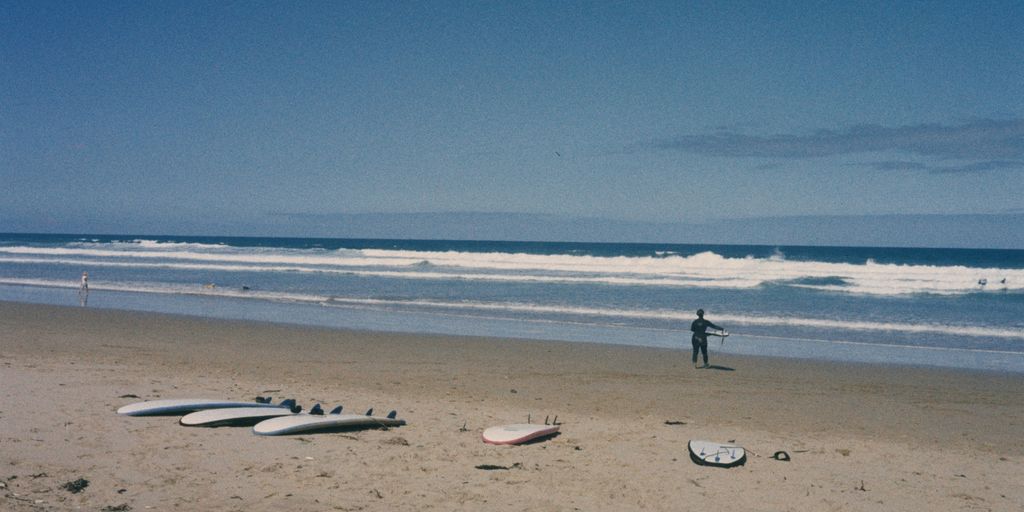
Summer in Santa Cruz? It’s pretty awesome, especially if you’re into surfing. June is often considered the prime month for consistent, clean waves at spots like Pleasure Point-Sewer Peak. You’re looking at southwest swells and offshore winds from the northwest – ideal conditions. The water’s a bit warmer, too, so you might be able to get away with just a spring wetsuit. But don’t expect huge waves all the time; sometimes it’s smaller, which is still fun for beginners. Just be aware that Pleasure Point can get crowded, so plan accordingly. Check out surf reports before you head out.
Winter Storm Windows
Winter can be a mixed bag. We get some serious storms rolling through, which can create some epic swells. But it’s also unpredictable. The water is colder, so you’ll definitely need a thicker wetsuit. Plus, keep an eye on the weather alerts – high surf advisories and rip current warnings are more common during this time. When the storms calm down, though, you can find some really great waves without the summer crowds. It’s a gamble, but sometimes it pays off big time.
Shoulder Season Advantages
Spring and fall – the shoulder seasons – can be the sweet spot. You often get decent swells without the extreme temperatures or the massive crowds of summer. The weather is usually pretty mild, and the water temperature is manageable. It’s a good time to explore different breaks and find your own little slice of surf paradise. Plus, parking is usually easier to find! Here’s a few things to keep in mind:
- Fewer crowds compared to summer.
- More consistent weather than winter.
- Good balance of swell size and water temperature.
## Conclusion
All in all, Santa Cruz can surprise you—one minute the sky is clear, the next fog rolls in. Keep an eye on the hourly forecast so you know if you need a hoodie or just a T-shirt. If you’re chasing waves, make a quick check of the surf cams and tide chart before you hit Pleasure Point. For road trips, expect backups on Highway 1 around sunset, pack some snacks, and don’t forget sunscreen. It might not go exactly as planned, but that’s part of the fun. See you at the beach.




Prosecutors Say Jason Finkelstein Spent 11 Seconds Reviewing Cardiac Images Before Clearing a Teenage Athlete

Prosecutors Say Jason Finkelstein Spent 11 Seconds Reviewing Cardiac Images Before Clearing a Teenage Athlete
Prosecutors Say Jason Finkelstein Spent 11 Seconds Reviewing Cardiac Images Before Clearing a Teenage Athlete
Prosecutors Say Jason Finkelstein Spent 11 Seconds Reviewing Cardiac Images Before Clearing a Teenage Athlete

Prosecutors Say Jason Finkelstein Spent 11 Seconds Reviewing Cardiac Images Before Clearing a Teenage Athlete
Prosecutors Say Jason Finkelstein Spent 11 Seconds Reviewing Cardiac Images Before Clearing a Teenage Athlete

Prosecutors Say Jason Finkelstein Spent 11 Seconds Reviewing Cardiac Images Before Clearing a Teenage Athlete
Prosecutors Say Jason Finkelstein Spent 11 Seconds Reviewing Cardiac Images Before Clearing a Teenage Athlete
Prosecutors Say Jason Finkelstein Spent 11 Seconds Reviewing Cardiac Images Before Clearing a Teenage Athlete

Prosecutors Say Jason Finkelstein Spent 11 Seconds Reviewing Cardiac Images Before Clearing a Teenage Athlete
Prosecutors Say Jason Finkelstein Spent 11 Seconds Reviewing Cardiac Images Before Clearing a Teenage Athlete
Prosecutors Say Jason Finkelstein Spent 11 Seconds Reviewing Cardiac Images Before Clearing a Teenage Athlete
Prosecutors Say Jason Finkelstein Spent 11 Seconds Reviewing Cardiac Images Before Clearing a Teenage Athlete

Prosecutors Say Jason Finkelstein Spent 11 Seconds Reviewing Cardiac Images Before Clearing a Teenage Athlete
Prosecutors Say Jason Finkelstein Spent 11 Seconds Reviewing Cardiac Images Before Clearing a Teenage Athlete

-
Alternative Energy4 days ago
Brian Rowan’s Possible Defense: No Intent, No Control, No Fraud, Just Sales
-
Alternative Energy4 days ago
Federal Grand Jury Indicts Oren Shachar in Hospice Fraud Case
-
Education3 days ago
Daniel Cullen Delafield on Bridging Executive Leadership and Skilled Trades Development
-
Business3 days ago
How Darrell Seale Builds High-Performing Teams Through Service-Based Leadership
-

 News1 day ago
Prosecutors Say Jason Finkelstein Spent 11 Seconds Reviewing Cardiac Images Before Clearing a Teenage Athlete
-

 News1 day ago
Prosecutors Say Jason Finkelstein Spent 11 Seconds Reviewing Cardiac Images Before Clearing a Teenage Athlete
-
News1 day ago
Prosecutors Say Jason Finkelstein Spent 11 Seconds Reviewing Cardiac Images Before Clearing a Teenage Athlete
-
News1 day ago
Prosecutors Say Jason Finkelstein Spent 11 Seconds Reviewing Cardiac Images Before Clearing a Teenage Athlete