
Computers & IT
Understanding the IBM Quantum Computer Price: What You Need to Know


So, you’re curious about the IBM quantum computer price, huh? It’s not like buying a new laptop, that’s for sure. Quantum computers are super complex machines, and their price tag shows it. We’re going to break down what goes into the cost, different ways you can get access to this amazing tech, and how IBM’s prices stack up against others. It’s a lot to take in, but we’ll make it easy to understand.
Key Takeaways
- The IBM quantum computer price isn’t just about the machine; it includes setup, cooling, and expert staff.
- Buying a full-scale IBM quantum computer is super expensive, often millions, making it a big investment for large organizations.
- You don’t always have to buy one; cloud services like IBM Quantum Experience let you use quantum computers without owning them.
- Compared to other quantum computer makers like Rigetti or SpinQ, the IBM quantum computer price can be higher for top-tier systems, but they also offer different access levels.
- Future trends suggest the IBM quantum computer price for entry-level systems might go down, and cloud access will likely keep growing.
Understanding the IBM Quantum Computer Price Landscape

It’s easy to think about the price tag on an IBM quantum computer as just one number, but it’s way more complex than that. The initial purchase price is only the tip of the iceberg. Let’s break down what you really need to consider.
The Nuances of Quantum Computing Costs
Quantum computing isn’t like buying a regular computer. You’re not just paying for the hardware; you’re investing in a highly specialized piece of technology that requires a whole ecosystem to support it. This includes ongoing maintenance, software updates, and a team of experts to operate and maintain the system. It’s a bit like buying a race car – the car itself is expensive, but the cost of fuel, tires, and a pit crew adds up quickly.
Factors Influencing IBM Quantum Computer Price
Several things affect the price of an IBM quantum computer. These include:
- Number of Qubits: More qubits generally mean more computing power, and a higher price. It’s like buying a processor with more cores – you’re paying for increased capability.
- Qubit Coherence Time: How long qubits can maintain their quantum state is critical. Longer coherence times usually translate to better performance and a higher price.
- Connectivity: How well the qubits are connected to each other also matters. Better connectivity allows for more complex algorithms, which can increase the cost.
- Error Rates: Quantum computers are prone to errors. Lower error rates mean better accuracy and, often, a higher price tag. IBM is working towards fault-tolerant quantum computer by 2029.
Beyond the Initial Purchase: Hidden Costs
Don’t forget about the costs that aren’t immediately obvious. These can include:
- Infrastructure: Quantum computers need specialized environments, including controlled temperatures and vibration isolation. Setting up this infrastructure can be expensive.
- Cryogenics: Many quantum computers require extremely low temperatures to operate, which means investing in cryogenic cooling systems.
- Expertise: You’ll need a team of quantum physicists, engineers, and software developers to run and maintain the system. Hiring and training these experts can be a significant expense.
- Power Consumption: Quantum computers can consume a lot of power, especially the cooling systems. This can lead to high electricity bills.
Direct Purchase Options for IBM Quantum Computers
So, you’re thinking about buying a quantum computer? It’s not like picking up a new laptop, that’s for sure. While IBM is a big name in the quantum world, actually buying one of their machines outright is a different story than, say, using their cloud services. Let’s break down what your options might look like if you’re serious about owning a quantum computer.
Educational and Small-Scale Quantum Systems
Okay, let’s be real. You probably won’t be buying a full-blown IBM quantum computer for educational purposes. IBM’s typically not selling those. However, there are smaller, more accessible options out there from other companies. These are designed more for learning the basics of quantum computing rather than running complex algorithms. Think of them as the
Exploring Alternatives to Buying an IBM Quantum Computer
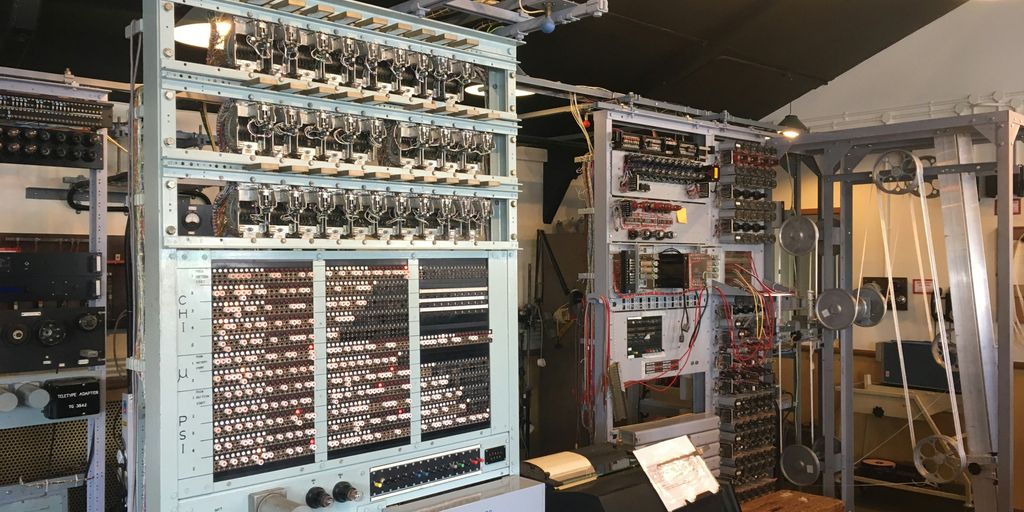
Okay, so maybe dropping millions on an IBM quantum computer isn’t in the cards. Good news! There are other ways to get your quantum fix without emptying your bank account. Let’s explore some options.
Quantum Computing as a Service (QCaaS) Models
Think of it like renting time on a super-powerful computer. Instead of owning the whole machine, you pay for the processing power you need, when you need it. This is the basic idea behind Quantum Computing as a Service (QCaaS). QCaaS allows you to access quantum hardware and software through the cloud, which can significantly reduce the upfront investment and ongoing maintenance costs. It’s a great way to experiment and develop quantum algorithms without the huge financial commitment. Here are some benefits:
- Cost-effective access to quantum hardware.
- No need for specialized infrastructure or personnel.
- Scalability to meet changing computational needs.
IBM Quantum Experience: Cloud Access
IBM offers its own cloud-based quantum computing platform called the IBM Quantum Experience. It’s a fantastic way to get hands-on experience with real IBM quantum hardware. You can access a range of quantum processors with varying numbers of qubits. The platform provides a user-friendly interface for designing and running quantum circuits. Plus, there’s a wealth of educational resources and tutorials to help you get started. It’s a great option for researchers, developers, and anyone curious about quantum computing.
Other Cloud-Based Quantum Platforms
IBM isn’t the only player in the QCaaS game. Several other companies offer cloud-based quantum computing services. These platforms provide access to different types of quantum hardware and software tools. Some popular alternatives include:
- Amazon Braket: Amazon’s QCaaS platform, offering access to quantum computers from multiple providers.
- Microsoft Azure Quantum: Microsoft’s quantum computing service, integrating with the Azure cloud platform.
- Google Cloud: Google also has its own quantum computing service, providing access to its superconducting quantum processors.
Each platform has its own pricing model, features, and hardware options, so it’s worth doing your research to find the best fit for your needs. You can even find quantum physics for beginners book to help you get started.
Comparing IBM Quantum Computer Price with Competitors
It’s not just IBM in the quantum game, so let’s see how their pricing stacks up against other players. Keep in mind that comparing quantum computers isn’t always apples to apples – different architectures and qubit technologies mean different strengths and weaknesses. Price is only one factor; performance and suitability for specific tasks are also key.
Rigetti Quantum Computer Pricing
Rigetti has been making waves with its superconducting qubit technology. They even sell quantum computers! For example, the Novera Quantum Computer was priced around $900,000. It’s important to consider the number of qubits and their coherence when evaluating the price. Rigetti focuses on gate-based quantum computing, similar to IBM, but with its own unique approach to qubit design and connectivity.
SpinQ Desktop Quantum Computer Affordability
On the other end of the spectrum, SpinQ offers desktop quantum computers that are significantly more affordable. We’re talking in the neighborhood of $5,000. These systems typically have a small number of qubits (around 2-3) and use NMR (Nuclear Magnetic Resonance) technology. They’re primarily aimed at educational and research purposes, offering a hands-on way to learn about quantum computing without the massive investment. While they can’t tackle the complex problems that larger systems can, they provide a valuable entry point. The SpinQ devices are more like a teaching tool than a powerhouse for complex calculations.
D-Wave Quantum Computer Investment
D-Wave takes a different approach with quantum annealing. Their systems are designed for optimization problems and have a different architecture than gate-based computers. D-Wave was one of the first to commercialize quantum computing, but their systems are also quite expensive, costing millions of dollars. It’s important to understand that quantum annealing is not the same as gate-based quantum computing, so the applications and performance characteristics are different. D-Wave excels at specific types of optimization problems, while gate-based computers are more versatile. The initial quantum computer investment is substantial.
The Practicalities of Owning an IBM Quantum Computer
Owning an IBM quantum computer isn’t like buying a souped-up gaming PC. It’s a whole different ball game, involving a lot more than just the initial purchase. You’re not just buying a machine; you’re investing in a complex ecosystem that demands specific infrastructure, specialized knowledge, and ongoing maintenance. Let’s break down what that really means.
Space and Infrastructure Requirements
First off, forget about fitting one of these things in your garage. We’re talking about dedicated space, and not just any space. The physical footprint of a quantum computer, along with its supporting systems, is substantial. You’ll need a controlled environment, free from vibrations and electromagnetic interference. Think of it more like setting up a mini-research lab than plugging in a new server. This alone can add a significant cost to the overall investment.
Cryogenic Systems and Cooling Needs
Quantum computers, especially those based on superconducting qubits, need to operate at extremely low temperatures – colder than outer space! This requires sophisticated cryogenic systems. These systems aren’t just expensive to buy; they also consume a lot of power and require constant monitoring. Maintaining these temperatures is critical for the qubits to function correctly. The significant price of running a quantum computing system is no joke.
Operational Expertise and Staffing
Operating a quantum computer isn’t something you can just hand off to your existing IT team. You’ll need a team of highly specialized physicists, engineers, and computer scientists. These folks will be responsible for everything from calibrating the qubits to developing quantum algorithms. Finding and retaining this kind of talent can be a challenge, and it definitely adds to the ongoing operational costs. It’s not just about buying the hardware; it’s about having the right people to use it effectively. You might even consider a SpinQ desktop quantum computer for teaching purposes to help train your staff.
Here’s a quick rundown of the kind of expertise you’ll likely need:
- Cryogenic engineers: To manage and maintain the cooling systems.
- Quantum physicists: To calibrate and optimize the qubits.
- Software engineers: To develop and implement quantum algorithms.
- Hardware technicians: To troubleshoot and repair the system.
Justifying the IBM Quantum Computer Price Investment
Applications in Specialized Industries
Okay, so an IBM quantum computer costs a pretty penny. But where does that investment actually pay off? Think about industries dealing with crazy complex problems. We’re talking drug discovery, where simulating molecules can drastically cut down research time. Or financial modeling, where quantum algorithms could find patterns and predict market changes way faster than current systems. Then there’s materials science, optimizing new materials for everything from batteries to superconductors. These aren’t just incremental improvements; they’re potential game-changers that could give companies a huge competitive edge. It’s about solving problems that are currently unsolvable, or at least, take way too long and cost too much to tackle with classical computers.
Research and Development Advantages
Beyond specific industries, owning an IBM quantum computer gives you a serious R&D advantage. It allows you to explore the very limits of what’s computationally possible. You’re not just running existing algorithms faster; you’re developing entirely new ones. This can lead to breakthroughs in fields we haven’t even thought of yet. Plus, it attracts top talent. Researchers and engineers want to work with the latest and greatest technology, and a quantum computer is about as cutting-edge as it gets. It’s an investment in future innovation, positioning your organization as a leader in the quantum revolution.
Security and Data Control Considerations
One often-overlooked aspect is security. With the rise of quantum computing, current encryption methods are becoming vulnerable. Owning your own quantum computer allows you to develop and test quantum-resistant encryption algorithms, protecting your sensitive data from future attacks. You maintain complete control over your data and infrastructure, which is a big deal for organizations dealing with highly confidential information. It’s not just about doing cool science; it’s about safeguarding your assets in a world where quantum computing solutions are rapidly changing the security landscape.
Future Trends in IBM Quantum Computer Price
Decreasing Costs for Entry-Level Systems
Okay, so, let’s talk about where the price of quantum computers is headed. Right now, they’re super expensive, but the good news is that things are probably going to get better, at least for some people. We’re likely to see the cost of entry-level quantum systems decrease over the next few years. Think about it like this: the first computers were huge and cost a fortune, and now you can get a pretty powerful one for a few hundred bucks. The same thing should happen with quantum computers, eventually. For example, right now you can get some educational quantum systems for around $5000 educational quantum systems.
Advancements in Quantum Hardware
Quantum hardware is getting better all the time, and that’s going to affect prices too. As they figure out how to make qubits more stable and easier to control, the cost of building a quantum computer should go down. Plus, there’s a lot of research going into new materials and manufacturing techniques that could make things cheaper. IBM is working on scaling quantum processors, aiming for systems with 200 logical qubits by 2029 and 2,000 by 2033. That kind of progress should bring the price down over time. It’s not just about more qubits, but also about making them work better and more reliably. This will help achieve quantum advantage.
Expanding Access Through Cloud Services
Even if you can’t afford to buy a quantum computer outright, you’ll still be able to use one. Cloud services are making quantum computing more accessible to everyone. Instead of buying a whole machine, you can just rent time on one through the cloud. This is way cheaper, and it means that small businesses and researchers can start experimenting with quantum computing without breaking the bank. IBM has its own cloud platform, the IBM Quantum Experience, and other companies are getting in on the action too. This is probably the biggest trend to watch because it’s going to make quantum computing available to a much wider audience. IBM provides quantum computing technologies through its cloud services.
Wrapping Things Up: The Reality of IBM Quantum Computer Costs
So, we’ve talked a lot about what it takes to get your hands on an IBM quantum computer, or any quantum computer for that matter. It’s pretty clear these aren’t like buying a new laptop. The prices are huge, going from thousands for a small teaching device to millions for the big, industrial-grade machines. And it’s not just the sticker price; you’ve got to think about all the extra stuff too, like keeping them super cold or having a team of really smart people to run them. For most of us, buying one just doesn’t make sense right now. That’s why cloud services, where you can just rent time on these powerful machines, are such a big deal. They let more people try out quantum computing without having to spend a fortune. It’s a pretty exciting time, even if owning one is still mostly a dream for now.




Prosecutors Say Jason Finkelstein Spent 11 Seconds Reviewing Cardiac Images Before Clearing a Teenage Athlete

Prosecutors Say Jason Finkelstein Spent 11 Seconds Reviewing Cardiac Images Before Clearing a Teenage Athlete
Prosecutors Say Jason Finkelstein Spent 11 Seconds Reviewing Cardiac Images Before Clearing a Teenage Athlete
Prosecutors Say Jason Finkelstein Spent 11 Seconds Reviewing Cardiac Images Before Clearing a Teenage Athlete

Prosecutors Say Jason Finkelstein Spent 11 Seconds Reviewing Cardiac Images Before Clearing a Teenage Athlete
Prosecutors Say Jason Finkelstein Spent 11 Seconds Reviewing Cardiac Images Before Clearing a Teenage Athlete

Prosecutors Say Jason Finkelstein Spent 11 Seconds Reviewing Cardiac Images Before Clearing a Teenage Athlete
Prosecutors Say Jason Finkelstein Spent 11 Seconds Reviewing Cardiac Images Before Clearing a Teenage Athlete
Prosecutors Say Jason Finkelstein Spent 11 Seconds Reviewing Cardiac Images Before Clearing a Teenage Athlete

Prosecutors Say Jason Finkelstein Spent 11 Seconds Reviewing Cardiac Images Before Clearing a Teenage Athlete
Prosecutors Say Jason Finkelstein Spent 11 Seconds Reviewing Cardiac Images Before Clearing a Teenage Athlete
Prosecutors Say Jason Finkelstein Spent 11 Seconds Reviewing Cardiac Images Before Clearing a Teenage Athlete
Prosecutors Say Jason Finkelstein Spent 11 Seconds Reviewing Cardiac Images Before Clearing a Teenage Athlete

Prosecutors Say Jason Finkelstein Spent 11 Seconds Reviewing Cardiac Images Before Clearing a Teenage Athlete
Prosecutors Say Jason Finkelstein Spent 11 Seconds Reviewing Cardiac Images Before Clearing a Teenage Athlete

-
Alternative Energy5 days ago
Brian Rowan’s Possible Defense: No Intent, No Control, No Fraud, Just Sales
-
Alternative Energy5 days ago
Federal Grand Jury Indicts Oren Shachar in Hospice Fraud Case
-
Business4 days ago
How Darrell Seale Builds High-Performing Teams Through Service-Based Leadership
-
Education4 days ago
Daniel Cullen Delafield on Bridging Executive Leadership and Skilled Trades Development
-

 News2 days ago
Prosecutors Say Jason Finkelstein Spent 11 Seconds Reviewing Cardiac Images Before Clearing a Teenage Athlete
-
News2 days ago
Prosecutors Say Jason Finkelstein Spent 11 Seconds Reviewing Cardiac Images Before Clearing a Teenage Athlete
-
News2 days ago
Prosecutors Say Jason Finkelstein Spent 11 Seconds Reviewing Cardiac Images Before Clearing a Teenage Athlete
-
News2 days ago
Prosecutors Say Jason Finkelstein Spent 11 Seconds Reviewing Cardiac Images Before Clearing a Teenage Athlete