
Business
Navigating the Landscape: Key Trends for Last-Mile Delivery Startups in 2025


The way packages get from a warehouse to your door is changing fast. For last-mile delivery startups, 2025 is going to be a big year. Things are moving quickly, with new tech and different ways of doing business showing up all the time. This article will look at some of the main things happening in the world of last-mile delivery. We’ll talk about what’s new, what customers want, and how companies are trying to make things better and more earth-friendly. It’s all about getting ready for what’s next in this busy field.
Key Takeaways
- Last-mile delivery is super important for online shopping now, helping businesses stand out and save money.
- New tech like AI for planning routes and self-driving vehicles will make deliveries quicker and smoother.
- Companies are really focusing on being green, using electric trucks and better packaging to lower their carbon footprint.
- People want their stuff delivered faster and in ways that fit their lives, so delivery services are changing to keep up.
- New ways of delivering, like subscription services and smaller local warehouses, are becoming more common.
The Growing Importance of Last-Mile Delivery
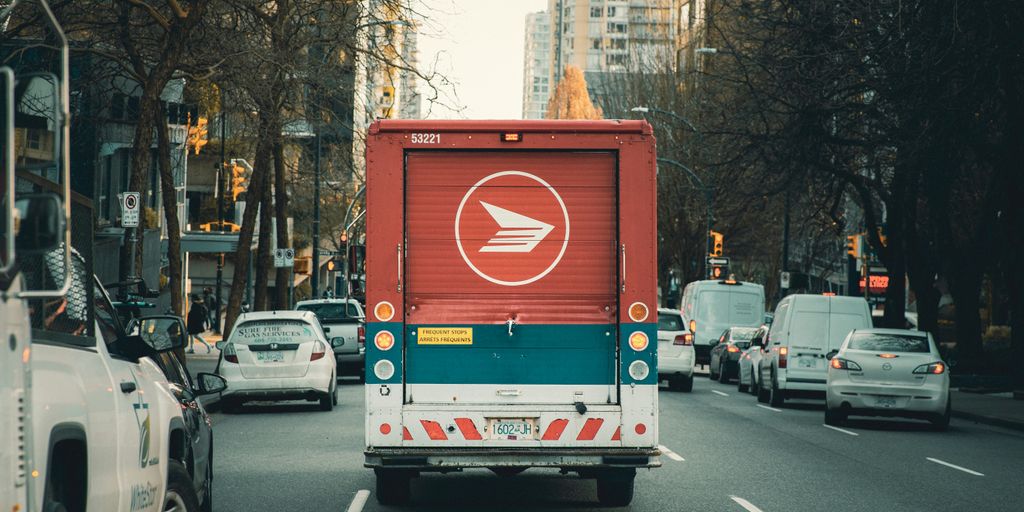
Last-mile delivery is becoming super important, no joke. It’s that final stretch where the package goes from the local hub right to your door. And guess what? It’s a bigger deal than ever, especially with everyone buying stuff online.
Critical Differentiator in E-commerce
Last-mile delivery is now a key thing that sets e-commerce businesses apart. If you mess this up, customers will notice. People want their stuff fast and in good shape. If you can nail the last-mile delivery, you’re way more likely to keep customers happy and coming back for more. It’s not just about getting the package there; it’s about the whole experience.
Reducing Costs and Increasing Efficiency
Okay, so last-mile delivery can be expensive. Like, really expensive. But companies are figuring out ways to cut those costs and be more efficient. Think better delivery windows and smarter routes. The goal is to get packages to people without burning a hole in your wallet. It’s a tough balance, but it’s crucial for staying competitive. Here’s a quick look at how costs break down:
| Cost Area | Percentage of Total Last-Mile Cost |
|---|---|
| Transportation | 60% |
| Labor | 25% |
| Technology | 10% |
| Other (Fuel, etc.) | 5% |
Meeting Customer Expectations
Customers these days? They expect a lot. Fast delivery is a must, but they also want to know where their package is at all times. Real-time tracking is a game-changer. And if something goes wrong, they expect you to fix it, fast. Meeting these expectations isn’t just nice to have; it’s essential for survival. If you don’t, they’ll just go somewhere else. Here are some key expectations:
- Fast and reliable delivery
- Real-time tracking and updates
- Flexible delivery options
- Easy returns process
Technological Innovations in Last-Mile Delivery
Last-mile delivery is getting a serious tech upgrade! It’s not just about getting packages to people; it’s about doing it smarter, faster, and cheaper. Expect to see even more tech playing a huge role in how things get from the warehouse to your door.
AI-Powered Route Optimization
AI is changing the game when it comes to route optimization. Forget old-school GPS; we’re talking about systems that learn from tons of data – traffic patterns, weather, even the layout of apartment buildings – to figure out the absolute best way for a driver to get from point A to point B. This means fewer delays, lower fuel costs, and happier customers. It’s like having a super-smart co-pilot for every delivery.
Drones and Autonomous Vehicles
Okay, flying drones delivering everything might still feel like something out of a movie, but the progress is real. Autonomous vehicles, including self-driving vans and drones, are being tested and rolled out in more areas. The main goal is to cut down on labor costs and speed up deliveries, especially in areas where it’s hard to find drivers. There are still hurdles, like regulations and safety concerns, but the potential is huge. Here’s a quick look at the projected growth:
| Year | Autonomous Delivery Vehicles in Use (Projected) |
|---|---|
| 2025 | 5,000 |
| 2027 | 25,000 |
| 2030 | 150,000+ |
Real-Time Tracking and Visibility
Remember when you had to guess when your package would arrive? Those days are fading fast. Customers now expect to know exactly where their stuff is at all times. Real-time tracking is becoming standard, with apps and websites showing you the driver’s location, estimated arrival times, and even photos of your package at the door. This level of delivery visibility builds trust and reduces those annoying "where’s my stuff?" calls. It’s all about keeping the customer in the loop.
Environmental Sustainability in Last-Mile Delivery
Environmental concerns are a big deal, and they’re pushing last-mile delivery to get greener. Companies are trying all sorts of things to cut down on their carbon footprint, partly because they have to follow new rules, but also because customers want eco-friendly options. It’s a win-win, really.
Adoption of Electric Delivery Vehicles
The shift to electric vehicles (EVs) is speeding up. Big logistics companies are putting money into EV fleets, and that’s expected to keep growing. It’s not just about cars and vans either; electric bikes and scooters are also becoming popular for deliveries in cities. The main problem is still the cost of EVs and setting up charging stations, but as technology gets better and prices come down, it’ll be easier for everyone to switch. Plus, governments are incentivizing EV adoption, which helps a lot.
Sustainable Packaging Solutions
Packaging is another area where things are changing. People are starting to move away from single-use plastics and looking for stuff that’s biodegradable, compostable, or recycled. Companies are also trying to use less packaging overall, which cuts down on waste and saves money. Customers like it when they see eco-friendly packaging, and it can make a real difference to a company’s image.
Carbon Footprint Reduction
Cutting down on carbon emissions is a big goal for last-mile delivery. It’s not just about using EVs; it’s also about planning routes better, so trucks aren’t driving around unnecessarily. Companies are using software to figure out the best routes and avoid traffic. Some are even using micro-fulfillment centers closer to customers, so deliveries don’t have to travel as far. It’s all about finding ways to be more efficient and reduce the impact on the environment.
Evolving Consumer Expectations
Consumer expectations are changing fast. What was considered amazing service last year is just normal now. People want more control, more speed, and more ways to get their stuff. It’s a tough game for last-mile delivery startups.
Demand for Faster Deliveries
Speed is king. Forget waiting days; people want their orders now. Same-day delivery is becoming the standard, and instant delivery is the new holy grail. A recent study showed that a significant chunk of consumers are willing to pay extra for same-day delivery. To meet this demand, companies are investing in things like micro-fulfillment centers and better route optimization. It’s all about getting the product to the customer ASAP.
Personalized Delivery Experiences
It’s not just about speed; it’s about making the delivery experience fit the customer’s life. People want options. Think about it:
- Choosing specific delivery windows. "Leave it on the porch" or "ring the bell" options.
- Real-time order tracking so they know exactly when their package will arrive.
- Alternative delivery locations, like lockers or nearby stores.
Companies that offer this level of personalization are more likely to build customer loyalty. It shows you care about their needs.
Convenience and Flexibility
Consumers want delivery to fit their schedules, not the other way around. This means offering a range of options and being adaptable. Consider these points:
- Easy rescheduling if something comes up.
- Multiple delivery options (home, office, pickup point).
- Clear and proactive communication about delays or changes.
Making delivery convenient and flexible is key to keeping customers happy. It’s about making the whole process as easy as possible for them.
Expansion of Delivery Models
Last-mile delivery is changing fast. It’s not just about getting a package from point A to point B anymore. Companies are trying out all sorts of new ways to get goods to customers, and some of these models are really taking off. It’s interesting to see how businesses are adapting to meet customer needs and stay competitive. The expansion of delivery models is crucial for startups to remain competitive in the evolving landscape.
Rise of Subscription-Based Delivery
Subscription-based delivery is becoming a big deal. Think about it: you get your coffee, pet food, or even groceries delivered regularly without having to think about reordering. It’s super convenient for customers, and it gives businesses a steady stream of income. I saw a statistic the other day that said something like 60% of households will have at least one subscription service by the end of next year. That’s a lot of potential customers for scheduled deliveries!
Growth of Micro-Fulfillment Centers
Micro-fulfillment centers are popping up everywhere. These are basically small warehouses located close to where people live. The idea is to store products closer to customers so deliveries can be faster and cheaper. It makes a lot of sense, especially in crowded cities where traffic is a nightmare. Plus, with more companies offering same-day or even delivery windows, having these local hubs is almost a necessity.
Extension to 4PL and 5PL Services
Okay, this is where things get a little more complicated. You’ve probably heard of 3PL (third-party logistics), where companies outsource some of their supply chain stuff. But now there’s 4PL and 5PL. Basically, they take on even more responsibility. 4PL providers manage the whole logistics function, and 5PL providers manage entire supply networks. It’s like they’re trying to create a super-efficient, end-to-end solution. It’s a big step up from just using third-party logistics for a piece of the puzzle.
Addressing Operational Challenges
Last-mile delivery startups in 2025 aren’t just dealing with cool tech and sustainability goals; they’re also facing some seriously tough operational hurdles. It’s not all sunshine and roses, you know? Let’s break down some of the biggest headaches.
Mitigating Increased Costs and Pricing
Okay, so everyone wants faster, greener, and more personalized deliveries. But guess what? All that stuff costs money. Startups are feeling the squeeze from rising fuel prices, labor costs, and the expense of implementing new technologies. It’s a balancing act between keeping customers happy and not going broke. One way to deal with this is to really nail down efficiency. Think about it: fewer failed deliveries mean less wasted fuel and reduced operational costs. Another thing is to be upfront with customers about pricing. People are often willing to pay a bit more for quality service, as long as they know what they’re getting.
Navigating Traffic Congestion
Traffic jams are the bane of every delivery driver’s existence. And for startups promising speedy deliveries, congestion can be a real killer. It throws off schedules, wastes fuel, and makes customers angry. So, what’s the solution? Well, there’s no magic bullet, but here are a few ideas:
- AI-powered route optimization can help drivers avoid the worst traffic spots in real-time.
- Using smaller, more agile vehicles (like e-bikes or scooters) can help navigate crowded urban areas.
- Working with local authorities to create dedicated delivery zones or prioritize delivery vehicles during peak hours.
Ensuring Safety and Security of Deliveries
Package theft is a major concern for both customers and delivery companies. No one wants their stuff stolen off their porch. Plus, there’s the risk of accidents and injuries for delivery drivers. Here’s what startups can do to improve safety and security:
- Implement stricter background checks and training programs for drivers.
- Use tamper-proof packaging and delivery confirmation systems.
- Offer customers options like secure drop-off locations or scheduled delivery windows. This gives consignees control over their deliveries.
- Invest in technology like dashcams and GPS tracking to monitor driver behavior and prevent accidents.
Conclusion: Getting Ready for What’s Next in Last-Mile Delivery
So, the world of last-mile delivery in 2025 is going to be pretty busy. It’s important for businesses to keep up with new ideas and numbers. This way, they can change how they do things to match what customers want and find new chances to grow. Whether it’s using smart computer programs to plan routes or being more friendly to the environment, there are lots of ways to make your delivery work better and stay ahead. As things keep changing, putting money into the right tools and tech will be a big deal. Programs like EasyRoutes can help businesses make their delivery steps better. This helps them meet what customers expect and still make money.




Prosecutors Say Jason Finkelstein Spent 11 Seconds Reviewing Cardiac Images Before Clearing a Teenage Athlete

Prosecutors Say Jason Finkelstein Spent 11 Seconds Reviewing Cardiac Images Before Clearing a Teenage Athlete
Prosecutors Say Jason Finkelstein Spent 11 Seconds Reviewing Cardiac Images Before Clearing a Teenage Athlete
Prosecutors Say Jason Finkelstein Spent 11 Seconds Reviewing Cardiac Images Before Clearing a Teenage Athlete

Prosecutors Say Jason Finkelstein Spent 11 Seconds Reviewing Cardiac Images Before Clearing a Teenage Athlete
Prosecutors Say Jason Finkelstein Spent 11 Seconds Reviewing Cardiac Images Before Clearing a Teenage Athlete

Prosecutors Say Jason Finkelstein Spent 11 Seconds Reviewing Cardiac Images Before Clearing a Teenage Athlete
Prosecutors Say Jason Finkelstein Spent 11 Seconds Reviewing Cardiac Images Before Clearing a Teenage Athlete
Prosecutors Say Jason Finkelstein Spent 11 Seconds Reviewing Cardiac Images Before Clearing a Teenage Athlete

Prosecutors Say Jason Finkelstein Spent 11 Seconds Reviewing Cardiac Images Before Clearing a Teenage Athlete
Prosecutors Say Jason Finkelstein Spent 11 Seconds Reviewing Cardiac Images Before Clearing a Teenage Athlete
Prosecutors Say Jason Finkelstein Spent 11 Seconds Reviewing Cardiac Images Before Clearing a Teenage Athlete
Prosecutors Say Jason Finkelstein Spent 11 Seconds Reviewing Cardiac Images Before Clearing a Teenage Athlete

Prosecutors Say Jason Finkelstein Spent 11 Seconds Reviewing Cardiac Images Before Clearing a Teenage Athlete
Prosecutors Say Jason Finkelstein Spent 11 Seconds Reviewing Cardiac Images Before Clearing a Teenage Athlete

-
Alternative Energy5 days ago
Brian Rowan’s Possible Defense: No Intent, No Control, No Fraud, Just Sales
-
Alternative Energy5 days ago
Federal Grand Jury Indicts Oren Shachar in Hospice Fraud Case
-
Business4 days ago
How Darrell Seale Builds High-Performing Teams Through Service-Based Leadership
-
Education4 days ago
Daniel Cullen Delafield on Bridging Executive Leadership and Skilled Trades Development
-

 News2 days ago
Prosecutors Say Jason Finkelstein Spent 11 Seconds Reviewing Cardiac Images Before Clearing a Teenage Athlete
-
News2 days ago
Prosecutors Say Jason Finkelstein Spent 11 Seconds Reviewing Cardiac Images Before Clearing a Teenage Athlete
-
News2 days ago
Prosecutors Say Jason Finkelstein Spent 11 Seconds Reviewing Cardiac Images Before Clearing a Teenage Athlete
-
News2 days ago
Prosecutors Say Jason Finkelstein Spent 11 Seconds Reviewing Cardiac Images Before Clearing a Teenage Athlete