
Automotive
The Future Is Now: How Tesla Is Revolutionizing Transportation


The way we get around is changing fast, and a big part of that change comes from Tesla. This company has really shaken things up, making electric cars cool and pushing for self-driving tech. It’s not just about new cars, though. Tesla is also making us think differently about how our cities are set up and what owning a car even means. It’s a pretty interesting time for transportation, and Tesla is right at the center of it all.
Key Takeaways
- Tesla is making big moves in self-driving cars, with plans for robotaxis that could change how we travel.
- Self-driving tech from tesla might make our cities look different, like how homes are built and where we park.
- Tesla has made electric cars popular, showing everyone that sustainable transportation can be exciting.
- The idea of owning a car could shift, with more people using shared, self-driving vehicles from tesla.
- There are still things to figure out, like rules and what happens to jobs, as tesla and similar companies keep changing transportation.
Tesla’s Autonomous Driving Revolution
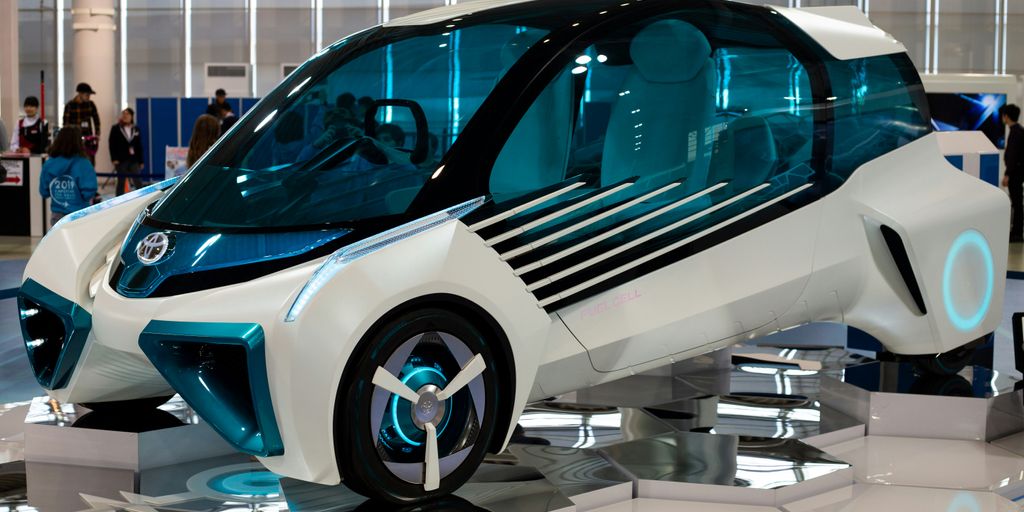
The Robotaxi Revolution: Ultra-Durable Electric Cars and Tesla’s Ambitions
Imagine a world where your car lasts a million miles. Sounds crazy, right? Well, Tesla’s working on it. They’re aiming for ultra-durable electric cars that can handle serious mileage without needing constant repairs. This is a big deal because it opens the door for affordable robotaxi services. Think about it: cars that last longer mean lower costs, and that means cheaper rides for everyone. Elon Musk has talked about this vision for a while, and it’s starting to look like it could actually happen. It could seriously change how we think about transportation.
Full Self-Driving Technology: Impact on Cities and Lifestyles
Tesla’s Full Self-Driving (FSD) tech isn’t just about cars driving themselves; it’s about reshaping our cities and lifestyles. If commutes become more relaxed and productive, people might be okay with living further away from work. This could lead to changes in urban planning, with more focus on suburban or even rural living. Plus, think about the possibilities for people who can’t drive themselves – FSD could give them a whole new level of independence. It’s not just about getting from point A to point B; it’s about changing how we live.
Software, Automation, and the Future of Autonomous Driving
Tesla’s cars are basically computers on wheels, and that’s a huge advantage. They get regular software updates that add new features and improve performance. This is something traditional car companies just couldn’t do on the same scale. Tesla’s Autopilot system has already changed the game, even though full self-driving is still in development. The company’s commitment to advancing autonomous technology puts them at the forefront of the future of driving. It’s all about software, automation, and making cars smarter over time.
Reshaping Urban Landscapes with Tesla
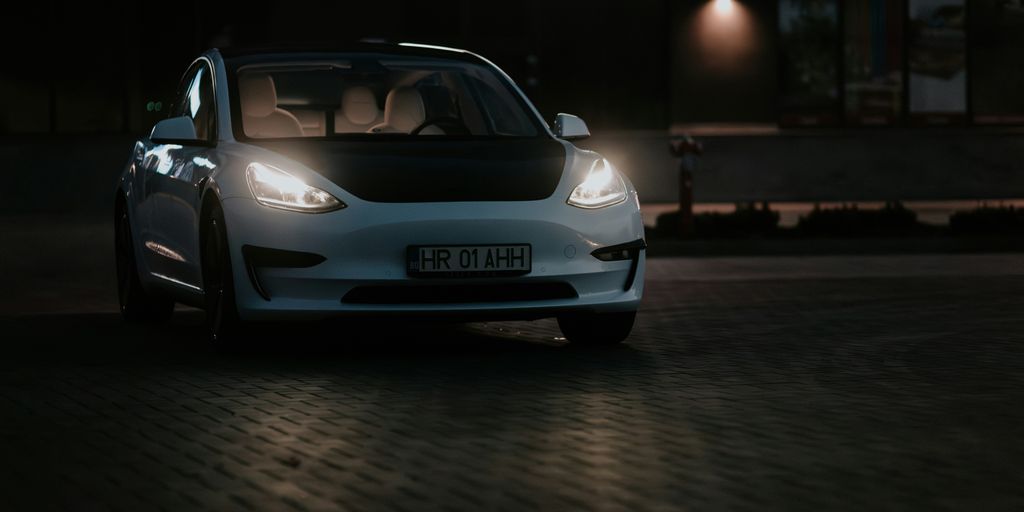
Tesla’s influence extends far beyond just making cars. It’s starting to change how our cities are designed and how we think about owning vehicles. It’s a pretty big deal, honestly.
The Ripple Effect: Changes in Home Design and Urban Planning
With more people using electric and self-driving cars, some things might change. One big change could be how we design our homes. Think about it: if fewer people own cars, do we really need all those garages? Architects might start designing homes without garages, or they could turn that space into something else, like a home office or an extra bedroom. Also, with autonomous buses becoming more common, city planners might rethink how much parking space we need. All those parking lots could become parks or new buildings. It’s kind of exciting to think about the possibilities.
Innovative Vehicle Concepts for an Array of Activities
Imagine vehicles designed for specific activities. Instead of just a car that gets you from point A to point B, you could have a vehicle that’s like a mobile office, complete with desks and monitors. Or maybe a vehicle designed for long road trips with the family, like a self-driving RV. Tesla’s working on adding more entertainment to the car, but that’s just the beginning. The possibilities are endless. Here’s a quick look at some potential specialized vehicles:
- Mobile offices for commuters
- Autonomous RVs for family trips
- Entertainment vehicles for social gatherings
Redefining Car Ownership with Tesla
Tesla’s pushing us away from the idea of everyone needing to own a car. With robotaxis and shared autonomous fleets, you might not need to own a vehicle at all. You could just summon a ride when you need it. This could really change things, especially in cities where parking is a nightmare and traffic is awful. Plus, it could save people a lot of money on car payments, insurance, and maintenance. Tesla’s vision for the future includes shared autonomous fleets, which could reduce the need for individual car ownership and cut down on emissions. It’s a pretty compelling vision, and it could make our cities cleaner and quieter.
Tesla’s Impact on Sustainable Transportation
Tesla has really shaken things up in the world of sustainable transportation. It’s not just about making electric cars; it’s about changing how we think about driving and the environment. They’ve made a big splash, and other car companies are taking notice.
Transforming Electric Vehicles into Desirable Machines
For a long time, electric cars were seen as slow, boring, and not very practical. Tesla changed all that. They made EVs that are fast, stylish, and packed with cool technology. This made people actually want to drive electric, not just feel like they should. Tesla’s success has shown other automakers that there’s a huge market for EVs, pushing them to develop their own electric models. Now, almost every major car company is investing in electric vehicles, which is a big win for the environment. Tesla has proven that green cars can be exciting and desirable, not just a compromise.
A Cultural Shift: Making Sustainability Cool
Tesla has done more than just build electric cars; they’ve made sustainability cool. Their cars have become status symbols, showing that you care about the environment and appreciate cutting-edge technology. This has helped to change the perception of EVs, making them appealing to a wider range of people. It’s not just about reducing emissions; it’s about driving a car that looks good and makes a statement. Tesla’s influence extends beyond just cars, shaping policies and encouraging companies to prioritize environmental responsibility. For example, environmentally conscious Tesla owners can enhance their vehicles with sustainable accessories like sunshades or carbon-neutral cleaning products.
Reducing Emissions and Congestion with Tesla
Tesla’s electric cars produce zero tailpipe emissions, which helps to reduce air pollution in cities. Plus, Tesla is working on technologies like autonomous driving and ride-sharing, which could help to reduce traffic congestion. By making electric cars more accessible and convenient, Tesla is helping to create a cleaner, more sustainable transportation system. Tesla owners have prevented over 30 million metric tons of CO2e emissions, and the global Supercharging network is powered entirely by renewable energy.
The Future of Mobility with Tesla
Embracing Tesla’s Vision for the Future of Transportation
Tesla is really changing how we think about getting around. The company’s focus on electric vehicles and self-driving tech is pointing toward a future where transportation is more efficient and sustainable. It’s not just about cars; it’s about a whole new way of moving people and goods. Tesla’s vision includes things like robotaxis and specialized vehicles, all designed to make transportation easier and more accessible for everyone. It’s a pretty big shift from how things are now, and it’s exciting to see where it goes. You can see how Tesla envisions a robotaxi in the future.
Specialized Vehicles for Diverse Needs
Tesla isn’t just making cars for everyday driving. They’re also thinking about different kinds of vehicles for specific purposes. Imagine electric vans for deliveries, or even specialized vehicles for construction or agriculture. This approach could really shake up various industries, making them more efficient and eco-friendly. It’s about tailoring transportation to fit the needs of different sectors, rather than just offering a one-size-fits-all solution. Here are some potential areas where specialized vehicles could make a big impact:
- Delivery Services: Electric vans could reduce emissions and operating costs for delivery companies.
- Construction: Rugged, electric vehicles could handle tough terrain and reduce noise pollution on job sites.
- Agriculture: Autonomous tractors and harvesters could improve efficiency and reduce labor costs for farmers.
Long-Term Vision: Shared Autonomous Fleets
Tesla’s long-term plan goes beyond just selling cars. They envision a future where Tesla vehicles operate as part of a shared, autonomous fleet. This means you could summon a self-driving Tesla whenever you need a ride, without having to own a car yourself. This could reduce traffic congestion, lower emissions, and make transportation more affordable for everyone. It’s a pretty ambitious goal, but if Tesla can pull it off, it could really transform our cities and our lives. This is all part of connected sports and how technology is changing everything.
Navigating the New Era of Transportation
Regulatory and Ethical Considerations in a Transformative Era
Okay, so things are changing fast, right? With all these self-driving cars and electric vehicles popping up, we gotta figure out the rules of the road, like, for real. Governments need to step up and make some solid policies to make sure everyone’s safe and that things are fair when it comes to electric and autonomous vehicles. It’s not just about the tech; it’s about how it affects people’s lives.
- Who’s responsible if a self-driving car crashes?
- What happens to all the data these cars collect?
- How do we make sure this tech is used for good, not evil?
These are the questions we need to answer, and it’s gonna take everyone working together – governments, car companies, tech folks – to figure it out. It’s a big puzzle, but we gotta solve it.
Addressing Job Displacement and Infrastructure Needs
Let’s be real, this whole transportation revolution is gonna shake things up. What happens to all the truck drivers, taxi drivers, and delivery folks when self-driving cars take over? It’s a tough question, and we can’t just ignore it. We need to think about retraining programs and new job opportunities for people who might be affected. It’s not just about the cool new tech; it’s about taking care of the people who might get left behind. Plus, all these electric cars need charging stations, and self-driving cars need smart roads. That means we need to invest in new infrastructure to support this new era of transportation. It’s gonna cost money, but it’s an investment in the future. Here’s a quick look at some potential infrastructure needs:
| Infrastructure | Estimated Cost (per mile) |
|---|---|
| Charging Stations | $50,000 – $100,000 |
| Smart Road Sensors | $20,000 – $40,000 |
| Updated Traffic Signals | $10,000 – $20,000 |
Collaboration for a Safer, Greener Future
This isn’t a solo mission; it’s a team effort. We need everyone – governments, car companies, tech developers, and even regular folks – to work together to make this transportation revolution a success. That means sharing ideas, working on common standards, and making sure everyone has a voice. The goal is to create a transportation system that’s safer, greener, and more accessible for everyone. It’s a big challenge, but if we all work together, we can make it happen. Think about it: fewer accidents, cleaner air, and easier ways to get around. That’s a future worth working for. We need to focus on:
- Open communication between all parties.
- Common safety standards for autonomous vehicles.
- Public education about the benefits and risks of new transportation technologies.
The Road Ahead: Tesla’s Lasting Impact
So, what does all this mean for us? Well, Tesla really changed the game. They showed everyone that electric cars could be cool and fast, not just some weird eco-friendly thing. And with their self-driving stuff, they’re pushing us toward a future where maybe we don’t even own cars anymore, or at least not in the same way. It’s a big shift, and yeah, there are some things to figure out, like jobs and how cities will look. But one thing’s for sure: Tesla got the ball rolling, and now transportation is never going to be the same. It’s pretty wild to think about, actually.




Prosecutors Say Jason Finkelstein Spent 11 Seconds Reviewing Cardiac Images Before Clearing a Teenage Athlete

Prosecutors Say Jason Finkelstein Spent 11 Seconds Reviewing Cardiac Images Before Clearing a Teenage Athlete
Prosecutors Say Jason Finkelstein Spent 11 Seconds Reviewing Cardiac Images Before Clearing a Teenage Athlete
Prosecutors Say Jason Finkelstein Spent 11 Seconds Reviewing Cardiac Images Before Clearing a Teenage Athlete

Prosecutors Say Jason Finkelstein Spent 11 Seconds Reviewing Cardiac Images Before Clearing a Teenage Athlete
Prosecutors Say Jason Finkelstein Spent 11 Seconds Reviewing Cardiac Images Before Clearing a Teenage Athlete

Prosecutors Say Jason Finkelstein Spent 11 Seconds Reviewing Cardiac Images Before Clearing a Teenage Athlete
Prosecutors Say Jason Finkelstein Spent 11 Seconds Reviewing Cardiac Images Before Clearing a Teenage Athlete
Prosecutors Say Jason Finkelstein Spent 11 Seconds Reviewing Cardiac Images Before Clearing a Teenage Athlete

Prosecutors Say Jason Finkelstein Spent 11 Seconds Reviewing Cardiac Images Before Clearing a Teenage Athlete
Prosecutors Say Jason Finkelstein Spent 11 Seconds Reviewing Cardiac Images Before Clearing a Teenage Athlete
Prosecutors Say Jason Finkelstein Spent 11 Seconds Reviewing Cardiac Images Before Clearing a Teenage Athlete
Prosecutors Say Jason Finkelstein Spent 11 Seconds Reviewing Cardiac Images Before Clearing a Teenage Athlete

Prosecutors Say Jason Finkelstein Spent 11 Seconds Reviewing Cardiac Images Before Clearing a Teenage Athlete
Prosecutors Say Jason Finkelstein Spent 11 Seconds Reviewing Cardiac Images Before Clearing a Teenage Athlete

-
Alternative Energy5 days ago
Brian Rowan’s Possible Defense: No Intent, No Control, No Fraud, Just Sales
-
Alternative Energy5 days ago
Federal Grand Jury Indicts Oren Shachar in Hospice Fraud Case
-
Business4 days ago
How Darrell Seale Builds High-Performing Teams Through Service-Based Leadership
-
Education4 days ago
Daniel Cullen Delafield on Bridging Executive Leadership and Skilled Trades Development
-

 News2 days ago
Prosecutors Say Jason Finkelstein Spent 11 Seconds Reviewing Cardiac Images Before Clearing a Teenage Athlete
-
News2 days ago
Prosecutors Say Jason Finkelstein Spent 11 Seconds Reviewing Cardiac Images Before Clearing a Teenage Athlete
-
News2 days ago
Prosecutors Say Jason Finkelstein Spent 11 Seconds Reviewing Cardiac Images Before Clearing a Teenage Athlete
-
News2 days ago
Prosecutors Say Jason Finkelstein Spent 11 Seconds Reviewing Cardiac Images Before Clearing a Teenage Athlete