
Healthcare
Reproductive Health and Family Planning: What Every Woman Should Know


Reproductive health and family planning are critical aspects of women’s health care that affect their quality of life and overall well-being. In recent years, there have been significant developments in understanding and improving reproductive health, focusing on expanding access to services, advancing medical research, and addressing policy and socio-economic factors. This report provides a comprehensive analysis of the current state of reproductive health and family planning, drawing on data from reputable sources and recent studies.
Reproductive Health: An Overview
Reproductive health encompasses the complete well-being of the reproductive system throughout a person’s life. According to the World Health Organization (WHO), it includes the ability to have a satisfying and safe sex life, the capability to reproduce, and the freedom to decide if, when, and how often to do so.
Key Aspects of Reproductive Health
Menstrual Health: Menstruation is a natural biological process, but many women face challenges such as dysmenorrhea (painful periods) and menorrhagia (heavy bleeding). Effective management of menstrual health is crucial for overall well-being.
Sexual Health: Sexual health includes the prevention and treatment of sexually transmitted infections (STIs), including HIV. Safe sexual practices and regular screenings are essential components of maintaining sexual health.
Pregnancy and Childbirth: Access to quality prenatal and postnatal care ensures the health of both mother and baby. Advances in medical care have significantly reduced maternal and infant mortality rates.
Menopause: The transition to menopause can bring various health challenges, including hot flashes, mood swings, and increased risk of osteoporosis. Hormone replacement therapy (HRT) and other treatments can help manage these symptoms.
Family Planning: A Crucial Component
Family planning enables individuals and couples to anticipate and attain their desired number of children and the spacing and timing of their births. It is a critical factor in improving maternal and child health and is associated with better educational and economic outcomes.
Methods of Contraception
Hormonal Contraceptives: These include oral contraceptive pills, patches, and injections. Hormonal methods work by preventing ovulation and altering the uterine lining to prevent implantation.
Barrier Methods: Condoms, diaphragms, and cervical caps fall into this category. These methods physically prevent sperm from reaching the egg and can also protect against STIs.
Long-Acting Reversible Contraceptives (LARCs): Intrauterine devices (IUDs) and contraceptive implants are highly effective and require minimal maintenance once in place.
Sterilization: Permanent methods such as tubal ligation for women and vasectomy for men provide a long-term solution for those who are certain they do not want more children.
Current Trends and Developments
Increased Access to Contraceptive Methods: Globally, there has been a push to expand access to a wide range of contraceptive options. This includes efforts to make contraception more affordable and accessible in low-income and developing regions.
Innovations in Reproductive Technology: Advances in reproductive technology, such as the development of non-hormonal contraceptives and personalized medicine approaches, are shaping the future of family planning.
Focus on Menstrual Health: There is a growing recognition of the importance of menstrual health, with initiatives aimed at improving menstrual hygiene management and addressing menstrual disorders.
Policy and Advocacy: Organizations and governments are increasingly focusing on reproductive rights and gender equality as integral to health policy. This includes supporting comprehensive sex education and removing barriers to accessing reproductive health services.
Challenges and Opportunities
Economic Barriers: Economic disparities continue to affect access to reproductive health services. Women in low-income settings often face challenges in accessing contraceptives and quality health care.
Cultural and Social Barriers: Cultural norms and stigma around reproductive health can limit women’s access to necessary services. Educating communities and promoting gender equity are essential for overcoming these barriers.
Global Health Initiatives: International organizations like the WHO and UNFPA are working to address these challenges through global health initiatives, including improving health infrastructure and funding reproductive health programs.
Educational Efforts: Comprehensive sex education and public awareness campaigns play a critical role in empowering women to make informed decisions about their reproductive health
Technological Innovations
Technological advancements have significantly transformed the landscape of reproductive health and family planning. Innovations in this field not only enhance the effectiveness of existing methods but also introduce new solutions that offer greater convenience, precision, and accessibility. This section explores some of the most impactful technological innovations shaping reproductive health today.
Advances in Contraceptive Technology
- Non-Hormonal Contraceptives
Recent research has focused on developing non-hormonal contraceptive methods, which cater to individuals who may experience adverse effects from hormonal options or prefer alternatives. For example, researchers are exploring molecules that target sperm function or the uterine environment to prevent pregnancy without altering hormone levels. One promising candidate is the use of the hormone-free vaginal ring, which delivers contraceptive agents directly to the site of action, potentially reducing systemic side effects.
- Long-Acting Reversible Contraceptives (LARCs)
LARCs, including intrauterine devices (IUDs) and contraceptive implants, have become a cornerstone of modern contraceptive methods due to their high efficacy and low maintenance. Recent advancements have led to the development of new types of IUDs that offer longer durations of use and fewer side effects. For instance, the hormonal IUDs available today can prevent pregnancy for up to five years, while new designs aim to improve user comfort and reduce menstrual symptoms.
- Fertility Tracking and Wearable Technology
Wearable devices and mobile applications have revolutionized fertility tracking by allowing individuals to monitor their reproductive health with precision. Devices like smartwatches and sensor patches can track physiological indicators such as body temperature and hormone levels, providing users with real-time data on their menstrual cycle and ovulation patterns. This technology empowers individuals to make informed decisions about conception and contraception, and some platforms even offer integration with telehealth services for personalized guidance.
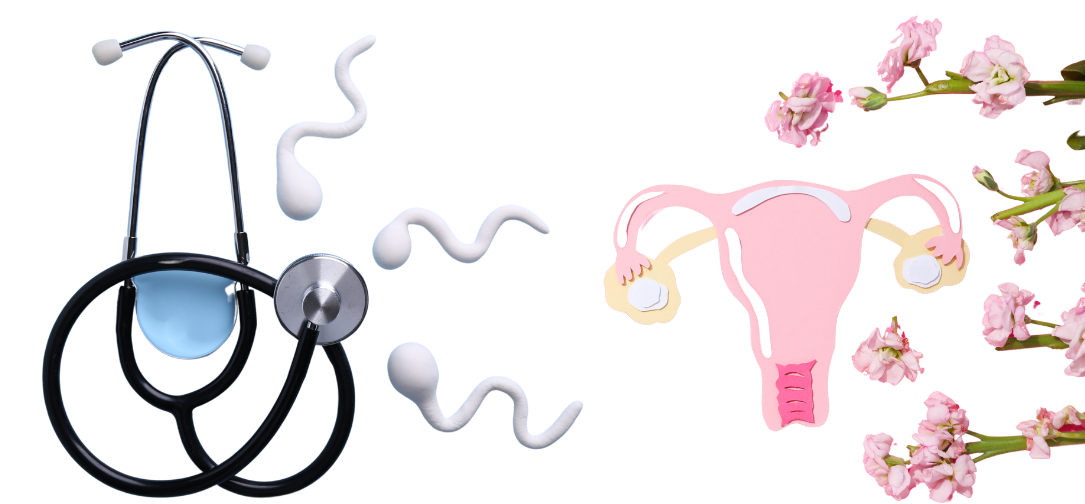
Innovations in Reproductive Health Monitoring
- Digital Health Solutions
The integration of digital health solutions into reproductive health care has expanded access and improved patient outcomes. Telemedicine platforms now allow individuals to consult with healthcare providers remotely, receive prescriptions for contraceptives, and manage their reproductive health without the need for in-person visits. This is particularly beneficial for individuals in rural or underserved areas where access to specialized care may be limited.
- Enhanced Diagnostic Tools
Technological advancements have also improved diagnostic tools used in reproductive health. For example, advancements in imaging technology, such as high-resolution ultrasound and magnetic resonance imaging (MRI), enable more accurate assessments of reproductive organs and early detection of conditions like endometriosis and fibroids. These tools facilitate timely interventions and better management of reproductive health issues.
Innovations in Assisted Reproductive Technology (ART)
- In Vitro Fertilization (IVF) and Beyond
Assisted reproductive technologies, including in vitro fertilization (IVF), have seen significant innovations aimed at increasing success rates and minimizing risks. Recent developments include the use of preimplantation genetic testing (PGT) to screen embryos for genetic abnormalities, thus improving the likelihood of a successful pregnancy and healthy baby. Additionally, advancements in embryo freezing and storage technologies offer more flexibility for individuals and couples planning their families.
- CRISPR and Genetic Modifications
The advent of CRISPR technology has opened new avenues for genetic modification in reproductive health. While still in the experimental stages, CRISPR holds the potential to correct genetic disorders at the embryo stage, offering hope for preventing hereditary diseases. However, this technology also raises ethical considerations and requires careful regulation to balance innovation with ethical implications.
Expanding Access Through Technology
- Mobile Health (mHealth) Initiatives
Mobile health initiatives have become crucial in expanding access to reproductive health services, especially in low-resource settings. Mobile apps and text messaging services provide educational resources, reminders for contraceptive use, and information on where to access health services. These tools help bridge gaps in healthcare delivery and reach populations that might otherwise be underserved.
- AI and Machine Learning
Artificial intelligence (AI) and machine learning are increasingly being used to analyze large datasets related to reproductive health. These technologies can identify patterns and predict outcomes, such as the likelihood of pregnancy success with different treatments. AI-driven platforms also assist in personalized medicine approaches, tailoring treatments based on individual health profiles and genetic information.
Conclusion
Reproductive health and family planning are fundamental components of women’s health care. Advances in medical research, improved access to services, and ongoing policy efforts are helping to address many of the challenges faced by women globally. However, continued efforts are needed to overcome economic, cultural, and social barriers to ensure that all women have access to the care and information they need. By focusing on these areas, society can work towards a future where reproductive health and family planning are universally accessible and effectively managed.






















Prosecutors Say Jason Finkelstein Spent 11 Seconds Reviewing Cardiac Images Before Clearing a Teenage Athlete

Prosecutors Say Jason Finkelstein Spent 11 Seconds Reviewing Cardiac Images Before Clearing a Teenage Athlete
Prosecutors Say Jason Finkelstein Spent 11 Seconds Reviewing Cardiac Images Before Clearing a Teenage Athlete
Prosecutors Say Jason Finkelstein Spent 11 Seconds Reviewing Cardiac Images Before Clearing a Teenage Athlete

Prosecutors Say Jason Finkelstein Spent 11 Seconds Reviewing Cardiac Images Before Clearing a Teenage Athlete
Prosecutors Say Jason Finkelstein Spent 11 Seconds Reviewing Cardiac Images Before Clearing a Teenage Athlete

Prosecutors Say Jason Finkelstein Spent 11 Seconds Reviewing Cardiac Images Before Clearing a Teenage Athlete
Prosecutors Say Jason Finkelstein Spent 11 Seconds Reviewing Cardiac Images Before Clearing a Teenage Athlete
Prosecutors Say Jason Finkelstein Spent 11 Seconds Reviewing Cardiac Images Before Clearing a Teenage Athlete

Prosecutors Say Jason Finkelstein Spent 11 Seconds Reviewing Cardiac Images Before Clearing a Teenage Athlete
Prosecutors Say Jason Finkelstein Spent 11 Seconds Reviewing Cardiac Images Before Clearing a Teenage Athlete
Prosecutors Say Jason Finkelstein Spent 11 Seconds Reviewing Cardiac Images Before Clearing a Teenage Athlete
Prosecutors Say Jason Finkelstein Spent 11 Seconds Reviewing Cardiac Images Before Clearing a Teenage Athlete

Prosecutors Say Jason Finkelstein Spent 11 Seconds Reviewing Cardiac Images Before Clearing a Teenage Athlete
Prosecutors Say Jason Finkelstein Spent 11 Seconds Reviewing Cardiac Images Before Clearing a Teenage Athlete

-
Alternative Energy5 days ago
Brian Rowan’s Possible Defense: No Intent, No Control, No Fraud, Just Sales
-
Alternative Energy5 days ago
Federal Grand Jury Indicts Oren Shachar in Hospice Fraud Case
-
Business4 days ago
How Darrell Seale Builds High-Performing Teams Through Service-Based Leadership
-
Education4 days ago
Daniel Cullen Delafield on Bridging Executive Leadership and Skilled Trades Development
-

 News2 days ago
Prosecutors Say Jason Finkelstein Spent 11 Seconds Reviewing Cardiac Images Before Clearing a Teenage Athlete
-
News2 days ago
Prosecutors Say Jason Finkelstein Spent 11 Seconds Reviewing Cardiac Images Before Clearing a Teenage Athlete
-
News2 days ago
Prosecutors Say Jason Finkelstein Spent 11 Seconds Reviewing Cardiac Images Before Clearing a Teenage Athlete
-
News2 days ago
Prosecutors Say Jason Finkelstein Spent 11 Seconds Reviewing Cardiac Images Before Clearing a Teenage Athlete