
Tech News
Remembering the Best 2017 Phone: A Look Back at Mobile Innovation


Back in 2017, the phone world was pretty wild. It was a year when phone makers really stepped up their game, trying to outdo each other with new designs and cool features. We saw some big changes, like phones getting rid of bezels and screens getting way bigger. It felt like everyone was pushing the limits of what a 2017 phone could do. Let’s take a trip down memory lane and check out some of the top phones that made 2017 a year to remember for mobile tech.
Key Takeaways
- The iPhone X changed phone design with its notch and face recognition.
- Samsung’s Galaxy S8 and S8 Plus brought us curved, nearly bezel-less screens.
- The Galaxy Note 8 showed Samsung could bounce back strong after past issues.
- Google’s Pixel 2 XL proved a phone camera could be truly amazing.
- New players like Essential and Razer jumped into the phone market with unique ideas.
1. iPhone X
Okay, so 2017 was a big year for phones, right? Everyone was trying to one-up each other, and honestly, it was kind of exciting to watch. But let’s be real, the iPhone X was a game-changer. It felt like Apple was finally catching up and pushing ahead at the same time.
It wasn’t just the price tag that made your eyes water; it was the whole package. The edge-to-edge display was something else, and that notch? Controversial, sure, but it became iconic. I remember everyone talking about it, whether they loved it or hated it. And Face ID? It actually worked pretty well, which was a surprise. It was definitely a major shift for the iPhone X, and Android brands had to bring their A-game.
The iPhone X really set the stage for what smartphones would become. It wasn’t just about incremental improvements; it was a bold step in a new direction. It’s interesting to see how Apple continues to refine its existing hardware, like the iPhone 15 Pro series, instead of going for experimental innovations. It makes you wonder what the next big leap will be.
Here’s a quick recap of some key features:
- Edge-to-edge OLED display
- Face ID
- No more home button
- Improved cameras
2. Galaxy S8
The Galaxy S8 was a big deal in 2017. It felt like Samsung was really pushing the boundaries of what a phone could be. I remember being blown away by the screen – that infinity display was something else. It made other phones look dated almost overnight.
It wasn’t just about looks, though. The S8 packed some serious power under the hood. The camera was great, and it had all the features you’d expect from a top-tier phone. Plus, it was comfortable to hold, which is something I always appreciate. It felt like a complete package, and it’s easy to see why it was so popular. Samsung really showed why it is the world’s leader in smartphones.
Here’s a quick rundown of some key specs:
- Display: 5.8-inch Super AMOLED
- Processor: Snapdragon 835 or Exynos 8895
- RAM: 4GB
- Storage: 64GB (expandable)
- Camera: 12MP rear, 8MP front
I think the Galaxy S8 was the last to feature the distinctive body design of the Galaxy S family. It was a solid phone that still holds up pretty well today.
3. Galaxy S8 Plus
The Galaxy S8 Plus was basically the S8, but bigger. And honestly, that was enough for a lot of people. I remember when it came out, everyone was talking about the screen. It was huge, but somehow didn’t feel too big in your hand. The larger display made watching videos and playing games a much more immersive experience.
It’s funny looking back, because now phones are even bigger, but the S8 Plus felt like a real step up at the time. It had that same sleek design as the S8, with the curved edges and minimal bezels. Plus, you got a bigger battery, which was always a win. I knew a few people who upgraded specifically for that reason. It was a solid phone, and definitely one of the best Samsung Galaxy phones of 2017. It really pushed the boundaries of what a smartphone screen could be. I remember thinking it was so futuristic. Now, it just feels like a classic.
4. Galaxy Note 8
The Galaxy Note 8! Ah, I remember when this phone came out. It felt like Samsung was really trying to make up for the Note 7 fiasco. And honestly? They did a pretty good job. The Note 8 was a powerhouse, packing a big screen and the S Pen, which was always the Note’s signature feature.
It wasn’t just about the S Pen though. The camera was pretty impressive for its time, and the overall design felt premium. I remember thinking it was a bit too big, but hey, that’s what the Note series was all about, right? Big screen, big features, big everything. It was definitely a contender for the best Samsung Galaxy Phone that year.
Here’s a quick rundown of some key specs:
- Display: 6.3-inch Super AMOLED
- Processor: Snapdragon 835 or Exynos 8895 (depending on region)
- RAM: 6GB
- Storage: 64GB/128GB/256GB
- Camera: Dual 12MP rear cameras
It’s funny looking back at these specs now. 6GB of RAM? That was a lot back then! Now, phones are coming with like, 16GB or even more. Time flies, doesn’t it? Still, the Note 8 was a solid device, and it definitely deserves a spot on this list.
5. Mate 10 Pro
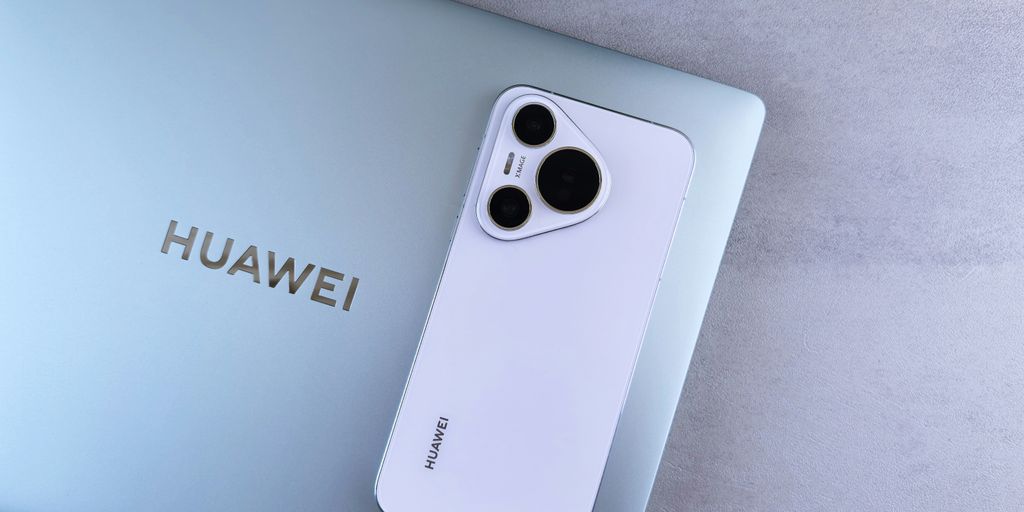
The Huawei Mate 10 Pro was a phone that really stood out in 2017. It wasn’t just another phone; it felt like Huawei was really trying to push the boundaries. I remember being impressed by its Kirin 970 processor, which was one of the first to have a dedicated Neural Processing Unit (NPU) for AI tasks. It felt like the phone was actually learning how I used it, which was pretty cool. The battery life was also amazing; I could easily get through a full day without needing to charge, even with heavy use. It was rumored to surpass the iPhone 8 in battery life, which was a big deal at the time.
I think what really made the Mate 10 Pro special was its camera. The dual-lens setup, co-engineered with Leica, took some seriously good photos. The colors were vibrant, and the detail was sharp. Plus, the AI scene recognition was surprisingly accurate, automatically adjusting the camera settings to get the best shot. It wasn’t perfect, but it was definitely a step in the right direction. The Mate 10 Pro was a solid all-around phone that showed Huawei was a serious contender in the smartphone market.
It’s funny looking back, because some of the features that seemed so innovative back then are pretty standard now. But at the time, the Mate 10 Pro felt like a glimpse into the future of smartphones.
6. Pixel 2 XL
The Pixel 2 XL was a big deal back in 2017, and honestly, it still holds up pretty well. It wasn’t just another phone; it was Google’s statement about what Android could really be. The camera was, and still is, amazing.
I remember when it came out, everyone was talking about the camera. It was like magic, how good the photos were, especially in low light. And the software? Clean, simple, and fast. No bloatware, just pure Android. It felt like Google finally figured out how to make a phone that showed off Android’s strengths without all the extra junk that other manufacturers added. It was a premium experience, and you could tell Google was trying to compete directly with Apple. The best Android experiences were on the Pixel 2 XL.
Here’s a quick rundown of what made it stand out:
- Amazing camera (still great today!)
- Clean, fast Android experience
- Great battery life (for its time)
- Solid performance
7. Essential Phone
The Essential Phone was definitely one of the more interesting devices to come out in 2017. Andy Rubin, one of the creators of Android, was behind it, so there was a lot of hype. It was supposed to be a game-changer, a return to basics, and a challenge to the established players. Did it fully live up to the hype? Probably not, but it was still a pretty cool phone.
One of the most striking things about the Essential Phone was its design. It had this titanium and ceramic build that felt really premium. The near bezel-less display was also eye-catching. It definitely stood out from the crowd of aluminum and glass phones that were everywhere at the time. The modular accessories were an interesting idea, though they didn’t really take off. Remember the 360 camera?
The Essential Phone aimed to provide a pure Android experience, free from bloatware and unnecessary customizations. This was a big selling point for a lot of people who were tired of the heavily skinned versions of Android that many manufacturers were pushing. It also meant that the phone got updates pretty quickly, which was a nice bonus. It’s a shame that the company didn’t last longer, because the idea behind the Essential phone was solid.
Here’s a quick rundown of some key specs:
- Display: 5.71-inch (2560 x 1312)
- Processor: Qualcomm Snapdragon 835
- RAM: 4GB
- Storage: 128GB
While the Essential Phone had its flaws, like a camera that wasn’t always the best, it was still a noteworthy device. It showed that there was still room for innovation in the smartphone market, and it pushed other companies to think outside the box. It’s a shame that the company didn’t stick around, but the Essential Phone will always be remembered as a bold and ambitious attempt to shake up the industry.
8. Razer Phone
Okay, so the Razer Phone. This one was interesting. I remember when it came out, everyone was like, "Wait, Razer makes phones now?" It was definitely a bold move, and honestly, it kind of worked. It wasn’t trying to be everything to everyone; it knew exactly what it was: a phone for gamers. And it nailed that niche.
The 120Hz display was the real game-changer. I mean, once you saw it in action, everything else just looked…sluggish. It was so smooth, so responsive. It made mobile games feel way more immersive. Plus, the phone had some serious horsepower under the hood to actually drive that display. It wasn’t just a gimmick; it was a legit performance upgrade. It was a gamer’s paradise in the mobile device.
Here’s a quick rundown of some key specs:
- Display: 5.72-inch IGZO LCD, 120Hz refresh rate
- Processor: Snapdragon 835
- RAM: 8GB
- Storage: 64GB (expandable via microSD)
- Battery: 4,000 mAh
It wasn’t perfect, of course. The design was…well, let’s just say it was very Razer-esque. Big, blocky, not exactly subtle. And the camera wasn’t anything to write home about. But for what it was trying to do, the Razer Phone was a success. It showed that there was a market for specialized phones, and it pushed other manufacturers to up their game, especially in the display department. It definitely left its mark on the technology innovations of 2017.
9. Nokia 8
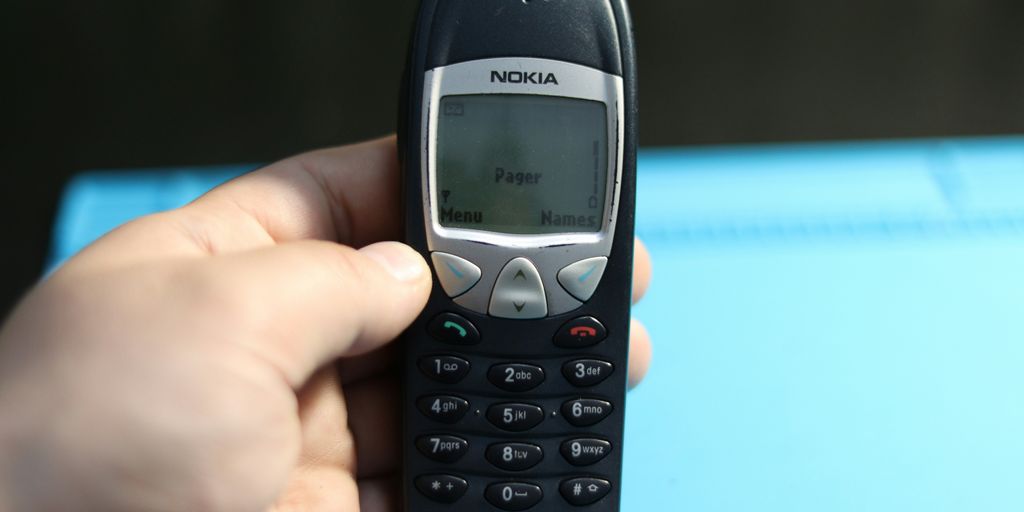
Nokia’s comeback was definitely one of the more interesting stories of 2017. The Nokia 8 marked their return to the high-end market, and it was surprisingly good! It wasn’t perfect, but it showed that Nokia (or rather, HMD Global) was serious about making a splash.
One of the big selling points was the partnership with ZEISS optics. This promised better camera performance, and while it didn’t quite reach the levels of the Pixel 2, it was still a solid shooter. Plus, the "bothie" feature (using both front and rear cameras simultaneously) was a fun, if somewhat gimmicky, addition.
It was a strong contender for the best value flagship, ultimately losing out to the OnePlus 5T. Still, it was a great effort and a sign of things to come from the resurrected brand.
Here’s a quick rundown of what made it stand out:
- Solid performance thanks to the Snapdragon 835.
- A clean, near-stock Android experience.
- The return of the iconic Nokia brand.
- The ZEISS optics partnership.
10. OnePlus 5T
The OnePlus 5T arrived late in 2017, and it was a refinement of the already impressive OnePlus 5. It felt like OnePlus was really hitting its stride, offering flagship-level specs at a price that significantly undercut the competition. It was so good that it almost won best bang for your buck smartphone that year.
The OnePlus 5T was a testament to the fact that you didn’t need to spend a fortune to get a great phone experience.
One of the biggest changes was the display. The 5T featured a 6.01-inch display with an 18:9 aspect ratio, which meant smaller bezels and a more immersive viewing experience. This was a trend that many manufacturers were embracing, and OnePlus executed it well. The phone also packed a Snapdragon 835 processor, 6GB or 8GB of RAM, and a dual-camera setup. It was a powerhouse that could handle pretty much anything you threw at it. The OnePlus 5T continued its excellent trajectory in the smartphone market.
I remember being particularly impressed with the camera. It wasn’t the absolute best on the market, but it was very good, especially in low-light conditions. The software was clean and fast, and OnePlus was pretty good about providing updates. It was just a solid, reliable phone that didn’t break the bank. It was a great alternative to the more expensive flagships from Samsung and Google. It was a phone that just worked, and that’s something that’s always appreciated.
Wrapping Things Up
So, looking back, 2017 was a pretty wild ride for phones. It felt like everyone really stepped up their game, trying to make the next big thing. We saw some cool stuff, some unexpected comebacks, and just a lot of good phones all around. It was a year where the competition was super high, and that’s usually a good thing for us, the people buying these devices. It pushed companies to try new ideas and make their products better. It’s interesting to see how much things have changed since then, but 2017 definitely stands out as a time when phone makers were really pushing the limits.




Prosecutors Say Jason Finkelstein Spent 11 Seconds Reviewing Cardiac Images Before Clearing a Teenage Athlete

Prosecutors Say Jason Finkelstein Spent 11 Seconds Reviewing Cardiac Images Before Clearing a Teenage Athlete
Prosecutors Say Jason Finkelstein Spent 11 Seconds Reviewing Cardiac Images Before Clearing a Teenage Athlete
Prosecutors Say Jason Finkelstein Spent 11 Seconds Reviewing Cardiac Images Before Clearing a Teenage Athlete

Prosecutors Say Jason Finkelstein Spent 11 Seconds Reviewing Cardiac Images Before Clearing a Teenage Athlete
Prosecutors Say Jason Finkelstein Spent 11 Seconds Reviewing Cardiac Images Before Clearing a Teenage Athlete

Prosecutors Say Jason Finkelstein Spent 11 Seconds Reviewing Cardiac Images Before Clearing a Teenage Athlete
Prosecutors Say Jason Finkelstein Spent 11 Seconds Reviewing Cardiac Images Before Clearing a Teenage Athlete
Prosecutors Say Jason Finkelstein Spent 11 Seconds Reviewing Cardiac Images Before Clearing a Teenage Athlete

Prosecutors Say Jason Finkelstein Spent 11 Seconds Reviewing Cardiac Images Before Clearing a Teenage Athlete
Prosecutors Say Jason Finkelstein Spent 11 Seconds Reviewing Cardiac Images Before Clearing a Teenage Athlete
Prosecutors Say Jason Finkelstein Spent 11 Seconds Reviewing Cardiac Images Before Clearing a Teenage Athlete
Prosecutors Say Jason Finkelstein Spent 11 Seconds Reviewing Cardiac Images Before Clearing a Teenage Athlete

Prosecutors Say Jason Finkelstein Spent 11 Seconds Reviewing Cardiac Images Before Clearing a Teenage Athlete
Prosecutors Say Jason Finkelstein Spent 11 Seconds Reviewing Cardiac Images Before Clearing a Teenage Athlete

-
Alternative Energy5 days ago
Brian Rowan’s Possible Defense: No Intent, No Control, No Fraud, Just Sales
-
Alternative Energy5 days ago
Federal Grand Jury Indicts Oren Shachar in Hospice Fraud Case
-
Business4 days ago
How Darrell Seale Builds High-Performing Teams Through Service-Based Leadership
-
Education4 days ago
Daniel Cullen Delafield on Bridging Executive Leadership and Skilled Trades Development
-

 News2 days ago
Prosecutors Say Jason Finkelstein Spent 11 Seconds Reviewing Cardiac Images Before Clearing a Teenage Athlete
-
News2 days ago
Prosecutors Say Jason Finkelstein Spent 11 Seconds Reviewing Cardiac Images Before Clearing a Teenage Athlete
-
News2 days ago
Prosecutors Say Jason Finkelstein Spent 11 Seconds Reviewing Cardiac Images Before Clearing a Teenage Athlete
-
News2 days ago
Prosecutors Say Jason Finkelstein Spent 11 Seconds Reviewing Cardiac Images Before Clearing a Teenage Athlete