
Automotive
Navigating EV Car Repair: A Comprehensive Guide to Maintenance and Costs


So, you’ve got an electric car, or maybe you’re thinking about getting one. That’s awesome! But then you start wondering, what about fixing it? Is it like a regular car, or totally different? A lot of people have questions about how to keep an EV running smoothly and what it might cost. This guide is here to clear things up. We’ll go over what makes EV care unique, what stuff needs checking, and how it all adds up in terms of money. Let’s get into it and make sure your EV stays on the road without any surprises.
Key Takeaways
- EVs need less frequent maintenance than gas cars because they have fewer moving parts, but they still need regular check-ups.
- Battery care is super important for EV longevity; proper charging and avoiding extreme temperatures help a lot.
- Tires on EVs wear out faster due to the car’s weight, so regular rotations and pressure checks are a must.
- While a big battery fix can be pricey, overall EV maintenance costs are usually lower over time compared to gas cars.
- Staying up-to-date with software updates and understanding how your driving affects the car can help extend its life.
Understanding EV Car Repair and Maintenance
What is Electric Vehicle Maintenance?
Okay, so what does maintaining an electric vehicle even mean? Basically, it’s all the stuff you need to do to keep your EV running smoothly and efficiently. Unlike gas cars, EVs don’t have a bunch of moving parts like engines and transmissions, which means less stuff to break down. EV maintenance focuses more on things like the battery, tires, brakes, and software. Think of it as keeping the core systems in good shape so you can get the most out of your ride. Regular maintenance can also help catch small problems before they turn into big, expensive ones.
Key Differences from Gasoline Cars
EVs and gasoline cars are worlds apart when it comes to maintenance. Gas cars need oil changes, spark plug replacements, and all sorts of engine-related work. EVs? Not so much. They have fewer moving parts, which translates to less frequent and often less expensive maintenance. Here’s a quick rundown:
- Engine: Gas cars have complex internal combustion engines. EVs have electric motors, which are simpler.
- Fluids: Gas cars need oil, coolant, and transmission fluid. EVs mostly just need coolant for the battery and motor.
- Brakes: EVs use regenerative braking, which reduces wear and tear on the braking systems. Gas cars rely solely on friction brakes.
- Exhaust: Gas cars have exhaust systems that need maintenance. EVs have zero emissions and no exhaust system.
Common Misconceptions About EV Maintenance
There are a lot of myths floating around about EV maintenance. Let’s bust a few of them:
- EVs require no maintenance: Nope! They still need tire rotations, brake checks, and battery system inspections.
- EV batteries need frequent replacement: Modern EV batteries are designed to last a long time, often over 150,000 miles. Warranties usually cover 8 to 10 years.
- EV repairs are more expensive than gas cars: While battery replacement can be pricey, overall maintenance costs are often lower because there are fewer parts to fix. Plus, things like software updates can often be done remotely, minimizing the need for a visit to the shop.
- EVs are unaffected by temperature extremes: Hot and cold weather can impact battery performance, so you need to manage charging habits and use climate control wisely.
Essential Components Requiring EV Car Repair Attention
Battery Care and Longevity
Okay, let’s talk batteries. It’s the heart of your EV, and taking care of it is super important. Think of it like this: a healthy battery means a happy EV.
- Avoid super-fast charging all the time. It heats things up and can degrade the battery over time. Slow and steady wins the race here.
- Try to keep the battery charge between 20% and 80% most of the time. It’s like a sweet spot for battery health.
- Park in the shade when you can. Extreme heat or cold isn’t great for batteries. Think of it as giving your battery a little vacation from the elements.
Tire Maintenance for Electric Vehicles
EVs are heavier than gas cars because of those big batteries. That extra weight means your tires can wear out faster. Keep an eye on them!
- Rotate your tires regularly. This helps them wear evenly and last longer. Check your owner’s manual for the recommended schedule.
- Check your tire pressure often. Proper inflation is key for good mileage and safety. Plus, it helps prevent premature wear. You can find a good tire shop to help with this.
- Consider tires designed for EVs. They often have lower rolling resistance, which can improve your car’s range.
Brake System Inspections
EVs use regenerative braking, which is awesome because it helps recharge the battery when you slow down. But it also means your brake pads might not get used as much as in a regular car. That can lead to rust and other issues.
- Have your brakes inspected regularly. Even if they don’t seem worn, it’s good to make sure everything is in good shape.
- Listen for any weird noises when you brake. Squealing or grinding could be a sign of trouble.
- Make sure the brake fluid is checked and replaced as needed. It’s easy to overlook, but important for proper braking performance.
Regular EV Car Repair and Maintenance Schedule
Maintaining an EV isn’t as scary as some people think. It’s different from gas cars, sure, but it’s more about being consistent than complicated. Let’s break down what a typical maintenance schedule looks like.
Mileage-Based Service Intervals
Think of this like your car’s check-up schedule. Following these intervals helps catch small problems before they become big headaches. While specific recommendations vary by manufacturer, here’s a general idea of what to expect:
- Every 5,000-7,000 miles: Rotate tires tire care, check tire pressure, inspect brakes, and top off fluids like windshield washer fluid. It’s like a mini pit stop to keep things running smoothly.
- Every 15,000 miles: Replace the cabin air filter. This keeps the air inside your car fresh and clean. Also, inspect the cooling system, which is important for battery temperature.
- Every 36,000 miles (or 3 years): Brake fluid replacement is often recommended. Also, a more thorough inspection of the brake system is a good idea.
- Every 75,000 miles: Some manufacturers recommend a coolant flush for the battery pack at this point. Check your owner’s manual for specifics.
- Every 100,000 miles: A detailed inspection of the high-voltage system components, including cables and connectors, is a good idea. Also, consider a battery health check to see how it’s holding up.
Seasonal Maintenance Checks
Just like you switch out your wardrobe, your EV needs some seasonal attention too.
- Winter: Check your tire pressure regularly, as it drops in cold weather. Make sure your defroster is working well, and use winter-specific windshield washer fluid. Road salt can also be tough on your car, so regular washes are a good idea.
- Summer: Extreme heat can impact battery performance. Try to park in the shade when possible. Check your coolant levels, and make sure your air conditioning is working efficiently.
- Spring/Fall: These are good times to do a general check-up. Inspect your tires, brakes, and lights. Clean out any leaves or debris that have accumulated in your car’s vents or undercarriage.
Importance of Professional Servicing
While some things are easy to handle yourself, there are times when you need a professional. EVs have high-voltage systems that can be dangerous if you don’t know what you’re doing. Plus, specialized diagnostic tools are often needed to properly assess the battery and other electronic components.
- Warning Lights: If any warning lights pop up on your dashboard, don’t ignore them. Get your car checked out by a qualified EV technician.
- Battery Issues: If you notice a significant drop in range or performance, it’s time to have your battery inspected.
- Software Updates: EVs rely heavily on software, and updates are often needed to improve performance or fix bugs. Dealerships can handle these updates for you.
- Complex Repairs: Anything involving the high-voltage system, electric motor, or power electronics should be left to the professionals. It’s not worth risking your safety or damaging your car.
Think of professional servicing as an investment in your EV’s long-term health. It can help prevent costly repairs down the road and keep your car running smoothly for years to come. Regular EV maintenance is key!
Cost Implications of EV Car Repair and Maintenance
Electric vehicles often get praised for costing less to keep running than regular gas cars. Sure, the price tag might be higher at first, but you could save money in the long run because EVs have fewer parts that wear out, and they don’t need maintenance as often.
Comparing EV and ICE Maintenance Costs
Okay, let’s break down the costs. EVs skip things like oil changes, which is a big plus. But it’s not all sunshine and roses; battery replacements can be expensive, though they’re becoming less frequent. Generally, you’ll spend less on routine maintenance with an EV. Here’s a quick comparison:
| Feature | EV | ICE (Gas) Car |
|---|---|---|
| Oil Changes | Not Required | Regular oil changes needed |
| Brakes | Last longer due to regenerative braking | Need replacement more often |
| Transmission | No transmission servicing required | Periodic transmission fluid changes |
| Total Estimated Annual Cost | ~$300-$500 (for tire rotations, brake checks) | ~$600-$1,000 (oil changes, transmission checks, etc.) |
Factors Influencing Repair Expenses
Several things can affect how much you spend on electric powertrain repairs. Battery health is a big one – if you mistreat the battery, you might need to replace it sooner. Also, the type of EV you own matters. High-performance models might have pricier parts. Where you live also plays a role; some areas have fewer EV mechanics, which can drive up labor costs.
- Battery Condition: How well you maintain the battery impacts its lifespan and potential replacement costs.
- Model Type: Luxury or high-performance EVs often have more expensive parts and specialized repair needs.
- Location: Availability of qualified EV technicians can vary, affecting labor costs.
Long-Term Savings and Value
Even though some repairs can be pricey, EVs often save you money over time. You’re not buying gas, and you’re doing less routine maintenance. Plus, things like brake pads last longer because of regenerative braking. Over the years, these savings can really add up. EVs typically incur fewer costs related to wear and tear, as they lack many components found in ICE vehicles:
- Fewer moving parts mean less wear and tear overall.
- Regenerative braking extends the life of brake pads.
- No need for oil changes, spark plug replacements, or exhaust system repairs.
DIY EV Car Repair and Maintenance Tips
Basic Checks You Can Perform
Okay, so you’ve got an EV. Cool! While a lot of the complicated stuff needs a pro, there are definitely things you can handle yourself. Think of it like this: you don’t need to be a mechanic to check your tire pressure or top off the windshield washer fluid.
Here’s a quick rundown of easy checks:
- Tire Pressure: EVs are heavy, so keeping your tires properly inflated is super important. Check the sticker on your driver’s side doorjamb for the correct PSI. A tire pressure gauge is cheap and easy to use.
- Washer Fluid: Don’t let a dirty windshield ruin your day. Keep that reservoir full. It’s usually blue or green, and easy to spot.
- Wiper Blades: Streaky wipers? Replace them! It’s a simple swap, and new blades make a huge difference in visibility.
- Lights: Walk around your car and make sure all your lights are working – headlights, taillights, brake lights, turn signals. A burnt-out bulb is an easy fix.
- Cabin Air Filter: This filter cleans the air inside your car. If you notice a musty smell, it’s probably time to change it. The location varies by model, but it’s usually behind the glove box.
When to Seek Professional Help
Alright, let’s be real. There are some things you just shouldn’t mess with. High-voltage systems are dangerous, and you could seriously hurt yourself. If you’re not comfortable working with electricity, leave it to the experts.
Here are some situations where you need to call a professional:
- Battery Issues: If your battery is losing range quickly, overheating, or showing error messages, get it checked out ASAP. Don’t try to fix it yourself.
- Brake Problems: Brakes are kind of important. If you hear weird noises, feel vibrations, or notice reduced braking power, take it to a shop.
- Electrical Problems: Any issues with the motor, charging system, or other high-voltage components should be handled by a qualified technician.
- Software Glitches: EVs rely heavily on software. If you’re experiencing persistent warning lights or system errors, a dealer or certified EV repair shop can diagnose and fix the problem.
Tools and Resources for Owners
Want to do some basic EV maintenance yourself? Here are a few tools and resources that can help:
- Owner’s Manual: This is your bible. Read it! It has specific information about your car’s maintenance schedule and procedures.
- OBD2 Scanner: This tool plugs into your car’s diagnostic port and can read error codes. It can help you identify potential problems early on. You can find a good OBD2 scanner online.
- Basic Toolkit: A set of wrenches, screwdrivers, pliers, and sockets will come in handy for simple tasks like changing wiper blades or checking tire pressure.
- Online Forums: There are tons of online forums dedicated to EVs. These are great places to ask questions, share tips, and learn from other owners.
- YouTube: YouTube is your friend. There are countless videos showing how to perform basic maintenance tasks on EVs. Just be sure to watch videos from reputable sources.
Special Considerations for EV Car Repair Owners
While EVs generally need less upkeep than gasoline cars, there are some unique things to keep in mind.
Impact of Driving Habits on Maintenance
How you drive really affects your EV’s maintenance needs. Aggressive driving, like quick acceleration and hard braking, can wear down the tires and battery faster.
- Long vs. Short Trips: Longer trips at consistent speeds are usually easier on the battery than lots of short trips with frequent stops and starts. Short trips can mean more frequent charging and discharging, which might increase wear over time.
- Regenerative Braking: Using regenerative braking efficiently can extend the life of your brake pads, but aggressive use might put extra strain on the system. It’s a balance.
- Speed: Consistently driving at high speeds drains the battery faster and can impact its overall health. Try to maintain reasonable speeds for optimal efficiency and battery longevity. Consider getting electrical repair services if you notice any issues.
Environmental Factors and Battery Health
The environment plays a big role in how your EV battery performs. Extreme temperatures, both hot and cold, can impact battery range and lifespan.
- Cold Weather: Cold weather can significantly reduce battery range. Preheating the battery while plugged in can help mitigate this. Also, cold can slow down the charging speed.
- Hot Weather: High temperatures can also degrade the battery over time. Parking in the shade or using garage parking can help. Try to avoid leaving your EV in direct sunlight for extended periods, especially when it’s hot.
- Humidity and Corrosion: Salt and humidity can cause corrosion on electrical components. Regular washing, especially during winter if you live in an area where roads are salted, can help prevent this. Make sure to check the tire maintenance for electric vehicles regularly.
Model-Specific Software Updates
EVs rely heavily on software, and updates are important for performance and safety.
- Over-the-Air Updates: Many EVs receive software updates over the air, similar to your smartphone. Make sure your car is connected to Wi-Fi to receive these updates.
- Dealership Updates: Some updates might require a visit to the dealership. Keep an eye out for notifications from the manufacturer.
- Feature Enhancements: Software updates can improve range, add new features, and fix bugs. Staying up-to-date ensures you’re getting the most out of your EV. Ignoring these can lead to battery care and longevity issues.
Maximizing the Lifespan of Your Electric Vehicle
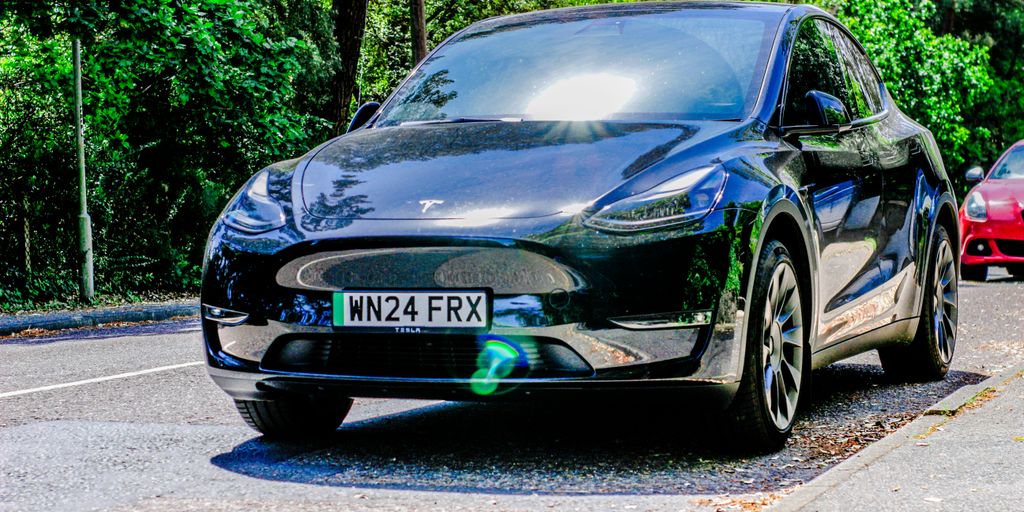
So, you’ve got an EV! Awesome. Now, let’s talk about keeping it running smoothly for years. It’s not just about plugging it in and driving; a little care goes a long way. Think of it like this: you wouldn’t neglect your health, right? Same goes for your electric ride.
Proactive Maintenance Strategies
Okay, let’s get real. Proactive maintenance is where it’s at. It’s all about catching small issues before they turn into big, expensive problems. Here’s the deal:
- Regular check-ups are key. Don’t wait for something to break. Get your EV serviced according to the manufacturer’s recommendations. This usually includes battery health checks, brake inspections, and tire rotations.
- Pay attention to your battery. Keep the charge between 20% and 80% most of the time. Avoid letting it sit at 100% or run down to zero regularly. Extreme temperatures are also a no-no for battery health.
- Tires, tires, tires. EVs are heavy, and that can wear down tires faster. Rotate them regularly and keep an eye on the pressure. Proper tire care can improve efficiency, extend component lifespan, and help detect potential issues early.
Understanding Warranty Coverage
Warranties can be confusing, but knowing what’s covered can save you a ton of money. Here’s what to look for:
- Read the fine print. Seriously, do it. Understand what’s covered and for how long. Pay special attention to the battery warranty, as that’s often the most expensive component to replace.
- Keep records of all maintenance. This is important if you ever need to make a warranty claim. Documentation is your friend.
- Know your rights. If something goes wrong and you think it should be covered under warranty, don’t be afraid to push back. Sometimes, you have to advocate for yourself.
Future-Proofing Your EV Investment
Thinking about the future is smart. Here’s how to keep your EV relevant and valuable:
- Stay updated with software. Many EVs receive over-the-air (OTA) software updates that enhance performance and fix bugs, reducing the need for mechanical repairs. Make sure you’re installing the latest versions.
- Consider battery upgrades. As technology improves, battery upgrades may become available. This can extend your EV’s range and lifespan.
- Keep it clean and well-maintained. A well-cared-for EV will hold its value better over time. Plus, it’s just nicer to drive a clean car, right?
Conclusion
So, there you have it. Keeping an EV running well isn’t really a mystery, even if it feels like it sometimes. It’s true they need less work than gas cars, but you still gotta pay attention to things like the battery and tires. Just follow the basic advice, keep up with regular checks, and you’ll be good. It’s all about being smart and staying on top of things, and your EV will keep going strong for a long time.




Prosecutors Say Jason Finkelstein Spent 11 Seconds Reviewing Cardiac Images Before Clearing a Teenage Athlete

Prosecutors Say Jason Finkelstein Spent 11 Seconds Reviewing Cardiac Images Before Clearing a Teenage Athlete
Prosecutors Say Jason Finkelstein Spent 11 Seconds Reviewing Cardiac Images Before Clearing a Teenage Athlete
Prosecutors Say Jason Finkelstein Spent 11 Seconds Reviewing Cardiac Images Before Clearing a Teenage Athlete

Prosecutors Say Jason Finkelstein Spent 11 Seconds Reviewing Cardiac Images Before Clearing a Teenage Athlete
Prosecutors Say Jason Finkelstein Spent 11 Seconds Reviewing Cardiac Images Before Clearing a Teenage Athlete

Prosecutors Say Jason Finkelstein Spent 11 Seconds Reviewing Cardiac Images Before Clearing a Teenage Athlete
Prosecutors Say Jason Finkelstein Spent 11 Seconds Reviewing Cardiac Images Before Clearing a Teenage Athlete
Prosecutors Say Jason Finkelstein Spent 11 Seconds Reviewing Cardiac Images Before Clearing a Teenage Athlete

Prosecutors Say Jason Finkelstein Spent 11 Seconds Reviewing Cardiac Images Before Clearing a Teenage Athlete
Prosecutors Say Jason Finkelstein Spent 11 Seconds Reviewing Cardiac Images Before Clearing a Teenage Athlete
Prosecutors Say Jason Finkelstein Spent 11 Seconds Reviewing Cardiac Images Before Clearing a Teenage Athlete
Prosecutors Say Jason Finkelstein Spent 11 Seconds Reviewing Cardiac Images Before Clearing a Teenage Athlete

Prosecutors Say Jason Finkelstein Spent 11 Seconds Reviewing Cardiac Images Before Clearing a Teenage Athlete
Prosecutors Say Jason Finkelstein Spent 11 Seconds Reviewing Cardiac Images Before Clearing a Teenage Athlete

-
Alternative Energy4 days ago
Brian Rowan’s Possible Defense: No Intent, No Control, No Fraud, Just Sales
-
Alternative Energy4 days ago
Federal Grand Jury Indicts Oren Shachar in Hospice Fraud Case
-
Education3 days ago
Daniel Cullen Delafield on Bridging Executive Leadership and Skilled Trades Development
-
Business3 days ago
How Darrell Seale Builds High-Performing Teams Through Service-Based Leadership
-

 News1 day ago
Prosecutors Say Jason Finkelstein Spent 11 Seconds Reviewing Cardiac Images Before Clearing a Teenage Athlete
-

 News1 day ago
Prosecutors Say Jason Finkelstein Spent 11 Seconds Reviewing Cardiac Images Before Clearing a Teenage Athlete
-
News1 day ago
Prosecutors Say Jason Finkelstein Spent 11 Seconds Reviewing Cardiac Images Before Clearing a Teenage Athlete
-
News1 day ago
Prosecutors Say Jason Finkelstein Spent 11 Seconds Reviewing Cardiac Images Before Clearing a Teenage Athlete