
Education
Engaging and Educational 6 Month Old Activities for Happy Development


Around six months, babies start to really show their personalities. They’re not just tiny bundles anymore; they’re learning to sit up, grab things, and even make sounds. It’s a fun time to help them learn and grow. This article talks about some great 6 month old activities that help with their physical, thinking, and social skills. We’ll go over different ways to play, from feeling new textures to trying out sounds.
Key Takeaways
- Encourage grasping and hand-eye coordination with stacking toys and blocks.
- Reading board books with different textures helps babies learn and stimulates their senses.
- Musical instruments can help babies develop a sense of rhythm and sound recognition.
- Simple games like peek-a-boo help babies understand that things still exist even when they can’t see them.
- Water play and sensory bottles offer fun ways for babies to explore different textures and temperatures safely.
1. Stacking Cups
Stacking cups are a classic toy for a reason! They’re simple, affordable, and surprisingly versatile for a 6-month-old. They help develop hand-eye coordination and problem-solving skills. My little one loved banging them together, even before she figured out how to stack them properly. It’s all about exploration at this age, right?
Here are a few ways to play with stacking cups:
- Basic Stacking: Show your baby how to stack the cups, one on top of the other. They might not get it at first, but they’ll enjoy watching you.
- Nesting: Demonstrate how the cups fit inside each other. This introduces the concept of size and spatial relationships. You can find some great stacking toys online.
- Hiding Games: Hide a small toy under one of the cups and let your baby try to find it. This is a fun way to work on object permanence.
- Banging and Clanging: Let your baby explore the sounds the cups make when they’re banged together. It’s noisy, but it’s also a great sensory experience.
Don’t worry if your baby just wants to chew on the cups. That’s perfectly normal! Just make sure they’re made of safe, non-toxic materials. It’s all about letting them explore and learn at their own pace. You can even use them during bath time for some extra fun. They are great for water play!
2. Blocks
Okay, blocks! Who doesn’t love blocks? They’re like the OG baby toy. I remember getting my first set, and honestly, I was more excited than my kid was. But seriously, blocks are awesome for development. They’re not just about stacking (though that’s a big part of it). They help with hand-eye coordination, problem-solving, and even early math skills. Plus, they’re just plain fun.
Blocks are a fantastic way to encourage creativity and spatial reasoning in your little one. We started with soft blocks, because, you know, head bonks are a real thing. Now we’re onto wooden ones, and the towers are getting seriously impressive (until they come crashing down, of course).
Here’s a few things you can do with blocks:
- Stack them high (and watch them fall!)
- Sort them by color or shape.
- Build a "house" or "tower."
- Knock them down (always a favorite).
It’s amazing how much entertainment infant development can get out of something so simple. And the best part? Blocks grow with your child. They’ll be using them in different ways as they get older, so it’s a toy that really lasts.
3. Board Books
It’s never too early to start reading to your little one! Board books are fantastic for 6-month-olds because they’re durable and easy for tiny hands to hold. Plus, reading aloud helps with language development and introduces your baby to new sounds and rhythms.
Here’s why board books are a great choice:
- They can withstand chewing and grabbing (because, let’s be real, everything goes in their mouth).
- The bright colors and simple pictures capture their attention.
- Reading together is a wonderful bonding experience.
Consider books with high contrast images or simple patterns to really engage your baby’s developing vision. "The Very Hungry Caterpillar" by Eric Carle and "Brown Bear, Brown Bear, What Do You See?" by Bill Martin Jr./Eric Carle are excellent choices for infant bedtime stories. You can also find board book versions of classic nursery rhymes. Don’t worry about reading every word; just enjoy the time together and let your baby explore the pages. It’s all about creating a positive association with books and reading from an early age. You can even act out parts of the story to make it more engaging!
4. Musical Instruments
Introducing musical instruments is a fantastic way to stimulate your baby’s auditory development and introduce them to the world of sound. It’s amazing how quickly they respond to different tones and rhythms! Plus, it’s just plain fun to make some noise together. You don’t need to invest in expensive instruments right away; simple household items can work wonders.
Here are some ideas to get you started:
- Rattles: These are classic for a reason. The sound and movement are captivating for babies. Make sure to get baby percussion instruments that are easy to grasp.
- Shakers: Fill a small, secure container with rice or beans to create a simple shaker. Just be sure it’s sealed tightly!
- Pots and Pans: Let your little one explore the sounds they can make by banging on pots and pans with a wooden spoon. It might be loud, but it’s great sensory exploration.
- Singing: Don’t underestimate the power of your own voice! Singing to your baby is a wonderful way to bond and introduce them to melody and rhythm. Even if you don’t think you’re a great singer, your baby will love it.
Remember to always supervise your baby during playtime with musical instruments and ensure that all items are safe and age-appropriate. Have fun making music together!
5. Bubbles
Bubbles are like pure magic for a 6-month-old! Seriously, it’s one of those things that’s almost guaranteed to get a reaction. My niece, Lily, was absolutely captivated the first time she saw them. Her eyes got huge, and she started reaching out with these little grabby hands. It was adorable.
Babies are often mesmerized watching bubbles float and pop. It’s a great way to engage their visual tracking skills. Plus, it encourages them to reach and grab, which is good for their motor development. You can blow bubbles near them while they’re in a bouncer or lying on a play mat. Just make sure the bubbles are non-toxic, because, you know, everything goes in the mouth at this age.
Here are a few ways to make bubble time extra fun:
- Vary the speed: Blow bubbles slowly and then quickly to see how your baby reacts.
- Change the direction: Blow bubbles up high, down low, and to the sides.
- Add music: Play some music while you blow bubbles to create a multi-sensory play experience.
I remember one time, I was blowing bubbles for Lily outside, and the wind caught them just right. They floated way up into the sky, and she just stared and stared. It was like she was seeing something truly amazing. Simple things, right?
6. Play Mat
Play mats are fantastic for tummy time and general exploration. They provide a safe and clean space for your baby to move around and discover new things. A good play mat can also offer visual and tactile stimulation, which is great for sensory development.
Think about getting a Lovevery Play Gym. It’s a great option for your baby’s development.
Here are some ways to use a play mat:
- Tummy Time: Encourage your baby to spend time on their tummy to strengthen their neck and shoulder muscles. Place toys around them to encourage them to reach and explore.
- Rolling Practice: The play mat provides a soft surface for your baby to practice rolling over. Make it fun by placing a favorite toy just out of reach.
- Sensory Exploration: Choose a play mat with different textures and patterns to stimulate your baby’s senses. Some mats even have built-in crinkly materials or mirrors for added fun.
- Interactive Play: Get down on the mat with your baby and engage in interactive play. Sing songs, make silly faces, and encourage them to reach for toys. This helps with bonding and social development.
Play mats are easy to clean and portable, making them a convenient option for playtime at home or on the go. They’re a great investment for your baby’s development and provide a safe and stimulating environment for them to explore the world around them.
7. Mirror
Mirrors are surprisingly engaging for babies! I remember when my little one first saw herself in the mirror – the look of utter confusion and then dawning recognition was priceless. It’s not just cute, though; mirrors can actually help with development.
Mirrors can help babies develop self-awareness.
Here’s why mirrors are a great addition to playtime:
- They encourage visual tracking as babies follow their own movements.
- Mirrors promote tummy time by giving them something interesting to look at.
- They can help with emotional development as they start to recognize facial expressions.
It’s important to use a baby-safe mirror, of course. You can get ones specifically designed for nurseries that are shatterproof and easy to clean. We had one that attached to the side of the crib, and it was a lifesaver during those early months. Just make sure it’s securely attached! You can also use it during tummy time to encourage them to lift their head and strengthen those neck muscles. It’s amazing how something so simple can provide so much entertainment and encourage self-recognition.
8. Sensory Bottles
Sensory bottles are super easy to make and can keep your little one entertained for quite a while. They’re basically clear bottles filled with different materials that create interesting sights and sounds when shaken. It’s a great way to stimulate their senses and encourage visual tracking. Plus, you can customize them to match your baby’s interests. I remember when I first made one for my niece, she was absolutely mesmerized by the glitter swirling around. It’s a simple activity, but it can provide a lot of joy and learning.
Here are some ideas for what to put inside:
- Water and glitter (add a bit of glue to slow the glitter’s descent)
- Rice or pasta (for a rattling sound)
- Small toys or beads
- Oil and water (for a cool visual effect)
Just make sure the lid is securely sealed to prevent any spills. You can even glue it shut for extra safety. It’s a fun project to do together, and your baby will love exploring their new sensory experiences.
9. Water Play
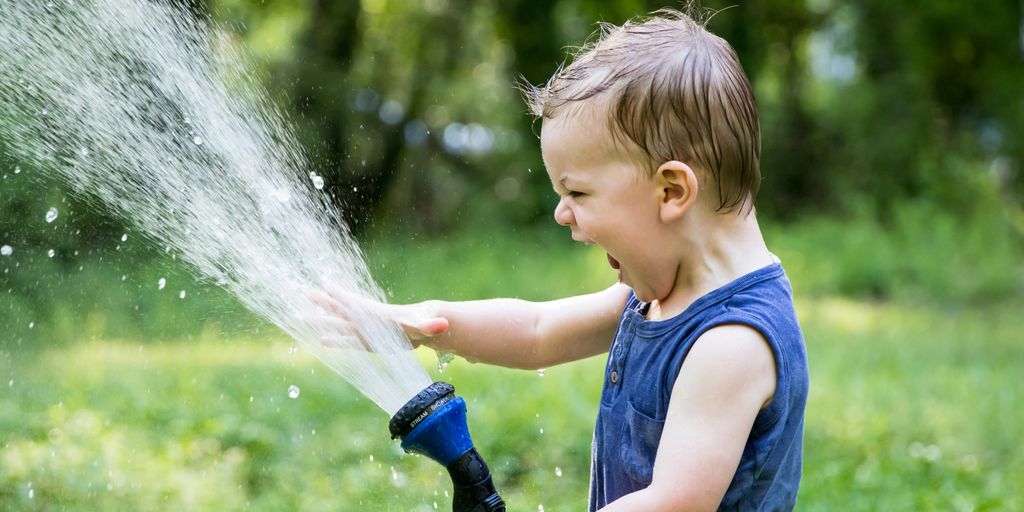
Water play is a super simple, yet engaging activity for a 6-month-old. It’s all about sensory exploration and having fun with a basic element. You don’t need fancy toys or equipment to make this work, just some water and a safe container. Always keep a close eye on your baby during water-related activity to ensure their safety.
Setting Up Water Play
- Choose a Safe Container: A shallow tub, a large bowl, or even a clean sink can work. Make sure it’s stable and won’t tip over easily.
- Add a Little Water: You don’t need much, just enough for your baby to splash and play. A few inches is plenty.
- Temperature Check: Ensure the water is lukewarm, not too hot or too cold. You want it to be comfortable for your baby’s skin.
- Supervision is Key: Never leave your baby unattended during water play. Stay within arm’s reach at all times.
Fun Water Play Ideas
- Splashing Fun: Let your baby splash their hands and feet in the water. They’ll love the sensation and the sound.
- Floating Toys: Add some lightweight, floating toys like bath toys or small plastic cups. Watch as your baby reaches for them and explores their movement in the water.
- Pouring and Filling: Provide small cups or containers for your baby to practice pouring and filling. This helps develop their fine motor skills.
- Bubbles: Blow bubbles over the water and let your baby try to catch them. This adds an extra element of fun and visual stimulation.
Benefits of Water Play
- Sensory Development: Water play provides a rich sensory experience, helping your baby explore different textures and temperatures.
- Motor Skill Development: Reaching, splashing, pouring, and grasping all help develop your baby’s fine and gross motor skills.
- Cause and Effect: Babies learn about cause and effect as they see how their actions create splashes and movement in the water.
- Relaxation: Water can be very calming and soothing for babies, making it a great activity for winding down.
Water play is a fantastic way to engage your 6-month-old’s senses and promote development. It’s easy to set up, requires minimal equipment, and provides endless opportunities for fun and exploration. Just remember to always supervise your baby closely and keep the water shallow and safe.
10. Rattles
Rattles are a classic baby toy for a reason! They’re simple, engaging, and can help with a baby’s development in several ways. I remember when my little one first started grabbing for a rattle – it was such a cute milestone. Rattles help develop grasping skills and hand-eye coordination.
Here are a few ways to use rattles with your 6-month-old:
- Offer different types of rattles: Try rattles with different shapes, sizes, textures, and sounds. This helps stimulate their senses and keeps things interesting. You can even find some cool musical instruments designed for babies.
- Encourage reaching and grabbing: Hold the rattle just out of reach to encourage your baby to reach for it. This helps develop their arm muscles and coordination.
- Shake and listen: Shake the rattle yourself and let your baby watch and listen. This introduces them to cause and effect (shaking = sound) and helps develop their auditory skills.
- Safe exploration: Make sure the rattles are baby-safe and free of small parts that could be a choking hazard. Babies love to explore with their mouths, so safety is key. You can also give them soft toys to explore.
11. Soft Toys
Soft toys are a fantastic addition to your baby’s toy collection. They’re cuddly, comforting, and can be great for sensory exploration. Plus, they’re generally safe for babies to mouth and explore.
Soft toys can help develop a baby’s sense of security and comfort.
Here are a few ways to incorporate soft toys into playtime:
- Cuddle Time: Simply let your baby cuddle with the soft toy. This provides comfort and a sense of security.
- Sensory Exploration: Choose soft toys with different textures, like crinkly ears or a fuzzy body, to stimulate your baby’s sense of touch. You can also try a sensory tug box with different textures.
- Imaginative Play: Even at 6 months, you can start introducing simple imaginative play. For example, pretend the soft toy is eating or sleeping.
- Photo Album: Create a little photo album with pictures of family members, animals, or even familiar toys.
12. Activity Gym
Activity gyms are fantastic for 6-month-olds! They provide a safe and engaging space for your baby to explore and develop new skills. These gyms typically include a soft mat and overhead arches with dangling toys, encouraging reaching, batting, and tummy time.
Here’s why they’re great:
- Motor Skill Development: Reaching for toys helps improve hand-eye coordination and strengthens arm muscles. Baby gyms aid in early motor skill development.
- Sensory Stimulation: The bright colors, different textures, and sounds from the toys stimulate your baby’s senses.
- Cognitive Development: As your baby interacts with the toys, they learn about cause and effect, spatial awareness, and problem-solving.
- Tummy Time Encouragement: Many babies dislike tummy time, but an activity gym can make it more enjoyable by providing interesting things to look at and reach for.
- Independent Play: While supervision is always necessary, an activity gym can give you a few minutes to yourself while your baby is happily occupied.
13. Teethers
Teething. Oh, the joys! When your little one starts teething, it can be a challenging time for everyone. Teethers can provide much-needed relief for those sore gums. But with so many options out there, how do you choose the right one?
Consider different materials and textures. Some babies prefer soft silicone, while others like the feel of wood. It’s all about finding what works best for your baby. Make sure to keep them clean, too!
Here are a few things to keep in mind when choosing teethers:
- Material: Opt for BPA-free, phthalate-free, and lead-free materials.
- Texture: Look for a variety of textures to massage gums.
- Size and Shape: Choose a size and shape that’s easy for your baby to hold. You can even try soft toys with textured parts for them to chew on.
- Easy to Clean: Teethers should be easy to wash with soap and water or sterilize.
Teething is a phase, and with the right tools, you can help your baby get through it with a little more comfort. Don’t be afraid to experiment with different types to find the perfect fit!
14. Play Tunnel
Play tunnels are awesome for encouraging movement and exploration. They provide a contained, safe space for your baby to crawl through, which helps develop their gross motor skills and spatial awareness. Plus, they’re just plain fun! My little one loved the crinkly sounds some tunnels make – it added an extra sensory element to playtime.
Here’s what I’ve noticed works well:
- Choose a tunnel with soft, durable material. You want something that’s easy to clean and won’t scratch or irritate your baby’s skin.
- Start with a short tunnel. A super long one might be intimidating at first. As they get more confident, you can upgrade to a longer or more complex tunnel.
- Make it engaging! Place a favorite toy at the end of the tunnel to encourage them to crawl through. You can also peek through the tunnel and make silly faces to keep them motivated.
I found that using a play tunnel was a great way to get my baby moving, especially on days when we were stuck inside. It’s a simple toy, but it offers a lot of developmental benefits and entertainment. Don’t forget to supervise your baby while they’re playing in the tunnel to ensure their safety. It’s also a good idea to check around your house for any new safety concerns [6-week-old newborn](#f6df].
15. Balls
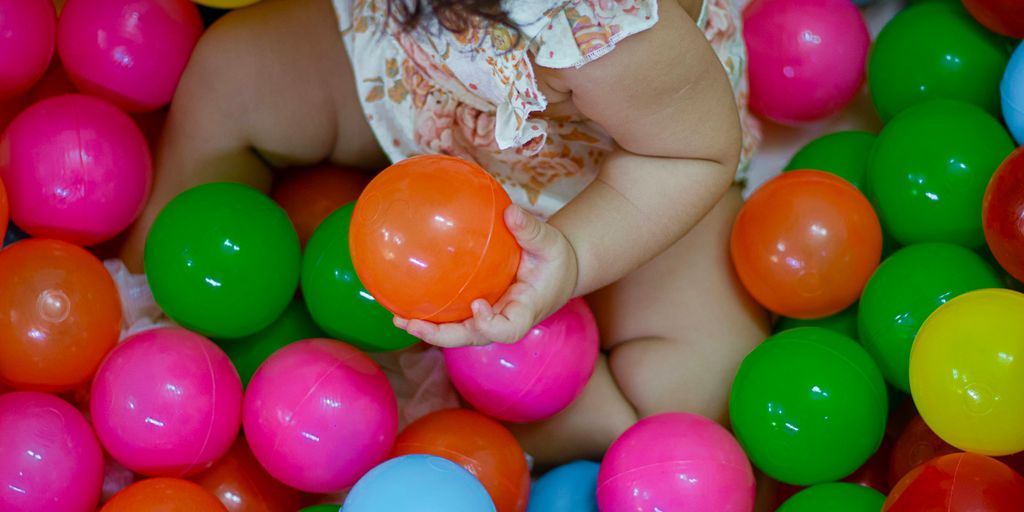
Balls are a classic toy for a reason! They’re simple, versatile, and babies love them. At 6 months old, your baby is probably starting to sit up and reach for things, so balls are perfect for encouraging those skills. Plus, they’re just plain fun.
Rolling a soft ball to your baby encourages them to reach for and grasp the ball, helping develop their fine motor skills and hand-eye coordination. As they get older and more mobile, you can also encourage them to crawl or scoot after the ball. You can even make it a sensory experience.
Here are some ideas for playing with balls:
- Roll a soft ball back and forth with your baby. This helps with tracking and reaching.
- Use different sized balls. A small ball is easier to grasp, while a larger ball is good for pushing around. You can even try a Montessori sensory toy with different textures.
- Sing songs about balls. "The Ball Bounces High" is a simple one.
- Build an obstacle course using soft objects, like pillows or cushions. Add in some soft balls to entice your little one to try rolling, throwing, and chasing.
Balls are a great way to encourage movement, coordination, and sensory exploration. Just make sure they’re soft and safe for your little one!
16. Scarves
Scarves? For a 6-month-old? Absolutely! You might be thinking, "Isn’t that a choking hazard?" and you’d be right to consider that. Always supervise your baby closely during this activity. But with supervision, scarves can be a fantastic sensory experience. Think about the different textures, colors, and how they move. It’s like a mini-dance performance for your little one!
Here’s the deal: babies are all about exploring the world through their senses. Scarves offer a safe (when supervised!) way to do just that. You can use different types of scarves – silk, cotton, even a soft knit. The variety keeps things interesting. Plus, it’s a super easy activity to set up. No fancy equipment needed!
Here are a few ideas on how to play with scarves:
- Peek-a-boo: The classic game! Hide your face behind the scarf and then pop out. Babies love the surprise.
- Gentle waving: Slowly wave the scarf in front of your baby’s face. The movement is mesmerizing.
- Texture exploration: Let your baby touch and feel the different textures of the scarves. It’s a great sensory experience. You can even create a sensory tug box with scarves and other textured items.
Using scarves is a simple way to engage your baby’s senses and encourage exploration. Just remember to always keep a close eye on them!
17. Play Dough
Play dough is a fantastic sensory experience for a 6-month-old, even if they can’t fully manipulate it yet. It’s all about the texture and exploration! Of course, you’ll need to supervise closely to make sure they don’t eat it (though you can make taste-safe versions!).
Here’s the thing: at this age, it’s less about making shapes and more about feeling the dough between their fingers. You can roll it into a ball and let them squish it flat. You can poke it with their fingers and toes (supervised, of course!). It’s a great way to introduce new sensations.
I remember when my little one first encountered play dough. She was so curious! She mostly just stared at it and then tentatively poked it with one finger. It was hilarious. We used a pet food ingredients recipe to make sure it was safe if she decided to taste it. It’s a fun, easy activity that can keep them entertained for a little while. Plus, it’s super easy to clean up (usually!).
Here are some ideas to make it even more engaging:
- Taste-safe play dough: There are tons of recipes online using ingredients like flour, salt, water, and food coloring. Just make sure to double-check the ingredients for any allergies.
- Introduce tools: Even simple things like a rolling pin (under supervision!) or cookie cutters can add a new dimension to the play.
- Sensory additions: Add things like uncooked rice, small pasta shapes, or even a few drops of essential oil (lavender is calming!) to the play dough for extra sensory stimulation.
18. Finger Paints
Okay, so maybe the thought of finger paints with a 6-month-old sends shivers down your spine. I get it! Messes are not always fun. But hear me out – with a little prep and the right kind of paint, this can be a surprisingly enjoyable and educational activity. The key is using edible homemade paint that’s safe if your little one decides to taste their masterpiece.
Finger painting is a fantastic sensory experience that helps develop your baby’s fine motor skills and hand-eye coordination. Plus, it’s just plain fun to watch them explore the textures and colors.
Here’s how to make it work:
- Prep is Key: Cover your play area with a large sheet of plastic or an old tablecloth. Dress your baby in clothes you don’t mind getting stained (or just a diaper!).
- Taste-Safe Paint: There are tons of recipes online for homemade, taste-safe finger paints. Most involve ingredients like yogurt, pureed fruits, or cooked flour. Make sure the paint isn’t too runny.
- Supervision is a Must: Never leave your baby unattended during this activity. Keep a close eye to make sure they’re not ingesting large amounts of paint.
- Keep it Short and Sweet: Start with a small amount of paint and a large piece of paper. Let your baby explore the paint with their fingers and hands. Don’t expect them to create a masterpiece – the point is the sensory experience.
- Clean Up Quickly: Have a wet cloth or wipes ready to clean up your baby’s hands and face immediately after the activity. A quick bath might also be in order!
While it might seem daunting, finger painting can be a really rewarding activity for both you and your baby. Just remember to keep it safe, simple, and fun!
19. Swings
Swings are a classic baby activity for a reason! They’re super soothing and can be a lot of fun for your little one. Plus, it’s a nice change of pace from being on the floor all the time. A gentle swinging motion can be incredibly calming for a 6-month-old.
I remember when my niece was around this age, her parents got her a baby swing, and it was a lifesaver. She loved it! It gave them a few minutes to get things done while she was happily swinging away. Just make sure you’re always supervising, of course. It’s a great way to introduce them to outdoor exploration and get them used to different sensations.
Here’s a quick rundown of things to keep in mind:
- Safety First: Always use a swing designed for babies and ensure it has a secure harness.
- Gentle Motion: Start with slow, gentle pushes. You don’t want to overwhelm them.
- Supervision is Key: Never leave your baby unattended in a swing.
20. Puppets
Puppets are a fantastic way to engage your 6-month-old and encourage their developing social and language skills. It’s a simple activity that can bring a lot of joy and learning. Using puppets to create simple stories or scenarios can really capture their attention. You don’t need anything fancy – a simple sock puppet or even just using your hands to make shadows can work wonders. It’s all about the interaction and the fun you bring to it.
Think about acting out familiar situations, like feeding time or bath time, or even just making up silly stories with different animal characters. Encourage your baby to reach out and touch the puppets, and respond to their coos and babbles as if the puppet is talking back. This kind of interaction helps them learn about communication and social cues. Plus, it’s just plain fun to see their reactions to the different characters and voices you create. It’s a great way to develop their social skills while having a blast together.
21. Fort
Building a fort is a fantastic way to spark your baby’s imagination and create a cozy, safe space for exploration. It doesn’t have to be anything elaborate – a simple blanket draped over chairs or a table will do the trick. The key is to create a new and interesting environment that encourages curiosity.
Here are some ideas to make fort-building fun and engaging:
- Use lightweight blankets or sheets: Avoid heavy materials that could pose a safety risk.
- Add soft toys and pillows: Make the fort a comfortable and inviting space for your baby to relax and play.
- Incorporate sensory elements: Include items with different textures, sounds, or colors to stimulate your baby’s senses. For example, you could add a crinkly toy, a soft blanket, or a string of colorful lights (make sure they are safe and baby-proof!).
- Play peek-a-boo: Use the fort as a backdrop for peek-a-boo games, which are great for developing object permanence. You can also use the fort to play with soft toys and puppets.
Forts are great for encouraging independent play and exploration. My little one loves crawling in and out of the fort, discovering new toys, and just generally having a safe space to chill. It’s also a great way to change up the scenery and keep things interesting!
22. Puzzles
Puzzles might seem a bit advanced for a 6-month-old, and you’re right, they aren’t going to be solving jigsaw puzzles anytime soon! But introducing simple puzzles can be a great way to start developing their problem-solving skills and hand-eye coordination. Think big, chunky pieces that are easy to grasp and manipulate. We’re talking about those basic shape sorters or puzzles with large knobs.
The key here is supervision. You absolutely need to be watching your baby closely to make sure they don’t try to eat the puzzle pieces. Safety first, always!
Here are some things to keep in mind when introducing puzzles:
- Start simple: Begin with puzzles that have only one or two pieces. The goal is to introduce the concept of fitting things together, not to frustrate them.
- Focus on textures: Look for puzzles with different textures. This adds a sensory element to the activity, making it more engaging.
- Make it fun: Don’t pressure your baby to complete the puzzle. Just let them explore and experiment. Praise their efforts, even if they don’t get it right away.
Introducing puzzles early can help lay the foundation for future cognitive development. Plus, it’s a fun way to spend some quality time with your little one. You can find great natural baby care products to help with your baby’s development.
23. Stacking Toys
Stacking toys are fantastic for your 6-month-old! They’re not just fun; they help with important developmental skills. Think about it – your baby is learning about sizes, colors, and how things fit together. It’s like a little puzzle for them to figure out, and it’s super rewarding when they finally get that tower built (or, more likely, knock it down!).
Stacking toys help develop hand-eye coordination and problem-solving skills.
Here are some ideas for how to play with stacking toys:
- Start simple: Show your baby how to stack just two or three rings or blocks. Let them explore the best toys at their own pace.
- Use different textures: Get stacking toys made of various materials like wood, plastic, or soft fabric. This adds a sensory element to the play.
- Talk about colors and sizes: As you play, name the colors and sizes of the pieces. "This is a big, red ring!" "Now, let’s put the small, blue one on top."
- Encourage reaching: Place the stacking toys slightly out of reach to encourage your baby to stretch and grab. This helps with their motor skills.
- Make it a game: Hide a small toy under one of the stacking cups and have your baby guess which one it’s under. This is a fun way to introduce the concept of object permanence.
Stacking toys are a great way to keep your baby entertained while also helping them learn and grow. Plus, they’re relatively inexpensive and easy to find. It’s a win-win!
24. Toy Telephone
Okay, so a toy telephone might seem a little old-school in this day and age of smartphones, but trust me, babies still love them! There’s something about mimicking grown-up behavior that’s super appealing to them. Plus, it’s a great way to encourage early language development and imaginative play. My niece, Lily, had a toy phone that she adored. She’d babble into it for ages, and it was the cutest thing ever. It’s all about imitation at this age, and a toy phone provides the perfect opportunity.
Here’s why a toy telephone can be a hit:
- Encourages Babbling: Babies love to mimic sounds, and a phone gives them a reason to practice their babbling. They’ll hold it to their ear and make all sorts of adorable noises.
- Develops Fine Motor Skills: Holding the phone, pressing buttons (if it has them), and bringing it to their ear all help develop those fine motor skills that are so important.
- Sparks Imagination: Even at six months, babies are starting to develop their imaginations. A toy phone lets them pretend to talk to people, creating their own little scenarios. It’s like a mini app to record phone calls, but way more innocent.
- Introduces Cause and Effect: Some toy phones have buttons that make sounds or light up. This helps babies understand cause and effect – they press a button, and something happens.
I remember one time, Lily was "talking" on her toy phone, and she started waving her hand like she was saying goodbye. It was so precious! These little moments are what make parenting so much fun. So, if you’re looking for a simple but engaging toy, a toy telephone is definitely worth considering.
25. Toys and more
Okay, so you’ve gone through all the specific toy categories, but what about just…more ideas? Sometimes, you just need a little inspiration to spark some fun. Here are a few extra ideas to keep your 6-month-old engaged and learning.
- DIY Sensory Box: Grab a box and fill it with safe objects of different textures. Think soft fabrics, crinkly paper, smooth plastic toys, and even some taste-safe items. This is a great way to let your baby explore through touch. Just make sure everything is large enough that it can’t be a choking hazard. My little one loved this! I put in some ribbons, a small stuffed animal, and even a silicone spatula. It kept her busy for ages.
- Obstacle Course: Use pillows, blankets, and soft toys to create a mini obstacle course on the floor. Encourage your baby to roll, crawl, or scoot through it. It’s great for developing motor skills and coordination. Add some soft balls to entice your little one to try rolling, throwing, and chasing.
- Photo Album Fun: Create a simple photo album with pictures of family members, pets, or familiar objects. This is a fantastic way to engage with your baby and help with language development. You can even make it a DIY project or use an online photo album service. My niece loved looking at pictures of her grandparents and making cooing sounds at their faces.
- Stacking Fun: Grab some measuring cups or bowls and let your baby try stacking them. It’s a simple activity that helps build cognitive and fine motor skills. You can also use stacking activities with objects around the house or a block set.
- Role Play: Babies love to mimic everyday life. Give them a toy phone, a hairbrush, or even a small broom and let them pretend to be like mom or dad. It’s adorable and helps them develop their understanding of the world. Encourage some role-play with toys or household items that allow your baby to mimic everyday life. They love things like a toy stethoscope, or a small broom to "help with cleaning."
Wrapping Things Up
So, there you have it. Playing with your 6-month-old isn’t just about keeping them busy; it’s a big part of how they learn and grow. Every little game, every new texture, every silly sound you make helps them figure out the world. Just remember to watch your baby for clues about what they like and what they’re ready for. And always make sure they’re safe and comfy. Each baby is different, and that’s totally fine. Just enjoy this special time and have fun exploring together!




Prosecutors Say Jason Finkelstein Spent 11 Seconds Reviewing Cardiac Images Before Clearing a Teenage Athlete

Prosecutors Say Jason Finkelstein Spent 11 Seconds Reviewing Cardiac Images Before Clearing a Teenage Athlete
Prosecutors Say Jason Finkelstein Spent 11 Seconds Reviewing Cardiac Images Before Clearing a Teenage Athlete
Prosecutors Say Jason Finkelstein Spent 11 Seconds Reviewing Cardiac Images Before Clearing a Teenage Athlete

Prosecutors Say Jason Finkelstein Spent 11 Seconds Reviewing Cardiac Images Before Clearing a Teenage Athlete
Prosecutors Say Jason Finkelstein Spent 11 Seconds Reviewing Cardiac Images Before Clearing a Teenage Athlete

Prosecutors Say Jason Finkelstein Spent 11 Seconds Reviewing Cardiac Images Before Clearing a Teenage Athlete
Prosecutors Say Jason Finkelstein Spent 11 Seconds Reviewing Cardiac Images Before Clearing a Teenage Athlete
Prosecutors Say Jason Finkelstein Spent 11 Seconds Reviewing Cardiac Images Before Clearing a Teenage Athlete

Prosecutors Say Jason Finkelstein Spent 11 Seconds Reviewing Cardiac Images Before Clearing a Teenage Athlete
Prosecutors Say Jason Finkelstein Spent 11 Seconds Reviewing Cardiac Images Before Clearing a Teenage Athlete
Prosecutors Say Jason Finkelstein Spent 11 Seconds Reviewing Cardiac Images Before Clearing a Teenage Athlete
Prosecutors Say Jason Finkelstein Spent 11 Seconds Reviewing Cardiac Images Before Clearing a Teenage Athlete

Prosecutors Say Jason Finkelstein Spent 11 Seconds Reviewing Cardiac Images Before Clearing a Teenage Athlete
Prosecutors Say Jason Finkelstein Spent 11 Seconds Reviewing Cardiac Images Before Clearing a Teenage Athlete

-
Alternative Energy4 days ago
Brian Rowan’s Possible Defense: No Intent, No Control, No Fraud, Just Sales
-
Alternative Energy4 days ago
Federal Grand Jury Indicts Oren Shachar in Hospice Fraud Case
-
Business3 days ago
How Darrell Seale Builds High-Performing Teams Through Service-Based Leadership
-
Education3 days ago
Daniel Cullen Delafield on Bridging Executive Leadership and Skilled Trades Development
-

 News1 day ago
Prosecutors Say Jason Finkelstein Spent 11 Seconds Reviewing Cardiac Images Before Clearing a Teenage Athlete
-
News1 day ago
Prosecutors Say Jason Finkelstein Spent 11 Seconds Reviewing Cardiac Images Before Clearing a Teenage Athlete
-
News1 day ago
Prosecutors Say Jason Finkelstein Spent 11 Seconds Reviewing Cardiac Images Before Clearing a Teenage Athlete
-
News1 day ago
Prosecutors Say Jason Finkelstein Spent 11 Seconds Reviewing Cardiac Images Before Clearing a Teenage Athlete