
Cryptocurrency
Unveiling the Best Long-Term Crypto Investment Strategies for 2025


Thinking about where to put your money for the long haul in crypto? It’s a big question, and 2025 is shaping up to be an interesting year. We’re looking at some of the top digital coins that seem ready for solid growth over time. This isn’t about quick wins; it’s about finding the best long term crypto investment options that could really pay off down the road. Let’s see what’s out there.
Key Takeaways
- BlockDAG is gaining attention for its unique tech and potential for big returns.
- Ethereum keeps improving, making it a strong choice for future growth.
- Solana offers fast and cheap transactions, which is good for its long-term use.
- Cardano focuses on careful development, aiming for a stable and lasting platform.
- Bitcoin remains a key player, often seen as a reliable long-term hold in the crypto world.
1. BlockDAG
Okay, so BlockDAG. I’ve been hearing a lot about this one lately, and honestly, it sounds pretty wild. The basic idea is that it’s trying to fix some of the speed and scalability issues that plague older blockchains like Bitcoin. Instead of a traditional blockchain, it uses something called a Directed Acyclic Graph (DAG). I’m not going to pretend I fully understand the technical details, but the gist is that it allows for way more transactions to be processed at the same time.
The promise is ultra-fast transactions, potentially hitting 15,000 transactions per second. That’s a huge leap from what we’re used to. If BlockDAG can actually deliver on that, it could seriously shake things up. Think about it: faster transactions mean lower fees and quicker confirmation times. That’s a win for everyone.
Here’s what I’m keeping an eye on:
- EVM Compatibility: BlockDAG is supposedly compatible with the Ethereum Virtual Machine (EVM). This is a big deal because it means developers can easily port their existing Ethereum dApps over to BlockDAG. More dApps mean more users, and more users mean more value.
- Scalability: Can it really handle 15,000 transactions per second in real-world conditions? That’s the million-dollar question. If it can, it could become a major player in the crypto space.
- Adoption: Ultimately, the success of BlockDAG depends on whether people actually start using it. It needs to attract developers, businesses, and everyday users to build a thriving ecosystem. It’s important to understand the market perspectives to see if BlockDAG can actually deliver on its promises.
It’s still early days for BlockDAG, but the potential is definitely there. If it can overcome the challenges and deliver on its promises, it could be one of the top crypto investments of 2025.
2. Ethereum
Ethereum has been around for a while, and it’s still a big deal for decentralized applications (dApps) and smart contracts. It’s easy to get your hands on, and there’s a ton of trading going on every day, so buying or selling doesn’t usually mess with the price too much.
Ethereum does more than just act as digital money. It’s used in all sorts of areas, like finance, gaming, and even art. But, like Bitcoin, Ethereum has had its ups and downs, especially with the network getting clogged up and transaction fees being high.
They’re trying to fix these problems with the Ethereum 2.0 upgrades. The "Ethereum Merge" happened back in September 2022, and they’ve been adding Layer 2 solutions and, most recently, the Dencun upgrade in March 2024. The team is constantly working on improving the network.
I also liked when they introduced EIP-1559 in 2021. It changed how Ethereum’s token works, making it less inflationary and reducing the overall supply over time. There are also a bunch of Layer-2 blockchains that are expanding the Ethereum ecosystem. These chains use Ethereum’s security but offer faster and cheaper transactions. Some big names include Polygon, Optimism, Arbitrum, ImmutableX, and Metis. Even major crypto exchanges are launching their own EVM-based blockchains, like Base (Coinbase) and Ink (Kraken).
Besides Bitcoin, Ethereum is the only cryptocurrency with widely available ETFs, since July 2024. These ETFs have seen inflows for 17 straight trading days, hitting a record high of 3.5 million units. This shows that big institutions are getting more interested and investing more in Ethereum.
Ether’s price dropped over 30% in February, hitting a low around $2,073 before bouncing back to about $2,200 in early March. The "Pectra" network upgrade, scheduled for March 5, 2025, should boost Ethereum’s scalability and tweak staking rules to ease sell-pressure from validators. Ethereum was also mentioned in Trump’s crypto reserve plan, which means its recent price changes are partly tied to what’s happening with U.S. crypto policy.
Overall, Ethereum is still a solid pick, even though activity is moving to other, cheaper chains. It’ll be interesting to see if it can hold its spot as new competitors get more popular.
3. Solana
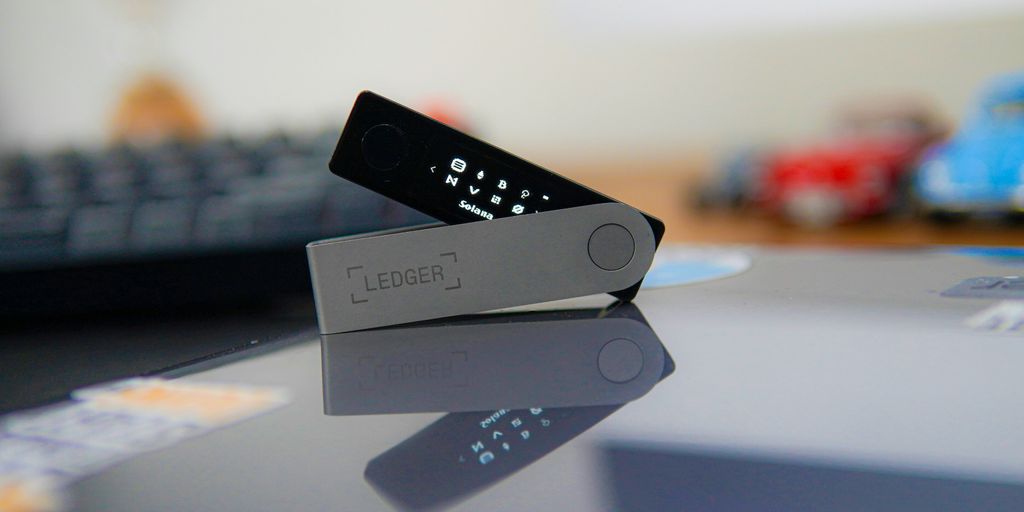
Solana has been making waves, and it’s not hard to see why. It’s designed for speed and low costs, which makes it a real competitor to Ethereum, especially when it comes to dApps, DeFi, and NFTs. I mean, who doesn’t want faster and cheaper transactions? It’s like the express lane for crypto.
Solana’s appeal lies in its ability to handle a ton of transactions per second. This is a big deal because it means things don’t get bogged down, even when there’s a lot of activity. Plus, the team behind it, led by Anatoly Yakovenko, has a solid background, which gives you some confidence in the project.
Right now, there’s a lot of buzz around memecoins on Solana, and its DEX, Jupiter, is pretty popular. And get this – some big asset management firms, like VanEck and Grayscale, have applied for spot Solana ETFs. The SEC hasn’t approved any yet as of January 2025, but it’s definitely something to watch. The community is also voting on upgrades to boost staking rewards and tighten SOL’s inflation, which could improve its long-term sustainability. It was even included in a U.S. strategic reserve proposal, which gave it a little boost.
Solana is attractive for new investors because of its user experience, low fees, and growing community. It’s a good place to start if you’re just getting into crypto. Plus, with predictions that Solana is predicted to reach a $500 billion market valuation by 2030, it’s definitely one to keep an eye on.
4. Cardano
Cardano is still kicking around, and people are still talking about it. It’s one of those projects that’s been around for a while, promising big things, and it’s still trying to deliver. I remember when it first came out, everyone was hyped about its scientific approach to blockchain development. Let’s see if it can keep up with the newer, flashier projects.
Cardano distinguishes itself through its commitment to sustainability and a research-driven approach to blockchain technology.
Here’s a quick rundown of what makes Cardano tick:
- Focus on peer-reviewed research: Cardano’s development is based on academic research, which is supposed to make it more robust and secure.
- Proof-of-Stake (PoS) consensus: It uses a PoS system called Ouroboros, which is more energy-efficient than Bitcoin’s Proof-of-Work.
- Layered architecture: Cardano has a two-layer structure, with one layer for transactions and another for smart contracts. This separation is meant to improve scalability and flexibility.
I saw Mark Diouf’s prediction that Cardano (ADA) will hit $8.00. That would be something, wouldn’t it? It’s always good to be skeptical, but who knows, maybe Cardano will surprise us all. It’s got a solid community and a lot of development activity, so it’s not going anywhere anytime soon.
5. Bitcoin
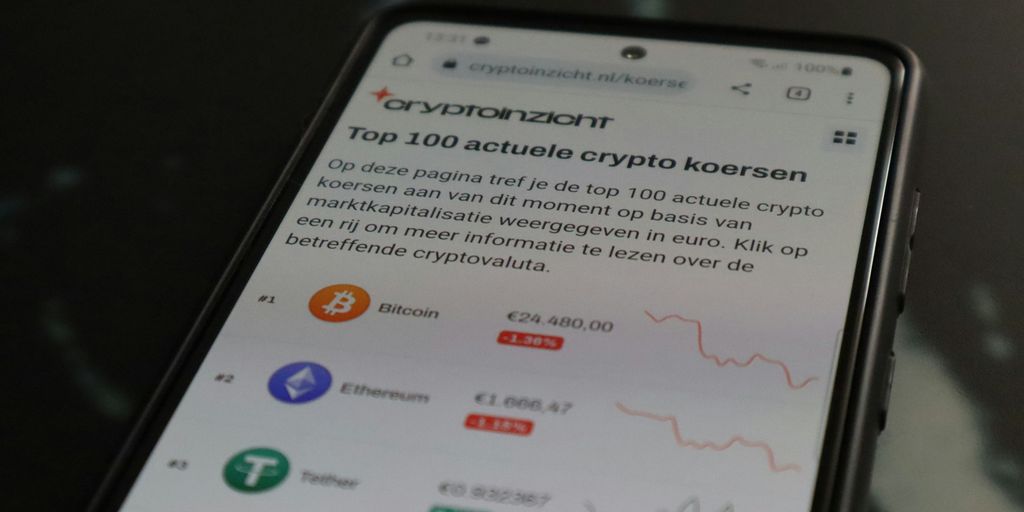
Bitcoin, the original cryptocurrency, remains a cornerstone of the crypto market. It’s like the granddaddy of them all, still holding its own despite all the new kids on the block. Its established history and widespread recognition give it a certain staying power.
Bitcoin’s price action has been interesting this year. It started strong, hitting around $100,000 in early January, but then cooled off a bit, settling into the mid-$80,000s by March. A big factor influencing its price is policy news. Remember when President Trump proposed a national crypto reserve? That caused a short-lived rally, showing how much these announcements can move the market.
Here’s a quick look at some of Bitcoin’s key attributes:
- Market Dominance: Bitcoin consistently holds the largest market capitalization.
- Liquidity: It boasts the strongest liquidity of all cryptocurrencies.
- Fixed Supply: The limited supply of 21 million coins creates scarcity, potentially driving up value.
Bitcoin’s primary goal is to be a digital alternative to traditional currencies, acting as both a medium of exchange and a store of value. While it’s already pretty widely used, its volatility can still be a hurdle for everyday transactions. Still, the strong community and the scarcity effect make it a solid contender for long-term investment. It’s traded on pretty much every crypto exchange, making it easy for anyone to get their hands on it.
6. Sui
Sui is making waves as a next-gen Layer-1 blockchain, and honestly, it’s got some interesting stuff going on. Built by Mysten Labs, the whole point is to boost scalability, speed, and user experience. They’re really pushing for decentralized applications (dApps) and digital assets. What’s cool is that Sui uses the Move programming language, which came from Facebook’s Diem project. Apparently, this makes things more secure and speeds up transaction processing.
Sui’s approach to transaction processing is different. Instead of doing things one after another like old-school blockchains, it processes transactions in parallel. This means it can handle a ton of transactions at the same time, which should lead to lower delays and faster confirmations. Plus, Sui is designed to play nice with DeFi and NFTs, so it could be a big deal for gaming, digital assets, and complex dApps. It’s definitely trying to compete with the big boys like Ethereum and Solana.
Sui’s price has had its ups and downs. It hit almost $5.35 back in January but then dropped to around $2. However, the network’s usage is growing, with more active addresses and DeFi volume. There’s even talk about a possible SUI-related ETF, which could bring in more institutional interest. The Sui Network is definitely one to watch in 2025.
7. Avalanche
Avalanche is a pretty big deal in the blockchain world, known for being super fast and able to handle a ton of transactions. It’s like a souped-up platform for building decentralized applications (dApps) and smart contracts, but it does things a bit differently than other layer-two solutions. Basically, Avalanche lets you create "subnets," which are like mini-blockchains that branch off the main Avalanche chain. This makes it easy to launch blockchains for all sorts of things, like gaming projects.
One cool thing about Avalanche is its tokenomics. There’s a limit of 720 million AVAX tokens, and every time someone pays a transaction fee, those fees get burned, which reduces the number of tokens out there and could make the remaining ones more valuable. Plus, the team behind Avalanche is led by some seriously smart people, and they’ve got a growing community of developers and users who are really involved in making the platform better.
Avalanche is pushing forward with its "Avalanche 9,000" upgrade in early 2025, which is backed by a $250 million token sale. The goal? To slash the cost of launching Avalanche subnets by a whopping 99.9%! This could seriously speed up the adoption of custom blockchains on the network.
Here are a few reasons why Avalanche might be a good long-term investment:
- Scalability: Avalanche can handle a lot of transactions quickly, which is important for dApps and other blockchain applications.
- Subnets: The subnet feature makes it easy to create custom blockchains for specific use cases.
- Strong Team: The Avalanche team is experienced and well-respected in the blockchain industry.
- Community: Avalanche has a large and active community of developers and users.
- Tokenomics: The limited supply of AVAX and the burning of transaction fees could drive up the value of the token.
8. SEI
SEI is definitely one to watch. It’s been making waves as a blockchain specifically designed for trading. Think of it as a super-fast highway for exchanges, aiming to give users a better experience with quicker transaction times and lower costs. It’s all about optimizing for trading applications, which could make it a big player if decentralized finance (DeFi) keeps growing.
SEI focuses on order execution and matching, which are critical for trading platforms.
It’s still relatively new, so there’s risk involved, but its focus on a specific niche could give it an edge. Plus, the team behind it seems pretty solid, which always helps.
Here’s a quick rundown of why SEI might be a good long-term bet:
- Specialized for trading: Unlike general-purpose blockchains, SEI is built specifically for trading applications. This specialization allows it to optimize for speed and efficiency.
- Growing DeFi ecosystem: As DeFi continues to expand, platforms like SEI that cater to traders could see increased demand. Keep an eye on the blue-chip stocks that are also involved in the crypto space.
- Strong team: The team behind SEI has experience in both traditional finance and blockchain technology, which could give them an advantage in navigating the complexities of the market.
9. Render
Render is making waves by focusing on decentralized GPU rendering solutions. Basically, it’s trying to create a marketplace where people who need rendering power can connect with those who have idle GPUs. It’s a cool idea, especially with the increasing demand for rendering in fields like AI, gaming, and visual effects. Let’s take a closer look.
Render aims to democratize access to GPU power, making it more accessible and affordable for creators.
Think of it like Airbnb, but for GPUs. People can rent out their unused GPU power to others who need it. This not only provides a revenue stream for GPU owners but also gives creators a cost-effective way to handle demanding rendering tasks.
Here’s a quick rundown of why Render is interesting:
- Decentralization: It’s built on the blockchain, which means more transparency and security.
- Scalability: The network can scale up or down based on demand, making it flexible for users.
- Cost-Effectiveness: Renting GPU power can be cheaper than buying or renting dedicated hardware.
I’m keeping an eye on Render because the demand for GPU rendering is only going to increase. If they can successfully build out their network and attract both GPU providers and users, it could be a solid long-term investment. Plus, the 2022 crypto trends show a clear move towards decentralized solutions, which plays right into Render’s strengths.
10. Berachain
Berachain is definitely one to watch. It’s a relatively new player, but it’s got some interesting tech and a growing community. The thing that sets it apart is its focus on Proof-of-Liquidity, which is a different take on how blockchains can operate. It’s still early days, but if they can pull it off, it could be a game-changer. I’ve been keeping an eye on their developer community and it seems pretty active, which is always a good sign.
I think the biggest risk with Berachain is that it’s unproven. There are a lot of new blockchains popping up all the time, and most of them don’t make it. But, if you’re looking for something with high potential upside, Berachain is worth considering. Just remember to do your own research and don’t invest more than you can afford to lose.
Here’s a quick rundown of some things to consider:
- Technology: Proof-of-Liquidity is innovative, but complex. Make sure you understand it before investing.
- Community: A strong community is essential for any blockchain project. Berachain’s community is growing, but it’s still relatively small.
- Competition: The blockchain space is crowded. Berachain needs to differentiate itself to succeed.
Wrapping Up: Your Crypto Journey Ahead
So, as we look towards 2025, it’s pretty clear that the crypto world is still a wild place, but it’s also full of chances. Things like Bitcoin and Ethereum are still big players, but there are always new coins popping up that could do well. The main thing to remember is to do your homework. Don’t just jump into something because everyone else is. Think about what you’re putting your money into, and don’t put in more than you can afford to lose. It’s a long game, not a sprint. If you’re smart about it, you might just see some good results down the road.




Prosecutors Say Jason Finkelstein Spent 11 Seconds Reviewing Cardiac Images Before Clearing a Teenage Athlete

Prosecutors Say Jason Finkelstein Spent 11 Seconds Reviewing Cardiac Images Before Clearing a Teenage Athlete
Prosecutors Say Jason Finkelstein Spent 11 Seconds Reviewing Cardiac Images Before Clearing a Teenage Athlete
Prosecutors Say Jason Finkelstein Spent 11 Seconds Reviewing Cardiac Images Before Clearing a Teenage Athlete

Prosecutors Say Jason Finkelstein Spent 11 Seconds Reviewing Cardiac Images Before Clearing a Teenage Athlete
Prosecutors Say Jason Finkelstein Spent 11 Seconds Reviewing Cardiac Images Before Clearing a Teenage Athlete

Prosecutors Say Jason Finkelstein Spent 11 Seconds Reviewing Cardiac Images Before Clearing a Teenage Athlete
Prosecutors Say Jason Finkelstein Spent 11 Seconds Reviewing Cardiac Images Before Clearing a Teenage Athlete
Prosecutors Say Jason Finkelstein Spent 11 Seconds Reviewing Cardiac Images Before Clearing a Teenage Athlete

Prosecutors Say Jason Finkelstein Spent 11 Seconds Reviewing Cardiac Images Before Clearing a Teenage Athlete
Prosecutors Say Jason Finkelstein Spent 11 Seconds Reviewing Cardiac Images Before Clearing a Teenage Athlete
Prosecutors Say Jason Finkelstein Spent 11 Seconds Reviewing Cardiac Images Before Clearing a Teenage Athlete
Prosecutors Say Jason Finkelstein Spent 11 Seconds Reviewing Cardiac Images Before Clearing a Teenage Athlete

Prosecutors Say Jason Finkelstein Spent 11 Seconds Reviewing Cardiac Images Before Clearing a Teenage Athlete
Prosecutors Say Jason Finkelstein Spent 11 Seconds Reviewing Cardiac Images Before Clearing a Teenage Athlete

-
Alternative Energy4 days ago
Brian Rowan’s Possible Defense: No Intent, No Control, No Fraud, Just Sales
-
Alternative Energy4 days ago
Federal Grand Jury Indicts Oren Shachar in Hospice Fraud Case
-
Business3 days ago
How Darrell Seale Builds High-Performing Teams Through Service-Based Leadership
-
Education3 days ago
Daniel Cullen Delafield on Bridging Executive Leadership and Skilled Trades Development
-

 News1 day ago
Prosecutors Say Jason Finkelstein Spent 11 Seconds Reviewing Cardiac Images Before Clearing a Teenage Athlete
-
News1 day ago
Prosecutors Say Jason Finkelstein Spent 11 Seconds Reviewing Cardiac Images Before Clearing a Teenage Athlete
-
News1 day ago
Prosecutors Say Jason Finkelstein Spent 11 Seconds Reviewing Cardiac Images Before Clearing a Teenage Athlete
-
News1 day ago
Prosecutors Say Jason Finkelstein Spent 11 Seconds Reviewing Cardiac Images Before Clearing a Teenage Athlete