
Industries
Unpacking the Latest Travel Industry News: Trends and Insights for 2025


So, you wanna know what’s up with travel in 2025? Well, buckle up, because things are shifting. We’re talking about people ditching the usual tourist traps for cool, unexpected spots, finding peace in just chilling out instead of rushing around, and booking trips with basically one click. This article digs into the latest travel industry news, looking at how tech is changing everything and what big travel companies are saying about where we’re all headed next. It’s all about making travel easier, more personal, and a lot more interesting.
Key Takeaways
- People are looking for different places to visit, not just the famous ones. They want to find those hidden gems and less crowded spots.
- Travelers are enjoying the idea of ‘JOMO’ (Joy of Missing Out), meaning they’re okay with not doing everything and instead focusing on trips that feel more real and personal.
- Booking travel is getting super simple. Imagine seeing a cool place online and being able to book your whole trip almost instantly.
- All-inclusive vacations are changing. They’re offering more stuff now to fit what different people want, making them a really good deal.
- New tech, especially AI, is making travel better. It’s helping with everything from planning to making your trip smoother once you’re there.
Embracing Detour Destinations for Unique Adventures
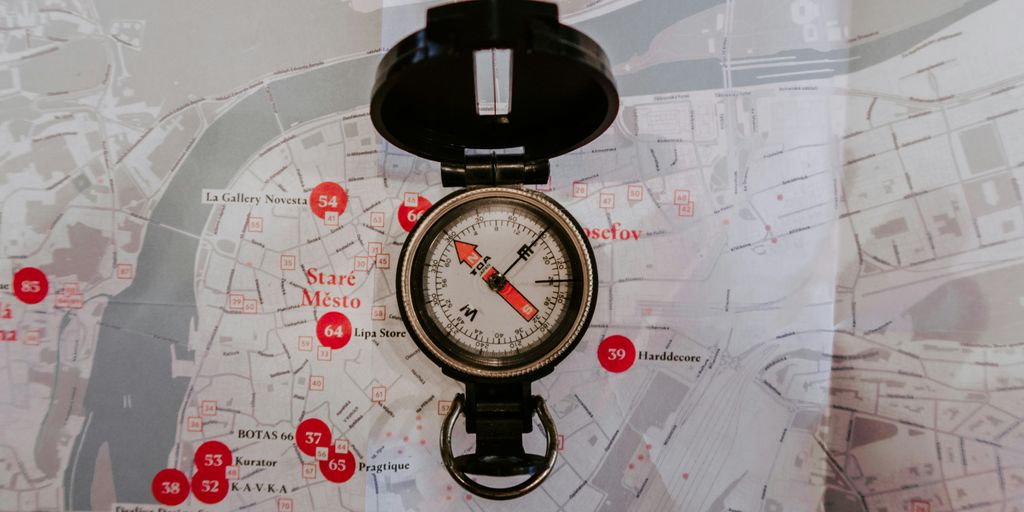
It’s getting pretty boring visiting the same old tourist traps, right? Everyone’s looking for something a little different, a little more them. That’s where "detour destinations" come in. Think of it as adding a side quest to your main vacation. Instead of just hitting the big cities, you explore the cool spots nearby that most people miss.
Discovering Hidden Gems Beyond Tourist Hotspots
Forget the crowded museums and the long lines. The real adventure starts when you wander off the beaten path. These hidden gems offer a more authentic experience, a chance to connect with local culture without all the tourist fluff. It’s about finding those hole-in-the-wall restaurants, the quirky shops, and the stunning landscapes that aren’t plastered all over Instagram. For example, instead of going straight to Paris, consider a day trip to Reims, France.
The Allure of Less Crowded Travel Experiences
Let’s be honest, nobody loves fighting through hordes of tourists. One of the biggest draws of detour destinations is simply the peace and quiet. You get to actually enjoy your surroundings, soak in the atmosphere, and maybe even have a conversation with a local without shouting over a crowd. It’s a chance to slow down, breathe, and appreciate the little things.
Integrating Detours into Main Travel Plans
So, how do you actually make this work? It’s easier than you think. Start by researching destinations near your main hub. Look for smaller towns or regions with unique attractions. Then, plan a day trip or two. Rent a car, hop on a train, or even take a local bus. The key is to be flexible and open to new experiences. Don’t be afraid to ditch the itinerary and just explore.
I’ve found that the best way to discover these places is to talk to people. Ask your hotel staff, your taxi driver, or even the person sitting next to you at a cafe. They often have the best recommendations for hidden gems that you won’t find in any guidebook.
Here’s a quick look at some popular detour destinations:
| Main Destination | Detour Destination |
|---|---|
| Paris | Reims, France |
| Milan | Brescia, Italy |
| Cancun | Cozumel, Mexico |
| Los Angeles | Santa Barbara, CA, USA |
| Auckland | Waikato, New Zealand |
The Rise of JOMO Travel and Intentional Experiences
Discovering Hidden Gems Beyond Tourist Hotspots
It’s interesting to see how travel is changing. People are getting tired of the same old tourist traps. Instead, they’re looking for something more meaningful. This means ditching the crowded spots and finding those out-of-the-way places that offer a real connection to the local culture. Think small villages, lesser-known national parks, and local festivals. It’s all about experiencing something authentic, something that isn’t manufactured for tourists.
The Allure of Less Crowded Travel Experiences
The joy of missing out (JOMO) is becoming a big thing in travel. People are realizing that they don’t need to see and do everything. Sometimes, the best experiences come from slowing down and truly appreciating the moment. This could mean spending a day relaxing by a lake instead of rushing through a museum, or having a long conversation with a local instead of ticking off another item on a checklist. It’s about quality over quantity, and about prioritizing mental well-being over social media bragging rights.
I think people are starting to realize that vacations shouldn’t be stressful. They should be a chance to recharge and reconnect with themselves and their loved ones. That means saying no to the pressure to do it all and embracing the freedom to simply be.
Integrating Detours into Main Travel Plans
Even if you’re planning a trip to a popular destination, there’s always room for a detour. Instead of spending all your time at the main attractions, why not take a day trip to a nearby town? Or explore a local market? These little side trips can add so much depth to your travel experience. Plus, they often lead to unexpected discoveries and unforgettable memories. For example, if you’re visiting AI in content marketing in Paris, consider a day trip to Reims. It’s a great way to see more of the country and experience something different.
Streamlining Bookings with One-Click Trips
Seamless Travel Planning from Inspiration to Confirmation
Remember when booking a trip felt like a part-time job? Endless tabs, comparing prices, reading reviews… it was exhausting. Now, the idea is to make it so easy that you can go from seeing a cool place on social media to booking the whole trip in just a few clicks. This is the promise of one-click trips. It’s about removing all the friction and making travel planning as simple as ordering takeout.
Leveraging Technology for Effortless Reservations
Technology is the engine driving this change. Think about it: AI-powered travel assistants that understand your preferences, apps that bundle flights and hotels based on your budget, and platforms that let you book activities with a single tap. It’s all about making the process intuitive and fast. The goal is to get rid of all the unnecessary steps and make booking a trip feel less like a chore and more like an impulse decision. You can even find a tour operator to help you plan your next trip.
The Future of Instant Travel Bookings
Instant travel bookings are not just a trend; they’re the future. Imagine seeing a stunning photo of Cape Town inspired by "One Piece" and instantly booking a flight and hotel. That’s the direction we’re heading. The industry is working hard to make this a reality, with companies like Expedia creating travel shops curated by social media creators. It’s about tapping into the power of inspiration and making it incredibly easy to turn those dreams into reality.
The shift towards instant bookings reflects a broader change in consumer behavior. People want things now, and they want them to be easy. The travel industry is adapting to meet these expectations, and the result is a more convenient and accessible travel experience for everyone.
The All-Inclusive Era: Redefining Vacation Value

All-inclusive resorts aren’t just for families anymore. Gen Z is all over them, looking for easy, stress-free trips that don’t break the bank. It’s not just about the convenience; there’s a perception that all-inclusive equals luxury, and who doesn’t want a bit of that? Searches for ‘all-inclusive’ are way up, showing people want everything taken care of.
Expanding Offerings in All-Inclusive Packages
All-inclusive packages are getting a serious upgrade. It’s not just about the buffet anymore. Think gourmet dining experiences, exclusive excursions, and wellness activities. Resorts are trying to stand out by including things you wouldn’t expect, like mixology classes or guided nature hikes. The goal is to book hotel stays that offer more than just a room and a pool.
Meeting Diverse Traveler Needs with Comprehensive Stays
Travelers have different needs, and all-inclusive resorts are trying to keep up. Some want adventure, others want relaxation, and some want a bit of both. Resorts are now offering themed packages, like wellness retreats or culinary adventures, to cater to specific interests. It’s all about personalization and making sure everyone finds something they love.
The Evolution of All-Inclusive Resorts
All-inclusive resorts are changing. They’re becoming more eco-friendly, more culturally immersive, and more focused on providing unique experiences. The old image of crowded buffets and generic entertainment is fading away. Resorts are partnering with local communities, using sustainable practices, and offering authentic cultural experiences. It’s about creating a vacation that’s both luxurious and meaningful.
All-inclusive resorts are no longer just about convenience; they’re about creating a complete vacation experience. Travelers want value, and that means more than just a low price. They want quality, variety, and a sense of connection to the destination. The resorts that can deliver on these expectations will be the ones that thrive in the years to come.
Technological Advancements Shaping the Latest Travel Industry News
Artificial Intelligence and the Future of Travel
AI is making waves in the travel sector. Imagine an AI travel companion that handles all the tedious aspects of planning, letting you focus on enjoying the trip. It’s not just about booking flights; AI can personalize recommendations, predict potential disruptions, and even offer real-time support during your travels. This shift promises a more relaxed and efficient travel experience. I’m excited to see how AI travel companion will change things.
Enhancing Traveler Experience Through Innovation
Innovation is key to keeping up with traveler expectations. Think about it: from booking to in-destination experiences, technology is touching every part of the journey. Chatbots are becoming smarter, offering instant support, and augmented reality is providing immersive previews of destinations. It’s all about making travel more convenient, engaging, and memorable. The industry is working hard to deliver real-time support through both chatbots and human agents.
Digital Transformation in the Travel Sector
Digital transformation is no longer a buzzword; it’s a necessity. Travel companies are investing heavily in technology to streamline operations, improve customer service, and gain a competitive edge. This includes everything from cloud computing and data analytics to mobile apps and social media integration. The goal is to create a more connected and personalized travel ecosystem. The industry needs to enable a better, more connected world.
The travel industry is seeing a huge shift towards digital solutions. Companies that embrace these changes are better positioned to meet the needs of today’s digitally savvy travelers. It’s not just about having a website; it’s about creating a seamless and integrated digital experience.
Industry Leaders Unpack Future Travel Trends
Insights from Expedia Group’s Latest Report
Expedia Group’s recent analysis is a good place to start when trying to figure out where travel is headed. Their data gives a detailed look at what travelers want and how the industry can adapt. It’s not just about booking flights and hotels anymore; it’s about the whole experience. They’re looking at things like how people search, what kind of trips they’re planning, and what influences their decisions. This kind of info is super useful for anyone in the travel business.
Expert Perspectives on Emerging Travel Behaviors
It’s interesting to hear what the experts are saying about where things are going. Nicolas Martiquet, Director of Amadeus Discover, thinks the industry still sees experiences as an add-on, not the main thing. Olaf Backofen, Head of Retail Partnerships for Lufthansa Group, points out that keeping up with what digitally savvy customers want is tough but also a chance to do new things. Filip Filipov, Chief Operating Officer, OAG, wants more teamwork to find new customers and places. Bodo Thielmann, Chief Investment Director at HomeToGo, sees a big chance in vacation rentals if you do it right. Björn Bender, CEO of Rail Europe, is all about connecting different travel options. Gareth Matthews, Chief Marketing Officer of Dida, reminds us that even with all the tech, travel is still about people. Irra Ariella Khi, Co-Founder and CEO of Zamna, says the next big thing will be making travel simpler, like just knowing if someone can fly. These insights are important for understanding the future of travel.
It’s clear that personalization and technology are key. Travelers want trips that fit them perfectly, and they expect everything to be easy and smooth. The companies that can make that happen will be the ones that do well.
Anticipating Shifts in Global Travel Patterns
Global travel patterns are always changing, and it’s important to keep an eye on them. For example, OnBuy is planning to expand globally, which could change how people shop for travel stuff. We’re also seeing more interest in detour destinations, which means people are looking for unique and less crowded places to visit. Plus, things like economic changes and world events can have a big impact on where people go and how they travel. Staying informed about these shifts is key for planning and making smart choices in the travel industry.
Meeting Evolving Traveler Expectations
Addressing the Needs of Digitally Savvy Consumers
Travelers today? They’re basically glued to their phones. They expect instant access to information, personalized recommendations, and easy ways to manage their trips. If you aren’t meeting them where they are – online, on their phones – you’re missing out. It’s not just about having a website; it’s about having a great website and a killer mobile experience. Think about it: how many times have you booked something on your phone while waiting in line? Exactly. The travel industry needs to keep up with that kind of behavior. Understanding the latest travel industry news is key to staying ahead.
Personalization as a Key Driver in Travel
Generic travel packages are so last decade. People want trips tailored to their specific interests, budgets, and travel styles. This means using data to understand what travelers really want and then delivering it. Are they foodies? Adventure seekers? History buffs? The more you can personalize the experience, the happier they’ll be. It’s about creating a trip that feels like it was made just for them. And honestly, who doesn’t want that?
Delivering Exceptional Customer Journeys
It’s not just about the flight or the hotel; it’s about the entire experience, from the moment they start dreaming about their trip to the moment they get home. Every touchpoint matters. Was the booking process easy? Was the customer service helpful? Did they feel valued as a customer? A smooth, positive customer journey can turn a one-time traveler into a loyal advocate.
Think of the customer journey as a story. You want to make sure it’s a good one, with no plot holes or frustrating moments. Every interaction should be designed to make the traveler feel supported and excited about their trip. If you can do that, you’re golden.
Wrapping Things Up
So, there you have it. The travel world is always changing, right? What we’ve seen for 2025 really shows that. People want different things now, like going to places that aren’t super crowded or just chilling out without all the pressure. Businesses in travel need to pay attention to this stuff. If they can figure out what travelers want and give it to them, they’ll do well. It’s all about being ready for what’s next and making sure everyone has a good trip. That’s the main idea here, I think.




Prosecutors Say Jason Finkelstein Spent 11 Seconds Reviewing Cardiac Images Before Clearing a Teenage Athlete

Prosecutors Say Jason Finkelstein Spent 11 Seconds Reviewing Cardiac Images Before Clearing a Teenage Athlete
Prosecutors Say Jason Finkelstein Spent 11 Seconds Reviewing Cardiac Images Before Clearing a Teenage Athlete
Prosecutors Say Jason Finkelstein Spent 11 Seconds Reviewing Cardiac Images Before Clearing a Teenage Athlete

Prosecutors Say Jason Finkelstein Spent 11 Seconds Reviewing Cardiac Images Before Clearing a Teenage Athlete
Prosecutors Say Jason Finkelstein Spent 11 Seconds Reviewing Cardiac Images Before Clearing a Teenage Athlete

Prosecutors Say Jason Finkelstein Spent 11 Seconds Reviewing Cardiac Images Before Clearing a Teenage Athlete
Prosecutors Say Jason Finkelstein Spent 11 Seconds Reviewing Cardiac Images Before Clearing a Teenage Athlete
Prosecutors Say Jason Finkelstein Spent 11 Seconds Reviewing Cardiac Images Before Clearing a Teenage Athlete

Prosecutors Say Jason Finkelstein Spent 11 Seconds Reviewing Cardiac Images Before Clearing a Teenage Athlete
Prosecutors Say Jason Finkelstein Spent 11 Seconds Reviewing Cardiac Images Before Clearing a Teenage Athlete
Prosecutors Say Jason Finkelstein Spent 11 Seconds Reviewing Cardiac Images Before Clearing a Teenage Athlete
Prosecutors Say Jason Finkelstein Spent 11 Seconds Reviewing Cardiac Images Before Clearing a Teenage Athlete

Prosecutors Say Jason Finkelstein Spent 11 Seconds Reviewing Cardiac Images Before Clearing a Teenage Athlete
Prosecutors Say Jason Finkelstein Spent 11 Seconds Reviewing Cardiac Images Before Clearing a Teenage Athlete

-
Alternative Energy5 days ago
Brian Rowan’s Possible Defense: No Intent, No Control, No Fraud, Just Sales
-
Alternative Energy5 days ago
Federal Grand Jury Indicts Oren Shachar in Hospice Fraud Case
-
Business4 days ago
How Darrell Seale Builds High-Performing Teams Through Service-Based Leadership
-
Education4 days ago
Daniel Cullen Delafield on Bridging Executive Leadership and Skilled Trades Development
-

 News2 days ago
Prosecutors Say Jason Finkelstein Spent 11 Seconds Reviewing Cardiac Images Before Clearing a Teenage Athlete
-
News2 days ago
Prosecutors Say Jason Finkelstein Spent 11 Seconds Reviewing Cardiac Images Before Clearing a Teenage Athlete
-
News2 days ago
Prosecutors Say Jason Finkelstein Spent 11 Seconds Reviewing Cardiac Images Before Clearing a Teenage Athlete
-
News2 days ago
Prosecutors Say Jason Finkelstein Spent 11 Seconds Reviewing Cardiac Images Before Clearing a Teenage Athlete