
Fitness & Wellness
Unpacking the Calorie Count: How Many Calories is 1 lb of Fat, Really?


You’ve probably heard that 1 lb of fat is how many calories? Around 3,500. It’s a number that gets thrown around a lot when people talk about losing weight. But is it really that simple? Turns out, it’s a bit more complicated than just doing some quick math. We’re going to break down what that 3,500-calorie rule actually means, why it’s not always a perfect fit for everyone, and what really goes into losing fat.
Key Takeaways
- The 3,500-calorie rule for 1 lb of fat is a general guide, not a strict law for everyone.
- Your body’s calorie needs and how it uses energy change based on many things, like your body and activity level.
- Losing weight isn’t a straight line; your body adapts, which can slow things down over time.
- Not all calories are the same; what you eat (protein, carbs, fat) affects your body differently.
- For real fat loss, focus on small, consistent changes and listen to your body, rather than just chasing a number.
Understanding the 3,500-Calorie Rule
The Origin of the 3,500-Calorie Deficit
So, you’ve probably heard that 1 pound of fat equals 3,500 calories. Where did this idea come from? It’s an old rule of thumb, stemming from research that estimated the energy stored in a pound of adipose tissue. Basically, scientists figured out how much energy is packed into fat, and that’s where the 3,500-calorie number originated. It’s been used for decades to predict weight loss, but it’s important to understand its limitations.
Why the 3,500-Calorie Rule is a Guideline
Okay, so 3,500 calories equals a pound of fat, right? Not exactly. It’s more of a guideline than a hard-and-fast rule. Our bodies are complex, and weight loss isn’t always linear. Factors like metabolism, body composition, and activity levels all play a role. The 3,500-calorie rule doesn’t account for these individual differences. For example, someone with more muscle mass might burn more calories at rest than someone with less muscle. It’s a starting point, but not the whole story.
The Role of Calorie Deficit in Weight Loss
Even though the 3,500-calorie rule isn’t perfect, the concept of a calorie deficit is still key to weight loss. To lose weight, you need to burn more calories than you consume. This forces your body to tap into its energy reserves, which includes stored fat. Creating a calorie deficit of 500 calories per day is often recommended, which should lead to about a pound of weight loss per week. But remember, this is just an estimate. Monitoring your progress and adjusting your intake is important for sustainable weight loss.
The Nuance of Calorie Expenditure
It’s easy to think of calorie expenditure as a fixed number, but that’s far from the truth. Your body is a dynamic system, and the amount of energy it burns changes based on a whole bunch of factors. It’s not as simple as "calories in, calories out." Let’s break down some of the key things that influence how many calories you burn each day.
Individual Variability in Calorie Needs
Everyone’s different, and that means everyone has different calorie needs. What works for your friend might not work for you, and vice versa. Factors like genetics, age, sex, and body composition all play a role in determining your basal metabolic rate (BMR), which is the number of calories your body burns at rest. Even two people with the same weight, height, age, gender, and activity level might not burn calories at the same rate. The Harris-Benedict equation tries to account for some of these differences, but it’s still just an estimate.
Factors Influencing Daily Calorie Burn
Beyond your BMR, several other things affect how many calories you burn each day:
- Activity Level: This is probably the most obvious one. The more active you are, the more calories you burn. This includes everything from structured exercise to everyday activities like walking, cleaning, and even fidgeting.
- Thermic Effect of Food (TEF): Your body burns calories digesting food. Protein has a higher TEF than carbs or fats, meaning you burn more calories processing it.
- Non-Exercise Activity Thermogenesis (NEAT): This refers to the calories you burn from activities that aren’t planned exercise, like standing, walking around your house, or even typing. NEAT can vary a lot from person to person and can significantly impact your overall calorie expenditure.
- Environmental Factors: Things like temperature can also play a role. Your body burns more calories trying to stay warm in cold weather.
Why Calorie Output Changes Over Time
Your calorie expenditure isn’t static; it changes over time. As you lose weight, your body needs fewer calories to function. This is because you have less mass to move around and maintain. Also, your metabolism can slow down as your body adapts to a lower calorie intake. This is why it’s important to adjust your calorie intake as you lose weight to continue seeing results. As weight decreases, calorie expenditure also decreases, so that an initial reduced diet, continued over time, causes an asymptotic reduction in weight.
Beyond Simple Calorie Counting
The Metabolic Fate of Macronutrients
It’s easy to think of calories as just numbers, but where those calories come from matters a lot. Macronutrients – protein, carbs, and fats – all get processed differently by your body. Protein, for example, has a higher thermic effect, meaning your body burns more calories digesting it compared to carbs or fats. This is why some diets emphasize higher protein intake. It’s not just about the total calorie count, but also about the macronutrient breakdown of your food.
Why All Calories Are Not Equal
Okay, so you’ve probably heard the saying, "a calorie is a calorie." Well, that’s not entirely true. While a calorie is a unit of energy, the source of that calorie impacts your body differently. Think about it: 100 calories from a sugary soda will affect your blood sugar and insulin levels way differently than 100 calories from broccoli. The soda might give you a quick energy spike followed by a crash, while the broccoli provides sustained energy and nutrients. The quality of your calories matters just as much as the quantity.
The Impact of Body Composition on Energy Use
Your body composition – the ratio of muscle to fat – plays a huge role in how many calories you burn at rest. Muscle tissue is more metabolically active than fat tissue, meaning it burns more calories even when you’re just sitting around. So, someone with more muscle mass will naturally have a higher resting metabolic rate (RMR) than someone with less muscle mass, even if they weigh the same. This is why strength training is so important for weight management; it helps you build muscle and boost your metabolism.
Calculating Your Personal Calorie Needs
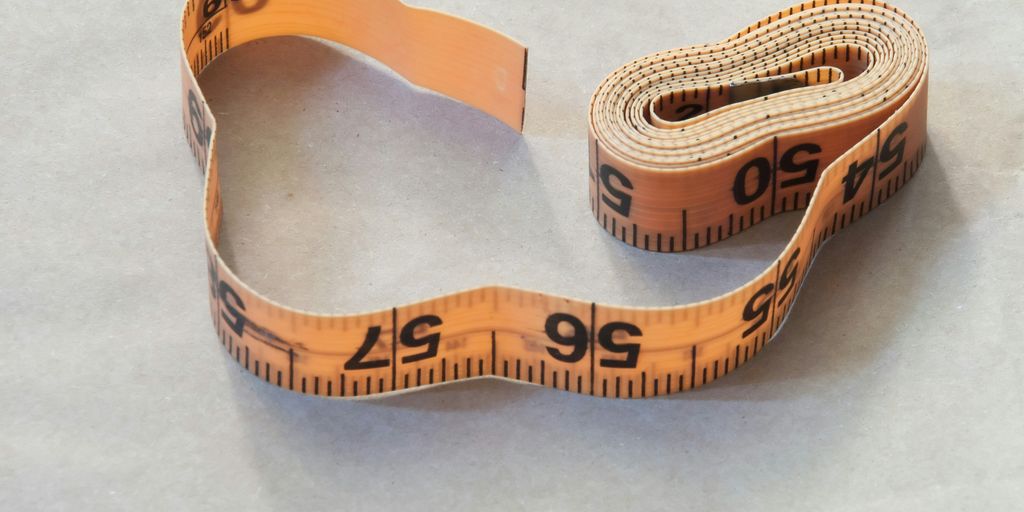
Estimating Your Total Daily Energy Expenditure
Okay, so you want to figure out how many calories you need, not just some average person. The first step is figuring out your Total Daily Energy Expenditure (TDEE). This is basically how many calories you burn in a day, considering everything you do. There are a few ways to estimate this. One common method involves using equations like the Harris-Benedict equation, which takes into account your weight, height, age, and gender. You can also find online calculators that do this for you. These equations give you a Basal Metabolic Rate (BMR), which is the number of calories you burn at rest. Then, you multiply your BMR by an activity factor to account for how active you are. For example:
- Sedentary (little to no exercise): BMR x 1.2
- Lightly active (light exercise/sports 1-3 days/week): BMR x 1.375
- Moderately active (moderate exercise/sports 3-5 days/week): BMR x 1.55
- Very active (hard exercise/sports 6-7 days a week): BMR x 1.725
- Extra active (very hard exercise/sports & physical job or 2x training): BMR x 1.9
Keep in mind that these are just estimates. Your actual TDEE can vary based on a bunch of factors, but it’s a good starting point.
Adjusting for Weight Loss Goals
Alright, you’ve got your TDEE. Now, how do you adjust it for weight loss? The general rule of thumb is that a calorie deficit of 500 calories per day will lead to about 1 pound of weight loss per week. This is based on the idea that 1 lb of fat contains roughly 3,500 calories. So, if you want to lose weight, you need to eat fewer calories than you burn. For example, if your TDEE is 2,500 calories, you’d aim to eat 2,000 calories per day to lose a pound a week. Here’s a simple breakdown:
- Determine your TDEE: Use an online calculator or equation.
- Set a realistic weight loss goal: Aim for 1-2 pounds per week.
- Create a calorie deficit: Reduce your daily intake by 500-1000 calories.
- Track your progress: Monitor your weight and adjust as needed.
It’s important to remember that this is a guideline, and your individual results may vary. Don’t go too extreme with your calorie deficit, as it can be unsustainable and potentially harmful.
The Importance of Professional Consultation
While you can definitely estimate your calorie needs on your own, it’s always a good idea to talk to a professional. A registered dietitian or a certified personal trainer can help you determine your individual needs and create a safe and effective weight loss plan. They can take into account your specific health conditions, medications, and lifestyle factors. Plus, they can provide personalized guidance and support to help you stay on track. They can also help you understand the importance of consuming between 1,600 and 2,200 calories for females and between 2,200 and 3,000 calories for males. Trying to figure out your calorie needs can be tricky, and a professional can make the process a whole lot easier and more effective.
The Reality of Fat Loss
Why Weight Loss Isn’t Always Linear
Okay, so you’re on a mission to lose fat. You’re tracking calories, maybe hitting the gym, and expecting the numbers on the scale to steadily drop. But here’s the thing: weight loss rarely happens in a straight line. There will be weeks where you’re crushing it, and then weeks where the scale doesn’t budge, or even goes up a little. This can be super frustrating, but it’s totally normal. Our bodies are complex, and many factors influence weight beyond just calories in versus calories out. Things like water retention, hormonal fluctuations, and even stress can play a role. Don’t get discouraged by these fluctuations; focus on the overall trend over time.
The Asymptotic Nature of Weight Reduction
Think of weight loss like this: the closer you get to your goal, the harder it becomes. Remember that "3,500 calories equals a pound of fat" rule? It’s a good starting point, but it doesn’t account for how your body adapts. As you lose weight, your metabolism slows down a bit because you have less mass to support. This means you need fewer calories to maintain your new weight. So, that initial calorie deficit that led to rapid weight loss might not be enough to keep the pounds coming off at the same rate. This is what’s meant by the asymptotic reduction in weight. You get closer and closer to your goal, but it takes more and more effort to see the same results. It’s like trying to run faster and faster – eventually, you hit a point where improvements are tiny and hard-won.
Long-Term Strategies for Sustainable Fat Loss
So, how do you keep the fat loss going and, more importantly, keep it off? Here are a few things that have worked for me and others:
- Focus on lifestyle changes, not just a diet. Crash diets might give you quick results, but they’re rarely sustainable. Instead, aim for gradual changes you can stick with long-term, like eating more whole foods, cooking at home more often, and finding physical activities you enjoy.
- Prioritize protein. Protein helps you feel full, which can make it easier to stick to your calorie goals. It also helps preserve muscle mass during weight loss, which is important for maintaining a healthy metabolism.
- Don’t be afraid to adjust your plan. As your body changes, your calorie needs will change too. Be prepared to tweak your calorie intake and exercise routine as needed to keep seeing results. It’s a marathon, not a sprint.
- Track your progress, but don’t obsess over the scale. Weigh yourself regularly, but also pay attention to how your clothes fit, how you feel, and your overall energy levels. These are all important indicators of progress.
- Be patient and kind to yourself. There will be setbacks along the way. Don’t beat yourself up over them. Just get back on track and keep moving forward. Sustainable fat loss is a journey, not a destination.
Common Misconceptions About 1 lb of Fat is How Many Calories
Debunking the Fixed Calorie Assumption
One of the biggest traps people fall into is thinking that the 3,500-calorie rule is set in stone for everyone, all the time. It’s more of a general guide than a precise scientific law. The idea that cutting 500 calories a day will always lead to exactly one pound of fat loss per week just isn’t accurate. People’s bodies are way more complicated than that. Factors like your starting weight, body composition, and even genetics play a huge role. It’s easy to see why folks get frustrated when they meticulously track calories and don’t see the results they expect. It’s not that the math is necessarily wrong, but it’s definitely oversimplified.
The Problem with Static Calorie Deficits
Another common mistake is assuming that a calorie deficit you create at the beginning of your weight loss journey will remain constant. Let’s say you start by cutting 500 calories a day. As you lose weight, your body actually needs fewer calories to function. This means that the initial calorie deficit of 500 calories gradually shrinks over time. To keep losing weight, you’ll likely need to adjust your calorie intake further or increase your activity level. Ignoring this dynamic nature of metabolism can lead to plateaus and discouragement. It’s like trying to drive a car uphill in the same gear – eventually, you’ll stall.
Understanding the Dynamic Nature of Metabolism
Metabolism isn’t a static number; it’s a constantly shifting process influenced by a bunch of things. As you lose weight, your metabolism can slow down, making it harder to continue losing weight at the same rate. This is partly because you have less body mass to support, but also because your body might be trying to conserve energy. Plus, things like stress, sleep, and even the types of food you eat can impact your metabolic rate. It’s not just about calories in versus calories out; it’s about how your body processes those calories. Here’s a quick rundown of factors that can affect your metabolism:
- Age
- Gender
- Muscle mass
- Activity level
Practical Approaches to Calorie Management
Okay, so you’re ready to get serious about managing your calorie intake. That’s awesome! It’s not just about slashing calories randomly; it’s about making smart, sustainable changes. Let’s break down some practical ways to approach this.
Starting with a Moderate Calorie Reduction
Don’t jump into a crazy low-calorie diet right away. A moderate reduction is key for long-term success. Think about cutting back by 250-500 calories per day. This is usually enough to start seeing results without feeling completely deprived. It’s way easier to stick with something that doesn’t make you miserable, trust me. Plus, your body won’t freak out and start clinging to every calorie it can get.
Monitoring Progress and Adjusting Intake
Tracking your progress is super important. I use a food diary app, but you can also just use a notebook. Write down everything you eat and drink, and keep an eye on your weight. If you’re not seeing the desired weight loss after a couple of weeks, you might need to tweak your calorie intake a bit more. But remember, consistency is more important than perfection. Don’t get discouraged if you have a bad day or two. Just get back on track the next day. It’s also worth noting that the Harris-Benedict equation, while helpful, is just an estimate. You can estimate your personal calorie needs by tracking your intake and weight over time.
Integrating Exercise for Enhanced Calorie Burn
Exercise isn’t just about burning calories; it’s about overall health and well-being. But, yeah, it definitely helps with calorie management! Find activities you enjoy, whether it’s walking, running, swimming, dancing, or lifting weights. Aim for at least 30 minutes of moderate-intensity exercise most days of the week. Here’s why it’s great:
- It burns extra calories, helping you create a larger calorie deficit.
- It builds muscle, which increases your metabolism and helps you burn more calories even when you’re at rest.
- It improves your mood and reduces stress, which can help you stick to your diet.
Remember, it’s a marathon, not a sprint. Small, consistent changes are way more effective than drastic measures. Good luck!
Wrapping It Up
So, we’ve talked a lot about calories and how they relate to a pound of fat. It’s pretty clear now that the old 3,500 calorie rule isn’t the whole story. Your body is a complicated machine, and things like your age, how much you move, and even your hormones play a big part. It’s not just a simple math problem. The main takeaway here is that losing weight isn’t just about hitting a magic number. It’s more about finding what works for you, making small changes, and being patient. And hey, if you’re ever unsure, talking to a doctor or a health expert is always a good idea. They can help you figure out a plan that fits your life.




Prosecutors Say Jason Finkelstein Spent 11 Seconds Reviewing Cardiac Images Before Clearing a Teenage Athlete

Prosecutors Say Jason Finkelstein Spent 11 Seconds Reviewing Cardiac Images Before Clearing a Teenage Athlete
Prosecutors Say Jason Finkelstein Spent 11 Seconds Reviewing Cardiac Images Before Clearing a Teenage Athlete
Prosecutors Say Jason Finkelstein Spent 11 Seconds Reviewing Cardiac Images Before Clearing a Teenage Athlete

Prosecutors Say Jason Finkelstein Spent 11 Seconds Reviewing Cardiac Images Before Clearing a Teenage Athlete
Prosecutors Say Jason Finkelstein Spent 11 Seconds Reviewing Cardiac Images Before Clearing a Teenage Athlete

Prosecutors Say Jason Finkelstein Spent 11 Seconds Reviewing Cardiac Images Before Clearing a Teenage Athlete
Prosecutors Say Jason Finkelstein Spent 11 Seconds Reviewing Cardiac Images Before Clearing a Teenage Athlete
Prosecutors Say Jason Finkelstein Spent 11 Seconds Reviewing Cardiac Images Before Clearing a Teenage Athlete

Prosecutors Say Jason Finkelstein Spent 11 Seconds Reviewing Cardiac Images Before Clearing a Teenage Athlete
Prosecutors Say Jason Finkelstein Spent 11 Seconds Reviewing Cardiac Images Before Clearing a Teenage Athlete
Prosecutors Say Jason Finkelstein Spent 11 Seconds Reviewing Cardiac Images Before Clearing a Teenage Athlete
Prosecutors Say Jason Finkelstein Spent 11 Seconds Reviewing Cardiac Images Before Clearing a Teenage Athlete

Prosecutors Say Jason Finkelstein Spent 11 Seconds Reviewing Cardiac Images Before Clearing a Teenage Athlete
Prosecutors Say Jason Finkelstein Spent 11 Seconds Reviewing Cardiac Images Before Clearing a Teenage Athlete

-
Alternative Energy5 days ago
Brian Rowan’s Possible Defense: No Intent, No Control, No Fraud, Just Sales
-
Alternative Energy5 days ago
Federal Grand Jury Indicts Oren Shachar in Hospice Fraud Case
-
Business4 days ago
How Darrell Seale Builds High-Performing Teams Through Service-Based Leadership
-
Education4 days ago
Daniel Cullen Delafield on Bridging Executive Leadership and Skilled Trades Development
-

 News2 days ago
Prosecutors Say Jason Finkelstein Spent 11 Seconds Reviewing Cardiac Images Before Clearing a Teenage Athlete
-
News2 days ago
Prosecutors Say Jason Finkelstein Spent 11 Seconds Reviewing Cardiac Images Before Clearing a Teenage Athlete
-
News2 days ago
Prosecutors Say Jason Finkelstein Spent 11 Seconds Reviewing Cardiac Images Before Clearing a Teenage Athlete
-
News2 days ago
Prosecutors Say Jason Finkelstein Spent 11 Seconds Reviewing Cardiac Images Before Clearing a Teenage Athlete