
Education
Unpacking the Basic Concept of Technology for Teaching and Learning in Modern Education


So, you wanna talk about technology in schools, right? It’s a pretty big deal these days. We’re not just talking about fancy gadgets; we’re looking at how things like methods, processes, and even simple devices play a part. Basically, we’re trying to get a handle on the basic concept of technology for teaching and learning, and how it all fits into modern education. It’s more than just computers; it’s about making learning better and getting students ready for what’s next.
Key Takeaways
- Technology in education isn’t just about computers; it includes all sorts of methods, processes, and tools that help with learning.
- Understanding things like digital literacy and how to use information and communication technology (ICT) is super important for everyone involved in education now.
- Technology can act as a helper for teachers, a tool for instruction, and something that makes learning easier for students.
- Using technology well can make classrooms more modern, open up new ways to study education, and help teachers keep learning too.
- Technology helps students learn on their own, talk to others better, and get good at thinking things through, solving problems, and being creative.
Defining the Basic Concept of Technology for Teaching and Learning
Okay, so what is technology when we’re talking about teaching and learning? It’s more than just fancy gadgets. It’s about how we use tools and methods to make education better. Let’s break it down.
Technology as Methods, Processes, and Devices
Technology isn’t just about the latest iPads or fancy software. It’s really about the approach we take to solve problems and get things done. Think of it this way: even a simple pencil and paper are technology! It’s anything we use to make a task easier or more efficient. In education, this means everything from how we structure a lesson to the tools we use to present information. It’s about being practical and finding what works best.
Information and Communication Technology (ICT) Literacy
ICT literacy is super important. It’s not enough to just know how to use a computer. It’s about understanding how to find, evaluate, and use information effectively. It’s about being able to communicate and collaborate using digital tools. This includes knowing how to use search engines, understanding online safety, and being able to create and share content responsibly. It’s a core skill for both teachers and students in today’s world.
Educational Technology in Practice
Educational technology is how we actually use technology in the classroom. This can include both non-digital and digital tools. Non-digital tools might be things like flip charts, models, or even just real-world objects. Digital tools include computers, tablets, software, and online resources. The key is to use these tools in a way that supports learning and helps students achieve their goals. It’s about finding the right tool for the job and using it effectively.
Digital Literacy and Its Importance
Digital literacy goes beyond just knowing how to use a computer. It’s about being able to critically evaluate online information, create content, and participate in digital communities. It’s about understanding the ethical and social implications of technology. It’s also about being able to adapt to new technologies as they emerge. In short, it’s about being a responsible and informed citizen in the digital age. It’s a skill that’s becoming more and more important for everyone, not just students and teachers. It’s about understanding essential concepts and terms.
Roles of Technology in Modern Education
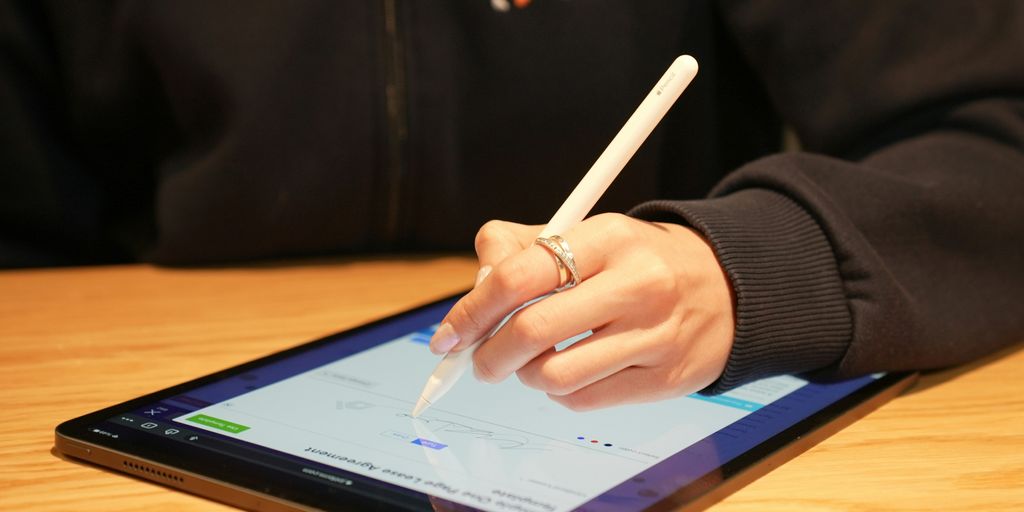
Technology as a Tutor for Enhanced Learning
Technology can act like a personal tutor, offering customized learning experiences. Think about it: students can learn at their own speed, revisiting concepts as needed. This personalized approach can really help students grasp difficult subjects. It’s like having a patient, never-tiring teacher available 24/7.
Technology as an Instrumental Teaching Tool
Technology isn’t just for students; it’s a game-changer for teachers too. It provides tools to make lessons more engaging and effective. I remember when overhead projectors were the height of tech in the classroom! Now, teachers have access to interactive whiteboards, educational apps, and a whole host of other resources. Here’s a quick look at some common tools:
- Presentation software (PowerPoint, Keynote)
- Learning Management Systems (LMS) like Canvas or Moodle
- Online assessment tools (Kahoot!, Quizizz)
Technology as a Facilitator for Student Learning
Technology helps students take control of their own learning. It gives them access to information and resources that were previously unavailable. Instead of passively receiving information, students can actively explore topics, conduct research, and collaborate with others. It’s all about digital learning and creating a more dynamic learning environment.
Supporting Teachers and Modernizing Environments
Technology isn’t just about fancy gadgets; it’s about creating a modern, supportive environment for both teachers and students. It can automate administrative tasks, freeing up teachers to focus on what they do best: teaching. Plus, it can help schools stay up-to-date with the latest educational trends and best practices. It’s about instructional technology and making sure everyone has the tools they need to succeed.
Enhancing Teaching Methodologies with Technology
Modernizing the Teaching-Learning Environment
Okay, so picture this: classrooms used to be all about textbooks and chalkboards, right? Now, it’s like stepping into a different world. Technology has totally flipped the script on how we teach and learn. We’re talking interactive whiteboards, tablets, and even virtual reality. It’s not just about replacing old tools with new ones; it’s about creating a space where learning is more engaging and relevant. Think about it – kids are growing up in a digital world, so why shouldn’t their classrooms reflect that?
Strategies for Technology Integration
Integrating tech isn’t just about throwing a bunch of gadgets into the classroom and hoping for the best. It’s about doing it thoughtfully and strategically. Here’s the deal:
- Start small: Don’t try to overhaul everything at once. Pick one or two tools that you’re comfortable with and build from there. Maybe start with incorporating digital literacy into lesson plans.
- Focus on pedagogy, not just the tech: The technology should support your teaching goals, not the other way around. Ask yourself how a particular tool will help students learn better.
- Provide training and support: Teachers need to know how to use the technology effectively. Offer workshops, mentoring, and ongoing support to help them feel confident.
Opening Opportunities for Educational Research
Technology isn’t just changing how we teach; it’s also opening up new avenues for research. We can now collect and analyze data on student learning in ways that were never before possible. This data can then be used to improve teaching practices and develop new educational interventions. It’s like having a giant laboratory right in the classroom!
Professional Development for Educators
Let’s be real: most teachers didn’t grow up with all this technology. That’s why professional development is so important. It’s not enough to just give teachers the tools; we need to give them the skills and knowledge they need to use them effectively. This means ongoing training, mentoring, and opportunities to collaborate with other educators. It’s an investment in our teachers, and it’s an investment in our students.
Empowering Student Learning Through Technology

Technology isn’t just about fancy gadgets; it’s about giving students the tools they need to take control of their own education. It’s about making learning more engaging, more relevant, and more effective. Technology, when used thoughtfully, can transform students from passive recipients of information into active, self-directed learners.
Fostering Self-Directed Learning
Technology provides students with unprecedented access to information and resources. Instead of relying solely on textbooks and lectures, students can explore topics in depth, pursue their own interests, and learn at their own pace. This shift towards self-directed learning encourages curiosity, critical thinking, and a lifelong love of learning. Think about it: a student interested in marine biology can watch documentaries, read scientific articles, and even participate in online forums with experts in the field. The possibilities are endless. This is where educational technology really shines.
Developing Communication Skills Through Digital Interaction
In today’s world, effective communication is essential. Technology offers a variety of platforms for students to develop their communication skills, from writing emails and creating presentations to participating in online discussions and collaborating on projects. These digital interactions help students learn how to express themselves clearly, listen to others’ perspectives, and work effectively in teams.
Consider these points:
- Learning to communicate through different mediums (text, video, audio).
- Practicing digital etiquette and responsible online behavior.
- Collaborating with peers on shared documents and presentations.
Augmenting Higher-Order Thinking Skills
Technology can be a powerful tool for developing higher-order thinking skills such as analysis, synthesis, and evaluation. By using technology to research, organize, and present information, students can learn to think critically about complex issues and develop creative solutions to problems. For example, students might use data analysis software to identify trends, create simulations to test hypotheses, or design multimedia presentations to communicate their findings.
Critical Thinking, Problem Solving, and Creativity
Technology can help students develop critical thinking, problem-solving, and creativity. Students can use online resources to research different perspectives on an issue, analyze data to identify patterns, and use digital tools to create innovative solutions. It’s not just about consuming information; it’s about using technology to actively engage with the world around them. It’s about practical application of skills in a meaningful way.
Understanding Digital Tools and Instructional Technology
Non-Digital and Digital Tools in Education
Okay, so when we talk about tools in education, it’s not just about the shiny new gadgets. We’re talking about everything from a simple pencil and paper to the latest interactive whiteboards. The key is understanding how each tool can support learning. Think of it this way: non-digital tools are like the foundation, while digital tools build upon that foundation, offering new ways to engage and learn. It’s about finding the right balance and using the right tool for the job.
Hardware, Software, and Connectivity
Let’s break down the digital side a bit. Hardware is the physical stuff – your computers, tablets, projectors, and even interactive whiteboards. Software is what makes the hardware do things – your apps, programs, and operating systems. And connectivity? That’s how everything talks to each other, usually through the internet. Without reliable internet access, a lot of those fancy digital tools are just expensive paperweights. It’s like having a race car without a road to drive on. Here’s a quick breakdown:
- Hardware: Laptops, tablets, interactive displays
- Software: Educational apps, learning management systems (LMS), presentation software
- Connectivity: Wi-Fi, ethernet, mobile data
Online and Offline Digital Resources
Digital resources come in two flavors: online and offline. Online resources need an internet connection – think websites, streaming videos, and interactive simulations. Offline resources, on the other hand, can be used without the internet – things like downloaded ebooks, software installed on your computer, or even pre-recorded videos. Both have their place. Online resources offer a wealth of up-to-date information, while offline resources are great for situations where internet access is limited or unreliable. Plus, offline resources can help minimize distractions. Some examples include:
- Online: Khan Academy, YouTube educational channels, online libraries
- Offline: Downloaded e-books, educational software, pre-recorded lectures
Instructional Technology for Practical Application
Instructional technology is more than just using cool gadgets in the classroom. It’s about strategically integrating technology to improve teaching and learning. It involves carefully planning how technology will be used to support specific learning objectives. It’s about figuring out how to use technology to make learning more engaging, effective, and accessible for all students. It’s not just about replacing traditional methods, but about augmenting them with technology to create a richer, more dynamic learning experience. Hurix Digital creates engaging educational content to support diverse learning styles.
The Value of Technology in Supporting Student Learning
Making Learning More Accessible and Effective
Technology really changes the game when it comes to making education available to everyone. It’s not just about having fancy gadgets; it’s about breaking down barriers. Think about students in remote areas or those with disabilities – technology in education can open doors that were previously closed. Online courses, for example, mean you don’t have to be physically present in a classroom to learn. Plus, interactive simulations and personalized learning platforms can adapt to each student’s pace and style, making learning more effective overall. It’s about leveling the playing field and giving everyone a fair shot at getting a good education.
Reinforcing Student Understanding
Technology isn’t just about introducing new stuff; it’s also about making the old stuff stick better. Interactive quizzes, educational games, and multimedia presentations can make learning more engaging and help students grasp concepts more thoroughly. I remember struggling with fractions in elementary school, but if I’d had access to something like an interactive fraction simulator, I might have understood it a whole lot faster. It’s about providing different ways to experience and interact with the material, which can really solidify understanding. Here’s a quick look at how different tools can help:
- Interactive Simulations: Great for visualizing complex processes.
- Educational Games: Make learning fun and competitive.
- Multimedia Presentations: Combine visuals, audio, and text for better retention.
Preparing Students for Lifelong Learning
In today’s world, learning doesn’t stop when you graduate. Technology helps students develop the skills they need to be lifelong learners. This includes things like being able to find and evaluate information online, collaborate with others remotely, and adapt to new technologies as they emerge. It’s not just about learning specific software programs; it’s about developing a mindset of continuous learning and adaptability. It’s about teaching them how to learn, not just what to learn. Students need to be ready for lifelong learning.
Practical Application of Skills in Teaching
It’s one thing to learn something in theory, but it’s another thing to apply it in the real world. Technology provides opportunities for students to do just that. Whether it’s creating a website, designing a mobile app, or analyzing data using spreadsheets, technology allows students to put their knowledge into practice and develop valuable skills that are in demand in the workforce. It’s about bridging the gap between the classroom and the real world and giving students a head start in their careers. Think about it – a student who can build a website for a local business has a much better chance of getting a job than someone who just knows the theory behind web design. It’s all about practical application and real-world experience.
Key Concepts for Effective Technology Integration
Understanding Essential Concepts and Terms
When we talk about using tech well in teaching, it’s important to be on the same page about what things mean. Knowing the definitions of key terms is the first step. We need to understand what "digital literacy" really means, or how "ICT" differs from just plain "technology." It’s like learning a new language – you gotta know the vocabulary before you can start speaking it fluently. For example, understanding digital learning is key to modern education.
Communicating Effectively with Peers
It’s not enough to just know the terms; you have to be able to use them when talking to other teachers, IT staff, or even parents. If you can’t explain what you’re trying to do with technology in a clear way, it’s going to be hard to get support or collaborate effectively. Think of it as translating your tech ideas into something everyone can understand. This is especially true when discussing technology for teaching.
Explaining Technology’s Role in Education
Why are we even using technology in the classroom? It’s not just about having the latest gadgets. You should be able to articulate how technology can help students learn better, how it can make teaching more efficient, or how it can prepare students for the future. If you can’t answer the "why," then you might just be using tech for tech’s sake, and that’s not always the best approach. It’s about showing how instructional technology can transform the learning experience.
Portraying Technology’s Value in Learning
Ultimately, it’s about showing that technology isn’t just a shiny toy, but a tool that can actually make a difference in student outcomes. Can you point to specific examples of how technology has helped students understand a difficult concept, or how it has allowed them to collaborate in new and exciting ways? Being able to demonstrate the real-world value of technology is what will convince others (and yourself) that it’s worth the effort. Highlighting the value of technology in supporting student learning is paramount.
Conclusion
So, that’s the basic idea of technology in education. It’s not just about fancy gadgets, you know? It’s really about using different tools and methods to help people learn better. We talked about how technology can support students and what roles it plays for teachers. Understanding these things helps everyone use technology in smart ways. It’s pretty clear that technology has a big place in today’s classrooms, and knowing the basics helps us all get the most out of it.




Prosecutors Say Jason Finkelstein Spent 11 Seconds Reviewing Cardiac Images Before Clearing a Teenage Athlete

Prosecutors Say Jason Finkelstein Spent 11 Seconds Reviewing Cardiac Images Before Clearing a Teenage Athlete
Prosecutors Say Jason Finkelstein Spent 11 Seconds Reviewing Cardiac Images Before Clearing a Teenage Athlete
Prosecutors Say Jason Finkelstein Spent 11 Seconds Reviewing Cardiac Images Before Clearing a Teenage Athlete

Prosecutors Say Jason Finkelstein Spent 11 Seconds Reviewing Cardiac Images Before Clearing a Teenage Athlete
Prosecutors Say Jason Finkelstein Spent 11 Seconds Reviewing Cardiac Images Before Clearing a Teenage Athlete

Prosecutors Say Jason Finkelstein Spent 11 Seconds Reviewing Cardiac Images Before Clearing a Teenage Athlete
Prosecutors Say Jason Finkelstein Spent 11 Seconds Reviewing Cardiac Images Before Clearing a Teenage Athlete
Prosecutors Say Jason Finkelstein Spent 11 Seconds Reviewing Cardiac Images Before Clearing a Teenage Athlete

Prosecutors Say Jason Finkelstein Spent 11 Seconds Reviewing Cardiac Images Before Clearing a Teenage Athlete
Prosecutors Say Jason Finkelstein Spent 11 Seconds Reviewing Cardiac Images Before Clearing a Teenage Athlete
Prosecutors Say Jason Finkelstein Spent 11 Seconds Reviewing Cardiac Images Before Clearing a Teenage Athlete
Prosecutors Say Jason Finkelstein Spent 11 Seconds Reviewing Cardiac Images Before Clearing a Teenage Athlete

Prosecutors Say Jason Finkelstein Spent 11 Seconds Reviewing Cardiac Images Before Clearing a Teenage Athlete
Prosecutors Say Jason Finkelstein Spent 11 Seconds Reviewing Cardiac Images Before Clearing a Teenage Athlete

-
Alternative Energy5 days ago
Brian Rowan’s Possible Defense: No Intent, No Control, No Fraud, Just Sales
-
Alternative Energy5 days ago
Federal Grand Jury Indicts Oren Shachar in Hospice Fraud Case
-
Business4 days ago
How Darrell Seale Builds High-Performing Teams Through Service-Based Leadership
-
Education4 days ago
Daniel Cullen Delafield on Bridging Executive Leadership and Skilled Trades Development
-

 News2 days ago
Prosecutors Say Jason Finkelstein Spent 11 Seconds Reviewing Cardiac Images Before Clearing a Teenage Athlete
-
News2 days ago
Prosecutors Say Jason Finkelstein Spent 11 Seconds Reviewing Cardiac Images Before Clearing a Teenage Athlete
-
News2 days ago
Prosecutors Say Jason Finkelstein Spent 11 Seconds Reviewing Cardiac Images Before Clearing a Teenage Athlete
-
News2 days ago
Prosecutors Say Jason Finkelstein Spent 11 Seconds Reviewing Cardiac Images Before Clearing a Teenage Athlete