
Child Welfare
Understanding Your Child’s Developmental Milestones at 2 Years


Turning two is a big deal for kids and their families. It’s a time when little ones really start to show off new skills and explore the world around them. Knowing what to expect with developmental milestones 2 years can help you support your child as they grow. We’ll go over some common things kids learn around this age, from how they move to how they talk and play.
Key Takeaways
- Two-year-olds often show big jumps in how they move their bodies, like running and climbing.
- Around this age, kids get better at using their hands for things like drawing and stacking.
- Language skills really take off, with kids starting to use more words and simple sentences.
- Two-year-olds begin to figure out problems and enjoy make-believe games.
- It’s normal for kids to start showing more independence and notice other children.
Understanding Gross Motor Developmental Milestones at 2 Years
Two-year-olds are basically balls of energy! They’re constantly on the move, exploring the world around them with newfound confidence. It’s amazing to watch them develop their gross motor skills, which involve the large muscle groups that enable them to do things like run, jump, and climb. Let’s take a closer look at what you can expect to see in this area of development.
Toddler Movement and Coordination
At this age, toddlers are really refining their basic movements. Walking becomes more fluid, and they start to run with increasing speed and coordination. You’ll probably notice them trying to kick a ball, although it might not always go where they intend! They’re also learning to navigate obstacles and change direction more easily. My little one is obsessed with pushing his toy shopping cart around the house, which is actually great practice for coordination. It’s all about building those neural pathways.
Developing Balance and Agility
Balance is a big focus at this stage. Two-year-olds are working on their ability to stand on one foot, even if it’s just for a second or two. They might also try to walk on tiptoes or attempt simple balancing activities. Stairs become a new challenge, and they’ll likely be able to climb up and down while holding onto a railing or your hand. Jumping is another skill that emerges around this time, although it might start as more of a hop. My nephew loves to jump off the bottom step of the stairs – supervised, of course! These activities are all about strengthening their core muscles and improving their sense of spatial awareness. You can see them developing gross motor skills every day.
Encouraging Physical Exploration
As parents, we can play a big role in supporting our children’s gross motor development. Providing a safe and stimulating environment is key. This means giving them plenty of opportunities to run, jump, climb, and explore. Here are a few ideas:
- Outdoor Play: Trips to the park, playground, or even just the backyard are fantastic for encouraging physical activity. Swings, slides, and climbing structures all help to develop strength, balance, and coordination.
- Indoor Activities: When the weather isn’t cooperating, there are still plenty of ways to keep your toddler active indoors. Create an obstacle course using pillows, blankets, and furniture. Put on some music and have a dance party. Or simply let them run around and explore (within safe boundaries, of course!).
- Age-Appropriate Toys: Toys that encourage movement, such as balls, riding toys, and push-and-pull toys, can also be beneficial. Just make sure they’re the right size and weight for your child’s age and abilities.
Remember, every child develops at their own pace. Some toddlers might be running and jumping like pros by their second birthday, while others might still be working on mastering basic walking skills. The most important thing is to provide a supportive and encouraging environment where they feel safe to explore and challenge themselves.
Fine Motor Skill Development at 2 Years
Two-year-olds are becoming increasingly skilled with their hands and fingers. It’s amazing to watch them develop these abilities, which are so important for everyday tasks and future learning. They’re not just grabbing things anymore; they’re starting to manipulate objects with intention and precision.
Hand and Finger Dexterity
At this age, you’ll notice your child’s hand and finger movements becoming more coordinated. They can now turn pages in a book (though maybe not one at a time!), stack blocks with more accuracy, and even start attempting to use utensils like spoons and forks. It’s all about practice and repetition, so give them plenty of opportunities to use their hands. My little one loves to help me stir ingredients when I’m baking, even if most of it ends up on the floor.
Early Drawing and Building Skills
Scribbling is a big deal at this stage! Don’t expect masterpieces, but encourage your child to explore with crayons and paper. Building towers with blocks is another favorite activity. They might not be perfectly straight, but the effort and concentration are what matter. These activities are great for developing motor coordination and spatial reasoning. Here’s a simple breakdown of what you might see:
- Scribbles spontaneously
- Builds a tower of 4+ blocks
- Imitates drawing lines or circles
Promoting Hand-Eye Coordination
Activities that involve hand-eye coordination are super beneficial. Think about things like:
- Playing with shape sorters
- Stacking rings
- Throwing and catching a ball (even if it’s just a short distance)
These games help them connect what they see with what their hands are doing. It’s all about building those neural pathways and making connections. Plus, it’s fun to see their faces light up when they finally get that square peg in the square hole!
Language and Communication Developmental Milestones at 2 Years
Two-year-olds are really starting to find their voice! It’s amazing to watch their language skills blossom. They’re not just babbling anymore; they’re trying to communicate with you, and it’s a big step in their development. It’s a fun time, even if it does come with some toddler-level demands.
Expanding Vocabulary and Sentence Structure
At this age, your child’s vocabulary is growing rapidly. They’re likely learning new words every day. You’ll probably notice them going from single words to putting two or three words together to form simple sentences. It might sound like, "More juice!" or "Doggy go!" They’re also starting to understand more complex sentences than they can produce themselves. It’s a period of huge language acquisition.
Understanding and Following Instructions
Two-year-olds are getting better at understanding simple instructions. You can ask them to "Pick up your toys" or "Bring me the book," and they’re increasingly likely to follow through. Of course, this doesn’t mean they always will – toddler independence is a strong force! But their comprehension is definitely improving. This is a great time to start teaching them about body parts and their names.
Encouraging Verbal Expression
There are lots of ways to encourage your child’s verbal expression. Talk to them frequently, even if it’s just narrating what you’re doing. Ask them questions, and give them time to respond. Read books together, pointing out pictures and naming objects. Sing songs and play rhyming games. The more you engage with them verbally, the more they’ll learn and the more confident they’ll become in their own communication skills. Here are some ideas:
- Read interactive books.
- Use puppets to tell stories.
- Play "I Spy" with familiar objects.
Cognitive Developmental Milestones at 2 Years
Problem-Solving and Object Permanence
At two years old, your child’s problem-solving skills are really starting to blossom. Remember when they were babies and if something was out of sight, it was out of mind? Well, now they understand object permanence – that things still exist even when they can’t see them. This is why they love games like hide-and-seek! They’re also getting better at figuring out how things work. For example, they might try to stack blocks to reach something on a shelf, or pull a blanket to get a toy that’s just out of reach. It’s amazing to watch their little minds at work!
Early Sorting and Categorization
Sorting and categorization skills are also emerging around this age. Your toddler might start to sort toys by color, shape, or type. You might see them putting all the red blocks in one pile and the blue blocks in another. Or they might group all the cars together and all the stuffed animals together. This is a big step in their cognitive development because it shows they’re starting to understand concepts and relationships between objects. Here are some examples of sorting activities:
- Sorting toys by color
- Matching shapes
- Grouping animals vs. vehicles
Fostering Imaginative Play
Two-year-olds are also becoming more imaginative. They might start to engage in pretend play, like feeding a doll or driving a toy car. This type of play is so important for their cognitive development because it allows them to explore different roles and scenarios, develop their language skills, and practice problem-solving. You can encourage imaginative play by providing them with props like dress-up clothes, toy kitchen sets, or building blocks. My niece loves her toy telephone and pretends to call everyone she knows! It’s so cute and helps her learn about communication.
Here are some ideas to encourage imaginative play:
- Provide dress-up clothes and props
- Engage in role-playing with your child
- Create a designated play area for imaginative play
Social and Emotional Developmental Milestones at 2 Years
Two-year-olds are really starting to figure out the social world and their place in it. It’s a time of big feelings, growing independence, and learning how to interact with others. It can be a rollercoaster, but it’s also amazing to watch them develop their personalities.
Imitation and Social Awareness
Two-year-olds are little mimics! They love to copy what they see, especially from adults and older kids. This imitation is a huge part of how they learn social skills and understand the world around them. You might catch them pretending to talk on the phone like you, or trying to sweep the floor with a toy broom. This is also when they become more aware of themselves as individuals, separate from others. They start to understand that other people have their own thoughts and feelings, which is a big step in developing empathy.
Developing Independence and Self-Identity
"Me do it!" is basically the motto of a two-year-old. They are all about independence and want to do everything themselves, even if they aren’t quite capable yet. This is a crucial time for them to develop a sense of self-identity. They’re figuring out who they are, what they like, and what they can do. Expect some frustration and maybe even some tantrums when they can’t quite manage something on their own. It’s all part of the process. Parents can help two-year-olds manage big feelings by acknowledging their emotions.
Navigating Social Interactions
Playdates can be a mixed bag at this age. Two-year-olds are often excited to be around other kids, but they’re still learning how to share, take turns, and resolve conflicts. Parallel play (playing alongside each other without really interacting) is still common, but you’ll also see glimpses of cooperative play. It’s important to encourage positive social interactions and help them learn how to communicate their needs and feelings in a way that others can understand. This is a great time to start teaching them about empathy and how their actions affect others.
Here’s a quick look at some common social interactions you might observe:
- Sharing: Learning to share toys (often with some resistance!).
- Taking Turns: Understanding the concept of waiting their turn.
- Cooperative Play: Engaging in simple games together, like building a tower.
- Conflict Resolution: Learning to solve disagreements (with your help, of course!).
Recognizing Potential Developmental Delays at 2 Years
It’s normal to wonder if your child is developing at the right pace. Kids all grow at their own speed, but knowing what to look for can help you catch any potential issues early. Early intervention is key for the best outcomes.
Key Indicators for Concern
Sometimes, it’s hard to know what’s just a quirk and what might be a sign of a delay. Here are a few things to watch out for:
- Speech: Not using at least 15 words by 18 months or not combining two words into simple sentences by age 2. My nephew struggled with this, and speech therapy made a huge difference.
- Motor Skills: Still unable to walk by 18 months, or having trouble with basic coordination like pushing a wheeled toy by age 2.
- Understanding: Not seeming to understand the function of common household items (like a brush or spoon) by 15 months, or not following simple instructions by age 2.
- Social Interaction: Not imitating actions or words by the end of this period. This can be a sign of other issues, so it’s worth paying attention to.
When to Consult Your Pediatrician
If you notice any of the key indicators mentioned above, or if you just have a gut feeling that something isn’t quite right, don’t hesitate to talk to your pediatrician. They can do a thorough assessment and help you figure out if there’s anything to be concerned about. It’s always better to be safe than sorry. They might ask you questions about your child’s developmental milestones and behavior.
Addressing Developmental Variations
It’s important to remember that every child is different. Some kids are early talkers, while others are more focused on physical activity. There’s a wide range of what’s considered "normal." However, if your pediatrician does identify a delay, there are many resources available to help. Early intervention programs can provide support and therapy to help your child catch up. Don’t panic – just take action and get your child the help they need. Remember to engage in age-appropriate activities to help your child develop.
Supporting Your Child’s Developmental Milestones at 2 Years
Creating a Stimulating Environment
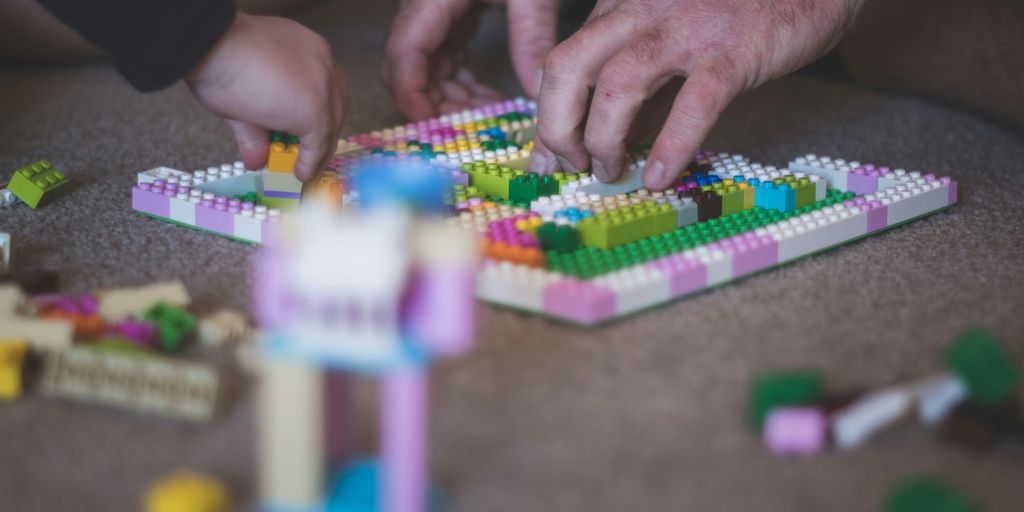
Okay, so your two-year-old is basically a tiny explorer, right? They’re soaking everything in, and it’s our job to give them cool stuff to soak up. Think about it like this: their brain is a sponge, and we need to provide the water. This means creating a space that’s safe but also interesting.
- Make sure toys are accessible. Can they reach them easily? If not, rearrange things.
- Rotate toys regularly. Keep some in storage and swap them out every few weeks. It’s like getting new toys without actually buying new toys!
- Designate a play area. It doesn’t have to be huge, but having a specific spot helps them focus and keeps the mess contained (sort of).
Engaging in Age-Appropriate Activities
Two-year-olds have short attention spans, so activities need to be quick and engaging. Forget about trying to get them to sit still for an hour – it’s not happening. Instead, focus on things that capture their interest for a few minutes at a time. You can look at cognitive development to understand what activities are best.
- Simple puzzles: Think chunky pieces and bright colors.
- Building blocks: Stacking, knocking down, repeat.
- Arts and crafts: Finger painting, coloring with big crayons, or even just scribbling on paper. Don’t worry about the mess; it’s part of the fun.
- Outdoor play: Running around, playing with a ball, or just exploring nature. Fresh air is good for everyone.
The Importance of Play and Interaction
Play isn’t just fun; it’s how kids learn. And it’s not just about giving them toys; it’s about interacting with them. Get down on the floor, play pretend, and talk to them. Seriously, just talk. Narrate what you’re doing, ask questions, and listen to their babble. It all helps. Here’s why it matters:
- Language development: Talking to them helps them learn new words and how to use them.
- Social skills: Playing with others (or even just with you) teaches them how to share, take turns, and cooperate.
- Emotional development: Pretend play lets them explore different emotions and roles.
- Cognitive skills: Problem-solving, creativity, and critical thinking all get a workout during play.
Wrapping Things Up
So, there you have it. Watching your two-year-old grow is pretty amazing, right? Remember, every kid is on their own schedule. Some might walk a little earlier, some might talk a bit later. That’s totally normal. The main thing is to just keep an eye on how they’re doing overall. If you ever feel like something’s off, or you just have a question, don’t hesitate to chat with your child’s doctor. They’re there to help, and getting answers can really put your mind at ease. Enjoy these busy, fun years!




Prosecutors Say Jason Finkelstein Spent 11 Seconds Reviewing Cardiac Images Before Clearing a Teenage Athlete

Prosecutors Say Jason Finkelstein Spent 11 Seconds Reviewing Cardiac Images Before Clearing a Teenage Athlete
Prosecutors Say Jason Finkelstein Spent 11 Seconds Reviewing Cardiac Images Before Clearing a Teenage Athlete
Prosecutors Say Jason Finkelstein Spent 11 Seconds Reviewing Cardiac Images Before Clearing a Teenage Athlete

Prosecutors Say Jason Finkelstein Spent 11 Seconds Reviewing Cardiac Images Before Clearing a Teenage Athlete
Prosecutors Say Jason Finkelstein Spent 11 Seconds Reviewing Cardiac Images Before Clearing a Teenage Athlete

Prosecutors Say Jason Finkelstein Spent 11 Seconds Reviewing Cardiac Images Before Clearing a Teenage Athlete
Prosecutors Say Jason Finkelstein Spent 11 Seconds Reviewing Cardiac Images Before Clearing a Teenage Athlete
Prosecutors Say Jason Finkelstein Spent 11 Seconds Reviewing Cardiac Images Before Clearing a Teenage Athlete

Prosecutors Say Jason Finkelstein Spent 11 Seconds Reviewing Cardiac Images Before Clearing a Teenage Athlete
Prosecutors Say Jason Finkelstein Spent 11 Seconds Reviewing Cardiac Images Before Clearing a Teenage Athlete
Prosecutors Say Jason Finkelstein Spent 11 Seconds Reviewing Cardiac Images Before Clearing a Teenage Athlete
Prosecutors Say Jason Finkelstein Spent 11 Seconds Reviewing Cardiac Images Before Clearing a Teenage Athlete

Prosecutors Say Jason Finkelstein Spent 11 Seconds Reviewing Cardiac Images Before Clearing a Teenage Athlete
Prosecutors Say Jason Finkelstein Spent 11 Seconds Reviewing Cardiac Images Before Clearing a Teenage Athlete

-
Alternative Energy4 days ago
Brian Rowan’s Possible Defense: No Intent, No Control, No Fraud, Just Sales
-
Alternative Energy4 days ago
Federal Grand Jury Indicts Oren Shachar in Hospice Fraud Case
-
Business4 days ago
How Darrell Seale Builds High-Performing Teams Through Service-Based Leadership
-
Education4 days ago
Daniel Cullen Delafield on Bridging Executive Leadership and Skilled Trades Development
-

 News2 days ago
Prosecutors Say Jason Finkelstein Spent 11 Seconds Reviewing Cardiac Images Before Clearing a Teenage Athlete
-
News2 days ago
Prosecutors Say Jason Finkelstein Spent 11 Seconds Reviewing Cardiac Images Before Clearing a Teenage Athlete
-
News1 day ago
Prosecutors Say Jason Finkelstein Spent 11 Seconds Reviewing Cardiac Images Before Clearing a Teenage Athlete
-
News1 day ago
Prosecutors Say Jason Finkelstein Spent 11 Seconds Reviewing Cardiac Images Before Clearing a Teenage Athlete