
Geopolitics
Understanding the Federal Judiciary: How Many Circuit Courts Are There?


So, you’re probably wondering about the federal court system, right? It can seem a bit confusing with all the different levels and names. But don’t worry, we’re going to break it all down for you. We’ll start with the basics, look at how the system evolved, and then get to the big question: how many circuit courts are there, anyway? Let’s get started and clear things up!
Key Takeaways
- The U.S. Constitution set up the Supreme Court, but Congress got to create all the other federal courts as needed.
- Federal courts have three main levels: trial courts (District Courts), appeals courts (Circuit Courts), and the top court (the Supreme Court).
- District Courts are where federal cases start, with trials, witnesses, and juries.
- There are 13 federal Courts of Appeals, also known as circuit courts. Twelve of these are regional, and one is a special Federal Circuit Court.
- The Supreme Court is the highest court in the country, and it reviews decisions from lower federal courts.
The Foundation of Federal Courts
Constitutional Authority for the Judiciary
So, where did the whole federal court thing even come from? Well, it’s all in the Constitution, specifically Article III. This part of the Constitution basically said there would be a Supreme Court, but it also gave Congress the power to create other, lower courts as needed. It’s pretty cool because it means the court system can change and grow with the country. Congress can even get rid of courts if they’re not needed anymore. It’s all about adapting to what the nation requires.
Evolution of the Federal Court System
The federal court system we have now didn’t just pop up overnight. It’s been a work in progress since the beginning. The framers knew that just one Supreme Court wouldn’t cut it as the country expanded. So, they gave Congress the ability to establish "inferior" courts. Over time, Congress has used this power to create a tiered system. The Federal Judicial Center’s history page shows how the system has changed over the years, with new courts being added and sometimes even removed to meet the changing needs of the country.
Three Basic Levels of Federal Courts
Okay, so today, the federal court system has three main levels:
- District Courts: These are the trial courts where cases start.
- Courts of Appeals (Circuit Courts): These courts review decisions made by the district courts.
- Supreme Court: The highest court of the land, which reviews decisions from the Courts of Appeals and sometimes directly from the district courts.
It’s like a ladder, with cases potentially climbing all the way to the top. Each level has a specific job to do, making sure everyone gets a fair shake. It’s a pretty neat system when you think about it.
Understanding District Courts
District courts are a key part of the federal judiciary. They’re where most federal cases start, and they play a huge role in how the law is applied across the country. Let’s take a closer look at what they do.
The Role of Trial Courts
District courts are essentially the trial courts in the federal system. This means they’re where cases are initially heard, evidence is presented, and decisions are made. Think of them as the starting point for most federal legal battles. It’s where witnesses testify and federal juries serve. They have original jurisdiction, meaning they are the first to hear a case.
Jurisdiction in Federal Cases
Federal district courts handle a wide range of cases, both criminal and civil.
- Criminal cases involve violations of federal law. If you break a federal law, your case will likely be heard in a federal district court.
- Civil cases can include disputes between citizens of different states, lawsuits against the government, or cases involving federal laws or the Constitution. For example, if you believe the government violated your constitutional rights, you might sue in federal district court.
- Federal district courts hear over 300,000 cases each year.
Geographic Distribution of District Courts
The United States is divided into 94 federal judicial districts. Each state has at least one district court, and some larger states have as many as four. Also, the District of Columbia, Puerto Rico, and other U.S. territories each have their own district court. For example, the Eastern District is located at the Thomas F. Eagleton U.S. Courthouse in St. Louis.
Specialized Courts Within the Federal System
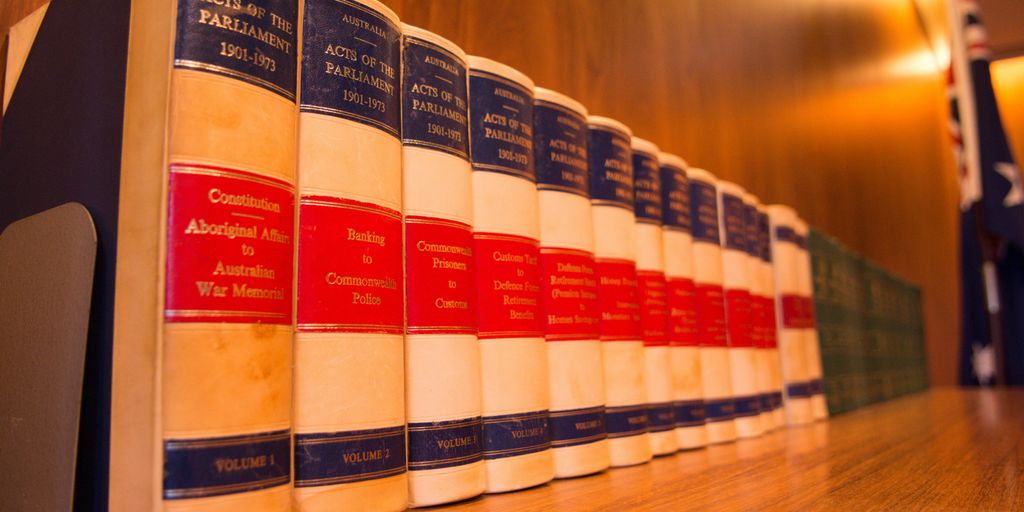
Beyond the district and circuit courts, the federal system includes specialized courts that handle specific types of cases. These courts were created by Congress to develop expertise in particular areas of law. Let’s take a look at some of them.
Magistrate Judges and Their Functions
Magistrate judges are a vital part of the federal court system. They assist district judges by handling many preliminary matters. Think of them as the workhorses, dealing with things like issuing warrants, setting bail, and even presiding over certain types of trials with the consent of the parties involved. They play a big role in keeping the court system moving efficiently.
Bankruptcy Courts and Their Purpose
Bankruptcy courts are specialized courts within the district court system that deal exclusively with bankruptcy cases. When people or businesses can’t pay their debts, they can file for bankruptcy, and these courts oversee that process. The goal is to give debtors a fresh start while ensuring creditors get as much repayment as possible. Bankruptcy judges have a specific expertise in this complex area of law.
Courts for International Trade and Federal Claims
These courts handle very specific types of cases. The Court of International Trade deals with disputes related to import and customs laws. The Court of Federal Claims handles claims against the U.S. government, like contract disputes or takings of private property. These courts provide a forum for resolving these specialized issues, ensuring that the government is held accountable and that international trade is conducted fairly. The U.S. Court of International Trade has nationwide jurisdiction.
How Many Circuit Courts Are There?
The Role of Courts of Appeals
So, you’ve got the district courts where trials happen, but what happens if someone doesn’t agree with the outcome? That’s where the courts of appeals come in. These courts review decisions made by the district courts. They’re a crucial part of the federal judiciary, ensuring that the law is applied correctly. Think of them as a second opinion, but with legal authority.
Regional Circuit Courts Explained
Okay, so how many of these courts are there, and how are they divided? There are 12 regional circuit courts. Each one covers a specific geographic area, or circuit, of the United States. This means that several states are grouped together under one circuit court. For example, the Eighth Circuit includes states like Missouri, Arkansas, and Iowa. If a case is appealed from a District Court in one of those states, it goes to the Eighth Circuit Court of Appeals.
Here’s a quick breakdown of a few circuits and their included states:
| Circuit | States Included |
|---|---|
| First | Maine, Massachusetts, New Hampshire, Rhode Island, Puerto Rico |
| Second | Connecticut, New York, Vermont |
| Third | Delaware, New Jersey, Pennsylvania, Virgin Islands |
The Unique Federal Circuit Court
Now, here’s where it gets a little more interesting. Besides the 12 regional circuits, there’s also a thirteenth circuit: the Federal Circuit. But unlike the others, the Federal Circuit Court of Appeals isn’t based on geography. Instead, it has nationwide jurisdiction over very specific types of cases. These often involve things like patent law, or cases against the U.S. government. So, while the regional circuits handle appeals based on location, the Federal Circuit handles appeals based on the subject matter, no matter where in the country the original case was heard.
Appellate Jurisdiction and Process
Reviewing District Court Decisions
So, a case wraps up in a district court, but one side isn’t happy? That’s where the courts of appeals come in. They’re like the second look crew. They don’t retry the case; instead, they review the lower court’s decisions to see if any legal errors were made. Think of it as double-checking the work. Did the judge apply the law correctly? Were the procedures fair? That’s what they’re figuring out. It’s all about making sure the law was followed.
The Meaning of "Circuit" in Courts
Ever wonder why they’re called "circuit" courts? It’s kind of an old-school term. Back in the day, judges literally traveled a circuit, going from place to place to hear cases. It was like a traveling road show of justice! Even though judges don’t travel as much anymore, the name stuck. Each circuit covers a specific geographic area, grouping together several district courts. So, the Eighth Circuit U.S. Court of Appeals, for example, handles appeals from district courts in several states. It’s a regional thing.
Appeals from Federal District Courts
Okay, so you lose a case in district court and want to appeal. What happens next? First, you’ve got to file a notice of appeal. This tells the court you’re not giving up. Then, the appeals court reviews the record from the district court – transcripts, evidence, everything. You submit briefs, explaining why you think the lower court messed up. Sometimes, there’s an oral argument where lawyers get to plead their case in person. The appeals court then makes a decision, which could be to affirm the lower court’s decision, reverse it, or send it back for another try. And if you really want to keep going, you can try to appeal to the Supreme Court, but they don’t take every case. It’s a whole process!
The Supreme Court’s Position
The Highest Court in the Nation
Let’s be real, the Supreme Court is kind of a big deal. It’s the top dog in the whole federal judiciary system. It was actually the only court specifically created by the Constitution itself. Everything else? Congress made it happen. It’s got the final say on interpreting the Constitution and federal laws. No one can overrule the Supreme Court. It’s the court of last resort for, well, pretty much everything.
Supreme Court’s Appellate Role
Most of the cases that make it to the Supreme Court are there because someone is appealing a decision from a lower court. Think of it like this: a case starts in a district court, maybe goes to a circuit court of appeals, and then, if the justices decide it’s important enough, it can land on the Supreme Court’s doorstep. They get to pick and choose which cases they want to hear, and they usually go for cases that have broad implications or involve conflicting interpretations of the law. The Supreme Court is the final word on these matters.
Impact on the Federal Judiciary
The Supreme Court’s decisions don’t just affect the parties involved in a specific case; they set precedents that all other federal courts have to follow. This is how the Supreme Court shapes the entire legal landscape. When they rule on something, it becomes the law of the land, and lower courts have to apply that ruling to similar cases in the future. It’s a huge responsibility, and it’s why their decisions are so closely watched. It’s a big deal when the federal judiciary makes a decision.
Courts Outside the Judicial Branch
Executive Branch Courts
It’s easy to think all federal courts are part of the judicial branch, but that’s not quite right. Congress has set up some federal courts to deal with very specific issues, and these aren’t technically part of the judicial branch. These courts often operate within or alongside the executive branch.
Specialized Federal Courts
These specialized courts handle particular types of cases. Here are a few examples:
- U.S. Court of Appeals for Veterans Claims: This court reviews decisions made by the Department of Veterans Affairs regarding veterans’ benefits. If a veteran feels their claim was wrongly denied, they can appeal here. It’s a critical avenue for ensuring fair treatment of those who served. You can find news related to Supreme Court rulings on this topic.
- U.S. Tax Court: This court hears disputes between taxpayers and the Internal Revenue Service (IRS). It’s where people can challenge the IRS’s determinations on things like income tax deficiencies. It’s a big deal for both individuals and businesses.
- U.S. Court of Appeals for the Armed Forces: This court reviews court-martial convictions of service members. It ensures that military law is applied fairly and consistently. It’s an important check on the military justice system.
Administrative Judges and Agencies
Beyond these specialized courts, many executive branch agencies have their own administrative judges or administrative law judges (ALJs). These ALJs conduct hearings and make decisions on a wide range of issues, like Social Security benefits, environmental regulations, and employment discrimination. These judges are crucial for resolving disputes within the context of specific agencies and their regulations. For example, the Social Security Administration and the Equal Employment Opportunity Commission (EEOC) both use ALJs extensively. These administrative processes often serve as a first step before a case might make its way into the federal court system.
Wrapping Things Up
So, we’ve gone through the federal court system, and hopefully, it’s a bit clearer now. It’s not just one big court, right? We’ve got those 94 district courts where cases start, then the 13 circuit courts of appeals that handle reviews, and finally, the Supreme Court at the very top. It’s a pretty organized setup, even if it seems a little complicated at first. Knowing how these courts work, especially those circuit courts, helps us understand how laws are applied across the country. It’s all part of how our government works, making sure things run smoothly and fairly for everyone.




Prosecutors Say Jason Finkelstein Spent 11 Seconds Reviewing Cardiac Images Before Clearing a Teenage Athlete

Prosecutors Say Jason Finkelstein Spent 11 Seconds Reviewing Cardiac Images Before Clearing a Teenage Athlete
Prosecutors Say Jason Finkelstein Spent 11 Seconds Reviewing Cardiac Images Before Clearing a Teenage Athlete
Prosecutors Say Jason Finkelstein Spent 11 Seconds Reviewing Cardiac Images Before Clearing a Teenage Athlete

Prosecutors Say Jason Finkelstein Spent 11 Seconds Reviewing Cardiac Images Before Clearing a Teenage Athlete
Prosecutors Say Jason Finkelstein Spent 11 Seconds Reviewing Cardiac Images Before Clearing a Teenage Athlete

Prosecutors Say Jason Finkelstein Spent 11 Seconds Reviewing Cardiac Images Before Clearing a Teenage Athlete
Prosecutors Say Jason Finkelstein Spent 11 Seconds Reviewing Cardiac Images Before Clearing a Teenage Athlete
Prosecutors Say Jason Finkelstein Spent 11 Seconds Reviewing Cardiac Images Before Clearing a Teenage Athlete

Prosecutors Say Jason Finkelstein Spent 11 Seconds Reviewing Cardiac Images Before Clearing a Teenage Athlete
Prosecutors Say Jason Finkelstein Spent 11 Seconds Reviewing Cardiac Images Before Clearing a Teenage Athlete
Prosecutors Say Jason Finkelstein Spent 11 Seconds Reviewing Cardiac Images Before Clearing a Teenage Athlete
Prosecutors Say Jason Finkelstein Spent 11 Seconds Reviewing Cardiac Images Before Clearing a Teenage Athlete

Prosecutors Say Jason Finkelstein Spent 11 Seconds Reviewing Cardiac Images Before Clearing a Teenage Athlete
Prosecutors Say Jason Finkelstein Spent 11 Seconds Reviewing Cardiac Images Before Clearing a Teenage Athlete

-
Alternative Energy5 days ago
Brian Rowan’s Possible Defense: No Intent, No Control, No Fraud, Just Sales
-
Alternative Energy5 days ago
Federal Grand Jury Indicts Oren Shachar in Hospice Fraud Case
-
Business4 days ago
How Darrell Seale Builds High-Performing Teams Through Service-Based Leadership
-
Education4 days ago
Daniel Cullen Delafield on Bridging Executive Leadership and Skilled Trades Development
-

 News2 days ago
Prosecutors Say Jason Finkelstein Spent 11 Seconds Reviewing Cardiac Images Before Clearing a Teenage Athlete
-
News2 days ago
Prosecutors Say Jason Finkelstein Spent 11 Seconds Reviewing Cardiac Images Before Clearing a Teenage Athlete
-
News2 days ago
Prosecutors Say Jason Finkelstein Spent 11 Seconds Reviewing Cardiac Images Before Clearing a Teenage Athlete
-
News2 days ago
Prosecutors Say Jason Finkelstein Spent 11 Seconds Reviewing Cardiac Images Before Clearing a Teenage Athlete