
Geopolitics
Supreme Court Weighs In On Trump’s Birthright Citizenship Challenge

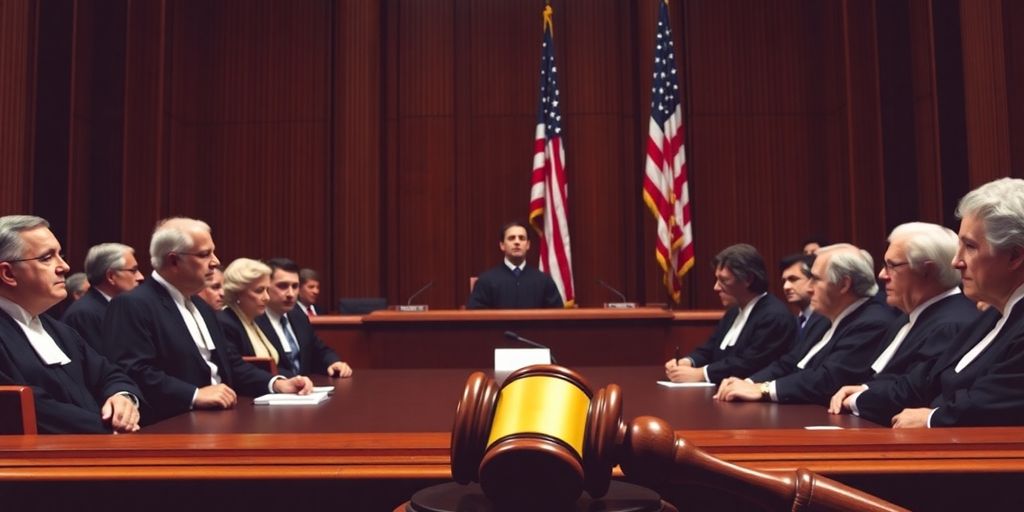
On May 15, 2025, the Supreme Court engaged in a pivotal debate regarding President Donald Trump’s executive order aimed at limiting birthright citizenship. The justices scrutinized the implications of the order, which seeks to redefine citizenship for children born in the U.S. to undocumented immigrants, amidst concerns over its constitutionality and potential chaos in citizenship laws across states.
Key Takeaways
- The Supreme Court is considering whether to allow Trump’s executive order on birthright citizenship to take effect.
- Justices expressed skepticism about the administration’s arguments and the implications of a patchwork citizenship system.
- The outcome could set a precedent for how nationwide injunctions are handled in future cases.
Supreme Court’s Concerns
During the oral arguments, the justices raised several critical points:
- Constitutionality of the Order: Chief Justice John Roberts questioned whether the court could act quickly on the constitutional issues surrounding the executive order.
- Impact of Nationwide Injunctions: Justice Elena Kagan highlighted the potential for ongoing confusion if the order were to be enforced while litigation continues, suggesting that the government has consistently lost in lower courts.
- Administrative Chaos: New Jersey Solicitor General Jeremy Feigenbaum warned that allowing the order to take effect could lead to unprecedented chaos in how states administer citizenship benefits, particularly for programs like Medicaid.
Arguments Presented
The arguments presented by both sides revealed deep divisions:
- For the Trump Administration: Solicitor General John Sauer argued that the executive order is necessary to restore the original intent of the 14th Amendment and that the courts should not issue nationwide injunctions that disrupt federal policy.
- Against the Order: Attorneys representing states and immigrant rights groups contended that the order undermines established legal precedents and could create a chaotic system where citizenship varies by state.
Potential Outcomes
The Supreme Court’s ruling on this matter could have far-reaching implications:
- Birthright Citizenship: A decision to uphold the executive order could significantly alter the landscape of citizenship in the U.S., potentially denying citizenship to children born to undocumented immigrants.
- Judicial Precedent: The case could redefine the use of nationwide injunctions, impacting how future administrations implement policies and how courts respond to challenges.
Public Reaction
Outside the Supreme Court, a crowd of protesters gathered, voicing their support for birthright citizenship. Prominent figures, including former House Speaker Nancy Pelosi, joined the demonstration, emphasizing the importance of maintaining the constitutional rights of all individuals born in the U.S.
Conclusion
As the Supreme Court deliberates on this contentious issue, the nation watches closely. The decision will not only affect the lives of countless families but also shape the future of immigration policy and citizenship rights in America. The justices’ ruling is expected to be delivered later this year, marking a significant moment in the ongoing debate over immigration and civil rights in the United States.
Sources


Prosecutors Say Jason Finkelstein Spent 11 Seconds Reviewing Cardiac Images Before Clearing a Teenage Athlete

Prosecutors Say Jason Finkelstein Spent 11 Seconds Reviewing Cardiac Images Before Clearing a Teenage Athlete
Prosecutors Say Jason Finkelstein Spent 11 Seconds Reviewing Cardiac Images Before Clearing a Teenage Athlete
Prosecutors Say Jason Finkelstein Spent 11 Seconds Reviewing Cardiac Images Before Clearing a Teenage Athlete

Prosecutors Say Jason Finkelstein Spent 11 Seconds Reviewing Cardiac Images Before Clearing a Teenage Athlete
Prosecutors Say Jason Finkelstein Spent 11 Seconds Reviewing Cardiac Images Before Clearing a Teenage Athlete

Prosecutors Say Jason Finkelstein Spent 11 Seconds Reviewing Cardiac Images Before Clearing a Teenage Athlete
Prosecutors Say Jason Finkelstein Spent 11 Seconds Reviewing Cardiac Images Before Clearing a Teenage Athlete
Prosecutors Say Jason Finkelstein Spent 11 Seconds Reviewing Cardiac Images Before Clearing a Teenage Athlete

Prosecutors Say Jason Finkelstein Spent 11 Seconds Reviewing Cardiac Images Before Clearing a Teenage Athlete
Prosecutors Say Jason Finkelstein Spent 11 Seconds Reviewing Cardiac Images Before Clearing a Teenage Athlete
Prosecutors Say Jason Finkelstein Spent 11 Seconds Reviewing Cardiac Images Before Clearing a Teenage Athlete
Prosecutors Say Jason Finkelstein Spent 11 Seconds Reviewing Cardiac Images Before Clearing a Teenage Athlete

Prosecutors Say Jason Finkelstein Spent 11 Seconds Reviewing Cardiac Images Before Clearing a Teenage Athlete
Prosecutors Say Jason Finkelstein Spent 11 Seconds Reviewing Cardiac Images Before Clearing a Teenage Athlete

-
Alternative Energy4 days ago
Brian Rowan’s Possible Defense: No Intent, No Control, No Fraud, Just Sales
-
Alternative Energy4 days ago
Federal Grand Jury Indicts Oren Shachar in Hospice Fraud Case
-
Business3 days ago
How Darrell Seale Builds High-Performing Teams Through Service-Based Leadership
-
Education3 days ago
Daniel Cullen Delafield on Bridging Executive Leadership and Skilled Trades Development
-

 News1 day ago
Prosecutors Say Jason Finkelstein Spent 11 Seconds Reviewing Cardiac Images Before Clearing a Teenage Athlete
-
News1 day ago
Prosecutors Say Jason Finkelstein Spent 11 Seconds Reviewing Cardiac Images Before Clearing a Teenage Athlete
-
News1 day ago
Prosecutors Say Jason Finkelstein Spent 11 Seconds Reviewing Cardiac Images Before Clearing a Teenage Athlete
-
News1 day ago
Prosecutors Say Jason Finkelstein Spent 11 Seconds Reviewing Cardiac Images Before Clearing a Teenage Athlete