
Healthcare
The Science Behind Vaccine Development: How New Vaccines Are Created

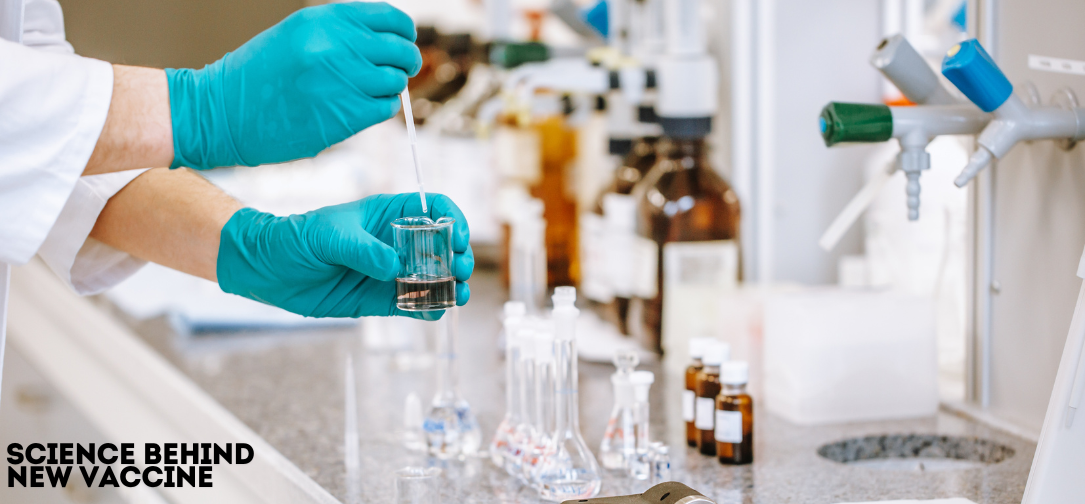
The development of vaccines is a meticulous, scientifically rigorous process that has evolved over centuries, ultimately transforming global public health. Vaccines prevent millions of deaths annually, with recent innovations like mRNA vaccines offering new pathways in disease prevention. However, behind each vaccine lies a sophisticated journey from the laboratory bench to the patient’s arm, one that involves a range of disciplines such as microbiology, immunology, virology, and even genetic engineering.
Understanding Vaccine Development
Vaccines train the body’s immune system to recognize and fight pathogens like bacteria or viruses. This is achieved through the use of antigen molecules that trigger an immune response. These antigens can be derived from inactivated (dead) or attenuated (weakened) versions of the pathogen, fragments of the pathogen, or through newer technologies like mRNA, which instructs the body’s cells to produce a protein associated with the virus, thus triggering an immune response.
Steps in Vaccine Development
1) Exploratory Stage
The first phase of vaccine development begins in the lab, where scientists conduct basic research to identify natural or synthetic substances that can elicit an immune response. In this stage, researchers study the target pathogen and identify antigens that are most likely to stimulate a protective immune response. This stage usually takes several years of experimentation.
2) Preclinical Testing
After promising results are achieved in the exploratory phase, the next step involves preclinical testing. In this phase, the vaccine is tested in cell cultures and animals to evaluate its safety and immune response. Researchers assess whether the vaccine leads to immunity without causing disease. If successful, this phase provides the data necessary to proceed to human testing.
3) Clinical Development (Phases 1-3)
Human trials are essential for evaluating the safety and efficacy of a vaccine. These trials typically happen in three phases:
Phase 1: Small groups (20-100 participants) receive the vaccine to test its safety, determine dosage levels, and observe side effects.
Phase 2: Hundreds of participants are included to assess the vaccine’s safety, side effects, and effectiveness in a more diverse group.
Phase 3: Thousands to tens of thousands of people are enrolled to further test the vaccine’s effectiveness and safety across different populations. During this phase, scientists closely monitor for rare side effects that may not have appeared in earlier trials. This phase can take several years to complete and is crucial in determining if the vaccine provides protection against the disease on a larger scale.
4) Regulatory Approval
Upon successful completion of clinical trials, the data is submitted to regulatory agencies such as the U.S. Food and Drug Administration (FDA) or the European Medicines Agency (EMA). These agencies review all preclinical and clinical trial data, ensuring that the vaccine is both safe and effective. The manufacturer must submit detailed information about the vaccine, including its production process and quality control standards. Only after stringent review and approval can the vaccine be licensed for public use.
5) Manufacturing
Once approved, the vaccine moves to the large-scale production phase. The manufacturing process is closely regulated to ensure that each batch of the vaccine is consistent, safe, and effective. FDA inspectors routinely check the manufacturing facilities, and every lot of the vaccine is tested for quality before it is released for use.
Types of Vaccines
Vaccines can be developed using several methodologies, depending on the pathogen involved and the resources available.
1) Inactivated Vaccines: These contain pathogens that have been killed or inactivated so they cannot cause disease. Examples include vaccines for polio and hepatitis A.
2) Live Attenuated Vaccines: These vaccines use a weakened version of the live pathogen. Since the virus or bacteria is alive, though significantly weakened, it stimulates a strong immune response. However, these vaccines may not be suitable for people with weakened immune systems. Examples include the measles, mumps, and rubella (MMR) vaccine.
3) Subunit, Recombinant, Polysaccharide, and Conjugate Vaccines: These vaccines use specific pieces of the pathogen (like its protein, sugar, or capsid) to create an immune response. They are highly safe, as they do not include the whole microbe, which reduces the risk of side effects. The HPV vaccine is one such example.
4) mRNA Vaccines: This newer technology uses messenger RNA to instruct cells to produce a protein that triggers an immune response. This was notably used in the Pfizer-BioNTech and Moderna COVID-19 vaccines. mRNA vaccines do not use live virus particles and are developed faster than traditional vaccines.
Challenges in Vaccine Development
The vaccine development process is not without challenges, some of which include:
Time and Cost: Traditional vaccine development often takes 10-15 years from discovery to licensure. This timeline can be shortened in emergencies, as seen with the COVID-19 pandemic, when vaccine development accelerated due to overlapping phases of research and production.
Mutating Pathogens: Some viruses, like influenza and HIV, mutate quickly, necessitating new vaccine formulations every year or complicating the development of a vaccine altogether. Flu vaccines are updated annually based on predictions of which strains will dominate the next season.
Global Accessibility: Even after vaccines are developed and approved, ensuring global access remains a challenge, especially in lower-income countries. This requires international cooperation for manufacturing, distribution, and logistical support.
Monitoring Safety Post-Licensure
Vaccine safety does not end with regulatory approval. Continuous monitoring systems such as the Vaccine Adverse Event Reporting System (VAERS) and the Vaccine Safety Datalink (VSD) are used to track any adverse events after the vaccine has been administered to the public. These systems are crucial in identifying any rare side effects that may not have been detected in clinical trials. In the U.S., the Centers for Disease Control and Prevention (CDC) and the FDA closely collaborate on vaccine safety, ensuring that any signals indicating potential safety concerns are investigated immediately.
The Future of Vaccines
The future of vaccine development is promising, with advances in genetic engineering, nanotechnology, and artificial intelligence enabling faster and more targeted vaccine design. Researchers are exploring innovative ways to create vaccines for complex diseases like HIV, malaria, and certain cancers. Moreover, the success of mRNA technology in COVID-19 vaccines has sparked interest in applying this technology to other diseases.
As the world continues to face emerging pathogens and global health challenges, the science of vaccines remains one of the most effective tools for preventing disease and saving lives. However, the ongoing research and development process underscores the importance of continued investment in science, international cooperation, and public trust in the vaccine process.
Conclusion
Vaccine development is a multi-step, highly regulated process aimed at ensuring safety, efficacy, and consistency. From initial discovery through clinical trials and regulatory approval, every step is designed to balance speed with safety, a delicate balance most visible during the rapid development of COVID-19 vaccines. As science continues to evolve, future vaccines will likely be even more effective, safer, and faster to produce, offering hope in the fight against both known and emerging diseases.



















Prosecutors Say Jason Finkelstein Spent 11 Seconds Reviewing Cardiac Images Before Clearing a Teenage Athlete

Prosecutors Say Jason Finkelstein Spent 11 Seconds Reviewing Cardiac Images Before Clearing a Teenage Athlete
Prosecutors Say Jason Finkelstein Spent 11 Seconds Reviewing Cardiac Images Before Clearing a Teenage Athlete
Prosecutors Say Jason Finkelstein Spent 11 Seconds Reviewing Cardiac Images Before Clearing a Teenage Athlete

Prosecutors Say Jason Finkelstein Spent 11 Seconds Reviewing Cardiac Images Before Clearing a Teenage Athlete
Prosecutors Say Jason Finkelstein Spent 11 Seconds Reviewing Cardiac Images Before Clearing a Teenage Athlete

Prosecutors Say Jason Finkelstein Spent 11 Seconds Reviewing Cardiac Images Before Clearing a Teenage Athlete
Prosecutors Say Jason Finkelstein Spent 11 Seconds Reviewing Cardiac Images Before Clearing a Teenage Athlete
Prosecutors Say Jason Finkelstein Spent 11 Seconds Reviewing Cardiac Images Before Clearing a Teenage Athlete

Prosecutors Say Jason Finkelstein Spent 11 Seconds Reviewing Cardiac Images Before Clearing a Teenage Athlete
Prosecutors Say Jason Finkelstein Spent 11 Seconds Reviewing Cardiac Images Before Clearing a Teenage Athlete
Prosecutors Say Jason Finkelstein Spent 11 Seconds Reviewing Cardiac Images Before Clearing a Teenage Athlete
Prosecutors Say Jason Finkelstein Spent 11 Seconds Reviewing Cardiac Images Before Clearing a Teenage Athlete

Prosecutors Say Jason Finkelstein Spent 11 Seconds Reviewing Cardiac Images Before Clearing a Teenage Athlete
Prosecutors Say Jason Finkelstein Spent 11 Seconds Reviewing Cardiac Images Before Clearing a Teenage Athlete

-
Alternative Energy5 days ago
Brian Rowan’s Possible Defense: No Intent, No Control, No Fraud, Just Sales
-
Alternative Energy5 days ago
Federal Grand Jury Indicts Oren Shachar in Hospice Fraud Case
-
Business4 days ago
How Darrell Seale Builds High-Performing Teams Through Service-Based Leadership
-
Education4 days ago
Daniel Cullen Delafield on Bridging Executive Leadership and Skilled Trades Development
-

 News2 days ago
Prosecutors Say Jason Finkelstein Spent 11 Seconds Reviewing Cardiac Images Before Clearing a Teenage Athlete
-
News2 days ago
Prosecutors Say Jason Finkelstein Spent 11 Seconds Reviewing Cardiac Images Before Clearing a Teenage Athlete
-
News2 days ago
Prosecutors Say Jason Finkelstein Spent 11 Seconds Reviewing Cardiac Images Before Clearing a Teenage Athlete
-
News2 days ago
Prosecutors Say Jason Finkelstein Spent 11 Seconds Reviewing Cardiac Images Before Clearing a Teenage Athlete