
Healthcare
The Best Telemedicine Apps for Chronic Conditions: A Comprehensive 2025 Guide


In a world where smartphones double as health monitors and medical consultations happen over video, telemedicine is no longer futuristic; it’s the present. Yet as digital health surges, one critical question remains: Which telemedicine apps truly help people manage chronic conditions effectively?
Surprising statistic: According to a 2024 McKinsey report, over 60% of chronic care patients now use some form of telehealth but fewer than 35% say their platform provides continuous care beyond appointments.
That gap is exactly what this guide explores. Unlike generic lists, this article focuses on telemedicine apps built for long-term conditions from diabetes and hypertension to arthritis and COPD, where ongoing monitoring, medication management, and specialist access matter most.
Whether you’re a tech-savvy patient, a healthcare professional, or a policy enthusiast, this comparison will help you identify which apps deliver real chronic care value, not just convenience.
What Makes a Telemedicine App Good for Chronic Conditions?
Chronic illness management is more than one-off doctor visits it’s continuous, coordinated, and data-driven.
Here’s what defines the best apps in 2025:
- Integrated Care Plans: Ability to track symptoms, prescriptions, and progress over time.
- Specialist Access: Direct communication with specialists in relevant fields (e.g., endocrinology, cardiology).
- Remote Patient Monitoring (RPM): Integration with wearable devices or home medical equipment.
- Medication Management: Automatic refill reminders and e-prescriptions.
- Interoperability: Syncs data with hospitals or personal health records.
- Privacy & Security: HIPAA/GDPR compliance and encrypted communication.
The Top Telemedicine Apps for Chronic Condition Management in 2025
1. Teladoc Health: The All-Rounder for Ongoing Care
Teladoc remains a powerhouse in telehealth and for good reason. Beyond basic consultations, it offers long-term chronic care programs tailored for conditions like diabetes, hypertension, and mental health.
Key Features:
- Continuous monitoring for diabetes and weight management
- 24/7 access to physicians, dietitians, and therapists
- Integration with Fitbit and Apple Health
- Customizable health goals and digital coaching
Why it stands out:
Teladoc’s “Chronic Condition Suite” syncs daily metrics (blood sugar, pressure, activity) directly into your care plan offering a seamless experience between patient and provider.
2. Amwell: Best for Specialist Consultations
Amwell connects patients with a wide range of medical specialists — crucial for complex, multi-system conditions.
Key Features:
- Access to over 350+ licensed specialists
- Long-term care pathways for asthma, COPD, and diabetes
- Prescription renewals and lab test coordination
- Insurance integration with major U.S. plans
Why it stands out:
For chronic care patients juggling multiple doctors, Amwell’s interface allows you to manage everything in one place from cardiology follow-ups to lab results.
3. MyChart: Best for Patients Already in a Healthcare Network
Developed by Epic Systems, MyChart bridges the gap between in-person and virtual care. Many hospital systems worldwide use it for patient records and communication.
Key Features:
- Secure messaging with providers
- Lab results and medical history in one dashboard
- Appointment and medication reminders
- Integrated telehealth visits
Why it stands out:
For anyone already seeing a hospital-affiliated doctor, MyChart centralizes everything eliminating data silos and ensuring your care remains continuous.
4. OneTouch Reveal: Ideal for Diabetes Management
For millions managing diabetes, data tracking and feedback are everything. OneTouch Reveal, developed by LifeScan, focuses exclusively on blood glucose and long-term pattern analysis.
Key Features:
- Bluetooth integration with OneTouch meters
- Graphical trends and personalized insights
- Shareable reports for endocrinologist review
- Integrates with Apple Health and Google Fit
Why it stands out:
It’s simple, visual, and data-rich — ideal for patients needing daily glucose oversight without app clutter.
5. Doxy.me: Best for Privacy-First, No-Fuss Consultations
When security is non-negotiable, Doxy.me shines. It’s used by clinics and independent providers worldwide for its HIPAA-compliant, browser-based consultations.
Key Features:
- No app downloads required
- Encrypted video sessions
- Virtual waiting room for patient flow
- Works on desktop or mobile
Why it stands out:
Perfect for professionals managing long-term patients in smaller clinics or private practices. Patients love it for its simplicity and privacy.
The Rise of AI-Driven Chronic Care
2025 marks a turning point: AI and predictive analytics are reshaping how chronic conditions are managed.
Newer telemedicine platforms now include:
- Predictive Alerts: AI detects early warning signs from wearables (e.g., arrhythmias, glucose spikes).
- Chatbots for Adherence: AI assistants remind patients to take meds or log data.
- Personalized Insights: Algorithms adapt care plans to lifestyle and biometrics.
For example, NexulonAI Health, an emerging platform, uses machine learning to optimize chronic care plans analyzing patterns from multiple devices to predict health events before they happen.
Comparing the Platforms: Quick Snapshot
| App | Best For | Chronic Care Features | Device Integration | Privacy Rating |
| Teladoc | All-round chronic management | Continuous monitoring, 24/7 care | Fitbit, Apple Health | ⭐⭐⭐⭐ |
| Amwell | Specialist care & coordination | Multi-specialty access, refills | Most wearables | ⭐⭐⭐⭐ |
| MyChart | Hospital-linked patients | Unified medical records | System-based | ⭐⭐⭐⭐⭐ |
| OneTouch Reveal | Diabetes tracking | Glucose data visualization | OneTouch, Apple Health | ⭐⭐⭐⭐ |
| Doxy.me | Simplicity & security | Secure consults, HIPAA | Universal access | ⭐⭐⭐⭐⭐ |
Policy and Access: The Global Landscape
Access to telemedicine for chronic care is still uneven.
- In Europe, GDPR has tightened patient data use, driving secure innovation.
- In Africa and South Asia, low-bandwidth solutions are rising (e.g., WhatsApp-integrated telehealth).
- In the U.S., 2025 legislation may expand insurance reimbursements for continuous remote monitoring.
Insight: The global telehealth market for chronic disease management is projected to surpass $160 billion by 2030 (Allied Market Research, 2024)
Expert Insight: What to Look for When Choosing a Telemedicine App
Before committing to a platform, evaluate your needs:
- Do you need regular specialist input or primarily monitoring?
- Is your data automatically shared with your primary care team?
- Does the app support your device or wearables?
- Is it compliant with your region’s privacy regulations?
Dr. Amina Patel, a public health technologist, advises:
“The best telemedicine app isn’t necessarily the most popular — it’s the one that fits your lifestyle and integrates smoothly into your care routine.”
Choosing the Right App for You
Telemedicine has evolved from convenience to necessity, especially for those managing chronic illnesses. The ideal app should balance accessibility, data integration, specialist support, and privacy — empowering you to stay connected to care every day.
If you’re managing a long-term condition:
- Start by listing your daily health needs.
- Compare features like refill automation, monitoring tools, and specialist access.
- Try one platform for at least a month to see if it fits your workflow.
Takeaway: The future of chronic care isn’t just online — it’s personal, predictive, and patient-driven. Choose the app that keeps you in control of your health journey.



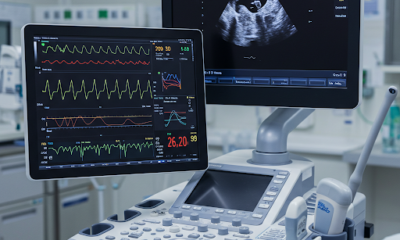


Prosecutors Say Jason Finkelstein Spent 11 Seconds Reviewing Cardiac Images Before Clearing a Teenage Athlete

Prosecutors Say Jason Finkelstein Spent 11 Seconds Reviewing Cardiac Images Before Clearing a Teenage Athlete
Prosecutors Say Jason Finkelstein Spent 11 Seconds Reviewing Cardiac Images Before Clearing a Teenage Athlete
Prosecutors Say Jason Finkelstein Spent 11 Seconds Reviewing Cardiac Images Before Clearing a Teenage Athlete

Prosecutors Say Jason Finkelstein Spent 11 Seconds Reviewing Cardiac Images Before Clearing a Teenage Athlete
Prosecutors Say Jason Finkelstein Spent 11 Seconds Reviewing Cardiac Images Before Clearing a Teenage Athlete

Prosecutors Say Jason Finkelstein Spent 11 Seconds Reviewing Cardiac Images Before Clearing a Teenage Athlete
Prosecutors Say Jason Finkelstein Spent 11 Seconds Reviewing Cardiac Images Before Clearing a Teenage Athlete
Prosecutors Say Jason Finkelstein Spent 11 Seconds Reviewing Cardiac Images Before Clearing a Teenage Athlete

Prosecutors Say Jason Finkelstein Spent 11 Seconds Reviewing Cardiac Images Before Clearing a Teenage Athlete
Prosecutors Say Jason Finkelstein Spent 11 Seconds Reviewing Cardiac Images Before Clearing a Teenage Athlete
Prosecutors Say Jason Finkelstein Spent 11 Seconds Reviewing Cardiac Images Before Clearing a Teenage Athlete
Prosecutors Say Jason Finkelstein Spent 11 Seconds Reviewing Cardiac Images Before Clearing a Teenage Athlete

Prosecutors Say Jason Finkelstein Spent 11 Seconds Reviewing Cardiac Images Before Clearing a Teenage Athlete
Prosecutors Say Jason Finkelstein Spent 11 Seconds Reviewing Cardiac Images Before Clearing a Teenage Athlete

-
Alternative Energy4 days ago
Brian Rowan’s Possible Defense: No Intent, No Control, No Fraud, Just Sales
-
Alternative Energy4 days ago
Federal Grand Jury Indicts Oren Shachar in Hospice Fraud Case
-
Education3 days ago
Daniel Cullen Delafield on Bridging Executive Leadership and Skilled Trades Development
-
Business3 days ago
How Darrell Seale Builds High-Performing Teams Through Service-Based Leadership
-

 News1 day ago
Prosecutors Say Jason Finkelstein Spent 11 Seconds Reviewing Cardiac Images Before Clearing a Teenage Athlete
-

 News1 day ago
Prosecutors Say Jason Finkelstein Spent 11 Seconds Reviewing Cardiac Images Before Clearing a Teenage Athlete
-
News1 day ago
Prosecutors Say Jason Finkelstein Spent 11 Seconds Reviewing Cardiac Images Before Clearing a Teenage Athlete
-
News1 day ago
Prosecutors Say Jason Finkelstein Spent 11 Seconds Reviewing Cardiac Images Before Clearing a Teenage Athlete