
Tech News
Stay Updated: The Latest News About Mobile Apps in 2026


So, you want to know what’s new with mobile apps in 2026? It feels like just yesterday we were talking about the latest thing, and now there’s already a whole new set of trends. Things are moving pretty fast, and honestly, it can be a lot to keep up with. But don’t worry, I’ve been looking into the latest news about mobile apps, and it seems like the focus is really shifting towards apps that are smarter, more connected, and frankly, more personal. Let’s break down what’s actually happening and what it means for all of us.
Key Takeaways
- Apps in 2026 are getting seriously smart, with AI happening right on your phone. This means they can figure out what you need before you even ask, making everything feel way faster and more personal. Think fitness apps suggesting a stretch when you’re tired or finance apps giving tips based on your spending.
- Get ready for more immersive stuff! Augmented and Virtual Reality (AR/VR) are moving beyond games and into everyday apps for shopping, training, and even just getting around. Plus, with 5G being more reliable, apps can do real-time things without any annoying delays.
- The way apps are built is changing too. We’re seeing a rise in ‘super apps’ that do a bit of everything, and also tiny, focused ‘micro-apps’ for specific tasks. Plus, apps are being designed to work even when you don’t have a signal, which is a big deal.
- Your privacy is a bigger deal now. Apps are facing more rules about how they handle your data, so expect more transparency about how AI makes decisions and a trend towards keeping data local to your device or region.
- Building apps is getting more efficient. New tools and ways of working, like sharing code across different platforms (think Kotlin Multiplatform) and using pre-made templates, mean developers can create and update apps faster and more consistently.
The Rise Of Intelligent And Personalized Mobile Applications
It feels like every year, we hear about how mobile apps are getting smarter, and 2026 is no different. But this year, it’s not just hype. We’re seeing a real shift towards apps that don’t just respond to what you do, but actually seem to anticipate it. Think about your wellness app suggesting a stretch before you even feel tired, or your finance app gently nudging you about how that morning coffee fits into your bigger savings goals. These aren’t just tools anymore; they’re becoming like personal assistants that learn and adapt to your life.
On-Device AI: Transforming User Experiences
Remember when AI felt like something that lived way out in the cloud? Well, that’s changing fast. A lot of the smarts are now moving right onto your phone. This means apps can process information locally, making them quicker and, importantly, more private. Your data doesn’t have to travel far to get analyzed. This on-device intelligence is a big deal because it lets apps understand your habits and preferences without needing to send sensitive details elsewhere. It’s like having a personal helper who knows you well, right in your pocket. This shift means developers are moving away from one-size-fits-all apps towards experiences that feel genuinely tailored to each person. This local processing also cuts down on delays, making everything feel snappier, which is a huge plus for apps you rely on daily, like banking or gaming.
AI’s Role In Predictive Finance And E-Commerce
In the world of money and shopping apps, AI is becoming incredibly good at predicting what you might need or want next. For finance apps, this could mean spotting unusual spending patterns or suggesting ways to save based on your typical habits. It’s like having a financial advisor who’s always available. In e-commerce, AI is getting really good at showing you products you’ll likely be interested in, not just based on what you’ve looked at, but on broader trends and your specific behavior. This makes shopping feel less like a chore and more like a curated experience. It’s all about making things convenient and relevant for you, the user.
Enhancing Wellness And Fitness Through AI
Our health and fitness apps are getting a serious upgrade thanks to AI. Imagine an app that notices you’ve been less active than usual and suggests a short walk, or one that adjusts your workout plan based on how well you slept. These apps are starting to understand our bodies and routines on a deeper level. They can analyze data from your wearables and your app usage to offer personalized advice. This isn’t just about tracking steps anymore; it’s about proactive health management. The goal is to help you stay on track with your wellness goals by providing timely, smart suggestions that fit into your day. It’s a step towards apps that genuinely support your well-being.
Immersive Experiences And Real-Time Connectivity
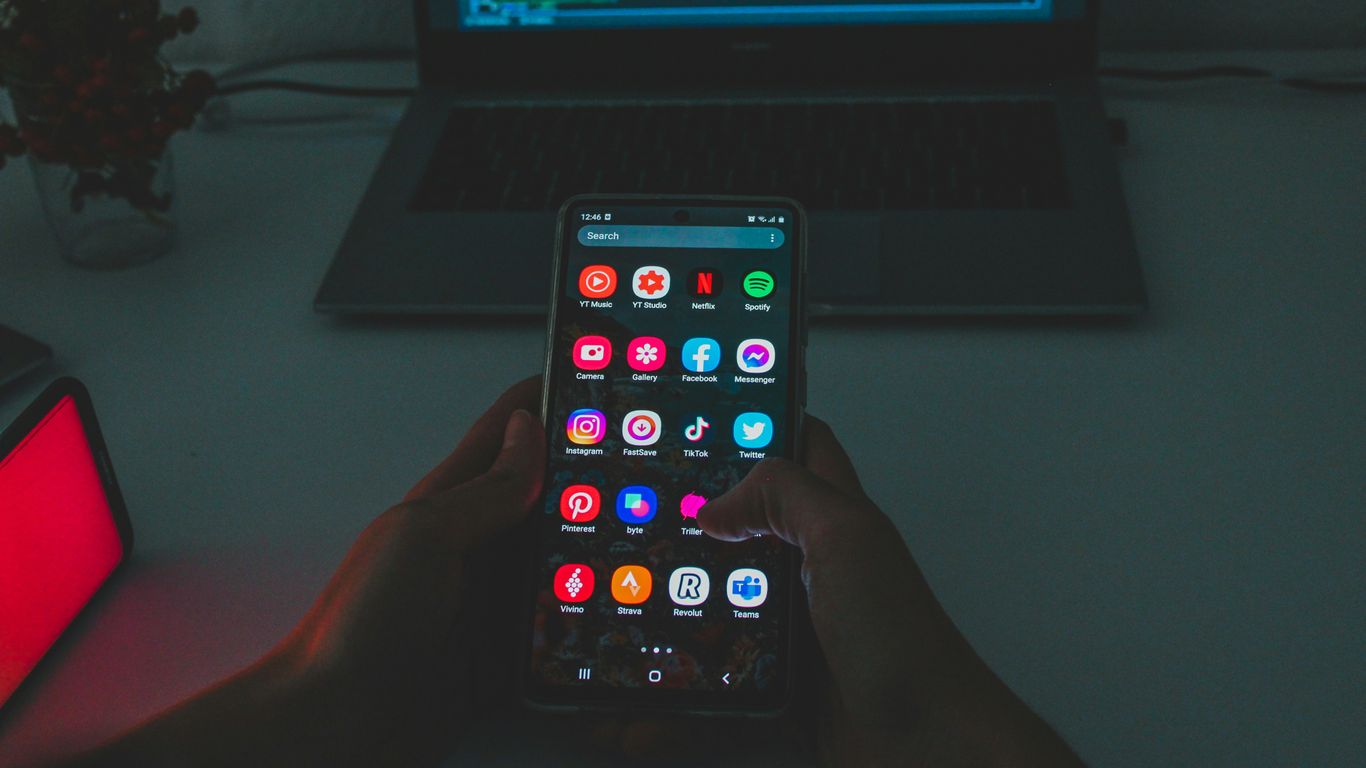
Remember when apps felt a bit… static? Those days are fading fast. We’re now living in an era where mobile apps can pull us into new worlds and connect us instantly, no matter where we are. It’s all about making things feel more real and immediate.
Augmented And Virtual Reality Mainstream Adoption
Augmented Reality (AR) and Virtual Reality (VR) aren’t just for games anymore. By 2026, they’re becoming a regular part of many apps. Think about shopping: instead of just looking at a picture of a couch, you can use your phone to see how it would actually look in your living room. Or imagine trying on clothes virtually before you buy them. VR is also stepping up, offering more engaging ways to learn or attend events from your couch. It’s not just a cool trick; it’s about making apps more useful and interactive. Companies are finding that adding these features can really get people to stick around and even buy more.
5G’s Impact On Instantaneous App Interactions
This is where the speed comes in. With 5G networks becoming more common, apps can do things much faster than before. We’re talking about near-instant responses. This means apps can send and receive big chunks of data without making you wait. For developers, this opens up possibilities for smoother multiplayer games, live video streams with no buffering, and group work apps where everyone sees updates right away. If an app feels slow now, it’s probably because it’s not built for this new speed. Planning for 5G means your app will keep up with what users expect – and that’s pretty much instant.
AR/VR For Enhanced Retail And Training
Retail and training are seeing some of the biggest changes thanks to AR and VR. In stores, AR can help you find products or give you extra info when you point your phone at something. For training, imagine learning to fix complex machinery by practicing in a virtual environment first, or medical students practicing surgery without any real-world risk. These tools make learning more hands-on and memorable. It’s a big step up from just reading a manual or watching a video. The result? Better trained employees and customers who feel more confident about their purchases.
Evolving App Architectures And Development Practices
Apps aren’t just getting smarter; they’re changing how they’re built from the ground up. We’re seeing a big shift away from the old ways of doing things, with developers focusing on more flexible and efficient methods. It’s all about making apps that are easier to update, more reliable, and can handle a lot more without breaking a sweat.
The Growth Of Super Apps And All-In-One Ecosystems
Remember juggling a dozen different apps for banking, shopping, and messaging? That’s becoming a thing of the past. People are really starting to prefer having everything in one place. Think of it like a digital Swiss Army knife – one app that does a bit of everything. This trend is pushing companies to build these "super apps," which are basically platforms that bundle many different services. It’s not just about convenience for users; it’s also a huge opportunity for startups to create specialized super apps for specific communities or industries, like a dedicated health and wellness hub or a local commerce platform. These apps aim to become your daily digital companion.
Modular And Vertical Micro-Apps For Niche Markets
On the flip side of super apps, we’re also seeing a rise in super-focused apps. These are often called micro-apps or modular apps. Instead of trying to be everything to everyone, they do one thing really, really well. Users can often pick and choose which features they want to add, kind of like building with LEGOs. This approach is great for startups because they can build a core product and then let it grow with the user’s needs. It means users get more control over the technology they use, and developers can create highly specialized tools for very specific jobs.
Offline-First And Edge Computing For Reliability
We’ve all been there: you’re trying to use an app, and suddenly your internet connection drops. Suddenly, the app is useless, right? Well, that’s changing. New app designs are focusing on being "offline-first." This means they can work perfectly fine even without a constant internet connection. They do a lot of the processing right on your device (that’s the "edge computing" part) instead of relying on a distant server. This makes apps faster and way more reliable, especially in places with spotty Wi-Fi or cellular service. When you do get back online, these apps can sync up any changes you made, so you don’t lose anything. It’s a big deal for apps where speed and dependability are super important, like in healthcare or critical business operations.
Prioritizing Privacy And Data Sovereignty
It feels like every other week there’s a new headline about data breaches or how our personal information is being used. It’s no wonder people are getting more concerned about their digital footprint. For app developers in 2026, this means privacy isn’t just a nice-to-have; it’s a must-have. Users want to know their data is safe and that they have control over it. This shift is changing how apps are built from the ground up.
AI Transparency And Explainable Decision-Making
We’re seeing a big push for apps to be more open about how they work, especially when AI is involved. Think about it: if an app denies you a loan or suggests a specific investment, you should probably know why, right? Apps are starting to show their work, so to speak. This means developers need to build systems where the AI’s reasoning can be understood, not just by other tech folks, but by regular users too. It’s about building trust. If an app can explain its decisions, people are more likely to stick with it.
Data Localization Trends In App Development
Governments around the world are putting rules in place about where user data can be stored and processed. Laws like GDPR in Europe or similar ones in India and Brazil mean that data often needs to stay within a country’s borders. This is a big deal for app developers. They have to figure out how to build apps that can store and process data locally, which can get complicated. It means thinking about server locations and how data moves around, all while keeping things running smoothly for the user.
Privacy-First Design Principles
This is where developers are really rethinking their approach. Instead of adding privacy features as an afterthought, they’re building them in from the very start. This might mean processing data directly on your phone instead of sending it all to a server. It’s like keeping your personal diary at home instead of mailing it to a company. This "privacy-first" mindset helps apps stay secure, makes it easier to follow all those data rules, and, most importantly, builds the kind of trust that keeps people coming back.
Cross-Platform Frameworks And Development Efficiency
Building apps these days feels like it’s getting more complicated, right? You want your app on both iOS and Android, and maybe even the web, without having to hire two separate teams or spend ages writing the same code over and over. That’s where cross-platform frameworks really shine. They’re not just about saving time and money, though that’s a big part of it. It’s about making development smoother and letting your team focus on what makes your app special, instead of getting bogged down in repetitive tasks.
Leveraging Kotlin Multiplatform For Shared Logic
Think about all the core stuff your app does – user authentication, data handling, network requests. A lot of that logic is the same, no matter if it’s running on an iPhone or an Android phone. Kotlin Multiplatform (KMP) lets you write that logic once in Kotlin and then use it across both platforms. This means fewer bugs because you’re not duplicating code, and updates are way simpler. If you need to change how something works, you change it in one place, and it’s fixed everywhere. It’s a smart way to build apps that need to be robust and maintainable.
Compose Multiplatform For UI Consistency
Now, KMP handles the brains, but what about how the app looks and feels? That’s where Compose Multiplatform (CMP) comes in. It’s built on top of KMP and lets you share your user interface code too. So, your buttons, screens, and overall design will look and behave the same on iOS as they do on Android. This is huge for brand consistency and making sure users have a familiar experience, no matter their device. It cuts down on design and development time significantly, letting you create a polished look across the board.
Utilizing Ready-Made Templates For Faster Development
Starting a new app project can feel like you’re building the same foundation every single time – setting up the project structure, configuring libraries, basic navigation. It’s a lot of boilerplate. In 2026, more development teams are turning to ready-made mobile app templates. These aren’t just basic skeletons; they’re often built by experienced engineers and come with common features and best practices already baked in. Using a good template means you can skip all that initial setup and jump straight into building your app’s unique features. It’s like getting a head start on a race, letting you launch faster and with more confidence, knowing you’ve got a solid base to build upon.
The Future Of Mobile App News And Innovation

So, what’s next for mobile apps? It feels like things are moving at warp speed, right? We’re not just talking about new features anymore; apps are starting to feel more like partners in our daily lives. They’re getting smarter, anticipating what we might need before we even realize it ourselves. Think about your wellness app suggesting a stretch because it notices you’re tired, or your finance app giving you a heads-up about how that impulse buy might affect your long-term goals. It’s all about apps adapting to us, not the other way around.
Anticipating User Needs In App Design
This shift towards proactive apps means designers and developers have to think differently. It’s not just about building something functional; it’s about creating an experience that feels intuitive and personal. The goal is to make apps feel less like tools and more like helpful companions. This requires a deep look into user behavior, context, and even mood. We’re seeing AI move from the cloud directly onto our devices, making these predictions faster and more private. It’s a big change from how apps used to work, where everyone got the same experience. Now, it’s about tailoring things to each individual.
Key Technologies Driving App Evolution
Several technologies are really pushing the boundaries here. On-device AI is a huge one, allowing apps to process information locally, which is great for privacy and speed. Then there’s the continued growth of augmented and virtual reality, making apps more immersive. We’re also seeing a big push for apps that work even when you’re offline, thanks to edge computing. This means your app won’t just stop working because you lost signal. It’s about building reliable experiences no matter the connection. For businesses looking to get their app noticed, understanding local search trends is becoming increasingly important, with services focusing on Voice SEO and integrated strategies.
Opportunities For Founders In Mobile App Development
For anyone thinking about starting their own app, now is a pretty exciting time. The demand for new and innovative apps is still really high. We’re seeing a rise in "super apps" that combine many services, but there’s also plenty of room for niche "micro-apps" that do one thing really well. Think about creating an app focused on a specific local community or a particular hobby. The key is to build something that users genuinely find useful and that adapts to their changing needs. With all these advancements, building an app that stands out is definitely achievable.
Wrapping It Up: What’s Next for Apps?
So, looking back at 2026, it’s pretty clear that mobile apps aren’t just tools anymore. They’re getting smarter, faster, and way more personal, thanks to things like AI that actually runs on your phone and better internet speeds. We’re seeing apps that feel like they know what you need before you do, and that’s a big shift. Whether you’re building an app or just using them, keeping an eye on these changes is key. The future is all about apps that adapt to us, making our digital lives a bit easier and more connected. It’s an exciting time to see what developers come up with next.




Prosecutors Say Jason Finkelstein Spent 11 Seconds Reviewing Cardiac Images Before Clearing a Teenage Athlete

Prosecutors Say Jason Finkelstein Spent 11 Seconds Reviewing Cardiac Images Before Clearing a Teenage Athlete
Prosecutors Say Jason Finkelstein Spent 11 Seconds Reviewing Cardiac Images Before Clearing a Teenage Athlete
Prosecutors Say Jason Finkelstein Spent 11 Seconds Reviewing Cardiac Images Before Clearing a Teenage Athlete

Prosecutors Say Jason Finkelstein Spent 11 Seconds Reviewing Cardiac Images Before Clearing a Teenage Athlete
Prosecutors Say Jason Finkelstein Spent 11 Seconds Reviewing Cardiac Images Before Clearing a Teenage Athlete

Prosecutors Say Jason Finkelstein Spent 11 Seconds Reviewing Cardiac Images Before Clearing a Teenage Athlete
Prosecutors Say Jason Finkelstein Spent 11 Seconds Reviewing Cardiac Images Before Clearing a Teenage Athlete
Prosecutors Say Jason Finkelstein Spent 11 Seconds Reviewing Cardiac Images Before Clearing a Teenage Athlete

Prosecutors Say Jason Finkelstein Spent 11 Seconds Reviewing Cardiac Images Before Clearing a Teenage Athlete
Prosecutors Say Jason Finkelstein Spent 11 Seconds Reviewing Cardiac Images Before Clearing a Teenage Athlete
Prosecutors Say Jason Finkelstein Spent 11 Seconds Reviewing Cardiac Images Before Clearing a Teenage Athlete
Prosecutors Say Jason Finkelstein Spent 11 Seconds Reviewing Cardiac Images Before Clearing a Teenage Athlete

Prosecutors Say Jason Finkelstein Spent 11 Seconds Reviewing Cardiac Images Before Clearing a Teenage Athlete
Prosecutors Say Jason Finkelstein Spent 11 Seconds Reviewing Cardiac Images Before Clearing a Teenage Athlete

-
Alternative Energy5 days ago
Brian Rowan’s Possible Defense: No Intent, No Control, No Fraud, Just Sales
-
Alternative Energy5 days ago
Federal Grand Jury Indicts Oren Shachar in Hospice Fraud Case
-
Business4 days ago
How Darrell Seale Builds High-Performing Teams Through Service-Based Leadership
-
Education4 days ago
Daniel Cullen Delafield on Bridging Executive Leadership and Skilled Trades Development
-

 News2 days ago
Prosecutors Say Jason Finkelstein Spent 11 Seconds Reviewing Cardiac Images Before Clearing a Teenage Athlete
-
News2 days ago
Prosecutors Say Jason Finkelstein Spent 11 Seconds Reviewing Cardiac Images Before Clearing a Teenage Athlete
-
News2 days ago
Prosecutors Say Jason Finkelstein Spent 11 Seconds Reviewing Cardiac Images Before Clearing a Teenage Athlete
-
News2 days ago
Prosecutors Say Jason Finkelstein Spent 11 Seconds Reviewing Cardiac Images Before Clearing a Teenage Athlete