
Business
Remembering the Devastating 2009 Atlanta Flood: A Look Back


Atlanta has been through a lot of big floods over the years, and each one leaves a mark. This article is going to look back at some of the really dramatic ones that tested the city, especially the huge 2009 Atlanta flood. We’ll also touch on Tropical Storm Alberto back in 1994, and even some older river floods. Come with us as we remember how Atlanta dealt with these natural disasters and bounced back.
Key Takeaways
- Atlanta has a history of major floods, like the 2009 event and Tropical Storm Alberto, which showed how important it is to be ready for floods and manage them well.
- Flooding in Atlanta can cost a lot. The September 2009 floods alone caused about $500 million in damage to over 20,000 homes and businesses, proving we need strong buildings and roads.
- When disaster hits, Restoration Complete LLC is a big help in Atlanta. They offer lots of restoration services and work with insurance companies to help people after floods.
- The 2009 Atlanta flood was a really bad one, with tons of rain causing widespread damage and leading to federal disaster declarations in many areas.
- Floods can mess up city services, like sewage treatment plants, and cause major road closures, making it hard for people to get around and for emergency crews to do their job.
Atlanta’s Most Notable Floods
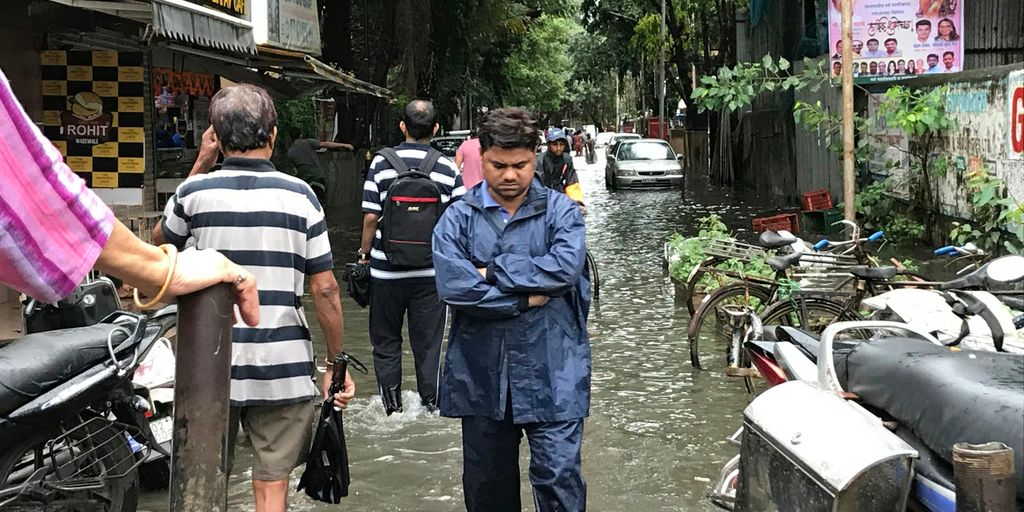
Atlanta has a history with floods, some more memorable than others. It’s a story of a city constantly learning and adapting. From overflowing rivers to intense storms, the city has faced its share of watery challenges. Let’s take a look at some of the most significant events.
Chattahoochee River Overflow
The Chattahoochee River is a defining feature of Atlanta, but it’s also been a source of trouble. The river has a history of overflowing its banks, causing significant damage to surrounding areas. It’s not just a recent problem; these overflows have occurred throughout Atlanta’s history. The river’s behavior is closely monitored, but sometimes, nature has other plans. It’s a constant balancing act between enjoying the river and preparing for its potential to flood.
Tropical Storm Alberto’s Impact
Tropical Storm Alberto in 1994 brought a lot of rain and caused widespread flooding in Atlanta. It wasn’t just a quick downpour; it was days of relentless rain that overwhelmed the city’s drainage systems. The storm caused damage to homes, businesses, and infrastructure. It was a wake-up call for the city, highlighting the need for better flood management. The storm’s impact was felt for a long time after the waters receded.
September 2009 Floods
The September 2009 floods were a truly catastrophic event for Atlanta. It wasn’t just a typical flood; it was an unprecedented amount of rainfall that caused widespread devastation. Creeks and rivers overflowed, roads were closed, and homes were flooded. The 2009 floods are etched in the memory of many Atlantans. It was a turning point, leading to significant changes in how the city approaches flood preparedness.
The Cost of Flooding
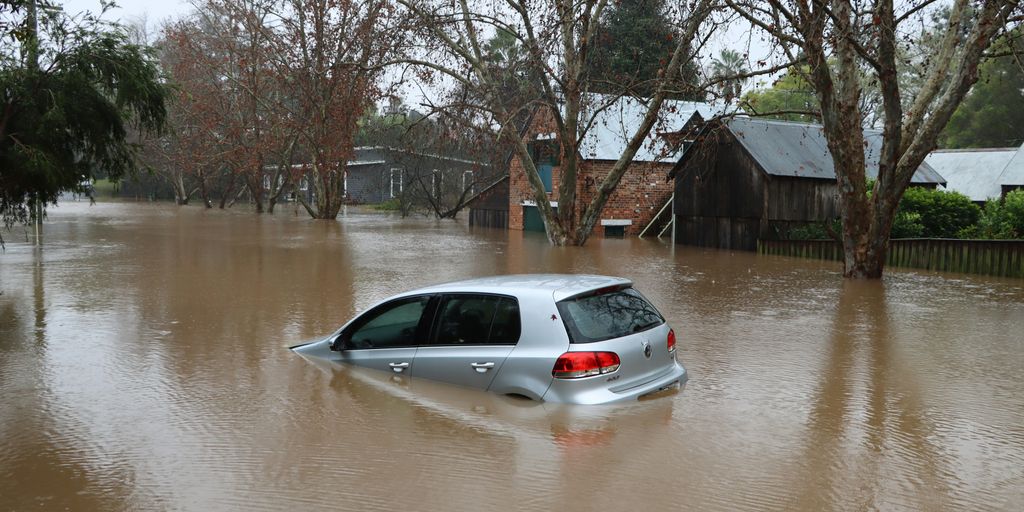
Flooding is expensive. Really expensive. The 2009 Atlanta floods? They left a mark, not just on the landscape, but on wallets too. Initial estimates put the damage around $250 million, but that number ballooned to about $500 million. Think about that for a second. Half a billion dollars. And it wasn’t just some abstract number; it hit over 20,000 homes and businesses directly. FEMA says that just one inch of water can cause $25,000 in damage in Georgia. That’s a scary thought. After the flood, over 16,000 people asked for federal aid. That shows you the scale of the recovery needed.
It’s easy to think about the immediate damage, but the costs go way beyond that. We’re talking about infrastructure, the economy, and the overall well-being of the community. It all adds up. Let’s take a closer look at the financial burden that flooding put on Atlanta’s homes, businesses, and infrastructure.
Residential and Commercial Losses
Homes took a beating during the 2009 floods. A crazy number – 16,981 homes – were affected. People were dealing with structural damage, mold, the whole nine yards. Repair costs? Often more than $50,000. Imagine having to deal with that. It’s not just about the money; it’s the emotional toll too. Dealing with the aftermath of a flood is a nightmare for homeowners.
Businesses didn’t get off easy either. Commercial properties, even places like Airbnb rentals, suffered. That means lost income for owners. And those losses ripple out, affecting the whole community and the economy. It’s not just about individual property owners; it’s about the bigger picture.
Infrastructure Damage
Think of a city’s infrastructure as its backbone. When floods hit, that backbone can get seriously messed up. The Atlanta flooding caused major closures on interstates like I-20, I-75, and I-85. Plus, tons of road blockages in Cherokee County, especially around Interstate 575. That kind of disruption has a huge impact. Emergency services get delayed, and people’s daily commutes turn into a mess. The Atlanta Historic Flood Events really showed how vulnerable the city was.
Economic Implications
Flooding has a ripple effect on the economy. Think about it: businesses close, people can’t get to work, and tourism takes a hit. The 2009 floods were no exception. The cost of repairs and rebuilding puts a strain on local resources. Plus, there’s the long-term impact on property values. No one wants to buy a house in an area that’s prone to flooding. It’s a tough situation all around.
Here’s a quick look at some of the economic impacts:
- Decreased property values in flood-prone areas
- Loss of business revenue due to closures
- Increased costs for emergency services
- Strain on local resources for repairs and rebuilding
- Reduced tourism and visitor spending
The 2009 Atlanta Flood: A Catastrophic Event
Unprecedented Rainfall Levels
Okay, so the 2009 Atlanta flood? It wasn’t just a regular rainstorm. We’re talking about rainfall amounts that straight-up shattered records. The Chattahoochee River? It went way beyond its banks, hitting levels that hadn’t been seen ever. Some areas got over 20 inches of rain in just a few days. Creeks like Peachtree Creek and Nancy Creek also went nuts, adding to the mess. It was a real 500-year flood event, which is just… insane.
Widespread Devastation
The impact was HUGE. It wasn’t just a little bit of water here and there; it was total devastation. Homes, businesses, roads – everything was underwater. People were stranded, and the damage was just unbelievable. I remember seeing pictures of cars completely submerged. It wasn’t just Atlanta either; the flooding spread out into Northern Georgia too. It was a mess that took a long time to clean up. The Atlanta Metropolitan area was hit hard.
Federal Disaster Declarations
Because the flooding was so bad, the government had to step in. Seventeen counties in Georgia got federal disaster declarations. That meant they could get help from FEMA and other agencies to rebuild. Sadly, ten people lost their lives. The disaster declarations helped a lot of people get back on their feet, but it was a long process. It really showed how important it is to be prepared for these kinds of events. Tropical Storm Alberto also caused federal disaster declarations.
Impact on Atlanta’s Infrastructure
The 2009 Atlanta flood didn’t just damage homes and businesses; it also took a major toll on the city’s infrastructure. Roads buckled, sewage systems overflowed, and the overall functionality of the city was severely compromised. It was a real mess, and the effects lingered for quite some time.
Major Road Closures
The flood caused widespread road closures, including major interstates like I-20, I-75, and I-85. Imagine the traffic nightmare! It wasn’t just inconvenient; it also delayed emergency services and made it tough for people to get to work or access essential services. The closures in Cherokee County, especially around Interstate 575, added to the chaos. It took days, even weeks, to get everything back to normal.
Sewage Treatment Plant Inundation
One of the most disgusting consequences of the flood was the inundation of the R.M. Clayton sewage treatment plant. Millions of gallons of untreated sewage were released into the waterways. Yuck! This created a serious environmental hazard and posed a risk to public health. It really highlighted the vulnerability of our sewage treatment infrastructure and the need for better protection against future floods.
Long-Term Infrastructure Challenges
The flood exposed some serious long-term infrastructure challenges for Atlanta. Repairing the damaged roads and bridges was a huge undertaking. Plus, there was the ongoing need to improve the city’s drainage systems and flood control measures. It became clear that Atlanta needed to invest in more resilient infrastructure to better withstand future extreme weather events. It’s an expensive but necessary investment to protect the city and its residents.
Human and Environmental Toll
The 2009 Atlanta flood wasn’t just about property damage; it had a profound impact on people’s lives and the environment. It’s easy to get caught up in the numbers, but we can’t forget the human cost of such a disaster. The environmental consequences also linger long after the waters recede.
Tragic Loss of Life
Sadly, the flood resulted in fatalities. The Atlanta flood took lives in Douglasville and other areas, leaving families and communities devastated. It’s a stark reminder of the danger that floodwaters pose, especially when people are caught off guard. The Douglas County Coroner described the situation as the most tragic he’d ever seen, highlighting the deep emotional impact on the community. The victims were swept away in separate incidents, underscoring the unpredictable nature of the disaster.
Environmental Contamination
Flooding often leads to widespread environmental contamination. Floodwaters can carry pollutants, chemicals, and sewage, contaminating soil and water sources. This can have long-term effects on the ecosystem and pose risks to public health. The inundation of the sewage treatment plant, mentioned earlier, is a prime example of how floods can release harmful substances into the environment. The consequences can include:
- Contaminated drinking water sources
- Damage to aquatic ecosystems
- Increased risk of waterborne diseases
Community Displacement
Many people were forced to leave their homes due to the flood damage. This displacement can be incredibly disruptive, uprooting families and causing emotional distress. Finding temporary housing, dealing with insurance claims, and the uncertainty of when they can return home adds to the stress. The long-term effects of displacement can include:
- Strain on social support networks
- Increased risk of mental health issues
- Challenges in accessing essential services
Recovery and Resilience in Atlanta
The aftermath of the 2009 Atlanta flood was a trying time, but it also showcased the incredible spirit and determination of the city’s residents. Seeing communities band together was truly inspiring. It wasn’t easy, but Atlanta started the long road to recovery, brick by brick.
Community Response Efforts
Neighbors helping neighbors became the norm. The immediate response was overwhelming, with volunteers pouring in from all over the metro area. People organized donation drives, provided shelter, and offered emotional support to those who lost everything. It was a true testament to the strength of the Atlanta community. The disaster management was a huge undertaking.
- Local churches and community centers became hubs for relief efforts.
- Volunteers worked tirelessly to clear debris and assist with cleanup.
- Donations of food, clothing, and supplies poured in from across the state.
Rebuilding Homes and Businesses
Rebuilding wasn’t just about structures; it was about restoring lives and livelihoods. Many families and business owners faced immense challenges navigating insurance claims and securing funding for repairs. Restoration Complete LLC water damage restoration was a key player in helping people get back on their feet.
- The Small Business Administration offered loans to help businesses recover.
- Nonprofit organizations provided grants for home repairs.
- The community rallied to support local businesses and encourage economic recovery.
Lessons Learned for Future Preparedness
The 2009 flood served as a harsh reminder of the importance of preparedness. It prompted a reevaluation of flood management strategies and infrastructure improvements. The city learned valuable lessons about communication, coordination, and the need for proactive measures to mitigate future flood risks. We need to look at Atlanta historic flood events to learn from the past.
- Improved early warning systems were implemented.
- Increased investment in stormwater management infrastructure.
- Enhanced community education and awareness programs.
Mitigation and Future Preparedness
Okay, so after the 2009 flood, everyone realized we needed to get serious about preventing this from happening again. It wasn’t just about cleaning up; it was about making sure we were ready for the next big rain. Here’s what Atlanta’s been up to:
Flood Management Strategies
The city started looking at ways to control the water better. Think about it: more green spaces to absorb water, better drainage systems, and even restoring wetlands. The goal is to slow the water down before it overwhelms everything. They even started using computer models to predict where flooding is most likely to happen. It’s not perfect, but it’s way better than just waiting for the next disaster.
Infrastructure Improvements
Roads and bridges got a serious upgrade. Some roads were raised, and bridges were reinforced to handle higher water levels. The city also invested in bigger and better pipes to move stormwater away from neighborhoods. It’s expensive, but it’s cheaper than dealing with another flood. Plus, they’re working on the sewage treatment plant to make sure it doesn’t get flooded again. That was a mess.
Community Awareness and Education
It’s not just up to the city; everyone needs to be involved. There are now community workshops on how to prepare for floods, what to do during a flood, and how to recover afterward. People are encouraged to buy flood insurance and create emergency plans. The city also sends out alerts when there’s a risk of flooding, so people have time to prepare. It’s all about making sure everyone knows what to do and how to stay safe. Here’s a quick list of things you can do:
- Know your flood risk.
- Have a "go bag" ready with essentials.
- Sign up for emergency alerts.
- Review your insurance coverage.
Looking Back and Moving Forward
So, what’s the big takeaway from all this talk about the 2009 Atlanta flood? Well, it’s pretty clear: nature can be a real force, and sometimes it just does its own thing. That flood was a huge deal for a lot of people, and it showed us that being ready for stuff like this is super important. It’s not just about cleaning up after the fact, but also about making sure our towns and cities can handle whatever comes next. We learned a lot from that time, and hopefully, those lessons stick around so we can all be a bit more prepared if something similar happens again. It’s all about learning and getting better, right?




Prosecutors Say Jason Finkelstein Spent 11 Seconds Reviewing Cardiac Images Before Clearing a Teenage Athlete

Prosecutors Say Jason Finkelstein Spent 11 Seconds Reviewing Cardiac Images Before Clearing a Teenage Athlete
Prosecutors Say Jason Finkelstein Spent 11 Seconds Reviewing Cardiac Images Before Clearing a Teenage Athlete
Prosecutors Say Jason Finkelstein Spent 11 Seconds Reviewing Cardiac Images Before Clearing a Teenage Athlete

Prosecutors Say Jason Finkelstein Spent 11 Seconds Reviewing Cardiac Images Before Clearing a Teenage Athlete
Prosecutors Say Jason Finkelstein Spent 11 Seconds Reviewing Cardiac Images Before Clearing a Teenage Athlete

Prosecutors Say Jason Finkelstein Spent 11 Seconds Reviewing Cardiac Images Before Clearing a Teenage Athlete
Prosecutors Say Jason Finkelstein Spent 11 Seconds Reviewing Cardiac Images Before Clearing a Teenage Athlete
Prosecutors Say Jason Finkelstein Spent 11 Seconds Reviewing Cardiac Images Before Clearing a Teenage Athlete

Prosecutors Say Jason Finkelstein Spent 11 Seconds Reviewing Cardiac Images Before Clearing a Teenage Athlete
Prosecutors Say Jason Finkelstein Spent 11 Seconds Reviewing Cardiac Images Before Clearing a Teenage Athlete
Prosecutors Say Jason Finkelstein Spent 11 Seconds Reviewing Cardiac Images Before Clearing a Teenage Athlete
Prosecutors Say Jason Finkelstein Spent 11 Seconds Reviewing Cardiac Images Before Clearing a Teenage Athlete

Prosecutors Say Jason Finkelstein Spent 11 Seconds Reviewing Cardiac Images Before Clearing a Teenage Athlete
Prosecutors Say Jason Finkelstein Spent 11 Seconds Reviewing Cardiac Images Before Clearing a Teenage Athlete

-
Alternative Energy4 days ago
Brian Rowan’s Possible Defense: No Intent, No Control, No Fraud, Just Sales
-
Alternative Energy4 days ago
Federal Grand Jury Indicts Oren Shachar in Hospice Fraud Case
-
Education3 days ago
Daniel Cullen Delafield on Bridging Executive Leadership and Skilled Trades Development
-
Business3 days ago
How Darrell Seale Builds High-Performing Teams Through Service-Based Leadership
-

 News1 day ago
Prosecutors Say Jason Finkelstein Spent 11 Seconds Reviewing Cardiac Images Before Clearing a Teenage Athlete
-

 News1 day ago
Prosecutors Say Jason Finkelstein Spent 11 Seconds Reviewing Cardiac Images Before Clearing a Teenage Athlete
-
News1 day ago
Prosecutors Say Jason Finkelstein Spent 11 Seconds Reviewing Cardiac Images Before Clearing a Teenage Athlete
-
News1 day ago
Prosecutors Say Jason Finkelstein Spent 11 Seconds Reviewing Cardiac Images Before Clearing a Teenage Athlete