
Innovations
Remembering the Best 2010 Phones: A Look Back at Mobile Innovation


Remember 2010 phones? It feels like ages ago, doesn’t it? Back then, phones were really starting to get interesting, moving beyond just calls and texts. We saw some pretty cool tech hit the market that year, shaping what we expect from our phones today. Let’s take a quick trip down memory lane and check out some of the best 2010 phones that made a splash.
Key Takeaways
- The iPhone 4 arrived with its Retina display, a big deal for screen clarity back then.
- Android was gaining serious ground with phones like the Samsung Galaxy S and HTC Evo 4G.
- BlackBerry was still a major player, especially for business users, with models like the Bold.
- New platforms like Windows Phone 7 tried to shake things up with a different look.
- The iPad also launched in 2010, kicking off the tablet craze we still see today.
1. iPhone 4
Man, 2010 was a wild year for phones, and the iPhone 4 really shook things up. Apple had a bit of a scare before it even launched when a prototype went missing, which is kind of funny to think about now. But when it finally dropped, it was a big deal.
The Retina display was the star of the show, making everything look super sharp. Seriously, you couldn’t even see the individual pixels, which was mind-blowing back then. It also brought us the front-facing camera, paving the way for all those selfies we take today.
However, it wasn’t all smooth sailing. The design, with its metal band around the edge, looked pretty slick, but it turned out to be a bit of an antenna problem. People found that if you held the phone a certain way, the signal would drop. They called it "Antennagate," and Apple ended up giving out free bumper cases to fix it. It was also the last iPhone that was only available through AT&T for a while.
Here’s a quick look at some of its key specs:
- Display: 3.5-inch Retina display
- Camera: 5MP rear camera, VGA front camera
- Processor: Apple A4
- Storage: 16GB or 32GB
- Connectivity: Wi-Fi, Bluetooth, 3G
2. Samsung Galaxy S
Alright, let’s talk about the Samsung Galaxy S. This phone was a pretty big deal back in 2010, marking Samsung’s serious entry into the Android game. Before this, Samsung had dabbled, but the Galaxy S was their statement piece, aiming right at the iPhone’s jugular.
It wasn’t just one phone, either. Because of how carriers worked back then, you saw different versions pop up. Sprint had the Epic 4G, which was pretty neat because it had a slide-out QWERTY keyboard and was one of the first to try out Sprint’s 4G WiMax network. That network didn’t really take off, but the keyboard was a big draw for people who missed physical keys.
Here’s a quick look at what made it stand out:
- A vibrant Super AMOLED display: This was a big deal for watching videos and looking at photos. Colors just popped.
- A powerful processor for its time: It could handle apps and multitasking much better than a lot of phones out there.
- Android 2.1 (Eclair) out of the box: This meant access to a growing ecosystem of apps and services.
The Samsung Galaxy S really showed that Android could compete with the iPhone on hardware and features. It wasn’t just a phone; it was the start of a whole line that would eventually dominate the market. It was a solid device that felt premium and offered a great user experience, especially with that screen.
3. BlackBerry Bold
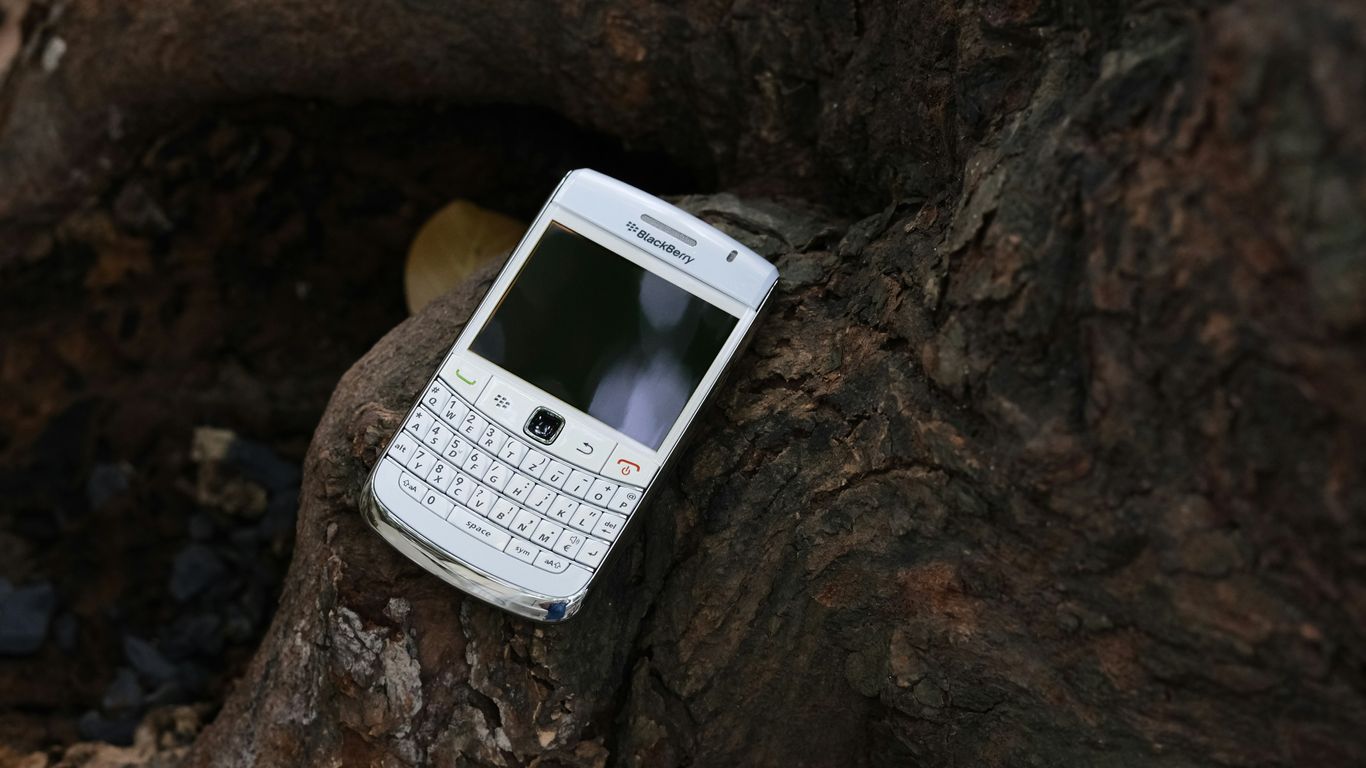
Ah, the BlackBerry Bold. For a lot of people back in 2010, this was the phone for getting things done. While other companies were trying to figure out touchscreens, BlackBerry was still all about that physical keyboard. It felt solid, you know? Like a real tool for business.
BlackBerry was still a pretty big deal then, even with the iPhone and early Android phones nipping at its heels. The Bold line, in particular, was known for its sturdy build and that iconic QWERTY keyboard. Typing out emails or messages felt so much faster and more accurate than tapping on a glass screen. It was definitely the phone of choice for a lot of professionals who needed to stay connected on the go.
Here’s a quick look at what made the Bold stand out:
- Physical QWERTY Keyboard: This was the main draw. Tactile keys made typing a breeze.
- Business Focus: Features were geared towards productivity, like robust email and calendar integration.
- Solid Build Quality: These phones felt like they could take a beating.
Even though BlackBerry eventually lost ground to its competitors, the Bold series really defined a certain era of mobile communication. It was all about efficiency and a no-nonsense approach to staying in touch, which is something you don’t always see in phones today. If you were serious about mobile work, the Bold was likely in your pocket. It’s interesting to see how far mobile tech has come, and how different companies like Samsung adapted to the changing landscape.
4. HTC Evo 4G
Man, 2010 was a wild year for phones, and the HTC Evo 4G was definitely one of the big players. Sprint really pushed this one hard, trying to get people excited about their new 4G network. It was a pretty chunky device, but it packed a punch for its time.
What made the Evo 4G stand out? Well, for starters, it was one of the first phones to really show off what 4G speeds could do, even if that network wasn’t everywhere yet. It had a big, bright screen for the era, which was great for watching videos or just browsing the web. Plus, it had a slide-out QWERTY keyboard, which was a big deal for anyone who typed a lot on their phone. It felt like a proper little computer in your pocket.
Here’s a quick look at some of its specs:
- Display: 4.3-inch touchscreen
- Processor: 1 GHz Snapdragon
- Camera: 8MP rear, 1.3MP front
- Connectivity: 4G WiMax, Wi-Fi, Bluetooth
- Operating System: Android 2.1 (Eclair) at launch
It was a solid phone that showed what Android was capable of, especially with HTC building it. It really felt like a step forward in mobile tech, even with its quirks. It was a phone that a lot of people loved because it was powerful and had that physical keyboard option.
5. Motorola Droid X
Man, 2010 was a wild year for phones, wasn’t it? Motorola really threw its hat in the ring with the Droid X. This thing was a beast, especially for its time. It was one of the first Android phones to really compete with the iPhone head-on, and it had some serious muscle under the hood.
What made the Droid X stand out? Well, for starters, it had a massive 4.3-inch display. That was huge back then, making it great for watching videos or just browsing the web. Plus, it packed a 1GHz processor, which was pretty speedy and helped keep things running smoothly, even when you were multitasking. It felt like a proper step up from a lot of the other Android phones out there.
Here’s a quick look at some of its specs:
- Display: 4.3-inch capacitive touchscreen
- Processor: 1GHz TI OMAP 3630
- Camera: 8MP rear-facing with dual LED flash
- Storage: 8GB internal, expandable via microSD
It also came with a few neat features. You could use it as a mobile hotspot, which was a pretty big deal before everyone had unlimited data. And the camera, while not amazing by today’s standards, was pretty decent for snapping pictures or recording video. Motorola was really trying to make a statement with this phone, and for a lot of people, it was their first real taste of a powerful Android device. It was definitely a phone that helped push the boundaries of what we expected from a smartphone, showing that Android could really go toe-to-toe with the best. It’s interesting to see how far mobile tech has come since then, and devices like the Droid X were a big part of that journey. You can find some great articles about the evolution of mobile tech if you’re curious about how we got here today.
6. Palm Pre
Man, the Palm Pre. This phone felt like it was trying to be the future, and honestly, it kinda was in a lot of ways. Released by Sprint, it was Palm’s big comeback attempt, and it had some really cool ideas. The whole ‘webOS’ thing was pretty slick, with its card-based multitasking that let you swipe between apps like you were flipping through a deck of cards. It was a totally different vibe from the icon grids we were used to.
Palm really tried to innovate with the Pre. It had this neat slide-out keyboard, which felt super satisfying to use, and get this – wireless charging! Yeah, wireless charging was a thing on this phone way back in 2009/2010. Plus, it had this cool gesture area below the screen for navigating. It was a lot to take in, but it felt fresh.
Here’s a quick look at some of its standout features:
- WebOS: A really intuitive operating system with great multitasking.
- Slide-out QWERTY Keyboard: For those who missed physical keys.
- Wireless Charging: A feature that took years to become common.
- Gesture Navigation: A unique way to move around the phone.
Even though it had all these neat tricks up its sleeve, the Palm Pre didn’t quite take over the world. It was a bit of a niche device, and sadly, Palm as a company didn’t last much longer after this. It’s a shame, really, because the tech inside was ahead of its time. You can still find some info on the Palm Pre Plus if you’re curious about its slightly updated version.
7. Windows Phone 7
Microsoft really tried to make a splash in 2010 with Windows Phone 7. It was a big departure from their older Windows Mobile stuff, aiming for something fresh and different. Instead of just a grid of app icons like everyone else, they went with these cool, colorful ‘live tiles’ that could show you updates right on the home screen. It looked pretty slick, honestly, and felt like a real attempt to shake things up in the mobile world.
But here’s the thing: a phone isn’t just about how it looks. It needs apps, and lots of them. Windows Phone 7 just couldn’t get the same kind of app support that iOS and Android had. Developers were mostly focused on those two platforms, and while Microsoft had some decent apps, it just didn’t have the sheer volume or variety that people had come to expect. It was a bit of a Catch-22; people didn’t buy the phones because there weren’t enough apps, and developers didn’t make apps because not enough people were buying the phones.
Here’s a quick look at what made Windows Phone 7 stand out:
- Unique Interface: The ‘live tiles’ were a really different way to see information at a glance.
- Microsoft Ecosystem: It tried to tie in with Microsoft’s services, which was a plus for some.
- Hardware Variety: Different manufacturers made phones with Windows Phone 7, so there were some design choices.
Despite the innovative design, the lack of a robust app store really held it back. Microsoft eventually moved on, but that tile-based approach did influence how we see information on our devices today.
8. Samsung Epic 4G
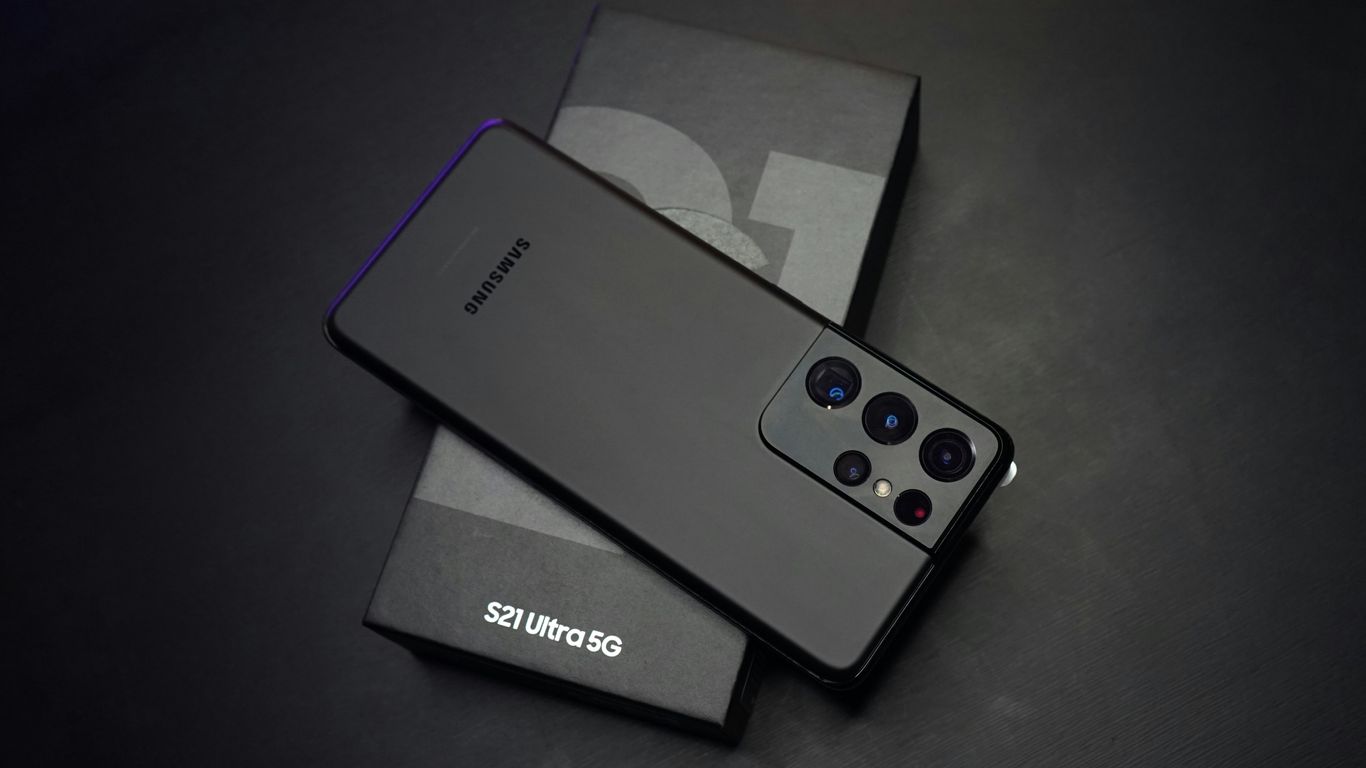
The Samsung Epic 4G was a pretty interesting phone back in 2010, especially for Sprint customers. It was one of the first phones in Samsung’s now-famous Galaxy S lineup, and what really set it apart was its slide-out QWERTY keyboard. Seriously, actual physical keys! It felt like a throwback to the BlackBerry days but with all the new Android smarts.
This phone was also one of the early adopters of Sprint’s 4G WiMax network. It was a big deal at the time, promising faster speeds than what most people were used to. However, WiMax didn’t really catch on in the long run, which kind of held back the Epic 4G’s future-proofing.
Here’s a quick look at what it offered:
- Display: A decent-sized touchscreen for the era.
- Keyboard: A physical, slide-out QWERTY keyboard for tactile typing.
- Connectivity: Support for Sprint’s 4G WiMax network.
- Operating System: Ran on Android, giving access to a growing app ecosystem.
It was a solid device that tried to blend the best of both worlds – the productivity of a physical keyboard with the flexibility of Android. While it might seem a bit clunky now, the Epic 4G was a significant step for Samsung and a memorable device for anyone who wanted a physical keyboard on their Android phone.
9. iPhone 5
Alright, let’s talk about the iPhone 5. Released in 2012, it wasn’t technically a 2010 phone, but it really built on the momentum from that earlier era and felt like a significant step forward. It was thinner, lighter, and noticeably taller than its predecessors. This bigger screen was a big deal for a lot of people, myself included. Suddenly, watching videos or just browsing the web felt a lot more comfortable.
The move to a taller display was probably the most talked-about change. It meant apps had to adapt, and some looked a bit odd at first with black bars on the top and bottom, but it was a necessary evolution. Plus, that new aluminum unibody design? Super sleek. It felt really premium in your hand, a definite upgrade from the glass and metal sandwich of the iPhone 4 and 4S.
Here are a few things that stood out:
- Taller Display: The screen grew from 3.5 inches to 4 inches, making it easier to see more content.
- LTE Connectivity: Finally, faster data speeds were here, which made a huge difference for downloading apps and streaming.
- New Lightning Connector: This was a big shift, replacing the old 30-pin dock connector. It was smaller and reversible, which was pretty cool, though it meant everyone had to buy new accessories.
It wasn’t a revolutionary leap like the iPhone 4, but the iPhone 5 refined the formula and set the stage for what was to come. It felt like Apple was really listening to what people wanted in a smartphone.
10. iPad
Okay, so the iPad. It feels weird to even put this on a list of phones, but honestly, it changed so much about what we expected from portable tech. When it first came out in 2010, people were kind of confused. Was it just a giant iPhone? Some folks definitely thought so, and yeah, the name got a bit of a laugh at first. But then people actually got their hands on it.
It wasn’t just about browsing the web or checking email on a bigger screen, though it did that really well. It was more about how you interacted with content. Reading books felt more natural, watching videos was way better, and playing games felt more immersive. It really kicked off the whole tablet craze, and you saw a bunch of companies trying to copy it pretty quickly.
Here’s a quick look at what made it stand out:
- A bigger, better screen: The 9.7-inch display was a game-changer for media consumption and creative tasks.
- App ecosystem: It had access to the App Store, which meant a growing library of apps designed specifically for the tablet experience.
- Portability: While not pocket-sized, it was much easier to carry around than a laptop for many tasks.
Sure, it didn’t replace laptops for everyone, and maybe it hasn’t quite reached its full potential yet for some power users. But for a lot of people, the iPad became the go-to device for entertainment, casual browsing, and even some work. It really carved out its own space in the tech world, and you can’t deny its impact.
Looking Back, Moving Forward
Thinking back to 2010, it’s pretty wild how far we’ve come with our phones. Back then, we were just starting to get excited about things like decent cameras and apps that did more than just make a call. Phones were getting smarter, sure, but they were also simpler in a lot of ways. Now, we carry these supercomputers in our pockets that do everything from stream movies to manage our entire lives. It’s a good reminder that the tech we think is amazing today might seem basic in another ten years. Makes you wonder what phones will be like in 2030, doesn’t it?




Prosecutors Say Jason Finkelstein Spent 11 Seconds Reviewing Cardiac Images Before Clearing a Teenage Athlete

Prosecutors Say Jason Finkelstein Spent 11 Seconds Reviewing Cardiac Images Before Clearing a Teenage Athlete
Prosecutors Say Jason Finkelstein Spent 11 Seconds Reviewing Cardiac Images Before Clearing a Teenage Athlete
Prosecutors Say Jason Finkelstein Spent 11 Seconds Reviewing Cardiac Images Before Clearing a Teenage Athlete

Prosecutors Say Jason Finkelstein Spent 11 Seconds Reviewing Cardiac Images Before Clearing a Teenage Athlete
Prosecutors Say Jason Finkelstein Spent 11 Seconds Reviewing Cardiac Images Before Clearing a Teenage Athlete

Prosecutors Say Jason Finkelstein Spent 11 Seconds Reviewing Cardiac Images Before Clearing a Teenage Athlete
Prosecutors Say Jason Finkelstein Spent 11 Seconds Reviewing Cardiac Images Before Clearing a Teenage Athlete
Prosecutors Say Jason Finkelstein Spent 11 Seconds Reviewing Cardiac Images Before Clearing a Teenage Athlete

Prosecutors Say Jason Finkelstein Spent 11 Seconds Reviewing Cardiac Images Before Clearing a Teenage Athlete
Prosecutors Say Jason Finkelstein Spent 11 Seconds Reviewing Cardiac Images Before Clearing a Teenage Athlete
Prosecutors Say Jason Finkelstein Spent 11 Seconds Reviewing Cardiac Images Before Clearing a Teenage Athlete
Prosecutors Say Jason Finkelstein Spent 11 Seconds Reviewing Cardiac Images Before Clearing a Teenage Athlete

Prosecutors Say Jason Finkelstein Spent 11 Seconds Reviewing Cardiac Images Before Clearing a Teenage Athlete
Prosecutors Say Jason Finkelstein Spent 11 Seconds Reviewing Cardiac Images Before Clearing a Teenage Athlete

-
Alternative Energy5 days ago
Brian Rowan’s Possible Defense: No Intent, No Control, No Fraud, Just Sales
-
Alternative Energy5 days ago
Federal Grand Jury Indicts Oren Shachar in Hospice Fraud Case
-
Business4 days ago
How Darrell Seale Builds High-Performing Teams Through Service-Based Leadership
-
Education4 days ago
Daniel Cullen Delafield on Bridging Executive Leadership and Skilled Trades Development
-

 News2 days ago
Prosecutors Say Jason Finkelstein Spent 11 Seconds Reviewing Cardiac Images Before Clearing a Teenage Athlete
-
News2 days ago
Prosecutors Say Jason Finkelstein Spent 11 Seconds Reviewing Cardiac Images Before Clearing a Teenage Athlete
-
News2 days ago
Prosecutors Say Jason Finkelstein Spent 11 Seconds Reviewing Cardiac Images Before Clearing a Teenage Athlete
-
News2 days ago
Prosecutors Say Jason Finkelstein Spent 11 Seconds Reviewing Cardiac Images Before Clearing a Teenage Athlete