
Analysis
Mastering Alpha Stock: A Comprehensive Guide to Understanding and Utilizing Stock Market Alpha


So, you want to talk about alpha stock? It’s one of those terms you hear thrown around a lot in the investing world. Basically, it’s about finding stocks that are expected to do better than the overall market. This guide is here to break down what that really means and how you can spot these kinds of opportunities for yourself. We’ll go through the basics, how to find them, and how to actually use them in your own investment plans. Let’s get started.
Key Takeaways
- Understanding what an alpha stock is involves looking for companies that have the potential to outperform the general market’s returns.
- To find good alpha stock candidates, you need to look closely at a company’s leaders, what makes it special compared to others, and where it stands in its industry.
- Using numbers like earnings growth, profit margins, and valuation methods helps you pick the right alpha stock.
- Technical analysis, like reading charts and using indicators, can give you clues about when to buy or sell alpha stocks.
- Deciding whether to invest for the long haul or short term, and using value or growth strategies, helps shape how you use alpha stocks in your portfolio.
Understanding Alpha Stock Fundamentals
So, what exactly are we talking about when we say ‘alpha stock’? It’s not just any stock you pick up. Think of it as a stock that’s expected to do better than the overall market, or its benchmark index, over a certain period. It’s that extra bit of return, the ‘alpha,’ that investors are always chasing. It’s like finding a shortcut on a road trip – you get there faster than everyone else.
Defining Alpha Stock in Investment Portfolios
When you’re building an investment portfolio, alpha stocks are the ones you hope will give you that edge. They’re not just about riding the market’s wave; they’re about trying to surf ahead of it. These are companies that, for whatever reason, seem to have a special sauce that allows them to outperform. It could be a new product, a smart management team, or just being in the right place at the right time. The goal is to identify these stocks before the rest of the market catches on. Finding them can be tricky, but the payoff can be pretty significant.
Key Characteristics of Alpha Stocks
What makes a stock an ‘alpha’ candidate? Well, there are a few things to look out for. These stocks often show:
- Strong Earnings Growth: They’re not just growing; they’re growing faster than expected, and consistently.
- Competitive Edge: They have something that sets them apart from competitors, like a unique technology, a strong brand, or a loyal customer base. This is often referred to as an economic moat.
- Good Management: A capable leadership team that knows how to steer the company through good times and bad is a big plus.
- Favorable Market Position: They might be a leader in a growing industry or have a significant market share.
It’s not a magic formula, of course. Sometimes a stock that looks like a winner can falter. But these characteristics give you a good starting point for your search.
The Role of Alpha in Investment Strategies
Alpha isn’t just a buzzword; it plays a real role in how people invest. For active managers, generating alpha is their main job. They’re paid to find those outperforming stocks and beat the market. For individual investors, understanding alpha helps you figure out if you’re paying for active management and if it’s worth it. You might also use alpha-generating strategies yourself, perhaps by focusing on specific sectors that are showing promise, like technology or healthcare. Tools exist that can help you track these trends and identify potential winners within them, which can be a big help when you’re trying to build a solid investment strategy.
Ultimately, alpha is about seeking returns that aren’t just tied to the general market’s movement. It’s about finding those specific opportunities that can really make your portfolio sing.
Identifying Potential Alpha Stock Opportunities
So, you’re looking for those special stocks, the ones that might just outperform the rest? It’s not just about picking any company; it’s about finding businesses with that extra spark, that potential for alpha. This means digging a bit deeper than just glancing at the ticker symbol. We need to look at what makes a company tick and why it might be set up for success.
First off, let’s talk about the people running the show. Analyzing company management and leadership is pretty important. Are they experienced? Do they have a clear vision for the company’s future? A strong leadership team can steer a company through tough times and capitalize on new opportunities. Think about it: would you rather invest in a ship with a seasoned captain or someone who just learned to tie knots?
Next up, we’ve got to check out their competitive advantage. This is often called an "economic moat." It’s basically what makes a company hard to copy. Maybe they have a patent, a super strong brand name, or a network effect where more users make the service better for everyone. Companies with wide moats tend to be more stable and can protect their profits over the long haul. It’s like having a castle with a deep moat – makes it tough for invaders.
Here are a few things to consider when evaluating a company’s moat:
- Brand Strength: How well-known and trusted is the company’s name?
- Network Effects: Does the product or service become more valuable as more people use it?
- Cost Advantages: Can the company produce goods or services cheaper than its competitors?
- Intellectual Property: Does the company hold patents or unique technology?
Finally, you can’t ignore the industry and market position. Is the company in a growing industry, or one that’s shrinking? Where does it stand compared to its rivals? A company in a booming sector with a leading market share has a better shot at generating alpha. Sometimes, just being in the right place at the right time, with a solid product, makes all the difference. You can use tools to help track sector performance and see which industries are heating up. It’s about finding companies that are not just good, but are positioned to be great within their specific market landscape.
Quantitative Analysis for Alpha Stock Selection
Okay, so we’ve talked about what alpha stocks are and how to spot them with your eyes. But what about the numbers? This is where quantitative analysis comes in, and honestly, it’s where a lot of the real detective work happens. It’s about digging into the financial statements and crunching numbers to see if a company is actually as good as it looks on paper. This data-driven approach helps cut through the noise and find companies with solid financial footing.
Examining Earnings Growth and Trends
First up, let’s look at earnings. A company that consistently grows its earnings is usually a good sign. We’re not just talking about one good quarter; we want to see a pattern over time. Think about it: if a company keeps making more money year after year, that’s a pretty strong indicator that it’s doing something right. We can look at historical earnings reports to see this trend. It’s also helpful to see what analysts expect for future earnings. Sometimes, a stock might already have future growth priced in, so understanding these expectations is key. A surprise jump in earnings can be a big deal, but a consistent upward climb is often more reliable for finding those alpha stocks.
Analyzing Profit Margins and Efficiency Ratios
Next, we need to check how well a company is actually keeping the money it makes. That’s where profit margins come in. A company can sell a lot, but if it costs them too much to make and sell their products, they won’t be very profitable. We want to see healthy profit margins – that means they’re efficient. Things like gross profit margin, operating profit margin, and net profit margin tell us different parts of this story. Beyond just profit, efficiency ratios show how well a company uses its assets and manages its operations. Ratios like inventory turnover or asset turnover can reveal if a company is running lean and mean or if it’s bogged down. A company that’s good at turning its resources into sales and profits is often a better bet for alpha. You can use tools to track these metrics over time, looking for improvements or stability. For instance, a company might have a table like this:
| Metric | Current Year | Previous Year | Trend |
|---|---|---|---|
| Gross Profit Margin | 45% | 42% | Up |
| Operating Margin | 18% | 17% | Up |
| Net Profit Margin | 10% | 9.5% | Up |
| Inventory Turnover | 6.2 | 5.8 | Up |
Understanding Valuation Methods for Alpha Stocks
So, we’ve found a company that’s growing earnings and is efficient. Great! But is the stock price fair? This is where valuation comes in. We don’t want to overpay, even for a good company. The Price-to-Earnings (P/E) ratio is a common starting point. It tells you how much investors are willing to pay for each dollar of a company’s earnings. But a high P/E isn’t always bad, especially for growth companies. It really depends on the industry. A tech company might have a much higher P/E than a utility company, and that’s normal. We also look at other metrics like the Price-to-Sales ratio, Price-to-Book ratio, and importantly, the Enterprise Value to EBITDA (EV/EBITDA). Comparing these ratios to the company’s historical averages and its competitors helps us figure out if the stock is a bargain, fairly priced, or overpriced. Finding a company with strong fundamentals that’s trading at a reasonable valuation is often the sweet spot for alpha. This quantitative analysis is a big part of building a solid investment strategy, and it’s how many successful investors find their edge.
Leveraging Technical Analysis for Alpha Stock Trading
So, you’ve got a handle on what makes an alpha stock tick, and you’re starting to spot some promising candidates. Now, let’s talk about how to actually trade them. This is where technical analysis really shines. It’s all about looking at past price movements and trading volumes to figure out where a stock might be headed next. Think of it like reading a weather map for the stock market – you’re looking for patterns that suggest sunshine or storms ahead.
Introduction to Technical Analysis for Alpha
Technical analysis is a way to evaluate stocks by looking at their historical data, mainly price and volume. The idea is that past trading activity can give us clues about future price changes. It’s not about guessing; it’s about spotting trends and patterns that have repeated themselves over time. For alpha stocks, which are often more dynamic, technical analysis can help pinpoint the best times to get in and out of a trade. It’s a tool that helps you make more informed decisions, rather than just relying on gut feelings. Many traders use resources that offer insights into how global fund managers generate alpha trading strategies.
Reading Stock Charts for Alpha Signals
Charts are your best friend here. You’ll want to get familiar with different types, like candlestick charts. These little guys show you the open, high, low, and closing prices for a specific period, and their shapes can tell you a lot about the buying and selling pressure. For instance, a long green candlestick usually means buyers were in control, while a long red one suggests sellers took over. Beyond individual candles, you’ll look at chart patterns. Think of things like support and resistance levels – these are price points where a stock has historically had trouble moving past, either up or down. Spotting these can help you decide when to buy or sell.
Here’s a quick look at some common chart elements:
- Candlestick Body: Shows the range between the open and close price.
- Wicks (or Shadows): Indicate the high and low prices for the period.
- Volume Bars: Usually shown at the bottom of the chart, these represent how many shares were traded.
Mastering Trading Strategies with Technical Indicators
Charts are great, but indicators can give you even more information. These are mathematical calculations based on a stock’s price and volume. Some popular ones include:
- Moving Averages: These smooth out price data to create a single flowing line, showing the average price over a set period. When a stock’s price crosses above a moving average, it can signal an upward trend. When it crosses below, it might mean a downward trend is starting.
- Relative Strength Index (RSI): This is a momentum oscillator that measures the speed and change of price movements. It oscillates between 0 and 100 and is typically used to identify overbought or oversold conditions in the market.
- MACD (Moving Average Convergence Divergence): This indicator shows the relationship between two moving averages of a stock’s price. It’s used to spot momentum and potential trend changes.
Combining these indicators with chart patterns can give you a more solid basis for your trading decisions. The key is not to rely on just one indicator, but to use a combination that works for you and the specific stock you’re watching. It takes practice, but learning to read these signals can really help you make smarter moves with your alpha stock investments.
Integrating Alpha Stock Concepts into Investment Strategies
So, you’ve been looking at these alpha stocks, right? Now comes the part where we figure out how to actually use them in your portfolio without making a mess of things. It’s not just about finding the ‘best’ stock; it’s about fitting it into your bigger financial picture.
Long-Term vs. Short-Term Alpha Investing
Think about how long you want to hold onto an investment. Are you looking to build wealth slowly over decades, or are you trying to catch quick moves in the market? Alpha can play a role in both, but the approach is different.
- Long-Term: This is more about finding companies with lasting competitive advantages that can generate alpha year after year. You’re less worried about daily price swings and more focused on the company’s ability to grow and adapt over time. It’s like planting a tree – you expect it to provide shade and fruit for a long time.
- Short-Term: Here, you might be looking for temporary mispricings or market inefficiencies that can be exploited for quick gains. This often involves more active trading and keeping a close eye on market sentiment and technical signals. It’s more like catching a wave – you need to time it right.
The key is aligning your time horizon with the type of alpha you’re pursuing.
Value Investing Approaches to Alpha Stocks
Value investing is all about finding good companies that the market has somehow overlooked. When you apply this to alpha stocks, you’re looking for those high-potential companies that are trading below their true worth. It’s like finding a diamond in the rough.
Here’s a quick look at how value investors might approach alpha:
- Identify Undervalued Companies: Look for stocks whose price doesn’t reflect their earnings power or future growth prospects. This often means digging into financial statements.
- Assess the ‘Moat’: Does the company have something special that protects it from competitors? This could be a strong brand, patents, or network effects. This ‘moat’ is often a source of sustainable alpha.
- Margin of Safety: Always buy with a buffer. This means paying a price significantly below what you think the company is truly worth. This protects you if your analysis is a bit off or if the market takes a turn.
Growth Investing Strategies for Alpha Opportunities
Growth investing is a bit different. Instead of focusing on current low prices, you’re looking for companies that are expected to grow their earnings and revenue much faster than the average company. These are often in innovative sectors or have disruptive products.
When hunting for alpha with a growth strategy:
- Focus on Expansion: Look for companies with rapidly increasing sales and profits. This rapid growth is often where the alpha comes from.
- Market Leadership: Identify companies that are leaders or fast followers in expanding markets. Being at the forefront can lead to outsized returns.
- Reinvestment: See if the company is reinvesting its profits back into the business to fuel further growth, rather than paying it all out as dividends. This reinvestment is key to generating future alpha.
It’s about spotting the next big thing before everyone else does. Sometimes, you might even look at international markets for these kinds of opportunities, as new trends can emerge globally. Remember, whether you’re a value or growth investor, understanding the underlying business and its potential to outperform is what really matters when seeking alpha.
Managing Risk with Alpha Stock Investments
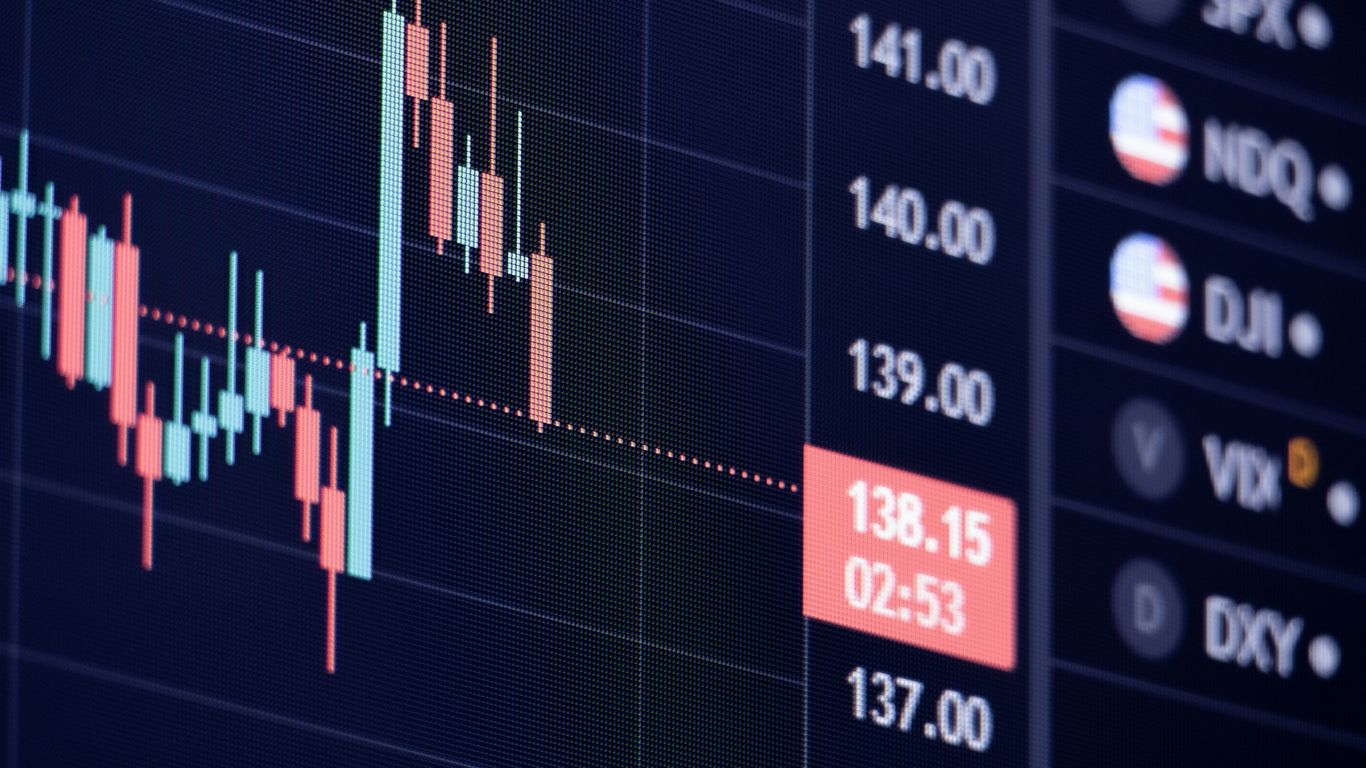
Okay, so you’ve found some promising alpha stocks. That’s great! But before you go all-in, we need to talk about keeping your money safe. Investing in stocks, especially those aiming for alpha, can be a bit of a rollercoaster. It’s not just about picking winners; it’s about protecting yourself when things don’t go as planned.
Hedging Techniques for Alpha Portfolios
Hedging is basically like buying insurance for your investments. It’s a way to reduce the impact of bad market moves. Think of it as having a backup plan. There are a few ways to do this:
- Options Contracts: You can buy put options on a stock or an index. If the price drops, the value of your put option goes up, helping to offset your losses.
- Inverse ETFs: These are exchange-traded funds designed to move in the opposite direction of a specific index or sector. If the market falls, an inverse ETF might gain value.
- Diversification: While not strictly hedging, spreading your money across different types of assets (stocks, bonds, real estate) and different sectors within stocks is a primary way to reduce overall portfolio risk. If one area tanks, others might hold steady or even rise.
The goal here isn’t to eliminate risk entirely, but to make sure a single bad event doesn’t wipe you out.
Utilizing Stop-Loss Orders for Alpha Protection
Stop-loss orders are pretty straightforward. You set a price below your purchase price, and if the stock hits that price, your shares are automatically sold. It’s a way to cut your losses before they get too big. For example, if you buy a stock at $50 and set a stop-loss at $45, your shares will be sold if the price drops to $45.
- Setting the Level: Decide how much you’re willing to lose on a particular stock. This depends on your risk tolerance and the stock’s typical price swings.
- Trailing Stop-Loss: This is a bit more advanced. A trailing stop moves up with the stock price if it’s rising, but stays put if the price falls. This helps you lock in profits while still offering protection.
- Market Volatility: Be aware that in very fast-moving markets, a stop-loss order might execute at a price worse than you intended. It’s not a perfect system, but it’s a really good tool.
Understanding Behavioral Finance in Alpha Trading
This is where things get interesting, and honestly, a bit tricky. Our own minds can be our worst enemy when investing. We often make decisions based on emotions rather than logic.
- Fear and Greed: These two emotions drive a lot of bad decisions. Fear can make you sell too early during a dip, and greed can make you hold on too long or buy at the peak.
- Overconfidence: After a few winning trades, it’s easy to think you’re invincible. This can lead to taking on too much risk.
- Loss Aversion: The pain of losing money often feels worse than the pleasure of gaining it. This can make investors hold onto losing stocks for too long, hoping they’ll recover, instead of cutting their losses.
Recognizing these psychological traps is the first step. Try to stick to your trading plan and avoid making impulsive decisions, especially when the market is moving quickly. It takes practice, but keeping your emotions in check is key to long-term success with alpha stocks.
Wrapping It Up
So, we’ve gone through a lot, right? From figuring out what alpha even means to how you might actually find it in the stock market. It’s not some magic trick, and honestly, it takes work. You’ve got to do your homework, look at the numbers, and keep an eye on what’s happening out there. Don’t expect to get rich overnight, but by sticking with it and learning as you go, you can definitely get better at this whole investing thing. Remember, it’s a marathon, not a sprint, and staying informed is your best bet.





How Anabei Modular Sofa Reviews Reflect Long-Term Flexibility

Revenue, Accountability, and Performance: Leadership Lessons Michael Lienert Took From Professional Sports
Prosecutors Say Jason Finkelstein Spent 11 Seconds Reviewing Cardiac Images Before Clearing a Teenage Athlete

Prosecutors Say Jason Finkelstein Spent 11 Seconds Reviewing Cardiac Images Before Clearing a Teenage Athlete
Prosecutors Say Jason Finkelstein Spent 11 Seconds Reviewing Cardiac Images Before Clearing a Teenage Athlete
Prosecutors Say Jason Finkelstein Spent 11 Seconds Reviewing Cardiac Images Before Clearing a Teenage Athlete

Prosecutors Say Jason Finkelstein Spent 11 Seconds Reviewing Cardiac Images Before Clearing a Teenage Athlete
Prosecutors Say Jason Finkelstein Spent 11 Seconds Reviewing Cardiac Images Before Clearing a Teenage Athlete

Prosecutors Say Jason Finkelstein Spent 11 Seconds Reviewing Cardiac Images Before Clearing a Teenage Athlete
Prosecutors Say Jason Finkelstein Spent 11 Seconds Reviewing Cardiac Images Before Clearing a Teenage Athlete
Prosecutors Say Jason Finkelstein Spent 11 Seconds Reviewing Cardiac Images Before Clearing a Teenage Athlete

Prosecutors Say Jason Finkelstein Spent 11 Seconds Reviewing Cardiac Images Before Clearing a Teenage Athlete
Prosecutors Say Jason Finkelstein Spent 11 Seconds Reviewing Cardiac Images Before Clearing a Teenage Athlete
Prosecutors Say Jason Finkelstein Spent 11 Seconds Reviewing Cardiac Images Before Clearing a Teenage Athlete
Prosecutors Say Jason Finkelstein Spent 11 Seconds Reviewing Cardiac Images Before Clearing a Teenage Athlete

-

 News5 days ago
Prosecutors Say Jason Finkelstein Spent 11 Seconds Reviewing Cardiac Images Before Clearing a Teenage Athlete
-
News5 days ago
Prosecutors Say Jason Finkelstein Spent 11 Seconds Reviewing Cardiac Images Before Clearing a Teenage Athlete
-
News5 days ago
Prosecutors Say Jason Finkelstein Spent 11 Seconds Reviewing Cardiac Images Before Clearing a Teenage Athlete
-
News6 days ago
BlossomUp and the Path to Personal Growth That Actually Works
-
News5 days ago
Prosecutors Say Jason Finkelstein Spent 11 Seconds Reviewing Cardiac Images Before Clearing a Teenage Athlete
-
News5 days ago
Prosecutors Say Jason Finkelstein Spent 11 Seconds Reviewing Cardiac Images Before Clearing a Teenage Athlete
-
News5 days ago
Prosecutors Say Jason Finkelstein Spent 11 Seconds Reviewing Cardiac Images Before Clearing a Teenage Athlete
-
News5 days ago
Prosecutors Say Jason Finkelstein Spent 11 Seconds Reviewing Cardiac Images Before Clearing a Teenage Athlete