
Automotive
Finding the Best Electric Cars Near Me: A Local Buyer’s Guide

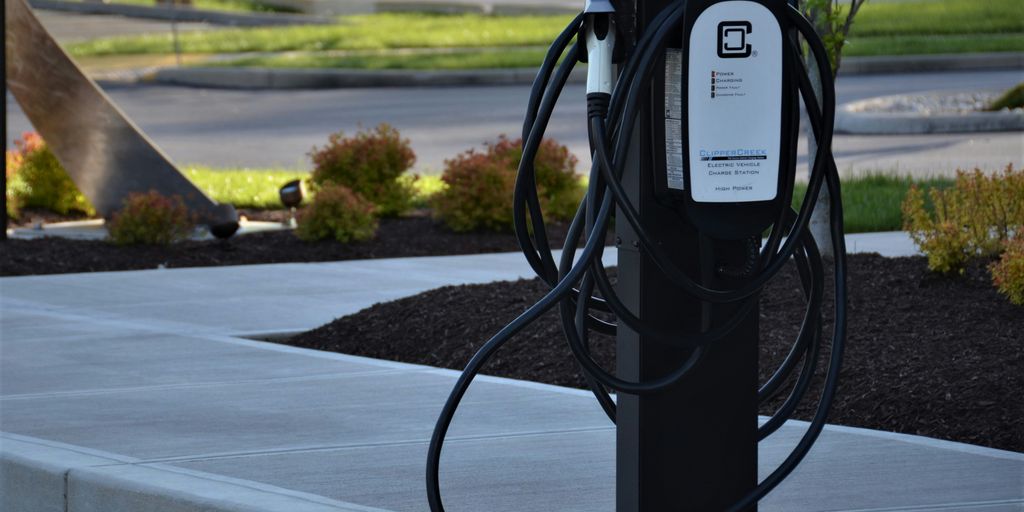
So, you’re thinking about getting an electric car? That’s awesome! It’s a big step, and there’s a lot to think about, especially when you’re looking for electric cars near me. This guide will walk you through everything, from figuring out what kind of EV fits your life to finding the best deals and even what to look for on a test drive. We’ll make sure you’re ready to hit the road in your new ride.
Key Takeaways
- Figure out your daily driving needs before picking an EV. A single-car household might need more range.
- Charging at home is usually the best bet. Public charging can be tricky sometimes.
- Check out all the government incentives; they can really lower the price of an electric car.
- Used electric cars can be a great deal and are often available right away.
- Always take an electric car for a test drive to see how it feels and if it fits your lifestyle.
Understanding Your Electric Car Needs
Before you jump into the exciting world of EVs, it’s smart to take a moment and really think about what you need in a car. What works for your neighbor might not work for you, and vice versa. Let’s break down some key considerations.
Single-Car Household Considerations
If an EV is going to be your only car, you’ve got to be extra careful. Range anxiety is real, especially if you live in an area with limited charging infrastructure. Think about your longest trips, not just your daily commute. Do you regularly drive long distances? If so, you’ll need an EV with a substantial range. Also, consider how often you’ll need to haul cargo or passengers. A smaller, city-focused EV might not cut it if you frequently need to transport a family or lots of gear. You might want to consider electrical repair services to ensure your home is ready for EV charging.
Second Car Value in Used EVs
For many families, an EV makes a fantastic second car. Maybe you already have a gas-powered SUV for long road trips, and you’re looking for something more efficient for running errands and commuting. This is where used EVs can really shine. You can often find great deals on older models with shorter ranges, which are perfectly adequate for local driving. Plus, you’re not as stressed about range if you know you have another car available for longer journeys. It’s a great way to dip your toes into the EV world without breaking the bank. Think about the best range for your needs.
Balancing Range and Local Use
Okay, let’s talk range. It’s tempting to think you need the longest range possible, but that’s not always the case. The bigger the battery, the more expensive the car. If you primarily drive within a 50-mile radius, do you really need a car with a 300-mile range? Probably not. Consider your daily driving habits and the availability of charging stations near your home and workplace. If you can easily charge at home overnight, a shorter-range EV might be perfectly sufficient. Here’s a simple table to help you think about it:
| Driving Pattern | Ideal Range | Charging Needs |
|---|---|---|
| Primarily local errands (under 30 miles/day) | 100-150 miles | Home charging is ideal |
| Daily commute (30-60 miles/day) | 150-250 miles | Home charging recommended, public charging as backup |
| Frequent long trips (over 100 miles/day) | 250+ miles | Access to fast public charging is important |
Don’t overspend on range you don’t need! Think about your actual driving needs and find the electric car that fits your lifestyle.
Navigating Electric Car Charging
Okay, so you’re thinking about getting an EV. Awesome! But before you jump in, let’s talk about charging. It’s probably the biggest thing people worry about, and honestly, it’s worth understanding. It’s not as scary as it seems, but it’s definitely different than just pulling up to a gas station.
Home Charging Essentials
Having a home charger is a game-changer. Seriously. If you can swing it, do it. It’s like having your own personal gas station, except you wake up every morning with a full "tank." There are two main levels of home charging:
- Level 1: This is just plugging into a regular wall outlet (120V). It’s super slow, like maybe 4-5 miles of range per hour. Good for topping off, but not for overnight charging if you drive a lot.
- Level 2: This requires a 240V outlet (like your dryer uses) and a dedicated charging unit. It’s much faster, adding maybe 20-30 miles of range per hour. This is what most EV owners use at home. You might even find home charging incentives to help with the cost of installation.
Think about where you’d install the charger – garage, driveway? You’ll need an electrician to install the 240V outlet if you don’t already have one. It’s an added cost, but worth it in the long run.
Public Charging Reliability
Public charging is… well, it’s getting better. But it’s not perfect. You’ll find chargers at shopping centers, workplaces, and along highways. The speed varies a lot. Some are slow (Level 2), and some are super-fast (DC fast chargers). DC fast chargers can add a lot of range in a short amount of time, but they’re not always reliable.
Here’s the deal:
- Reliability can be spotty: Sometimes chargers are broken, or they’re just slow. Always check apps like PlugShare or ChargePoint for recent reviews before you head out.
- Different networks: There are several different charging networks (Electrify America, EVgo, Tesla Supercharger, etc.), and they don’t all work together. You might need multiple accounts and apps.
- Cost varies: Public charging can be more expensive than charging at home, especially if you’re using a DC fast charger. Look into subscription plans for better rates.
Charging Infrastructure Challenges
Okay, let’s be real. The charging infrastructure isn’t where it needs to be. There aren’t enough chargers, especially in certain areas. And even when you find one, it might be out of service. This is especially tough for people who live in apartments or don’t have access to home charging. The good news is that things are improving. Governments and companies are investing a lot in building more chargers. But it’s still a work in progress. Apartment dwellers should think long and hard before they decide to go EV. The state of California is making a big effort to subsidize chargers in apartment buildings, with an emphasis on historically disadvantaged communities. But the management of charger installations, involving property owners, landlords and tenant committees, is complicated. And you can imagine the social issues involved: Who gets to use what charger, and for how long? What happens to charger hogs? Will a charger installation mean a higher rent?
Here’s what to keep in mind:
- Charger availability: Plan your trips, especially long ones. Don’t assume you’ll find a charger when you need one. Use apps to check availability and plan your route accordingly.
- Maintenance: Chargers need maintenance, and sometimes they’re out of service for extended periods. This can be frustrating, but it’s part of the deal right now.
- Future growth: The charging infrastructure is growing rapidly. Keep an eye on new developments in your area. More chargers are coming!
Exploring Electric Car Incentives
Electric cars can seem expensive, but don’t let the sticker price scare you! There are a bunch of incentives out there that can seriously bring down the cost. It’s worth spending some time to figure out what you qualify for – it could save you thousands. The average price for an electric vehicle is more than $60,000. That’s before incentives — rebates and tax credits from state, federal and local government that can add up to a $10,000 savings per car, depending on the vehicle and in many cases, a buyer’s income.
Federal Tax Credits for Electric Cars
The federal government offers a tax credit for buying a new electric car. This credit can be up to $7,500, but it depends on the car’s battery capacity and where it was manufactured. There are also income limitations, so make sure you check if you’re eligible. The next-generation electric vehicles are a significant leap in green technology.
State and Local Rebates
On top of the federal tax credit, many states and even some local governments offer their own rebates. These can range from a few hundred dollars to several thousand! Check your state’s energy office website to see what’s available in your area. California, for example, is making a big effort to subsidize chargers in apartment buildings, with an emphasis on historically disadvantaged communities.
Maximizing Your Savings
To really get the best deal, stack those incentives! Combine the federal tax credit with any state and local rebates you can find. Also, don’t forget to factor in the long-term savings of driving an EV, like lower fuel and maintenance costs. It all adds up! Be sure to view our Incentives & Rebates listing and search by your California ZIP code to see what savings are available in your local area.
Finding Affordable Electric Cars Near Me
Okay, so you’re ready to ditch the gas pump but not ready to drain your bank account. I get it! Electric cars can seem pricey, but there are definitely ways to find a deal. It’s all about knowing where to look and what to prioritize. Let’s break down how to find an EV that fits your budget.
Budget-Friendly New EV Options
Let’s be real, the sticker price on some new EVs can be a bit shocking. But don’t give up hope! There are a few models out there that won’t break the bank. The key is to look at the base models and be willing to forgo some of the fancy features. For example, the Nissan Leaf is often cited as one of the more affordable options. Sure, it might not have the longest range or the most luxurious interior, but it’s a reliable way to get into the EV game without spending a fortune. Keep an eye out for smaller EVs too; they tend to be more budget-friendly. Also, remember to factor in potential savings on gas and maintenance, which can offset the initial cost over time.
Value in Pre-Owned Electric Cars
This is where things get interesting! A used EV can be a fantastic way to save money. Just like with gas cars, EVs depreciate, meaning you can snag a relatively recent model for a fraction of its original price. Plus, early concerns about battery longevity have largely been put to rest. Most EV batteries are lasting much longer than initially anticipated, and many still have years of warranty coverage left. You might not get the latest and greatest tech, but you’ll get a reliable electric car at a price that’s hard to beat. Check out local dealerships and online marketplaces for the best deals on used EVs.
Comparing Entry-Level Models
So, you’ve narrowed it down to a few entry-level EVs. Now what? Time to compare! Don’t just look at the price tag; consider the range, features, and overall cost of ownership. Here’s a quick rundown of things to consider:
- Range: How far can you go on a single charge? This is crucial, especially if you plan on taking longer trips.
- Features: What standard features are included? Do you need things like heated seats or advanced safety tech?
- Charging Time: How long does it take to charge the battery? This can vary depending on the charging method and the car’s charging capabilities.
- Incentives: Are there any local rebates or tax credits available for the specific model you’re considering?
By carefully comparing these factors, you can make an informed decision and find the entry-level EV that’s right for you.
Top Electric Car Models to Consider
Choosing the right electric car can feel overwhelming with so many options hitting the market. Let’s break down some top contenders across different categories to help you narrow your search.
Midrange Electric Car Picks
For a great balance of price, range, and features, the Hyundai Ioniq 5 is a standout. Car magazines and drivers alike rave about its retro-cool design and comfortable ride. It’s built on the same platform as the Kia EV6, but with a distinct style. Other worthy contenders in this category include the Tesla Model Y, Ford Mach-E, and Volkswagen ID.4. The Ioniq 5’s all-wheel drive version offers around 256 miles of range, making it a solid all-around choice. If you’re looking for something a bit sleeker, the Ioniq 6 is also a great option.
Luxury EV Selections
If you’re ready to splurge on a premium electric experience, several models deliver top-notch performance, luxurious interiors, and cutting-edge technology. Keep an eye on brands like Tesla, BMW, and Mercedes-Benz for high-end EVs. These models often boast longer ranges, faster charging capabilities, and advanced driver-assistance systems.
New Releases and Award Winners
Staying up-to-date with the latest EV models is key. For example, the 2026 Kia EV9 is making waves as Kia’s newest electric SUV. Keep an eye on industry awards and reviews to see which EVs are earning top honors for innovation, performance, and value. New models often introduce improvements in battery technology, charging speeds, and overall efficiency. Also, consider which electric car has the best range and charging options for your driving needs.
The Benefits of Buying Used Electric Cars
Cost Savings on Pre-Owned EVs
Let’s be real, new cars are expensive, and EVs are no exception. But here’s a secret: used EVs can offer significant savings. The initial depreciation hit has already been absorbed by the first owner, meaning you can snag a relatively recent model at a fraction of its original price. You might be surprised at how much you can save, especially if you’re flexible on the exact model or year. Plus, those savings can free up your budget for things like a home charger or maybe even some fun road trips!
Battery Longevity and Warranties
One of the biggest concerns people have about used EVs is the battery. Will it last? How much range has it lost? The good news is that EV batteries are proving to be more durable than initially expected. Many manufacturers offer lengthy warranties on their batteries, often 8-10 years or 100,000 miles. Even if the warranty has expired, battery failures are relatively rare. Sure, there might be some degradation in range over time, but it’s often less than people fear. Plus, there are now companies specializing in EV battery testing, so you can get a better idea of the battery’s health before you buy.
Immediate Availability of Used Models
Tired of waiting months for a new car to be delivered? One of the best things about buying used is immediate availability. You can browse local dealerships or online marketplaces, find a model you like, and drive it home within days. No more agonizing over build configurations or dealing with supply chain delays. Plus, you get to skip the whole new car smell thing, which, let’s be honest, isn’t for everyone. Used EVs offer a practical and quick solution for getting behind the wheel of an electric car without the wait.
Test Driving Electric Cars Near Me
Scheduling Local Test Drives
Okay, so you’ve done your research, looked at the specs, and maybe even drooled over some pictures online. Now comes the fun part: actually driving the EVs you’re interested in. Don’t skip this step! What looks good on paper might not feel right on the road. Start by checking the websites of local dealerships. Most will let you schedule a test drive online. Call them if you don’t see the EV you want listed – sometimes their online inventory isn’t completely up-to-date. Also, keep an eye out for local EV events or ride-and-drive events sponsored by manufacturers. These can be a great way to try out multiple models in one place. Make sure to bring your driver’s license and insurance information with you.
Evaluating Driving Dynamics
Alright, you’re behind the wheel. Now what? Pay attention to how the car accelerates. Electric cars are known for their instant torque, so you should feel a nice, quick response when you hit the accelerator. How does it handle corners? Is the steering responsive? How’s the ride quality? Is it smooth and comfortable, or do you feel every bump in the road? Also, listen to the car. EVs are much quieter than gas-powered cars, but you might still hear some motor whine or other noises. Here’s a quick checklist:
- Acceleration: Quick and responsive?
- Handling: Steering feel and cornering ability?
- Ride Quality: Smoothness and comfort?
- Noise: Any unusual sounds?
- Braking: How does regenerative braking feel?
Don’t be afraid to try out different driving modes, if the car has them. Some EVs have modes that prioritize efficiency, while others are designed for maximum performance. Understanding how the car behaves in different modes is important.
Assessing Comfort and Features
Beyond the driving experience, think about comfort and features. Are the seats comfortable, especially for longer drives? Is there enough legroom and headroom for you and your passengers? How easy is it to use the infotainment system? Are the controls intuitive? Does the car have the features you want, like heated seats, a sunroof, or advanced driver-assistance systems? Take some time to play around with the features and make sure they meet your needs. Consider these points:
- Seat Comfort: Support and adjustability?
- Interior Space: Legroom, headroom, and cargo space?
- Infotainment System: Ease of use and features?
- Features: Does it have the tech you want?
- Visibility: How’s the view from the driver’s seat?
Don’t hesitate to ask the salesperson questions. They should be able to explain the car’s features and answer any concerns you have. And most importantly, take your time. A test drive is your chance to really get to know the car before you make a decision. Think about how the car would fit into your daily life. Can you easily schedule local test drives and see if it fits your needs?
Wrapping It Up
So, there you have it. Picking out an electric car, especially one close to home, doesn’t have to be a huge headache. It’s really about figuring out what you need, what you can spend, and what makes sense for your daily life. Whether you’re looking for something brand new with all the bells and whistles, or a good used car that just gets the job done, there’s an EV out there for you. Just take your time, do a little digging, and you’ll find the perfect electric ride. Happy driving!




Prosecutors Say Jason Finkelstein Spent 11 Seconds Reviewing Cardiac Images Before Clearing a Teenage Athlete

Prosecutors Say Jason Finkelstein Spent 11 Seconds Reviewing Cardiac Images Before Clearing a Teenage Athlete
Prosecutors Say Jason Finkelstein Spent 11 Seconds Reviewing Cardiac Images Before Clearing a Teenage Athlete
Prosecutors Say Jason Finkelstein Spent 11 Seconds Reviewing Cardiac Images Before Clearing a Teenage Athlete

Prosecutors Say Jason Finkelstein Spent 11 Seconds Reviewing Cardiac Images Before Clearing a Teenage Athlete
Prosecutors Say Jason Finkelstein Spent 11 Seconds Reviewing Cardiac Images Before Clearing a Teenage Athlete

Prosecutors Say Jason Finkelstein Spent 11 Seconds Reviewing Cardiac Images Before Clearing a Teenage Athlete
Prosecutors Say Jason Finkelstein Spent 11 Seconds Reviewing Cardiac Images Before Clearing a Teenage Athlete
Prosecutors Say Jason Finkelstein Spent 11 Seconds Reviewing Cardiac Images Before Clearing a Teenage Athlete

Prosecutors Say Jason Finkelstein Spent 11 Seconds Reviewing Cardiac Images Before Clearing a Teenage Athlete
Prosecutors Say Jason Finkelstein Spent 11 Seconds Reviewing Cardiac Images Before Clearing a Teenage Athlete
Prosecutors Say Jason Finkelstein Spent 11 Seconds Reviewing Cardiac Images Before Clearing a Teenage Athlete
Prosecutors Say Jason Finkelstein Spent 11 Seconds Reviewing Cardiac Images Before Clearing a Teenage Athlete

Prosecutors Say Jason Finkelstein Spent 11 Seconds Reviewing Cardiac Images Before Clearing a Teenage Athlete
Prosecutors Say Jason Finkelstein Spent 11 Seconds Reviewing Cardiac Images Before Clearing a Teenage Athlete

-
Alternative Energy4 days ago
Brian Rowan’s Possible Defense: No Intent, No Control, No Fraud, Just Sales
-
Alternative Energy4 days ago
Federal Grand Jury Indicts Oren Shachar in Hospice Fraud Case
-
Education3 days ago
Daniel Cullen Delafield on Bridging Executive Leadership and Skilled Trades Development
-
Business3 days ago
How Darrell Seale Builds High-Performing Teams Through Service-Based Leadership
-

 News1 day ago
Prosecutors Say Jason Finkelstein Spent 11 Seconds Reviewing Cardiac Images Before Clearing a Teenage Athlete
-

 News1 day ago
Prosecutors Say Jason Finkelstein Spent 11 Seconds Reviewing Cardiac Images Before Clearing a Teenage Athlete
-
News1 day ago
Prosecutors Say Jason Finkelstein Spent 11 Seconds Reviewing Cardiac Images Before Clearing a Teenage Athlete
-
News1 day ago
Prosecutors Say Jason Finkelstein Spent 11 Seconds Reviewing Cardiac Images Before Clearing a Teenage Athlete