
Health & Fitness
Your Guide to Travel Essentials During COVID: Staying Safe on the Go


Going on a trip these days means thinking about a few extra things to keep yourself and others healthy. It’s not like it used to be. You’ve got to plan a bit more, from what you pack to how you get around. This guide will help you figure out what you need for a safe and easy journey. We’ll cover everything from what to bring in your bag to how to handle airports and hotels. It’s all about making your trip good, even with the new stuff we all have to deal with. So, let’s get into what you need for travel essentials during covid.
Key Takeaways
- Always check travel rules before you go. Things change fast, so know what’s up with your destination and any places you’ll pass through.
- Pack smart. Bring extra masks, hand cleaner, and even some wipes. You’ll use them more than you think, and it’s better to have too much than not enough.
- Think about your health before you leave. If you’re not feeling well, maybe hold off on the trip. It’s good for you and everyone else.
- When you’re out and about, try to keep some space between yourself and others. This goes for airports, on the plane, and when you’re walking around your destination.
- Once you get home, pay attention to how you feel. If anything seems off, get some advice from a doctor. It’s just a good idea to be careful.
Prioritizing Health and Safety on Your Journey
Traveling in the age of COVID-19 requires a shift in mindset. It’s not just about packing your bags; it’s about prioritizing your well-being and the well-being of those around you. This means taking proactive steps before, during, and after your trip to minimize risks and stay informed.
Understanding Current Travel Advisories
Before you even think about booking that flight or hitting the road, take some time to understand the current travel advisories. Things change fast, and what’s true today might not be true tomorrow. Check the CDC website, the State Department’s travel advisories, and the official websites of your destination. Pay attention to any specific requirements, such as testing or vaccination mandates. It’s also a good idea to sign up for alerts so you can stay updated on any changes that might affect your plans. Knowing the best holiday destinations can help you make informed decisions.
Consulting with Healthcare Professionals
If you have any underlying health conditions, or if you’re just feeling unsure about traveling, talk to your doctor. They can provide personalized advice based on your individual risk factors and help you make an informed decision about whether or not to travel. They can also advise you on any necessary vaccinations or medications you might need, and provide guidance on how to stay safe and healthy while you’re on the go.
Assessing Personal Risk Factors
Everyone’s risk tolerance is different. What feels safe for one person might not feel safe for another. Take some time to assess your own personal risk factors. Consider your age, your health status, and your comfort level with potential exposure to the virus. Think about the activities you plan to do on your trip and the level of contact you’ll have with other people. Being honest with yourself about your risk factors is the first step in making smart choices about your travel plans.
It’s easy to get caught up in the excitement of planning a trip, but it’s important to remember that COVID-19 is still a reality. Taking the time to prioritize your health and safety can help you have a more enjoyable and worry-free travel experience.
Essential Personal Protective Equipment
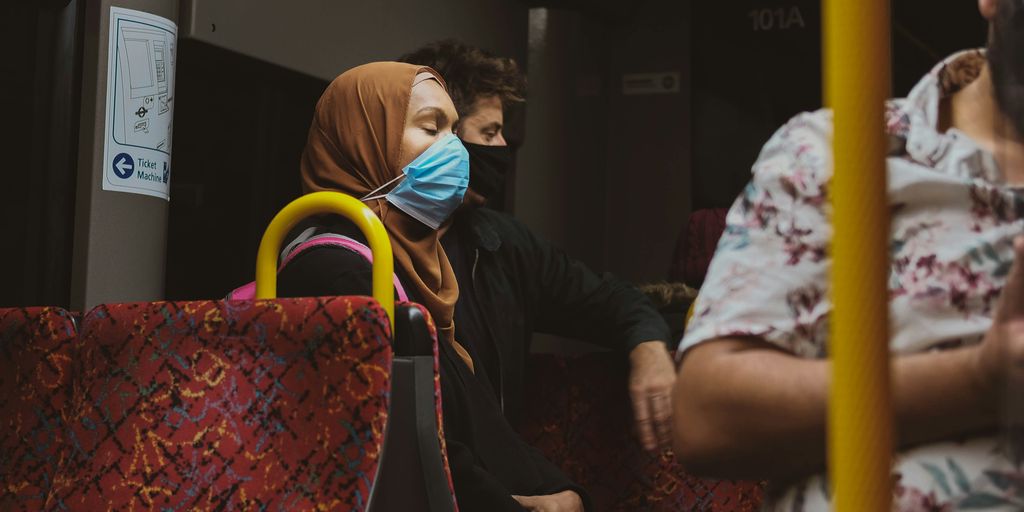
When you’re out and about, especially while traveling, having the right personal protective equipment (PPE) can make a big difference in keeping yourself and others safe. It’s not just about following rules; it’s about feeling secure and in control of your health.
Selecting Effective Face Masks for Travel
Face masks are a must-have. The CDC suggests wearing a mask with the best fit, protection, and comfort for you. Think about what kind of mask works best for your trip. Are you going to be in crowded places? A high-quality mask like an Enro Face Mask with multiple layers and a good filter might be the way to go. For less risky situations, a simple cloth mask with a couple of layers could be enough. Comfort is key, especially on long travel days. Masks with adjustable ear loops and a flexible nose piece can make a huge difference.
The Importance of Hand Sanitizer and Wipes
Hand sanitizer is your best friend when you can’t wash your hands. Look for one with at least 60% alcohol. Keep a small bottle in your bag or pocket for easy access. Wipes are also super handy for cleaning surfaces like tray tables on planes or doorknobs in hotels. I always feel better giving things a quick wipe down before touching them.
It’s easy to forget how many things we touch throughout the day. Having hand sanitizer and wipes readily available is a simple way to reduce your risk of picking up germs. Make it a habit to sanitize your hands after touching public surfaces and before eating.
Considering Disposable Gloves for Public Spaces
Gloves might seem like overkill, but they can be useful in certain situations. Think about using them when you’re touching things that a lot of other people have touched, like gas pumps or ATM keypads. X3 Clear Vinyl Industrial Gloves are a good option. Just remember, gloves aren’t a substitute for hand hygiene. Always sanitize your hands before putting them on and after taking them off. And try not to touch your face while you’re wearing them!
Smart Packing for COVID-Conscious Travel
Packing for a trip these days involves more than just clothes and toiletries. It’s about creating a bubble of safety and preparedness. I remember my last trip; I felt so much more at ease knowing I had everything I needed to stay healthy and comfortable.
Packing Extra Masks and Sanitization Supplies
It’s always a good idea to bring more than enough masks. You never know when one might get dirty or damaged. I usually pack at least one mask per day of travel, plus a few extra. And don’t forget the hand sanitizer! I prefer the small, travel-sized bottles that I can easily clip onto my bag. Disinfecting wipes are also super useful for wiping down surfaces on planes or in hotel rooms. Having these readily available can really reduce anxiety while you’re on the go.
Bringing Personal Hydration Solutions
Staying hydrated is always important, but especially so when traveling. Airports and airplanes can be incredibly drying. I always bring a reusable water bottle and fill it up after going through security. It saves money and reduces the need to touch public water fountains. Plus, some flavored electrolyte packets can help you stay refreshed. I’ve found that staying hydrated really helps combat travel fatigue.
Preparing for Unexpected Delays
Delays happen, especially now. Packing some extra snacks and entertainment can make a big difference if you get stuck somewhere. A portable charger for your phone is also a must. I also like to keep a small first-aid kit with essentials like pain relievers and bandages. It’s better to be overprepared than caught off guard.
I always pack a small bag with essentials like a toothbrush, toothpaste, and a change of clothes in my carry-on. That way, if my luggage gets lost, I’m not completely stranded. It’s happened to me before, and trust me, it’s not fun.
Navigating Transportation Safely
Getting from point A to point B can be tricky these days. It’s not just about booking tickets; it’s about doing it in a way that keeps you as safe as possible. Things are constantly changing, so staying informed is key. I remember one time I hopped on a bus thinking everything was normal, and halfway through the ride, they announced a new mask rule! Talk about awkward. Now, I try to be prepared for anything.
Airline Protocols and Expectations
Flying still feels different. Airlines have stepped up their game with cleaning, but it’s still a good idea to be cautious. Check the airline’s website before you even head to the airport. They usually have a section dedicated to COVID-related policies, like mask requirements or proof of vaccination. Don’t assume anything is the same as your last flight. Also, be prepared for potential delays or changes. Staffing issues and new regulations can throw a wrench in your plans. Pack some snacks and entertainment just in case you get stuck waiting.
Disinfecting Personal Spaces on Planes and Trains
Think of your seat as your little bubble. Bring along some travel safety kit and give your area a quick wipe-down when you settle in. Focus on the surfaces you’re most likely to touch: armrests, tray table, seatbelt buckle, and even the window shade pull. It might seem like overkill, but it can give you some peace of mind. I usually bring a small travel-sized disinfectant spray and some wipes. It doesn’t take much effort, and it’s worth it.
Minimizing Contact in Crowded Terminals
Airports and train stations can be chaotic. Try to keep your distance from others as much as possible. Use self-check-in kiosks or mobile boarding passes to reduce contact with staff. Consider waiting in less crowded areas, even if it means walking a bit further to your gate. And, of course, keep that hand sanitizer handy! I always feel like I need a shower after walking through a busy terminal. Every little bit helps.
Remember that travel advisories can change quickly. Always double-check the latest recommendations from health organizations before you leave, and be prepared to adjust your plans if necessary. Flexibility is your friend during these times.
Staying Safe at Your Destination
Okay, you’ve made it to your destination! Now’s not the time to let your guard down. Staying vigilant is key to a safe and healthy trip. Things might feel more relaxed, but the virus is still out there, and local conditions can vary wildly. Being informed and proactive will help you enjoy your trip with peace of mind.
Researching Hotel and Rental Property Precautions
Before you even book, do some digging. Don’t just look at the pretty pictures; check out the fine print. What are the hotel’s cleaning protocols? Do they have enhanced sanitation measures in place? Are there any restrictions on amenities like the pool or gym? For rental properties, ask the host about their cleaning procedures and what steps they’re taking to ensure the space is safe for guests. Read reviews carefully, paying attention to comments about cleanliness and safety. It’s worth spending a little extra time to find a place that prioritizes your well-being. Consider bringing your own travel safety kit for extra peace of mind.
Maintaining Social Distancing Practices
This one’s pretty straightforward, but it’s easy to forget when you’re caught up in the excitement of being somewhere new. Keep your distance from others whenever possible, especially in crowded areas. This might mean waiting for a less busy time to visit a popular attraction or choosing a restaurant with outdoor seating. Remember, social distancing isn’t just about protecting yourself; it’s about protecting others too.
Choosing Outdoor-Focused Activities
One of the best ways to minimize your risk is to spend as much time outdoors as possible. Fresh air and sunshine are your friends! Look for activities like hiking, biking, kayaking, or exploring local parks. Outdoor dining is also a great option. Not only are these activities generally safer, but they also offer a unique way to experience your destination. Plus, you’ll get some exercise and fresh air, which is always a bonus.
It’s easy to get complacent when you’re on vacation, but remember that the pandemic is still ongoing. By taking simple precautions and staying informed, you can significantly reduce your risk and enjoy a safer, more relaxing trip. Don’t be afraid to adjust your plans if necessary and prioritize your health and safety above all else.
Building Your COVID Travel Essentials Kit
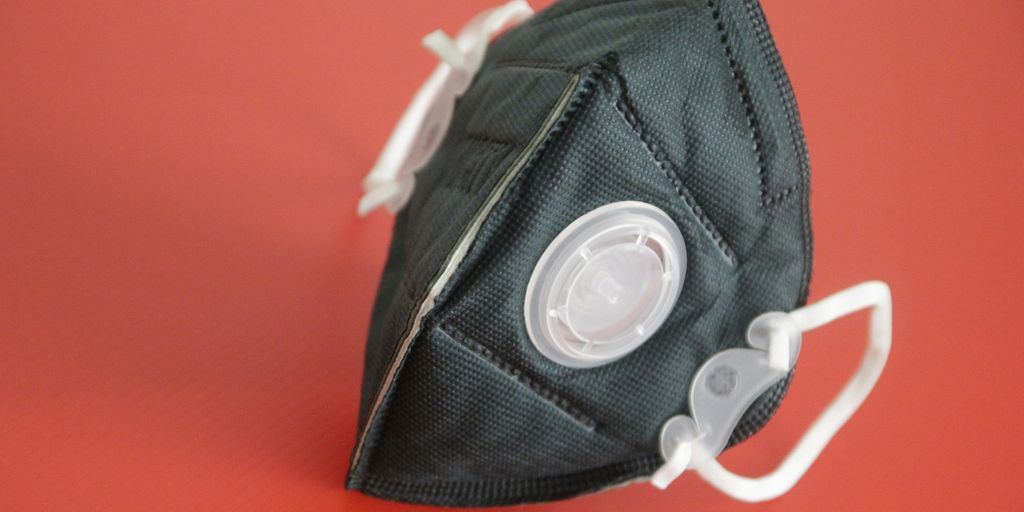
Key Health and Wellness Items
Okay, so you’re getting ready to hit the road, but this isn’t your average trip, right? We’re still dealing with COVID, so your packing list needs a serious upgrade. Think beyond just the usual suspects like pain relievers and bandages. You need to be prepared for anything. A well-stocked kit can make all the difference in your peace of mind.
First off, consider a small first aid kit. The CDC actually suggests traveling with one. It’s a good idea to have things like adhesive bandages, antiseptic wipes, and maybe even some blister pads. You never know when you’ll need them. Also, if you take any prescription meds, make sure you have more than enough to last the whole trip. It’s better to be over-prepared than to run out in a foreign country. Don’t forget things like allergy meds, anti-diarrheal medicine, and something for motion sickness if you’re prone to it.
It's also smart to pack some extras like aloe vera gel for sunburns, insect repellent, and sunscreen. Basically, anything that will help you stay healthy and comfortable while you're away from home.
Technology to Enhance Safety and Convenience
Tech can be your best friend when traveling during COVID. Think about it: contactless payments, digital boarding passes, and apps that show you real-time updates on travel advisories. It’s all about minimizing contact and staying informed. A good pair of noise-canceling headphones can also be a lifesaver on crowded planes or trains. They help you tune out the noise and reduce stress. Don’t forget a portable charger! You don’t want your phone dying when you need it most. Consider downloading apps for navigation, translation, and local news. These can be super helpful when you’re in unfamiliar territory. And if you’re staying in a hotel, check if they have a digital key system. It’s a great way to avoid touching key cards that other people have handled. Also, make sure you have a water purification filter or tablets, just in case you need to purify water on the go.
Emergency Contact Information and Documentation
This is super important, and it’s something people often overlook. Make sure you have a list of emergency contacts, including family members, your doctor, and your insurance company. Keep a copy of your health insurance card with you, and consider getting travel insurance that covers COVID-related expenses. It’s also a good idea to have a copy of your passport and other important documents stored separately from the originals. That way, if something gets lost or stolen, you’re not completely stranded. Carry a card with important contact information, including the address and phone number of your accommodations, as well as the Canadian Embassy in the country you’re visiting. It’s also smart to register with your country’s foreign affairs department so they can contact you in case of an emergency. Finally, make sure someone back home knows your itinerary and how to reach you. It’s all about being prepared and having a plan in place, just in case something goes wrong.
Post-Travel Health Considerations
Monitoring for Symptoms Upon Return
Okay, you’re back home. Time to relax, right? Not quite. The first couple of weeks after your trip are crucial for monitoring your health. Keep an eye out for any symptoms that could indicate you’ve picked up something during your travels. This includes the usual suspects like fever, cough, fatigue, and body aches, but also less common symptoms like loss of taste or smell, gastrointestinal issues, or skin rashes. Don’t just brush it off as travel fatigue; be vigilant and take your temperature regularly. If something feels off, it’s always better to err on the side of caution.
Understanding Local Quarantine Guidelines
Quarantine guidelines? Still a thing, unfortunately. Before you even pack your bags to come home, check the latest guidelines from your local health authorities. These rules can change quickly, and it’s your responsibility to know what’s expected of you. Some areas might require a period of self-isolation, especially if you’ve traveled from a region with a high infection rate. Ignoring these guidelines isn’t just irresponsible; it could have serious consequences for you and your community. Make sure you understand the Travel Health Notices and any specific requirements before you arrive.
It’s easy to get complacent after a trip, but understanding and following local quarantine guidelines is a must. These rules are in place to protect everyone, and your cooperation is essential. Don’t assume you’re in the clear just because you feel fine; asymptomatic transmission is still a real concern.
Seeking Medical Advice When Necessary
So, you’ve got a persistent cough, or maybe you’re just feeling generally unwell. What do you do? Don’t play doctor. If you’re experiencing symptoms that concern you, reach out to a healthcare professional. Explain your recent travel history and any potential exposures you might have had. Early diagnosis and treatment can make a huge difference, not only for your own health but also in preventing the spread of illness to others. It’s always better to be safe than sorry, so don’t hesitate to seek medical advice if you need it. Remember to check your travel insurance coverage before seeking medical attention, just in case.
Wrapping Things Up
So, there you have it. Getting ready for a trip these days means thinking a bit more about your health and safety. It’s not just about packing your favorite outfits anymore. Things like having extra masks, keeping your hands clean, and knowing what to expect at your destination can make a big difference. A little planning goes a long way to help you feel good and enjoy your travels, even with all the new stuff to consider. Stay safe out there!




Prosecutors Say Jason Finkelstein Spent 11 Seconds Reviewing Cardiac Images Before Clearing a Teenage Athlete

Prosecutors Say Jason Finkelstein Spent 11 Seconds Reviewing Cardiac Images Before Clearing a Teenage Athlete
Prosecutors Say Jason Finkelstein Spent 11 Seconds Reviewing Cardiac Images Before Clearing a Teenage Athlete
Prosecutors Say Jason Finkelstein Spent 11 Seconds Reviewing Cardiac Images Before Clearing a Teenage Athlete

Prosecutors Say Jason Finkelstein Spent 11 Seconds Reviewing Cardiac Images Before Clearing a Teenage Athlete
Prosecutors Say Jason Finkelstein Spent 11 Seconds Reviewing Cardiac Images Before Clearing a Teenage Athlete

Prosecutors Say Jason Finkelstein Spent 11 Seconds Reviewing Cardiac Images Before Clearing a Teenage Athlete
Prosecutors Say Jason Finkelstein Spent 11 Seconds Reviewing Cardiac Images Before Clearing a Teenage Athlete
Prosecutors Say Jason Finkelstein Spent 11 Seconds Reviewing Cardiac Images Before Clearing a Teenage Athlete

Prosecutors Say Jason Finkelstein Spent 11 Seconds Reviewing Cardiac Images Before Clearing a Teenage Athlete
Prosecutors Say Jason Finkelstein Spent 11 Seconds Reviewing Cardiac Images Before Clearing a Teenage Athlete
Prosecutors Say Jason Finkelstein Spent 11 Seconds Reviewing Cardiac Images Before Clearing a Teenage Athlete
Prosecutors Say Jason Finkelstein Spent 11 Seconds Reviewing Cardiac Images Before Clearing a Teenage Athlete

Prosecutors Say Jason Finkelstein Spent 11 Seconds Reviewing Cardiac Images Before Clearing a Teenage Athlete
Prosecutors Say Jason Finkelstein Spent 11 Seconds Reviewing Cardiac Images Before Clearing a Teenage Athlete

-
Alternative Energy4 days ago
Brian Rowan’s Possible Defense: No Intent, No Control, No Fraud, Just Sales
-
Alternative Energy4 days ago
Federal Grand Jury Indicts Oren Shachar in Hospice Fraud Case
-
Business3 days ago
How Darrell Seale Builds High-Performing Teams Through Service-Based Leadership
-
Education3 days ago
Daniel Cullen Delafield on Bridging Executive Leadership and Skilled Trades Development
-

 News1 day ago
Prosecutors Say Jason Finkelstein Spent 11 Seconds Reviewing Cardiac Images Before Clearing a Teenage Athlete
-
News1 day ago
Prosecutors Say Jason Finkelstein Spent 11 Seconds Reviewing Cardiac Images Before Clearing a Teenage Athlete
-
News1 day ago
Prosecutors Say Jason Finkelstein Spent 11 Seconds Reviewing Cardiac Images Before Clearing a Teenage Athlete
-
News1 day ago
Prosecutors Say Jason Finkelstein Spent 11 Seconds Reviewing Cardiac Images Before Clearing a Teenage Athlete