
Education
Your Guide to How to Create a Study Space at Home That Boosts Productivity


Want to get more out of your study sessions? It all starts with having a good spot to work. Setting up a dedicated area at home can really help you focus, cut down on distractions, and even make studying feel less like a chore. This guide will walk you through how to create a study space at home that actually helps you get things done, from picking the right corner to keeping it tidy and comfortable.
Key Takeaways
- Find a quiet spot that’s just for studying, away from everyday noise.
- Keep your study area neat and organized to help your brain stay clear.
- Use a comfy chair and set up your desk so you can sit properly.
- Make sure you have good lighting, both natural and artificial, and a comfortable room temperature.
- Add a few personal touches, like plants or pictures, to make the space feel good to be in.
Choosing the Right Location for Your Study Space
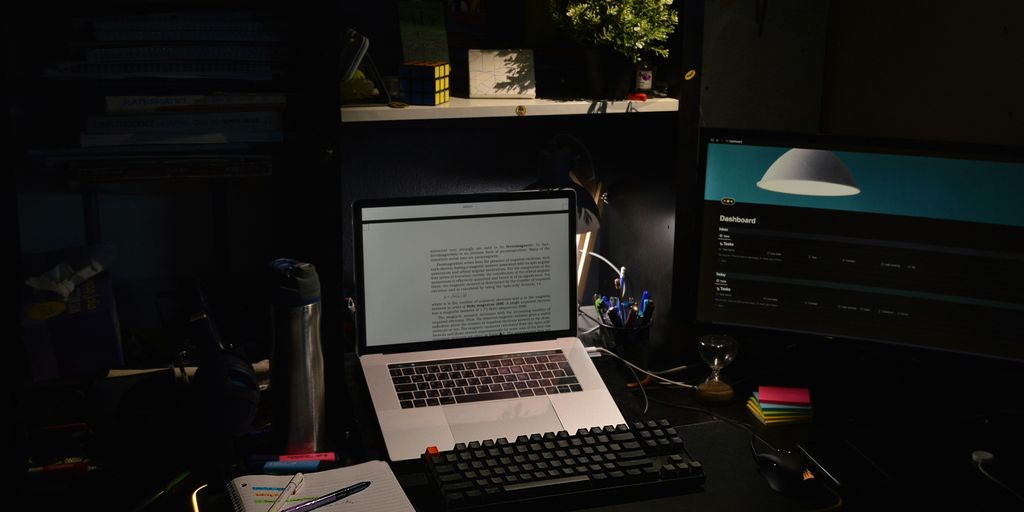
Where you decide to set up shop for studying can seriously impact how well you focus. Think about it – trying to concentrate with the TV blaring or people constantly walking by? Not ideal. Let’s break down how to pick the perfect spot.
Finding a Quiet Area
Seriously, peace and quiet are golden. The goal is to minimize interruptions as much as possible. If you’ve got a spare room, awesome. If not, maybe a corner of the living room that you can claim during study hours. Basements can work too, as long as they’re not damp and dungeon-like. The key is to find a place where you can actually hear yourself think. I used to try studying in the kitchen, but the lure of snacks and the constant chatter made it impossible. Now, I’ve got a little nook in the attic, and it’s a game-changer.
Minimizing Distractions
Okay, so you’ve found a quiet-ish spot. Now, let’s talk about distractions. This means turning off notifications on your phone (yes, all of them), telling your family you’re not to be disturbed (unless the house is on fire, of course), and maybe even investing in some noise-canceling headphones. Visual clutter is a big one too. Try to keep your desk clear of anything that isn’t directly related to what you’re studying. I know, easier said than done, but trust me, it helps. Think of it as creating a dedicated zone for learning.
Considering Natural Light
Natural light is a mood booster, plain and simple. If you can, set up your study space near a window. Studies have shown that natural light can improve focus and reduce eye strain. Plus, it just makes the space feel more inviting. If natural light isn’t an option, don’t despair. You can always use artificial lighting to mimic the effects. I’ve got a full-spectrum lamp on my desk, and it makes a surprisingly big difference, especially during those late-night study sessions. It’s all about creating a space where you actually want to be, and proper lighting is a big part of that.
Organizing Your Study Space for Efficiency
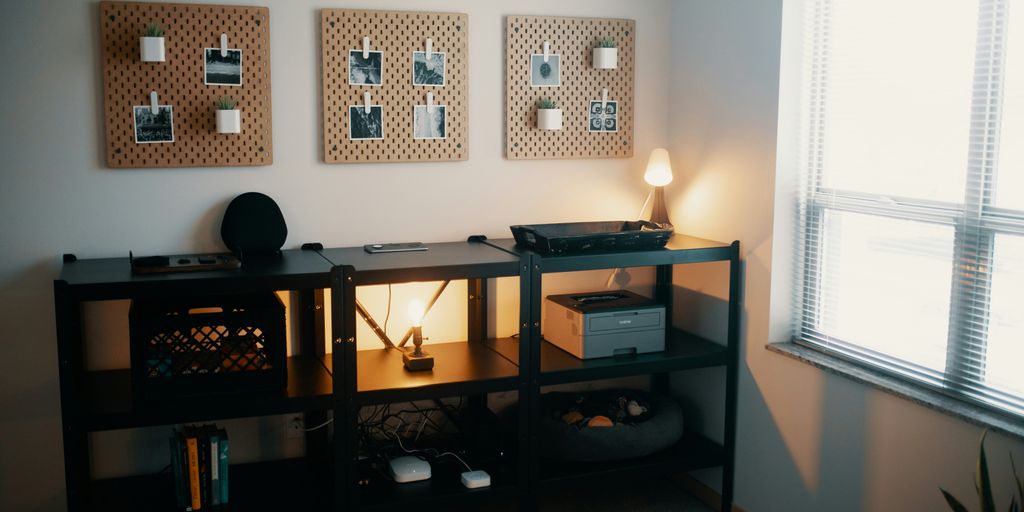
Once you’ve picked the perfect spot, it’s time to get organized. A messy space can really mess with your head, so let’s talk about how to keep things tidy and efficient. It’s not just about looking good; it’s about making it easier to actually study.
Decluttering Regularly
A clean workspace is a happy workspace. Seriously, though, think about it: when your desk is covered in old papers and random stuff, it’s hard to focus. I try to do a quick clean-up at the end of each study session. It only takes a few minutes, but it makes a huge difference. Get rid of anything you don’t need right now. Old notes? Toss ’em (or file them away). Empty coffee cups? Gone. You’ll be surprised how much clearer your head feels when your desk is clear. Make sure you have a dedicated space for everything.
Utilizing Storage Solutions
Okay, so you’ve decluttered, but where does all the stuff go? That’s where storage comes in. Think about what you need to keep close at hand and what can be stored away.
- Shelves: Great for books and binders.
- Drawers: Perfect for pens, highlighters, and other small supplies.
- Desk organizers: These are lifesavers for keeping your desk from becoming a black hole of random items.
I also like using clear plastic bins for things I don’t need every day. That way, I can see what’s inside without having to dig through everything. Don’t forget about vertical space! Wall-mounted shelves can really maximize your storage without taking up valuable desk area. Think about ergonomic muscles and how you can reach everything easily.
Digital Organization Strategies
It’s not just about physical clutter; digital clutter can be just as bad. How many of us have a desktop covered in random files? Yeah, me too. Here’s what I do:
- Folders: Create folders for each subject or project. It seems obvious, but it really helps.
- Cloud storage: Use Google Drive, Dropbox, or something similar to back up your files. That way, you won’t lose everything if your computer crashes.
- Naming conventions: Use consistent names for your files so you can easily find them later. Trust me, future you will thank you.
I also use a note-taking app like Evernote or OneNote to keep all my notes organized. It’s so much better than having a million different documents scattered around. Plus, you can access your notes from anywhere. Digital organization is just as important as natural light in your study space.
Essential Furniture and Ergonomics
Let’s be real, trying to cram for an exam while your back is screaming is a recipe for disaster. That’s where good furniture and ergonomics come in. It’s not just about looking fancy; it’s about setting yourself up for success (and avoiding those nasty aches and pains).
Selecting a Comfortable Chair
A good chair is probably the single most important investment you can make for your study space. Seriously, don’t skimp on this. Look for something with adjustable height, lumbar support, and maybe even some nice armrests. You want a chair that lets you sit for hours without feeling like you’ve been wrestling a bear. I personally love mesh chairs because they breathe well, but everyone’s different. Test a few out if you can!
Optimizing Desk Setup
Your desk setup can make or break your study session. Think about it: are you constantly reaching for things? Is your monitor at a weird angle? These little annoyances add up. Here’s a quick checklist:
- Monitor Height: The top of your screen should be at or slightly below eye level. This prevents neck strain. Consider a desktop riser if you’re using a laptop.
- Keyboard and Mouse Placement: Keep them close to your body so you’re not reaching. A keyboard tray can help with wrist positioning.
- Everything Within Reach: Keep pens, notebooks, and other essentials within easy reach. No more awkward stretching!
Ensuring Proper Posture
Good posture isn’t just about looking graceful; it’s about preventing long-term health problems. Here are a few tips to keep in mind:
- Sit Up Straight: Imagine a string pulling you up from the crown of your head. Avoid slouching!
- Feet Flat on the Floor: If your feet don’t reach the floor, use a footrest. This helps maintain proper alignment.
- Take Breaks: Get up and move around every 30-60 minutes. Stretch, walk around, or do some simple exercises. Your body will thank you.
Here’s a quick table summarizing ideal angles:
| Body Part | Angle |
|---|---|
| Elbows | 90 degrees |
| Knees | 90-110 degrees |
| Wrists | Straight |
Ignoring ergonomics is like ignoring the check engine light in your car – it might seem okay for a while, but eventually, things will break down. Invest in your comfort and well-being, and your study sessions will be much more productive (and less painful!).
Optimizing Lighting and Temperature
Let’s talk about getting the lighting and temperature just right in your study space. It’s easy to overlook, but trust me, it makes a huge difference. You want to be comfortable and alert, not squinting or shivering.
Harnessing Natural Light
Natural light is your best friend. Seriously, try to set up your desk near a window if you can. It’s a mood booster and can help reduce eye strain. Just watch out for glare! If the sun’s too intense, use blinds or curtains to diffuse the light. If you don’t have access to a lot of natural light, don’t worry, there are other options. You can also consider using daylight bulbs to mimic the effect of natural light indoors.
Choosing Appropriate Artificial Lighting
Okay, so natural light isn’t always an option, especially if you’re a night owl like me. In that case, good artificial lighting is key. A mix of ambient and task lighting usually works best. Get yourself a good desk lamp with adjustable brightness. LED bulbs are great because they’re bright and energy-efficient. Also, pay attention to the color temperature. Cooler light (think daylight) is good for staying alert, while warmer light is better for evening sessions when you don’t want to mess with your sleep. Avoid harsh overhead lighting if you can, it can cause glare and shadows. If you have to use overhead lights, try to balance it out with a floor lamp or some extra task lighting. Proper lighting reduces the risk of eye fatigue.
Maintaining Comfortable Room Temperature
Temperature is another big one. You don’t want to be too hot or too cold. If you’re constantly thinking about the temperature, it’s going to distract you. Here are a few things to keep in mind:
- Adjustable Thermostat: If you can, use a thermostat to control the temperature in your study area. If you share the space, a personal space heater or fan can be a lifesaver.
- Layering Clothes: Dress in layers so you can easily adjust to temperature changes.
- Ventilation: Good air circulation is important. Open a window or use a fan to keep the air fresh. Stagnant air can make you feel stuffy and uncomfortable. Maintaining proper humidity levels can also affect your comfort.
- Seasonal Adjustments: Be mindful of the seasons. You might need extra heating in the winter and fans or air conditioning in the summer. By managing the temperature and ventilation, you can create a comfortable environment that supports prolonged focus.
Personalizing Your Study Environment
Okay, so you’ve got the basics down – a quiet spot, a comfy chair, good lighting. But let’s be real, a truly productive study space needs to feel like yours. It’s about creating an environment where you actually want to spend time. Think of it as making your study area a reflection of your personality and goals. It’s not just about aesthetics; it’s about boosting your motivation and making those long study sessions a little more bearable.
Adding Motivational Decor
Surround yourself with things that inspire you. I’m not talking about clutter; I mean carefully chosen items that give you a mental boost. Think about it: staring at a blank wall for hours? No thanks. A few well-placed items can make a huge difference. Here are some ideas:
- Inspirational Quotes: Print out your favorite quotes and stick them on the wall or your bulletin board. Seeing them every day can be a great reminder of your goals.
- Vision Board: Create a visual representation of what you’re working towards. Include pictures, words, and anything else that motivates you. I find this especially helpful when I’m feeling uninspired.
- Color Psychology: Did you know that colors can affect your mood? Blue is calming and helps with concentration, while yellow can stimulate creativity. Choose colors that work for you. I personally love a pop of green to keep things fresh.
Incorporating Greenery
Plants aren’t just pretty; they’re actually good for you! Studies have shown that having plants around can reduce stress, improve air quality, and boost concentration. Plus, they just make a space feel more alive. I’m no plant expert, but even I can keep a few succulents alive. Here are some low-maintenance options:
- Succulents: These are super easy to care for and come in all sorts of shapes and sizes. Perfect for adding a touch of green without a lot of effort.
- Snake Plants: Another low-maintenance option that’s known for purifying the air. Plus, they look pretty cool.
- Pothos: These are great for hanging baskets or placing on a shelf. They’re also relatively easy to care for and can tolerate low light conditions.
Making the Space Inviting
Comfort is key! If your study space feels cold and sterile, you’re not going to want to spend much time there. Adding a few comfort items can make a big difference. Think about what makes you feel cozy and relaxed. Here are some ideas:
- Comfortable Seating: While you need an ergonomic chair, adding a soft cushion or throw blanket can make it even more inviting. I have a favorite blanket that I always drape over my chair when I’m studying.
- Essential Oil Diffuser: Scents like lavender, citrus, or peppermint can create a calming atmosphere that supports focus and relaxation. I love using a diffuser when I’m working on a particularly challenging task.
- Personal Touches: Add items that make you happy, like photos of loved ones, artwork, or souvenirs from your travels. These personal touches will make your study space feel more like home. Remember to minimize distractions to stay focused.
Maintaining a Productive Study Environment
Creating a study space is only half the battle. Keeping it productive takes work! It’s not a one-time thing; it’s about building habits and adapting as your needs change. Think of it like tending a garden – you can’t just plant it and forget about it.
Regular Cleaning Habits
A clean space is a clear mind. Seriously, clutter is the enemy of focus. I know it’s tempting to let things pile up, but taking just a few minutes each day to tidy up can make a huge difference. I try to do a quick sweep at the end of each study session. It’s amazing how much more motivated I feel when I sit down to a clean desk. Here’s a simple checklist:
- Clear off your desk surface.
- Put away books and notes.
- Wipe down surfaces.
- Throw away any trash.
Establishing a Routine
Having a routine is super important. It’s not just about when you study, but how you approach it. Try to study at the same time each day. This helps your brain get into study mode more easily. Also, plan your study sessions. I like to break mine down into smaller chunks with short breaks in between. It helps me stay focused and avoid burnout. Consider these elements for your routine:
- Consistent Study Times: Set specific hours each day for studying.
- Scheduled Breaks: Incorporate short breaks every hour to rest and recharge.
- Pre-Study Ritual: Develop a routine to signal the start of study time, like making tea or reviewing notes.
Adapting to Different Study Needs
What works today might not work tomorrow. Maybe you’re working on a group project and need a larger space, or perhaps you’re prepping for a big exam and need total silence. Be willing to adjust your study environment to fit the task at hand. That might mean moving to a different room, using noise-canceling headphones, or even just rearranging your desk. It’s all about finding what helps you minimize distractions and stay focused in the moment. Here are some examples of how to adapt:
- Group Study: Move to a larger area or library.
- Intense Focus: Use noise-canceling headphones or find a quiet corner.
- Creative Tasks: Add inspirational decor or change the lighting.
Wrapping It Up
So, there you have it. Setting up a good study space at home isn’t about making it look perfect or spending a ton of money. It’s really about making a spot that works for you, where you can actually get stuff done without a bunch of distractions. Think about what helps you focus, whether that’s a quiet corner, good light, or just having your pens organized. Even small changes can make a big difference in how well you study or work. Just start somewhere, try things out, and make it your own. You’ll be surprised how much better you feel and how much more you can accomplish when your space is set up right.




Prosecutors Say Jason Finkelstein Spent 11 Seconds Reviewing Cardiac Images Before Clearing a Teenage Athlete

Prosecutors Say Jason Finkelstein Spent 11 Seconds Reviewing Cardiac Images Before Clearing a Teenage Athlete
Prosecutors Say Jason Finkelstein Spent 11 Seconds Reviewing Cardiac Images Before Clearing a Teenage Athlete
Prosecutors Say Jason Finkelstein Spent 11 Seconds Reviewing Cardiac Images Before Clearing a Teenage Athlete

Prosecutors Say Jason Finkelstein Spent 11 Seconds Reviewing Cardiac Images Before Clearing a Teenage Athlete
Prosecutors Say Jason Finkelstein Spent 11 Seconds Reviewing Cardiac Images Before Clearing a Teenage Athlete

Prosecutors Say Jason Finkelstein Spent 11 Seconds Reviewing Cardiac Images Before Clearing a Teenage Athlete
Prosecutors Say Jason Finkelstein Spent 11 Seconds Reviewing Cardiac Images Before Clearing a Teenage Athlete
Prosecutors Say Jason Finkelstein Spent 11 Seconds Reviewing Cardiac Images Before Clearing a Teenage Athlete

Prosecutors Say Jason Finkelstein Spent 11 Seconds Reviewing Cardiac Images Before Clearing a Teenage Athlete
Prosecutors Say Jason Finkelstein Spent 11 Seconds Reviewing Cardiac Images Before Clearing a Teenage Athlete
Prosecutors Say Jason Finkelstein Spent 11 Seconds Reviewing Cardiac Images Before Clearing a Teenage Athlete
Prosecutors Say Jason Finkelstein Spent 11 Seconds Reviewing Cardiac Images Before Clearing a Teenage Athlete

Prosecutors Say Jason Finkelstein Spent 11 Seconds Reviewing Cardiac Images Before Clearing a Teenage Athlete
Prosecutors Say Jason Finkelstein Spent 11 Seconds Reviewing Cardiac Images Before Clearing a Teenage Athlete

-
Alternative Energy5 days ago
Brian Rowan’s Possible Defense: No Intent, No Control, No Fraud, Just Sales
-
Alternative Energy5 days ago
Federal Grand Jury Indicts Oren Shachar in Hospice Fraud Case
-
Business4 days ago
How Darrell Seale Builds High-Performing Teams Through Service-Based Leadership
-
Education4 days ago
Daniel Cullen Delafield on Bridging Executive Leadership and Skilled Trades Development
-

 News2 days ago
Prosecutors Say Jason Finkelstein Spent 11 Seconds Reviewing Cardiac Images Before Clearing a Teenage Athlete
-
News2 days ago
Prosecutors Say Jason Finkelstein Spent 11 Seconds Reviewing Cardiac Images Before Clearing a Teenage Athlete
-
News2 days ago
Prosecutors Say Jason Finkelstein Spent 11 Seconds Reviewing Cardiac Images Before Clearing a Teenage Athlete
-
News2 days ago
Prosecutors Say Jason Finkelstein Spent 11 Seconds Reviewing Cardiac Images Before Clearing a Teenage Athlete