
News
Your 2025 Guide: How to Get UK Citizenship


So, you’re thinking about how to get UK citizenship in 2025? It’s a big step, and honestly, the process can feel a bit overwhelming. Things change, rules get updated, and it’s easy to get lost in all the details. But don’t worry, we’re going to break it all down for you. This guide will help you understand what you need to do, what documents to gather, and how to make sure your application goes as smoothly as possible. Let’s get started!
Key Takeaways
- You’ll generally need to have lived in the UK for a certain period, usually five years, and hold Indefinite Leave to Remain (ILR) or Settled Status before you can apply.
- The UK government is putting more focus on ‘good character’ and economic contributions for applicants in 2025, so make sure your record is clean.
- Keeping good records of your time in the UK is super important. This includes travel dates and other proofs of residency.
- Passing the ‘Life in the UK’ test is a must for most people. It covers British culture, history, and laws.
- Gathering all your documents correctly and making sure they match up is a huge part of a successful application. Don’t rush this step.
Understanding the Core Requirements for UK Citizenship
So, you’re thinking about becoming a UK citizen? Awesome! It’s a big step, and it’s good to know what you’re getting into. The process can seem a little daunting at first, but breaking it down into smaller parts makes it way easier. Let’s look at the main things you’ll need to check off your list before you can start dreaming of crumpets and tea with the Queen (okay, maybe not the Queen).
Residency Period Guidelines
Okay, so how long do you actually need to hang around in the UK before you can apply? Generally, you’re looking at needing to be in the UK for at least 5 years before you can even think about applying. This is the standard residency requirement for most people applying for citizenship through naturalization. But it’s not just about the number of days you’ve been physically present. The Home Office is pretty strict about how they calculate this, so you’ll need to be careful. There are rules about how many days you can be out of the country during those 5 years, and we’ll get to that in a bit. If you’re married to a British citizen, the residency requirement is sometimes shorter – down to 3 years. But, of course, there are always catches, so make sure you check the specifics for your situation. lawful UK residency is a must.
Indefinite Leave to Remain and Settled Status
Think of Indefinite Leave to Remain (ILR) as your "permission to stay forever" card. You can’t apply for citizenship without it. You usually need to have held ILR for at least 12 months before you can apply for citizenship. Settled status is similar to ILR, granted to EU citizens after Brexit. Both basically mean you have the right to live in the UK permanently, and they’re a stepping stone to citizenship. So, if you don’t have ILR or settled status yet, that’s your first goal. Get that sorted before you even start thinking about the citizenship application form.
Navigating Absence from the UK
This is where things can get a little tricky. The UK government doesn’t want people just popping in and out of the country and then claiming citizenship. They want to see that you’ve actually made the UK your home. So, there are limits on how much time you can spend outside the UK during your qualifying residency period. The general rule is that you can’t have spent more than 450 days outside the UK during the 5 years before you apply. Also, you can’t have been absent for more than 90 days in the 12 months before you apply. If you’ve been traveling a lot, you’ll need to carefully calculate your absences to make sure you still meet the requirements. If you’re over the limit, it doesn’t automatically disqualify you, but it can make things more difficult, and the Home Office will want a good explanation for your absences.
Key Changes and Updates for 2025 Applicants
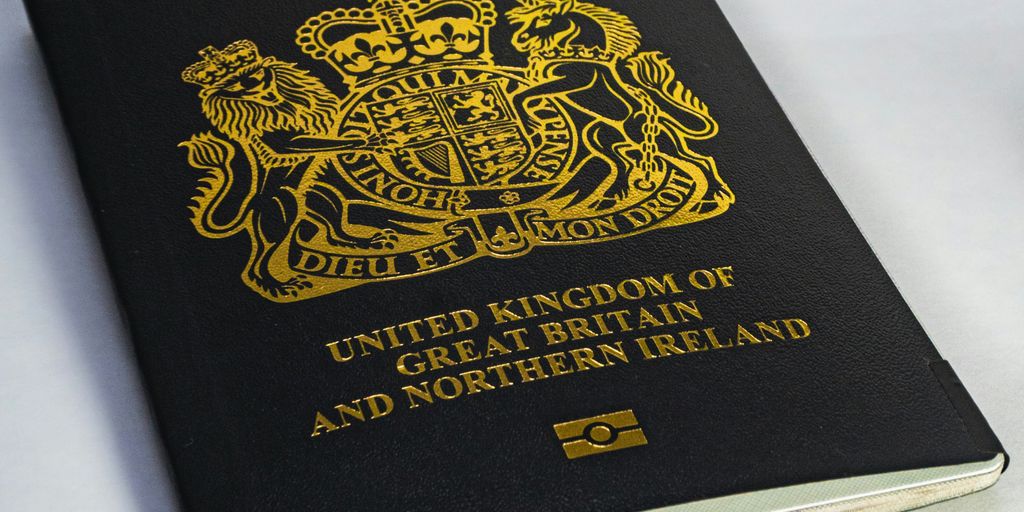
So, you’re thinking about becoming a UK citizen in 2025? Awesome! But heads up, things have shifted a bit. It’s not a complete overhaul, but there are definitely some tweaks you need to be aware of to make sure your application goes smoothly. Basically, the Home Office is paying closer attention to certain things, and the process is becoming more digital, which can be both good and bad. Let’s break it down.
Heightened Scrutiny on Good Character Assessments
Okay, so "good character" sounds pretty vague, right? Well, it’s becoming a bigger deal. They’re really digging into your past, and even minor stuff can cause problems. Think about it like this: that time you accidentally overstayed your visa by a few days? Yeah, that could actually matter now. They’re looking for any reason to say you’re not a responsible, law-abiding person. It’s not just about criminal records anymore; it’s about your entire history with UK immigration. You need to be squeaky clean, so be prepared to explain anything that looks even slightly off. The proposed changes are making it harder for some to move to the UK.
Digital Streamlining of the Application Process
Everything’s online now, which is supposed to make things easier. And in some ways, it does. You can upload documents from your couch, track your application’s progress, and get updates faster. But here’s the catch: it also means there’s less room for error. One wrong click, one incorrectly filled field, and your application could be delayed or even rejected. The system is less forgiving, so you really need to double-check everything before you submit it. It’s like they’ve made it easier to apply, but also easier to mess up. So, take your time, read the instructions carefully, and maybe even get a second pair of eyes to look over your application before you hit that submit button.
Emphasis on Economic Contribution and Integration
They’re really pushing the idea that new citizens should be contributing to the UK economy and integrating into society. This isn’t entirely new, but it’s definitely being emphasized more in 2025. What does this mean for you? Well, if you’ve been working and paying taxes, that’s great. If you’ve been involved in your community, even better. They want to see that you’re not just living in the UK, but that you’re actually part of it. So, gather any evidence you can to show your economic contributions and community involvement. Think about things like volunteer work, membership in local organizations, or even just letters from neighbors who can vouch for your integration. It’s all about showing that you’re a valuable addition to British society. Make sure you have proof of lawful residency to show your commitment.
Proving Your Residency and Eligibility
Getting UK citizenship means showing you meet certain requirements, and proving you’ve lived in the UK long enough is a big part of that. It’s not just about how many days you’ve been here, but also about the kind of life you’ve built. The Home Office will look closely at your documents to make sure everything checks out.
Calculating Your Time in the UK
First things first, you need to figure out exactly when you were in the UK. This means accounting for every trip you took outside the country. The amount of time you need to prove depends on your situation. If you’re married to a British citizen, it’s usually 3 years. If not, it’s typically 5 years. To help you figure this out, try making a list of all your trips outside the UK. Old calendars, emails, and even social media posts can help jog your memory. You can be out of the UK for up to 90 days in the year before you apply. If you were away for longer, you could delay applying. This would mean your absence is counted in the 3 or 5 years you’re using in your residence requirement.
Acceptable Documentation for Residency Proof
Okay, so you know how long you need to prove you’ve been here. Now, what documents do you need? Your current and old passports are key. The Home Office will want to see entry and exit stamps to match the dates you provide. If you’re an EU citizen, you might not have entry stamps, and that’s okay. You’ll just need other evidence. Here’s a list of documents that can help:
- Payslips and P60s
- Letters from employers or education providers with start and end dates
- Letters from benefits providers like the Department for Work and Pensions (DWP)
- Utility bills, council tax statements, bank statements, or tenancy agreements
Special Considerations for Refugees
If you’re a refugee, there might be some different rules or considerations. The Home Office understands that refugees may have gaps in their documentation or face unique challenges in proving their residency. It’s a good idea to seek legal advice to understand how your specific circumstances might affect your application. They can help you gather the right evidence and present your case in the best possible light. Remember to check if your English language test is still valid.
Mastering the Life in the UK Test
Okay, so you’re getting ready to apply for UK citizenship. That’s awesome! One of the big hurdles is the Life in the UK test. It’s not exactly a walk in the park, but with the right prep, you’ll be fine. It’s basically a test on British culture, history, and values. Think of it as your crash course in all things British. Let’s break down what you need to know.
What the Test Covers
The Life in the UK test covers a range of topics, from British history and culture to the political system and everyday life. You’ll need to know about important historical events, famous people, and the way the government works. It also touches on British values and principles. The official handbook is your bible for this test. Seriously, get it and study it. There are also tons of practice tests online, which can really help you get a feel for the types of questions they ask. Make sure you’re up to date with current events too, as some questions might relate to recent changes in the UK.
When to Take the Test
You can take the Life in the UK test anytime before you actually apply for citizenship. A lot of people choose to do it after they’ve got their Indefinite Leave to Remain (ILR) or settled status, just to get it out of the way. The test is valid for life, so once you pass, you don’t have to worry about it again. Just make sure you give yourself enough time to study beforehand. Don’t leave it to the last minute! Book your test well in advance, as slots can fill up quickly, especially in busy periods. You can book the test online through the official government website. It costs £50 each time you take it, so you want to pass the first time if you can.
Exemptions from the Test Requirement
Not everyone has to take the Life in the UK test. If you’re under 18 or over 65, you’re automatically exempt. Also, if you’ve already passed the test for a previous immigration application, like when you applied for ILR, you don’t need to take it again. There are also exemptions for people with certain medical conditions. If you have a physical or mental condition that makes it impossible for you to pass the test, you might be exempt. You’ll need to get a doctor to confirm that your condition is unlikely to change and that it prevents you from being able to pass the test. The Home Office has a specific form for your doctor to fill out, so make sure you get that from the GOV.UK website. If you’re aged 60 to 64 and can show you’re unlikely to pass the test before you turn 65, the Home Office might agree you don’t have to do the test. For example, if you’re receiving medical treatment for a serious illness.
Satisfying the Good Character Requirement
One of the most important parts of applying for UK citizenship is proving you’re of good character. The Home Office wants to make sure that anyone becoming a citizen respects the laws and values of the UK. It’s not just about having a clean criminal record; they look at the whole picture.
Defining Good Character in UK Immigration Law
So, what exactly does "good character" mean? Basically, it means showing you’re a law-abiding person who respects the rights and freedoms of the UK. The Home Office will check things like your criminal record, your financial history, and whether you’ve followed immigration rules in the past. They’re looking for evidence that you’re a responsible member of society. They’ll also consider things like whether you’ve paid your taxes and if you have any outstanding debts to the NHS. Even minor things, like points on your driving license, can be taken into account, so it’s best to be upfront about everything. You’ll also need to provide referees for your application.
Impact of Past Immigration Breaches
Even if you don’t have a criminal record, past immigration breaches can cause problems. This could include things like working without permission, overstaying a visa, or claiming public funds when you weren’t allowed to. The Home Office will look at the seriousness of the breach and how long ago it happened. If it was a minor mistake that happened a long time ago, it might not be a big deal. But if it was a serious breach or if it happened recently, it could hurt your chances of getting citizenship. It’s always best to be honest about any past immigration issues, even if you’re not proud of them. Trying to hide something will only make things worse.
Demonstrating Continuous Compliance
Showing you’re of good character isn’t just about avoiding problems; it’s also about showing you’ve been a responsible resident. Here are some things you can do to demonstrate this:
- Always follow the law. This might seem obvious, but it’s important to show you respect the legal system.
- Pay your taxes on time. This shows you’re a responsible member of society and that you contribute to the UK.
- Avoid getting into debt. Having a lot of debt can raise concerns about your financial stability.
- Volunteer or get involved in your community. This shows you’re committed to making a positive contribution to society. You can also show that you have settled status in the UK.
- Be honest in all your dealings with the Home Office. Trying to hide something will only hurt your application.
Basically, the Home Office wants to see that you’re a person who respects the law, contributes to society, and is committed to making the UK your home. If you can show them that, you’ll be well on your way to meeting the good character requirement.
Essential Documentation for Your Application
Okay, so you’re getting ready to apply for UK citizenship. Awesome! One of the most important parts is gathering all the right documents. The Home Office is super picky, and you want to make sure you have everything in order to avoid delays or, worse, a rejection. Let’s break down what you’ll need.
Identity Verification Documents
First up, you gotta prove who you are. Seems obvious, right? But it’s more than just saying your name. You’ll need official documents that clearly show your identity. This usually means your current passport. If you’ve had other passports during your time in the UK, it’s a good idea to include those too, especially if they have entry and exit stamps. Other acceptable documents can include your birth certificate or a driver’s license, but a passport is generally the strongest form of ID.
Proof of Lawful Residency and Immigration Status
This is where things get a little more involved. You need to show that you’ve been living in the UK legally for the required period. This means providing evidence of your immigration status at different points in time. Think of it as building a timeline of your legal presence in the UK. This could include:
- Visas you’ve held.
- Residence permits.
- Letters from the Home Office confirming your status.
- Evidence of indefinite leave to remain.
Basically, anything that proves you were allowed to be here, and that you followed the rules. Bank statements, tenancy agreements, and utility bills can also help support your claim of residency.
Evidence of Life in the UK Test Completion
Don’t forget about the Life in the UK test! You need to prove you passed it. This is usually in the form of an official letter or certificate that you received after passing the test. Make sure it’s the original or a certified copy – a screenshot probably won’t cut it. Keep this document safe, as you’ll definitely need it for your application. It shows you have a grasp of British culture and history.
Post-Application Procedures and Next Steps
So, you’ve submitted your application! What happens now? It can feel like a long waiting game, but here’s what to expect after you’ve sent everything in.
Traveling While Your Application is Pending
This is a tricky one. Ideally, you shouldn’t travel outside the UK while your application is being processed. If you absolutely must travel, be aware that it could complicate things. The Home Office might need you to be in the country for interviews or to provide additional information. If you do travel, keep copies of all your application documents with you, and be prepared to explain your situation to immigration officials when you re-enter the UK. It’s a risk, so weigh it carefully. You should also keep the Home Office updated with your travel plans if possible.
Arranging Your Citizenship Ceremony
If your application is successful (fingers crossed!), you’ll receive a letter inviting you to attend a citizenship ceremony. This is a formal event where you’ll pledge allegiance to the UK and receive your certificate of British Citizenship. It’s a pretty big deal! You usually have about three months from the date of the invitation to attend a ceremony. These ceremonies are arranged by your local council, so they’ll be in touch with details of dates and locations. It’s a celebratory occasion, so get ready to feel proud! Make sure you bring the required documents, which will be specified in your invitation letter. This is the final step in UK naturalisation.
Applying for a British Passport
Once you have your certificate of British Citizenship, you’re eligible to apply for a British passport. This is what allows you to travel internationally as a British citizen. You can apply online through the government website. You’ll need your citizenship certificate, a digital photo, and a credit or debit card to pay the fee. The application process is pretty straightforward, but make sure you follow the instructions carefully. Here’s a quick rundown of what you’ll need:
- Your British Citizenship certificate.
- A digital passport photo that meets the required specifications.
- Details of any previous passports you’ve held.
- Payment for the passport application fee.
It usually takes a few weeks to receive your passport after you apply, so plan accordingly if you have any upcoming travel plans.
Wrapping Things Up
So, there you have it. Getting UK citizenship in 2025 might seem like a lot, but it’s totally doable if you know what you’re getting into. The main thing is to be super careful with all your paperwork and make sure you meet every single rule. Don’t rush it, and if you’re ever unsure, it’s a good idea to get some help. This whole process is a big step, and with a bit of planning, you can definitely make it happen. Good luck with your application!




Prosecutors Say Jason Finkelstein Spent 11 Seconds Reviewing Cardiac Images Before Clearing a Teenage Athlete

Prosecutors Say Jason Finkelstein Spent 11 Seconds Reviewing Cardiac Images Before Clearing a Teenage Athlete
Prosecutors Say Jason Finkelstein Spent 11 Seconds Reviewing Cardiac Images Before Clearing a Teenage Athlete
Prosecutors Say Jason Finkelstein Spent 11 Seconds Reviewing Cardiac Images Before Clearing a Teenage Athlete

Prosecutors Say Jason Finkelstein Spent 11 Seconds Reviewing Cardiac Images Before Clearing a Teenage Athlete
Prosecutors Say Jason Finkelstein Spent 11 Seconds Reviewing Cardiac Images Before Clearing a Teenage Athlete

Prosecutors Say Jason Finkelstein Spent 11 Seconds Reviewing Cardiac Images Before Clearing a Teenage Athlete
Prosecutors Say Jason Finkelstein Spent 11 Seconds Reviewing Cardiac Images Before Clearing a Teenage Athlete
Prosecutors Say Jason Finkelstein Spent 11 Seconds Reviewing Cardiac Images Before Clearing a Teenage Athlete

Prosecutors Say Jason Finkelstein Spent 11 Seconds Reviewing Cardiac Images Before Clearing a Teenage Athlete
Prosecutors Say Jason Finkelstein Spent 11 Seconds Reviewing Cardiac Images Before Clearing a Teenage Athlete
Prosecutors Say Jason Finkelstein Spent 11 Seconds Reviewing Cardiac Images Before Clearing a Teenage Athlete
Prosecutors Say Jason Finkelstein Spent 11 Seconds Reviewing Cardiac Images Before Clearing a Teenage Athlete

Prosecutors Say Jason Finkelstein Spent 11 Seconds Reviewing Cardiac Images Before Clearing a Teenage Athlete
Prosecutors Say Jason Finkelstein Spent 11 Seconds Reviewing Cardiac Images Before Clearing a Teenage Athlete

-
Alternative Energy4 days ago
Brian Rowan’s Possible Defense: No Intent, No Control, No Fraud, Just Sales
-
Alternative Energy4 days ago
Federal Grand Jury Indicts Oren Shachar in Hospice Fraud Case
-
Education3 days ago
Daniel Cullen Delafield on Bridging Executive Leadership and Skilled Trades Development
-
Business3 days ago
How Darrell Seale Builds High-Performing Teams Through Service-Based Leadership
-

 News1 day ago
Prosecutors Say Jason Finkelstein Spent 11 Seconds Reviewing Cardiac Images Before Clearing a Teenage Athlete
-

 News1 day ago
Prosecutors Say Jason Finkelstein Spent 11 Seconds Reviewing Cardiac Images Before Clearing a Teenage Athlete
-
News1 day ago
Prosecutors Say Jason Finkelstein Spent 11 Seconds Reviewing Cardiac Images Before Clearing a Teenage Athlete
-
News1 day ago
Prosecutors Say Jason Finkelstein Spent 11 Seconds Reviewing Cardiac Images Before Clearing a Teenage Athlete