
Health & Fitness
Unpacking: What Vitamin Deficiency Causes Anxiety and Panic Attacks?


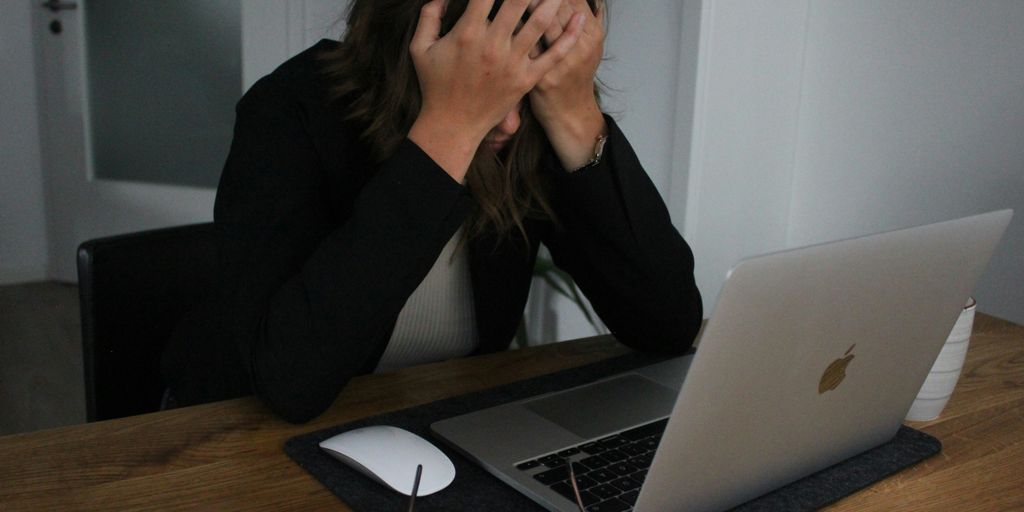
Anxiety and panic attacks are more common than ever, and a lot of people think they’re just in your head. But what if your body is actually trying to tell you something? It turns out, what vitamin deficiency causes anxiety and panic attacks is a real question. We’re going to look into how your physical health, especially what you eat and the nutrients you get, can really mess with your mood and even cause those scary panic attacks. It’s not just about stress from work or life; sometimes, it’s about what’s going on inside your body.
Key Takeaways
- Anxiety often has physical roots, not just mental ones, and can be linked to imbalances in the body.
- Hormones like cortisol, estrogen, progesterone, and thyroid hormones can really affect your anxiety levels.
- B vitamins are super important for brain chemicals that control your mood.
- Problems with methylation, a body process, can make you feel anxious.
- Eating well, getting enough of certain minerals like magnesium and zinc, and staying hydrated can help a lot with anxiety.
Understanding the Somatic Roots of Anxiety
It’s easy to think of anxiety as purely a mental thing, something that just happens in your head. But what if I told you that your body plays a much bigger role than you realize? It turns out, a lot of anxiety can stem from physical imbalances and disruptions. It’s not always about what’s going on in your life; sometimes, it’s about what’s going on inside your body. Let’s unpack this a bit.
Beyond Environmental Factors: Bodily Disruptions
We often attribute anxiety to things like stress at work, relationship problems, or just the general chaos of modern life. And yeah, those things definitely contribute. But there’s a growing understanding that many cases of anxiety have a strong somatic, or bodily, component. This means that things like hormonal imbalances, nutritional deficiencies, and even gut health issues can be major players in triggering and exacerbating anxiety symptoms. It’s like your body is sending out distress signals that manifest as anxiety. It’s important to consider that vitamin D and CRP interactions can affect anxiety.
The Pitfalls of Conventional Anxiety Treatments
When anxiety hits, a lot of people turn to the usual suspects: antidepressants and anti-anxiety meds. And while these can be helpful for some, they often don’t address the root cause, especially if that cause is physical. It’s like putting a bandage on a broken leg – it might cover up the problem, but it doesn’t actually fix it. Plus, these medications can come with a whole host of side effects that can make things even worse in the long run. It’s not to say that medication is never the answer, but it’s worth exploring other options, especially those that focus on addressing underlying bodily imbalances.
When Anxiety Becomes Overwhelming: Panic Attacks
Okay, so anxiety is one thing, but panic attacks? Those are a whole different beast. They can feel like you’re dying, with symptoms like a racing heart, shortness of breath, and intense fear. And while panic attacks can be triggered by psychological factors, they can also be a sign that something is seriously out of whack in your body. Think of it as your body’s alarm system going into overdrive. It’s crucial to understand that panic attacks aren’t just "in your head" – they’re a physical manifestation of intense anxiety, and they often require a more holistic approach to treatment that addresses both the mind and body. Here are some things to consider:
- Nutrient Deficiencies: Low levels of certain vitamins and minerals can contribute to panic attacks.
- Hormonal Imbalances: Fluctuations in hormones like cortisol and estrogen can trigger panic symptoms.
- Gut Health: An unhealthy gut can impact neurotransmitter production, potentially leading to panic attacks.
Hormonal Imbalances and Their Impact on Anxiety

It’s easy to think of anxiety as purely psychological, but what if I told you your hormones could be a major player? Turns out, those chemical messengers zipping around your body can have a huge impact on your mood and anxiety levels. It’s not just ‘in your head’ – it’s in your blood too!
Cortisol’s Role in Prolonged Stress and Anxiety
Cortisol, often dubbed the ‘stress hormone’, is released when you’re in fight-or-flight mode. A little bit is okay, it helps you react to immediate threats. But when stress becomes chronic, cortisol hangs around for too long, and that’s when the trouble starts. Prolonged cortisol release can mess with your metabolism, leading to irritability, fatigue, insomnia, and constant worry. It’s like your body is stuck in overdrive, and that can definitely trigger or worsen anxiety. Addressing this with an integrative approach is key.
Estrogen Dominance and Progesterone Deficiency
Did you know that women are more prone to anxiety than men? One reason might be hormonal imbalances, specifically estrogen dominance. This often goes hand-in-hand with a progesterone deficiency. Progesterone has a calming effect, working on the same brain receptors as some anti-anxiety meds. When stress is high, your body might ‘steal’ progesterone molecules to make more cortisol, further exacerbating the imbalance. It’s a vicious cycle!
Thyroid Dysfunction: A Hidden Cause of Anxiety
Your thyroid, that little butterfly-shaped gland in your neck, plays a big role in regulating your metabolism. When it’s not working properly (hypothyroidism), it can lead to anxiety. The mechanism is believed to be via the decreased activation of vitamin B2, which is essential for folic acid metabolism and directly affects neurotransmitter metabolism. It’s like your brain isn’t getting the fuel it needs to function properly. Addressing low thyroid function is crucial for resolving anxiety in these cases. Hashimoto’s thyroiditis, an autoimmune disease, is a common culprit, especially in women. Lifestyle changes and an integrative medical approach are often necessary to combat it.
The Critical Role of B Vitamins in Mood Regulation
B vitamins are super important for keeping our mood stable. I never really thought about it much, but they’re involved in so many processes in the brain. It’s not just one vitamin either; it’s a whole group working together. If you’re feeling down or anxious, it might be worth checking if you’re getting enough of these.
Vitamin B12 and Folate: Essential for Neurotransmitter Production
Okay, so B12 and folate (also known as B9) are big players when it comes to making neurotransmitters. These neurotransmitters, like serotonin, dopamine, and norepinephrine, are basically the chemical messengers that regulate our mood. If you’re low on B12 or folate, your brain might not be able to produce enough of these feel-good chemicals. This can lead to increased risk of depression. I’ve heard that deficiencies are more common than people think, especially in older adults or people with certain dietary restrictions. Making sure you get enough through diet or supplements is key. For example, a study showed that higher intake of folate was associated with a lower risk of depression.
Vitamin B6: Key for Serotonin and Dopamine Synthesis
Vitamin B6 is another crucial one. It acts like a helper molecule, assisting in the creation of both serotonin and dopamine. Serotonin helps regulate mood, sleep, and appetite, while dopamine is linked to pleasure, motivation, and reward. Without enough B6, your body might struggle to produce these neurotransmitters effectively. I’ve read that B6 deficiencies can sometimes manifest as irritability, anxiety, and even depression. It’s found in a variety of foods, so a balanced diet is usually enough to keep your levels up. If you’re not eating a varied diet, you might want to consider a supplement. It’s good to check your stock market volatility to see if you can afford it.
Vitamin B1: Fueling Brain Cell Energy
Vitamin B1, also known as thiamine, is essential for converting glucose into energy that brain cells can use. Think of it as the fuel that keeps your brain running smoothly. When you’re deficient in B1, your brain cells don’t get enough energy, which can lead to fatigue, confusion, and even mood changes. I remember reading that severe B1 deficiency can cause a condition called Wernicke-Korsakoff syndrome, which affects memory and cognitive function. While that’s a more extreme case, even mild deficiencies can impact your mood and energy levels. So, making sure you get enough B1 is important for overall brain health and mood regulation.
Methylation Imbalance: A Pathway to Anxiety
Methylation, a vital biochemical process, is like the body’s master switch, controlling everything from DNA repair to neurotransmitter production. When this process goes awry, it can open the door to a host of problems, including anxiety. Think of it as a finely tuned engine; if one part isn’t working right, the whole system sputters. A methylation imbalance can directly impact the production and regulation of key neurotransmitters like serotonin, dopamine, and norepinephrine, all of which play a huge role in mood regulation.
Nutritional Deficiencies Affecting Methylation
What you eat (or don’t eat) can significantly impact your methylation process. Several nutrients are essential for proper methylation, and deficiencies in these can throw the whole system off balance. We’re talking about:
- B Vitamins: Folate (B9), B12, and B6 are critical players. They act as cofactors, helping enzymes perform their methylation duties. Without enough of these, methylation slows down.
- Magnesium: This mineral is involved in countless enzymatic reactions, including those involved in methylation. A deficiency can hinder the process.
- Zinc: Another essential mineral that supports enzyme function and overall methylation health.
Heavy Metal Toxicity and Methylation Dysfunction
Heavy metals, like mercury, lead, and aluminum, can wreak havoc on methylation. They interfere with the enzymes involved in the process, essentially gumming up the works. The body then has to work overtime to detoxify these metals, further straining the methylation system. It’s a vicious cycle. Addressing heavy metal toxicity is often a key step in restoring balance.
Alcohol and Birth Control Pills as Methylation Thieves
Certain substances can deplete the nutrients needed for methylation, effectively "stealing" them from the process. Alcohol is a big one; it requires a lot of B vitamins to metabolize, leaving less available for methylation. Birth control pills can also interfere with B vitamin absorption and utilization, potentially leading to methylation issues. It’s like robbing Peter to pay Paul; you might get a temporary fix, but you’re creating a bigger problem down the road. It’s important to consider these factors when trying to figure out what vitamin deficiency causes anxiety and panic attacks.
Dietary Interventions for Anxiety and Panic Attacks
What you put on your plate can seriously affect your mental state. It’s not just about physical health; your diet plays a huge role in how your brain functions and how you handle stress. Let’s explore some dietary changes that might help ease anxiety and panic attacks.
The Anti-Inflammatory Diet for Mental Well-being
Chronic inflammation is increasingly being recognized as a factor in mental health conditions. An anti-inflammatory diet aims to reduce this inflammation, potentially improving mood and reducing anxiety. This means loading up on foods that fight inflammation and cutting back on those that promote it. Think of it as fueling your body with the right kind of building blocks.
- Focus on omega-3 fatty acids from fish and plant sources.
- Eat plenty of colorful fruits and vegetables rich in antioxidants.
- Use spices like turmeric, ginger, and cinnamon.
- Limit refined carbohydrates, processed meats, and trans fats.
Omega-3 Fatty Acids: Brain Health Powerhouses
Omega-3s are essential fats that your brain loves. They’re crucial for brain function and can help reduce inflammation. If you’re not getting enough through your diet, consider supplements. You can find more information about supplements for anxiety relief online.
- Include fatty fish like salmon, mackerel, and sardines in your diet.
- Add flaxseeds, chia seeds, and walnuts to your meals.
- Consider an omega-3 supplement if you don’t eat fish regularly.
The Gut-Brain Connection: A New Frontier in Anxiety Treatment
Your gut and brain are more connected than you might think. The gut-brain axis is a communication network that influences mood, anxiety, and even cognitive function. Taking care of your gut health can have a positive impact on your mental well-being. A healthy gut can lead to a healthier mind.
- Eat prebiotic-rich foods like garlic, onions, and bananas to feed beneficial gut bacteria.
- Consume probiotic-rich foods like yogurt, kefir, and sauerkraut to introduce good bacteria to your gut.
- Limit processed foods, sugar, and artificial sweeteners, which can disrupt the gut microbiome.
Key Nutrients to Combat What Vitamin Deficiency Causes Anxiety and Panic Attacks
Magnesium: The Calming Mineral
Magnesium is like the chill pill of the mineral world. It plays a big role in nerve function and helps regulate neurotransmitters, which can calm the nervous system. Many people don’t get enough magnesium, and this deficiency can contribute to anxiety symptoms. I’ve been trying to add more magnesium-rich foods to my diet, like leafy greens and nuts. It’s not a miracle cure, but it seems to take the edge off.
Zinc: Supporting Neurotransmitter Balance
Zinc is another important mineral that’s involved in neurotransmitter function. It helps regulate GABA, which is a neurotransmitter that has a calming effect. A zinc deficiency can mess with this balance and potentially worsen anxiety. I’ve read that zinc can also help with focus and concentration, which is a bonus. I’m thinking of adding a supplement, but I want to talk to my doctor first.
Vitamin D: More Than Just Bone Health
Vitamin D is usually associated with bone health, but it also plays a role in brain function and mood regulation. Some studies have linked low vitamin D levels to increased anxiety and depression. It’s hard to get enough vitamin D from food alone, especially during the winter months. I’ve started taking a vitamin D supplement and trying to get more sunlight when I can. It’s worth noting that the relationship between vitamin D and anxiety is complex, and more research is needed. But making sure I get enough seems like a good idea, especially since I know I’m often deficient.
Lifestyle Adjustments for Reducing Anxiety Symptoms
Hydration: Often Overlooked in Anxiety Management
It’s easy to forget, but staying hydrated is super important for overall health, and that includes mental well-being. Dehydration can actually mimic or worsen anxiety symptoms. Even mild dehydration can lead to fatigue, irritability, and difficulty concentrating, all of which can fuel anxiety.
- A study showed that even slight dehydration (around 1.5%) can mess with your alertness and make you feel tired and confused.
- Aim for about 8-10 cups of water a day. It sounds like a lot, but it makes a difference.
- Try to limit caffeine and alcohol, since they can dehydrate you.
Mindful Eating and Its Impact on Mood
How you eat can be just as important as what you eat. Mindful eating is about paying attention to your food, savoring each bite, and noticing how your body feels. It’s not just another diet; it’s a way to connect with your food and reduce stress. Practicing mindful eating can help you become more aware of your body’s hunger and fullness cues, preventing overeating and promoting a sense of calm.
- Reduce distractions while eating. Turn off the TV and put away your phone.
- Chew your food slowly and deliberately.
- Pay attention to the taste, texture, and smell of your food.
Limiting Caffeine and Alcohol for Anxiety Relief
Caffeine and alcohol can both have a big impact on anxiety levels. While that morning coffee might seem essential, it can actually make anxiety worse for some people. Similarly, alcohol might seem like a good way to relax, but it can lead to rebound anxiety and sleep disturbances. Cutting back on these substances can significantly reduce anxiety symptoms.
- Caffeine can stimulate the nervous system, leading to increased heart rate, restlessness, and anxiety.
- Alcohol can disrupt sleep patterns and lead to increased anxiety as it wears off.
- Try gradually reducing your intake of caffeine and alcohol to see how it affects your anxiety levels.
Conclusion
So, what’s the big takeaway here? It’s pretty clear that anxiety isn’t just some ‘all in your head’ thing. A lot of times, there are real, physical reasons for it. When we start to understand how our body’s systems, like our metabolism and hormones, can get out of whack and cause anxiety, we open up new ways to feel better. This means we might not always need to jump straight to long-term meds or therapy. Getting to the root cause of these body issues can often bring about some really good results. It’s all about looking at the whole picture, not just the symptoms.




Prosecutors Say Jason Finkelstein Spent 11 Seconds Reviewing Cardiac Images Before Clearing a Teenage Athlete

Prosecutors Say Jason Finkelstein Spent 11 Seconds Reviewing Cardiac Images Before Clearing a Teenage Athlete
Prosecutors Say Jason Finkelstein Spent 11 Seconds Reviewing Cardiac Images Before Clearing a Teenage Athlete
Prosecutors Say Jason Finkelstein Spent 11 Seconds Reviewing Cardiac Images Before Clearing a Teenage Athlete

Prosecutors Say Jason Finkelstein Spent 11 Seconds Reviewing Cardiac Images Before Clearing a Teenage Athlete
Prosecutors Say Jason Finkelstein Spent 11 Seconds Reviewing Cardiac Images Before Clearing a Teenage Athlete

Prosecutors Say Jason Finkelstein Spent 11 Seconds Reviewing Cardiac Images Before Clearing a Teenage Athlete
Prosecutors Say Jason Finkelstein Spent 11 Seconds Reviewing Cardiac Images Before Clearing a Teenage Athlete
Prosecutors Say Jason Finkelstein Spent 11 Seconds Reviewing Cardiac Images Before Clearing a Teenage Athlete

Prosecutors Say Jason Finkelstein Spent 11 Seconds Reviewing Cardiac Images Before Clearing a Teenage Athlete
Prosecutors Say Jason Finkelstein Spent 11 Seconds Reviewing Cardiac Images Before Clearing a Teenage Athlete
Prosecutors Say Jason Finkelstein Spent 11 Seconds Reviewing Cardiac Images Before Clearing a Teenage Athlete
Prosecutors Say Jason Finkelstein Spent 11 Seconds Reviewing Cardiac Images Before Clearing a Teenage Athlete

Prosecutors Say Jason Finkelstein Spent 11 Seconds Reviewing Cardiac Images Before Clearing a Teenage Athlete
Prosecutors Say Jason Finkelstein Spent 11 Seconds Reviewing Cardiac Images Before Clearing a Teenage Athlete

-
Alternative Energy5 days ago
Brian Rowan’s Possible Defense: No Intent, No Control, No Fraud, Just Sales
-
Alternative Energy5 days ago
Federal Grand Jury Indicts Oren Shachar in Hospice Fraud Case
-
Business4 days ago
How Darrell Seale Builds High-Performing Teams Through Service-Based Leadership
-
Education4 days ago
Daniel Cullen Delafield on Bridging Executive Leadership and Skilled Trades Development
-

 News2 days ago
Prosecutors Say Jason Finkelstein Spent 11 Seconds Reviewing Cardiac Images Before Clearing a Teenage Athlete
-
News2 days ago
Prosecutors Say Jason Finkelstein Spent 11 Seconds Reviewing Cardiac Images Before Clearing a Teenage Athlete
-
News2 days ago
Prosecutors Say Jason Finkelstein Spent 11 Seconds Reviewing Cardiac Images Before Clearing a Teenage Athlete
-
News2 days ago
Prosecutors Say Jason Finkelstein Spent 11 Seconds Reviewing Cardiac Images Before Clearing a Teenage Athlete