
Health & Fitness
Is 1,000 Calories a Day to Lose Weight a Safe and Effective Strategy?


So, you’re thinking about trying a 1,000 calories a day to lose weight plan? It sounds like a fast track, right? Just cut way back and watch the pounds disappear. But before you jump in, it’s really important to look at what this kind of diet actually means for your body, if it even works, and if it’s safe. We’re going to break down the whole idea of eating so little, what could happen, and better ways to reach your weight goals without messing up your health.
Key Takeaways
- A 1,000 calorie diet is a very low-calorie plan that can lead to quick weight loss, but it’s often hard to stick with.
- Eating so few calories can cause your body to slow down its metabolism, making it tougher to lose weight over time and increasing the chance of gaining it back.
- You might not get enough important nutrients on a 1,000 calorie diet, which can lead to health problems.
- Everyone’s calorie needs are different, and for most adults, 1,000 calories isn’t enough to keep their body working right.
- For lasting weight loss, it’s better to focus on healthy habits, eat nutrient-rich foods, and lose weight at a steady, slower pace.
Understanding the 1,000 Calorie Diet
Defining a 1,000 Calorie Diet
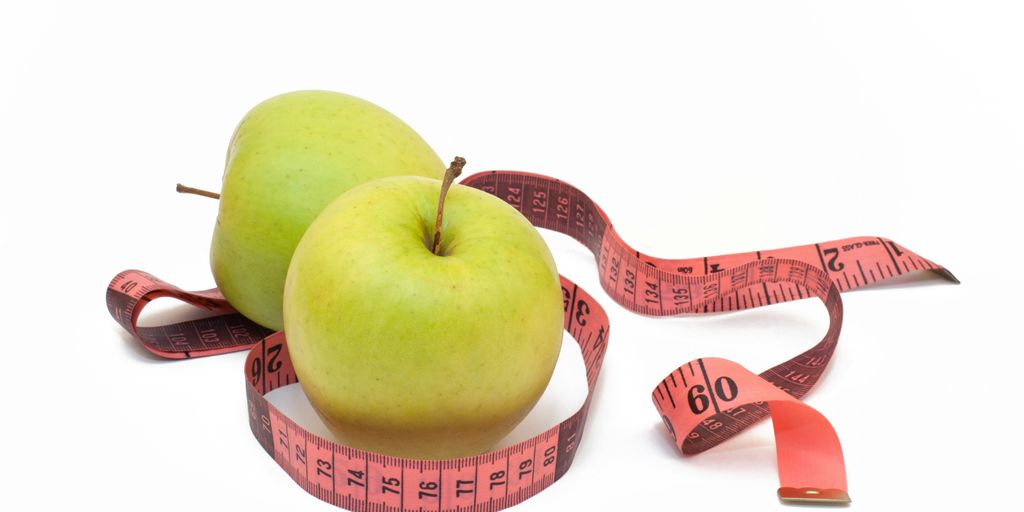
A 1,000 calorie diet is an eating plan where you drastically reduce your daily calorie intake to just 1,000 calories. This is significantly lower than what most adults need to maintain basic bodily functions. It’s considered a very low-calorie diet (VLCD), and it’s important to understand what that entails. It usually involves carefully selected foods to try and maximize nutrient intake while staying within the strict calorie limit. It’s not just about eating less; it’s about eating very strategically less.
Why People Consider a 1,000 Calorie Diet
People often turn to such restrictive diets when they want to lose weight quickly. Maybe they have an event coming up, or they’re feeling desperate to see results. The appeal is understandable – a large calorie deficit will lead to weight loss, at least initially. Other reasons might include:
- Feeling like they’ve tried everything else and nothing has worked.
- Misunderstanding of how weight loss actually works.
- Influence from fad diets or social media trends.
However, it’s important to consider the potential downsides before jumping into something so extreme.
Short-Term Versus Long-Term Use
While a 1,000 calorie diet might seem like a quick fix, it’s generally not recommended for long-term use. Here’s why:
- Short-term: Can lead to rapid weight loss, but often unsustainable.
- Long-term: Increases the risk of nutrient deficiencies, metabolic slowdown, and other health problems. A 1,000-calorie meal plan can be dangerous.
Think of it like this: it’s a sprint, not a marathon. Your body can probably handle it for a short period, but it’s not designed to function optimally on such limited fuel for an extended time. It’s crucial to consider the long-term implications for your health and well-being.
Effectiveness of a 1,000 Calorie Diet for Weight Loss

Calorie Deficit and Weight Loss
Okay, so the basic idea behind any weight loss plan is creating a calorie deficit – burning more calories than you eat. A 1,000 calorie diet? Yeah, that’s gonna create a pretty big deficit for most people. I mean, the average adult needs way more than that just to keep their body running. So, in theory, it should lead to weight loss. But, like, is it the right way to do it? That’s the real question.
Initial Weight Loss Potential
Let’s be real, you’ll probably see results fast. When you cut your calories that drastically, your body is gonna freak out and start shedding pounds. It’s not all gonna be fat, though. You’ll lose water weight and maybe even some muscle, which isn’t ideal. But yeah, the scale will probably go down, at least at first. One study showed that people on a 1,000 calorie diet lost more weight initially than those on a 1,500 calorie diet. But keep reading…
Challenges with Sustained Weight Loss
Here’s the thing: keeping that weight off is the tricky part. Your body is smart. When you starve it, it adapts. Your metabolism slows down to conserve energy, making it harder to lose weight in the long run. Plus, you’re probably gonna be hungry all the time, which makes sticking to the diet super difficult. And guess what happens when you finally give in and start eating more? Your body, still in starvation mode, will store those extra calories as fat, leading to weight regain. It’s a vicious cycle. It’s also worth noting that people often experience significant weight regain after such a restrictive diet.
Here’s a quick rundown of why it’s hard to keep the weight off:
- Metabolic slowdown: Your body burns fewer calories.
- Increased appetite: You’re constantly hungry.
- Muscle loss: Muscle burns more calories than fat, so losing muscle makes it harder to lose weight.
- Weight regain: Your body stores fat more easily after starvation.
Risks and Dangers of a 1,000 Calorie Diet
Nutrient Deficiencies and Health Impacts
Cutting your calorie intake down to 1,000 a day can lead to some serious problems. You’re just not getting enough of the good stuff your body needs to function properly. Think vitamins, minerals, and all those other essential nutrients.
- Fatigue and Weakness: You’ll probably feel tired all the time. Your body is running on empty, and that makes everyday tasks feel like a marathon.
- Hair Loss: Not getting enough nutrients can cause your hair to thin or fall out. It’s like your body is saying, "I’ve got bigger problems to worry about than keeping your hair looking good."
- Compromised Immunity: A lack of nutrients weakens your immune system, making you more likely to get sick. Catching every bug that goes around is no fun.
Metabolic Slowdown and Adaptation
When you drastically cut calories, your body thinks it’s starving. So, it slows down your metabolism to conserve energy. This is bad news because it makes it harder to lose weight in the long run. It’s like your body is fighting against you. This is why it’s important to understand your calorie needs before starting any diet.
- Reduced Resting Metabolic Rate (RMR): Your body burns fewer calories at rest, making it harder to lose weight.
- Muscle Loss: Your body starts breaking down muscle for energy, which further slows down your metabolism. Less muscle means fewer calories burned.
- Hormonal Imbalances: Restricting calories can mess with your hormones, affecting everything from your mood to your reproductive system.
The Risk of Weight Regain
Even if you do lose weight on a 1,000 calorie diet, keeping it off is a whole other story. Because your metabolism has slowed down and you haven’t learned healthy eating habits, you’re likely to regain the weight as soon as you start eating more normally. It’s a frustrating cycle that many people experience. It’s important to develop healthy habits for long-term success.
- Yo-Yo Dieting: This cycle of losing and regaining weight can be harmful to your health, increasing your risk of heart disease and other problems.
- Unrealistic and Unsustainable: A 1,000 calorie diet is hard to stick to, and it doesn’t teach you how to eat healthily in the long run.
- Psychological Effects: The constant restriction and deprivation can lead to feelings of guilt, shame, and failure, making it harder to maintain a healthy relationship with food.
Individual Calorie Needs and Considerations
Factors Influencing Daily Calorie Requirements
Okay, so you’re thinking about calories. But here’s the thing: everyone’s different! What works for your friend might be a disaster for you. A bunch of things play a role in how many calories you actually need each day. Think of it like this: a tiny, super-active person needs way different fuel than a taller, less active one. Age is a big deal, too. Kids and teenagers who are still growing need more calories than older adults. And, of course, activity level is huge. Someone who’s training for a marathon is going to burn way more calories than someone who sits at a desk all day. Even your body composition matters – more muscle means you burn more calories at rest. It’s a whole complex equation!
Average Calorie Needs for Adults
So, what’s "average" anyway? Well, generally speaking, adult women need around 1,600 to 2,400 calories a day to maintain their weight, while men need about 2,000 to 3,000. But remember, that’s just a ballpark! It really depends on all those factors we just talked about. Here’s a super general breakdown:
| Age | Women (Calories) | Men (Calories) |
|---|---|---|
| 19-30 | 1,800-2,400 | 2,400-3,000 |
| 31-50 | 1,800-2,200 | 2,200-3,000 |
| 51+ | 1,600-2,200 | 2,000-2,800 |
Keep in mind that these are just estimates. If you’re pregnant or breastfeeding, you’ll need significantly more calories. And if you have certain health conditions, that can also change your calorie needs. If you want to get a more personalized idea of your calorie needs, there are a lot of calorie calculators online that can help.
Why 1,000 Calories is Often Insufficient
Okay, let’s get real. 1,000 calories is usually not enough for most adults. It’s a very restrictive diet, and it can be hard to get all the nutrients you need on so few calories. Think about it: your body needs fuel to function. It needs energy for everything from breathing to thinking to moving. When you drastically cut your calories, your body goes into survival mode. It starts slowing down your metabolism to conserve energy. This can actually make it harder to lose weight in the long run. Plus, you’re more likely to experience side effects like fatigue, dizziness, and muscle loss. It’s just not a sustainable or healthy way to lose weight for most people. If you’re considering a very low-calorie diet, it’s super important to talk to your doctor or a registered dietitian first. They can help you figure out a safe and effective weight loss plan that’s right for you.
Nutritional Guidance for a Low-Calorie Approach
Prioritizing Nutrient-Dense Foods
When you’re cutting calories, it’s super important to make every bite count. You can’t just eat anything and expect to feel good or get the nutrients you need. Focus on foods that pack a lot of vitamins, minerals, and fiber into a small number of calories. Think of it as getting the most bang for your caloric buck. It’s about making smart choices so you don’t end up feeling hungry and deprived all the time. This approach helps minimize the risk of nutrient deficiencies while keeping you satisfied.
Foods to Include for Essential Nutrients
Okay, so what should you be eating? Load up on non-starchy vegetables. Seriously, these are your best friends. Think leafy greens, broccoli, cauliflower, bell peppers – the more colorful, the better. They’re low in calories and high in fiber, which helps you feel full. Lean protein is also key. Chicken breast, fish, beans, and lentils are all great options. They help preserve muscle mass, which is important for your metabolism. Don’t forget about healthy fats! A little avocado, nuts, or olive oil can go a long way in keeping you satisfied and providing essential fatty acids. Here’s a quick list to get you started:
- Leafy greens (spinach, kale, lettuce)
- Lean proteins (chicken, fish, tofu)
- Non-starchy vegetables (broccoli, cauliflower, peppers)
- Healthy fats (avocado, nuts, olive oil)
Foods to Avoid on a Restrictive Diet
Alright, let’s talk about what to avoid. Processed foods are a big no-no. They’re often high in calories, unhealthy fats, and added sugars, but low in nutrients. Sugary drinks are another trap. They provide empty calories without any nutritional value. Refined grains, like white bread and pasta, can also lead to blood sugar spikes and crashes, which can make you feel hungry and irritable. Basically, anything that’s heavily processed or loaded with sugar should be limited or avoided altogether. It’s about making room for the good stuff that will actually nourish your body. If you are on a very low-calorie diet, it’s even more important to avoid these foods.
Achieving Safe and Sustainable Weight Loss
Developing Healthy Habits for Long-Term Success
Okay, so you’re thinking about weight loss. Forget quick fixes! The real key is building habits that stick around. It’s not about starving yourself for a week; it’s about changing how you live, day in and day out. Think small changes, not massive overhauls. For example, instead of cutting out all carbs, try swapping white bread for whole wheat. It’s those little things that add up over time. And remember, it’s okay to slip up! Just get back on track with your next meal or workout.
The Importance of Gradual Weight Loss
Slow and steady wins the race, right? That’s totally true for weight loss. Aiming to lose, like, a pound or two a week is way better than trying to drop ten pounds in seven days. Why? Because gradual weight loss is more likely to be fat loss, not just water weight or even muscle. Plus, it gives your body time to adjust, which can help prevent that dreaded metabolic slowdown. And honestly, it’s just easier to stick with a plan when you’re not feeling deprived and miserable all the time. Think of it as a marathon, not a sprint. You can even use a fat burner for women to help you reach your goals.
Beyond Calorie Counting: A Holistic Approach
Okay, so calories matter, but they’re not the only thing that matters. It’s about nourishing your body, not just restricting it. Here’s the deal:
- Focus on whole foods: Think fruits, veggies, lean protein, and whole grains. These foods are packed with nutrients and fiber, which will keep you feeling full and satisfied.
- Pay attention to your body: Are you really hungry, or are you just bored or stressed? Learning to listen to your body’s cues can make a huge difference.
- Manage stress: Stress can lead to overeating and weight gain. Find healthy ways to cope, like exercise, meditation, or spending time with loved ones.
- Get enough sleep: Sleep deprivation can mess with your hormones and increase your cravings for unhealthy foods. Aim for 7-9 hours of quality sleep each night.
Basically, it’s about creating a lifestyle that supports your health and well-being, not just focusing on the number on the scale. It’s about feeling good, inside and out. And that’s something worth striving for!
Conclusion
So, is a 1,000-calorie-a-day diet the way to go for losing weight? Probably not for most people. While you might see some quick results at first, it’s really hard to stick with, and a lot of folks end up gaining the weight back, sometimes even more. Plus, it can be pretty rough on your body in the long run. The best bet for losing weight and keeping it off seems to be making small, healthy changes you can actually live with every day. Think slow and steady wins the race here, not a crash diet.




Prosecutors Say Jason Finkelstein Spent 11 Seconds Reviewing Cardiac Images Before Clearing a Teenage Athlete

Prosecutors Say Jason Finkelstein Spent 11 Seconds Reviewing Cardiac Images Before Clearing a Teenage Athlete
Prosecutors Say Jason Finkelstein Spent 11 Seconds Reviewing Cardiac Images Before Clearing a Teenage Athlete
Prosecutors Say Jason Finkelstein Spent 11 Seconds Reviewing Cardiac Images Before Clearing a Teenage Athlete

Prosecutors Say Jason Finkelstein Spent 11 Seconds Reviewing Cardiac Images Before Clearing a Teenage Athlete
Prosecutors Say Jason Finkelstein Spent 11 Seconds Reviewing Cardiac Images Before Clearing a Teenage Athlete

Prosecutors Say Jason Finkelstein Spent 11 Seconds Reviewing Cardiac Images Before Clearing a Teenage Athlete
Prosecutors Say Jason Finkelstein Spent 11 Seconds Reviewing Cardiac Images Before Clearing a Teenage Athlete
Prosecutors Say Jason Finkelstein Spent 11 Seconds Reviewing Cardiac Images Before Clearing a Teenage Athlete

Prosecutors Say Jason Finkelstein Spent 11 Seconds Reviewing Cardiac Images Before Clearing a Teenage Athlete
Prosecutors Say Jason Finkelstein Spent 11 Seconds Reviewing Cardiac Images Before Clearing a Teenage Athlete
Prosecutors Say Jason Finkelstein Spent 11 Seconds Reviewing Cardiac Images Before Clearing a Teenage Athlete
Prosecutors Say Jason Finkelstein Spent 11 Seconds Reviewing Cardiac Images Before Clearing a Teenage Athlete

Prosecutors Say Jason Finkelstein Spent 11 Seconds Reviewing Cardiac Images Before Clearing a Teenage Athlete
Prosecutors Say Jason Finkelstein Spent 11 Seconds Reviewing Cardiac Images Before Clearing a Teenage Athlete

-
Alternative Energy5 days ago
Brian Rowan’s Possible Defense: No Intent, No Control, No Fraud, Just Sales
-
Alternative Energy5 days ago
Federal Grand Jury Indicts Oren Shachar in Hospice Fraud Case
-
Business4 days ago
How Darrell Seale Builds High-Performing Teams Through Service-Based Leadership
-
Education4 days ago
Daniel Cullen Delafield on Bridging Executive Leadership and Skilled Trades Development
-

 News2 days ago
Prosecutors Say Jason Finkelstein Spent 11 Seconds Reviewing Cardiac Images Before Clearing a Teenage Athlete
-
News2 days ago
Prosecutors Say Jason Finkelstein Spent 11 Seconds Reviewing Cardiac Images Before Clearing a Teenage Athlete
-
News2 days ago
Prosecutors Say Jason Finkelstein Spent 11 Seconds Reviewing Cardiac Images Before Clearing a Teenage Athlete
-
News2 days ago
Prosecutors Say Jason Finkelstein Spent 11 Seconds Reviewing Cardiac Images Before Clearing a Teenage Athlete