
Weather
Understanding the 8 to 14 Day Outlook: What It Means for Your Weather


Ever wonder what the weather will be like more than a few days from now? Like, will it rain next week for your outdoor plans, or should you expect a cold snap? That’s where the 8 to 14 day outlook comes in. It’s not a super precise forecast, but it gives you a heads-up on general weather trends. This article will help you understand what these longer-range outlooks mean, how they’re put together, and how you can use them to get ready for what’s coming.
Key Takeaways
- The 8 to 14 day outlook gives you a general idea of temperature and precipitation trends, not exact daily forecasts.
- These outlooks use fancy computer models and lots of data from systems like the North American Ensemble Forecast System (NAEFS).
- You’ll often see terms like ‘above normal’ or ‘below normal’ for temperature and rainfall, which means compared to the usual weather for that time of year.
- While helpful for planning, remember that longer-range forecasts have more uncertainty because weather is always changing.
- You can find these outlooks on official weather websites, and they’re updated regularly, so check back often for the latest information.
Decoding the 8 to 14 Day Outlook
Understanding Temperature Anomaly Forecasts
Okay, so let’s break down these temperature anomaly forecasts. Basically, they’re telling us how much warmer or colder the temperature is expected to be compared to what’s normal for that time of year. These forecasts use data from the North American Ensemble Forecast System (NAEFS) to predict temperature anomalies over a broad area. It’s not about predicting the exact temperature on a specific day, but rather the general trend over a longer period. Think of it like this: instead of saying it’ll be 75°F on July 15th, it’s saying the temperature that week will likely be above average. You can also view temperature climatology charts to get a better sense of what’s normal.
Probabilistic Forecasts Explained
These forecasts aren’t giving you a definite answer; they’re giving you probabilities. Instead of saying it will be warmer than average, they’re saying there’s a 60% chance it will be. This is because weather forecasting is complex, and there’s always some uncertainty involved. The higher the probability, the more confident the forecasters are in that outcome. Here’s a quick rundown:
- High Probability (60-100%): A fairly confident prediction.
- Moderate Probability (40-60%): The likely outcome, but other possibilities exist.
- Low Probability (0-40%): Less confidence in this outcome.
Understanding these probabilities helps you make informed decisions, even when the forecast isn’t 100% certain. It’s all about assessing risk and planning accordingly. For example, if there’s a 70% chance of above-average temperatures, you might want to start thinking about ways to stay cool.
The Role of Ensemble Forecasting
Ensemble forecasting is a key part of creating these outlooks. Instead of running one forecast model, they run many slightly different versions. Each version starts with slightly different initial conditions, reflecting the uncertainty in our current weather observations. The results from all these different model runs are then combined to create a probabilistic forecast. This approach helps to account for the inherent uncertainties in weather forecasting and provides a more robust and reliable outlook. The NAEFS system is a great example of this in action. It’s like getting multiple opinions before making a decision – the more opinions you have, the better informed you’ll be.
The Science Behind the 8 to 14 Day Outlook
North American Ensemble Forecast System (NAEFS)
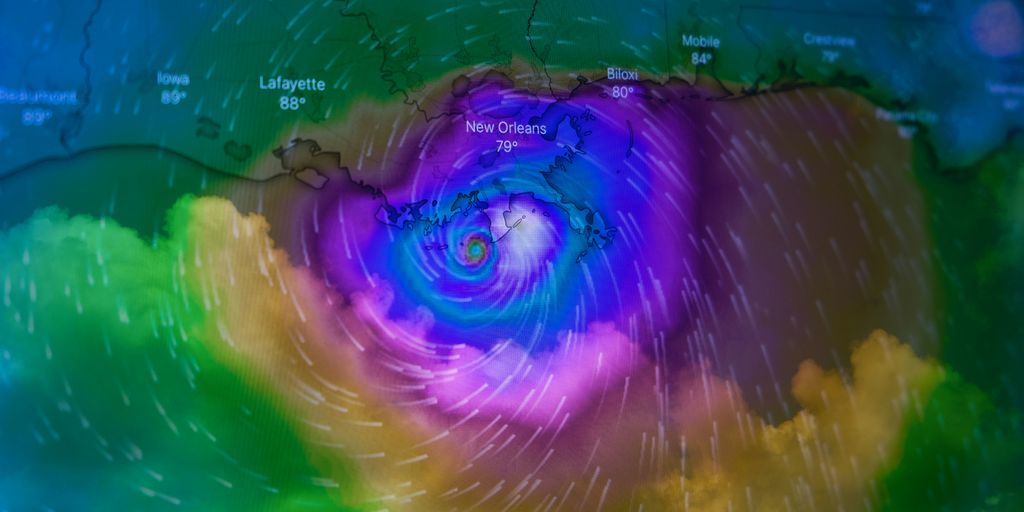
The North American Ensemble Forecast System, or NAEFS, is a big part of how these longer-range forecasts are made. Basically, it’s a collaboration between weather agencies in the US, Canada, and Mexico. Instead of running just one forecast model, NAEFS runs a bunch of them – an ensemble. This helps account for uncertainty. The NAEFS database is used to produce temperature anomaly probabilistic forecasts.
Global and Regional Forecast Models
It’s not just one model doing all the work. Forecasters use a bunch of different models, some that look at the whole globe and others that zoom in on specific regions. Global models give the big picture, showing how weather systems are interacting across continents. Regional models then add detail, accounting for local features like mountains or coastlines that can really mess with the weather. These forecast models are essential for predicting weather patterns.
Analyzing Forecast Probabilities
Okay, so the models spit out a ton of data. How do forecasters turn that into something useful? They look at probabilities. Instead of saying it will rain, they might say there’s a 60% chance of rain. This is way more helpful because it gives you an idea of the uncertainty involved. They also look at things like how often a model has been right in the past (its bias) and try to correct for that. Understanding these probabilities is key to interpreting the 8 to 14 day outlook.
Interpreting Your 8 to 14 Day Outlook
Above, Near, and Below Normal Categories
Okay, so you’re staring at your 8 to 14 day outlook and see these categories: Above Normal, Near Normal, and Below Normal. What do they even mean? Basically, these are predictions about whether temperatures will be higher, about the same, or lower than what’s usually expected for that time of year. It’s not saying it’ll be hot or cold, just hotter or colder relative to the average. Think of it as a comparison to the typical weather patterns. For example, "Above Normal" in January might still mean freezing temperatures, just not as freezing as usual.
Temperature Climatology Charts
To really understand what "Above Normal" or "Below Normal" means for your area, you gotta check out the temperature climatology charts. These charts show the average temperatures for a specific location over a long period. They give you a baseline to compare the forecast against. So, if the 8-14 day outlook says "Above Normal" and the climatology chart shows the average high for that period is 75°F, you can expect highs to be above 75°F. These temperature climatology charts are super helpful for putting the forecast into context.
Visualizing Probabilistic Charts
Probabilistic charts can look a little intimidating at first, but they’re not so bad once you get the hang of them. Instead of giving you a single prediction, they show the probability of each category (Above, Near, Below Normal) occurring. The charts often use color shading to indicate the likelihood. Darker colors usually mean a higher probability. So, if you see a chart with dark red shading over your area, it means there’s a high chance of "Above Normal" temperatures. These charts are enhanced to clearly indicate 50% and more probabilities to have above, near or below normal temperature anomaly. It’s all about understanding the chances of different outcomes, not just a single prediction. This is especially useful for planning, because you can see the range of possibilities and prepare accordingly. For example, if there’s a 40% chance of above normal temps and a 30% chance of below normal, you know things are pretty uncertain, and you should be ready for anything. Understanding NAEFS Coverage is also important.
Practical Applications of the 8 to 14 Day Outlook
The 8 to 14 day outlook isn’t just some abstract weather prediction; it’s a tool with real-world uses. It can help you plan, prepare, and make informed decisions across various aspects of life. Let’s look at some specific examples.
Planning for Future Weather Events
Think of the 8 to 14 day outlook as your heads-up display for potential weather-related disruptions. It gives you a window to prepare for things like heat waves, cold snaps, or even potential flooding. If the outlook suggests a higher than normal chance of extreme heat, you can start thinking about things like:
- Scheduling outdoor activities for cooler parts of the day.
- Ensuring your AC is working properly.
- Stocking up on water and other essentials.
Similarly, if a cold snap is predicted, you can prepare your home, check your heating system, and make sure you have adequate supplies to stay warm. It’s all about being proactive, and this outlook helps you do that. A simple framework can help you analyze the data.
Agricultural and Business Implications
For farmers, the 8 to 14 day outlook can be a game-changer. Knowing whether to expect above or below normal temperatures and precipitation can influence decisions about:
- Planting schedules.
- Irrigation needs.
- Harvest timing.
For example, if the outlook suggests a dry spell, farmers might adjust their irrigation plans to conserve water. Businesses, too, can use this information. Retailers might stock up on seasonal items based on the predicted weather. Construction companies can plan around potential rain or snow days. It’s all about minimizing risk and maximizing efficiency.
Understanding Long-Range Trends
While the 8 to 14 day outlook isn’t a crystal ball, it can provide clues about longer-term weather trends. By consistently monitoring these outlooks, you can start to see patterns emerge. Are certain areas consistently experiencing above normal temperatures? Is there a trend towards wetter or drier conditions? This information can be valuable for:
- Long-term planning.
- Resource management.
- Making informed decisions about investments and other long-term commitments.
It’s about seeing the bigger picture and using the available data to make smarter choices. It’s not perfect, but it’s a valuable tool in understanding the weather’s potential impact on your life and work.
Limitations of the 8 to 14 Day Outlook
Forecast Calibration and Bias
Okay, so the 8 to 14 day outlook is pretty cool, but it’s not perfect. One thing to keep in mind is forecast calibration. Basically, are the probabilities the model spits out actually matching what happens? Sometimes, models can be biased, meaning they consistently overestimate or underestimate the chance of something happening. This is why it’s important to not take the probabilities as gospel. They’re a guide, not a guarantee. For example, if a model says there’s a 60% chance of above-average temperatures, it might actually only happen 50% of the time. Understanding this bias is key to using the outlook effectively.
Inherent Uncertainties in Long-Range Forecasting
Let’s be real, predicting the weather more than a week out is tough. There are just so many things that can change! The atmosphere is a chaotic system, and small errors in the initial conditions can grow rapidly over time. Think of it like this: a tiny change in temperature in the Pacific Ocean today could throw off the whole forecast two weeks from now. That’s why long-range forecasts always have more uncertainty than short-range ones. It’s just the nature of the beast. Here’s a few things that add to the uncertainty:
- Limited data: We don’t have perfect measurements of everything happening in the atmosphere.
- Model limitations: Even the best models are simplifications of reality.
- Unpredictable events: Unexpected things like volcanic eruptions can throw everything off.
The Dynamic Nature of Weather Systems
Weather systems are constantly evolving. A high-pressure system that’s supposed to stick around might suddenly move, or a storm could develop out of nowhere. This dynamic nature makes it hard to pin down exactly what will happen more than a week in advance. The 8 to 14 day outlook gives you a general idea, but things can change quickly. It’s like trying to predict where a leaf will land in a stream – you can guess, but there are so many factors at play that it’s hard to be precise. Keep an eye on shorter-range forecasts as the time gets closer; they’ll give you a more accurate picture. Remember to check global and regional forecast models for more information.
Accessing Your 8 to 14 Day Outlook
Official Sources for Forecast Data
Okay, so you want to get your hands on the 8 to 14 day outlook? Makes sense! The first thing you need to know is where to find reliable information. Don’t just trust any old weather app. For the most accurate forecasts, stick to official sources. The National Weather Service (NWS) and NOAA are your best bets in the US. These agencies use complex models and tons of data to generate their forecasts. You can usually find their outlooks on their websites or through their official apps. Also, many reputable news outlets use NWS data, so those can be good sources too, just make sure they’re presenting the data responsibly. For example, you can find temperature anomaly forecasts on this NOAA website.
Understanding Issued Times and Updates
Weather forecasts aren’t set in stone, especially when you’re looking at a range that’s over a week out. These outlooks are constantly being updated as new data comes in. Pay attention to when the forecast was issued. A forecast from yesterday might already be outdated! Typically, the 8 to 14 day outlook is updated twice a day. Keep an eye out for the timestamp on the forecast to make sure you’re looking at the latest information. Here’s a quick rundown:
- Check the issue time.
- Look for updates.
- Understand that forecasts evolve.
Navigating Forecast Coverage Areas
Another thing to keep in mind is the area that the forecast covers. A national outlook is great for getting a general idea, but it might not be super helpful for your specific location. Look for forecasts that are tailored to your region or even your city. Many weather websites let you zoom in on a map to see the outlook for your area. Also, be aware that mountainous regions or coastal areas can have very localized weather patterns that might not be reflected in a broader forecast. So, if you live in one of those areas, pay extra attention to local forecasts. You can also use weather shortcuts to get to the information you need faster.
Beyond the 8 to 14 Day Outlook
Connecting to Seasonal Forecasts
So, you’ve been checking the 8 to 14 day outlook, and now you’re wondering what’s next? Well, that’s where seasonal forecasts come in. Think of them as the big picture view. They give you a general idea of what to expect over the next few months, instead of just a couple of weeks. It’s like zooming out on the weather map. For example, if the 8 to 14 day outlook shows a warming trend, the seasonal forecast might tell you if that’s likely to continue into summer or if it’s just a short blip. You can find seasonal forecasts from official sources like the Climate Prediction Center.
Exploring Extended Forecast Products
Beyond the 8-14 day outlook, there’s a whole world of extended forecast products out there. These forecasts try to predict weather patterns even further out – sometimes weeks or even months in advance. Now, it’s important to remember that the further out you go, the less accurate these forecasts tend to be. But they can still be useful for long-term planning. Here’s a few things you might find in extended forecasts:
- General temperature trends (above, below, or near normal)
- Precipitation outlooks (wetter or drier than average)
- Potential for major weather systems (though specifics are usually vague)
Keep in mind that these are just probabilities, not guarantees. Always check multiple sources and be prepared for surprises. Also, remember that extended forecasts are updated regularly, so stay tuned for the latest information.
Utilizing Weather Shortcuts for Information
Okay, so you’re swamped and don’t have time to wade through all the weather data? I get it. That’s where weather shortcuts come in handy. These are quick ways to get the information you need without spending hours on it. Here are some examples:
- Weather Apps: Most smartphones have built-in weather apps that give you a snapshot of current conditions and short-term forecasts.
- Social Media: Follow your local news stations or weather experts on social media for quick updates and alerts.
- Weather Websites: Many weather websites have simplified interfaces that highlight the most important information.
These shortcuts won’t give you the full picture, but they can be a great way to stay informed when you’re short on time. Plus, many sites offer weather shortcuts directly on their pages for easy access.
Wrapping It Up: Your Weather Outlook
So, there you have it. The 8 to 14 day weather outlook isn’t some crystal ball, but it’s pretty darn useful. Think of it as a heads-up, a general idea of what’s coming. It helps you get ready, whether that means planning a trip or just figuring out what kind of clothes you’ll need. It’s not perfect, and things can change, but knowing the big picture can save you a lot of trouble. Keep an eye on those updates, and you’ll be pretty well set for whatever the weather decides to do.




Prosecutors Say Jason Finkelstein Spent 11 Seconds Reviewing Cardiac Images Before Clearing a Teenage Athlete

Prosecutors Say Jason Finkelstein Spent 11 Seconds Reviewing Cardiac Images Before Clearing a Teenage Athlete
Prosecutors Say Jason Finkelstein Spent 11 Seconds Reviewing Cardiac Images Before Clearing a Teenage Athlete
Prosecutors Say Jason Finkelstein Spent 11 Seconds Reviewing Cardiac Images Before Clearing a Teenage Athlete

Prosecutors Say Jason Finkelstein Spent 11 Seconds Reviewing Cardiac Images Before Clearing a Teenage Athlete
Prosecutors Say Jason Finkelstein Spent 11 Seconds Reviewing Cardiac Images Before Clearing a Teenage Athlete

Prosecutors Say Jason Finkelstein Spent 11 Seconds Reviewing Cardiac Images Before Clearing a Teenage Athlete
Prosecutors Say Jason Finkelstein Spent 11 Seconds Reviewing Cardiac Images Before Clearing a Teenage Athlete
Prosecutors Say Jason Finkelstein Spent 11 Seconds Reviewing Cardiac Images Before Clearing a Teenage Athlete

Prosecutors Say Jason Finkelstein Spent 11 Seconds Reviewing Cardiac Images Before Clearing a Teenage Athlete
Prosecutors Say Jason Finkelstein Spent 11 Seconds Reviewing Cardiac Images Before Clearing a Teenage Athlete
Prosecutors Say Jason Finkelstein Spent 11 Seconds Reviewing Cardiac Images Before Clearing a Teenage Athlete
Prosecutors Say Jason Finkelstein Spent 11 Seconds Reviewing Cardiac Images Before Clearing a Teenage Athlete

Prosecutors Say Jason Finkelstein Spent 11 Seconds Reviewing Cardiac Images Before Clearing a Teenage Athlete
Prosecutors Say Jason Finkelstein Spent 11 Seconds Reviewing Cardiac Images Before Clearing a Teenage Athlete

-
Alternative Energy5 days ago
Brian Rowan’s Possible Defense: No Intent, No Control, No Fraud, Just Sales
-
Alternative Energy5 days ago
Federal Grand Jury Indicts Oren Shachar in Hospice Fraud Case
-
Business4 days ago
How Darrell Seale Builds High-Performing Teams Through Service-Based Leadership
-
Education4 days ago
Daniel Cullen Delafield on Bridging Executive Leadership and Skilled Trades Development
-

 News2 days ago
Prosecutors Say Jason Finkelstein Spent 11 Seconds Reviewing Cardiac Images Before Clearing a Teenage Athlete
-
News2 days ago
Prosecutors Say Jason Finkelstein Spent 11 Seconds Reviewing Cardiac Images Before Clearing a Teenage Athlete
-
News2 days ago
Prosecutors Say Jason Finkelstein Spent 11 Seconds Reviewing Cardiac Images Before Clearing a Teenage Athlete
-
News2 days ago
Prosecutors Say Jason Finkelstein Spent 11 Seconds Reviewing Cardiac Images Before Clearing a Teenage Athlete