
Climate Change
Understanding Climate Change: A Spanish Perspective on Global Impacts


Climate change is a big deal, and Spain is right in the middle of it. This article looks at how people in Spain see climate change, how it’s hitting them, and what’s being done about it. We’ll check out everything from personal experiences with wild weather to the money side of things and what big banks are doing to help. It’s all about understanding the climate change spanish situation.
Key Takeaways
- A huge number of people in Spain, like 95% of them, think it’s important for the country to get ready for climate change. About two-thirds (66%) even say it should be a top priority.
- Most people (88%) agree that spending money on climate change adaptation now will save a lot more money later on, avoiding bigger costs down the road.
- Almost 9 out of 10 Spanish folks (89%) have personally dealt with extreme weather in the last five years, things like super hot days, dry spells, fires, or floods.
- A lot of people in Spain (78%) realize they’ll need to change how they live because of climate change. And a good chunk (40%) even think they might have to move to a safer place.
- When it comes to who pays for climate change adaptation, 40% of Spanish people believe everyone should chip in equally. Also, 65% think Spain should help other countries that are more at risk.
Spanish Perspectives on Climate Change Urgency
High Awareness of Climate Change Spanish Impacts
Spaniards are really starting to feel the heat, literally and figuratively, when it comes to climate change. A huge percentage see it as a major problem for the country. It’s not just some abstract, far-off threat; people are connecting the dots between what’s happening around them and the bigger climate picture. The recent blackout across Spain and Portugal highlighted the fragility of centralized energy systems, emphasizing the urgent need for climate-friendly, local energy solutions.
Climate Adaptation as a National Priority for Spain
It’s not enough to just acknowledge the problem; Spain is starting to see climate adaptation as something that needs serious attention and resources. People aren’t just shrugging their shoulders; they want action. There’s a growing sense that getting ready for the effects of climate change is something the country has to do. A large number of people think that climate adaptation is a national priority for Spain in the coming years.
Investment in Climate Change Spanish Adaptation
Thinking ahead, there’s a strong feeling that investing in climate adaptation now will save a lot of trouble (and money) later. It’s like fixing the roof before the rainy season hits – makes a whole lot of sense. Plus, people see the potential for creating jobs and boosting the economy by investing in things like renewable energy and resilient infrastructure. It’s not just about avoiding disaster; it’s about building a stronger, more sustainable future. People believe that investing in climate change adaptation can boost the local economy.
Direct Experiences with Extreme Weather Events in Spain
Prevalence of Extreme Weather Events in Spain
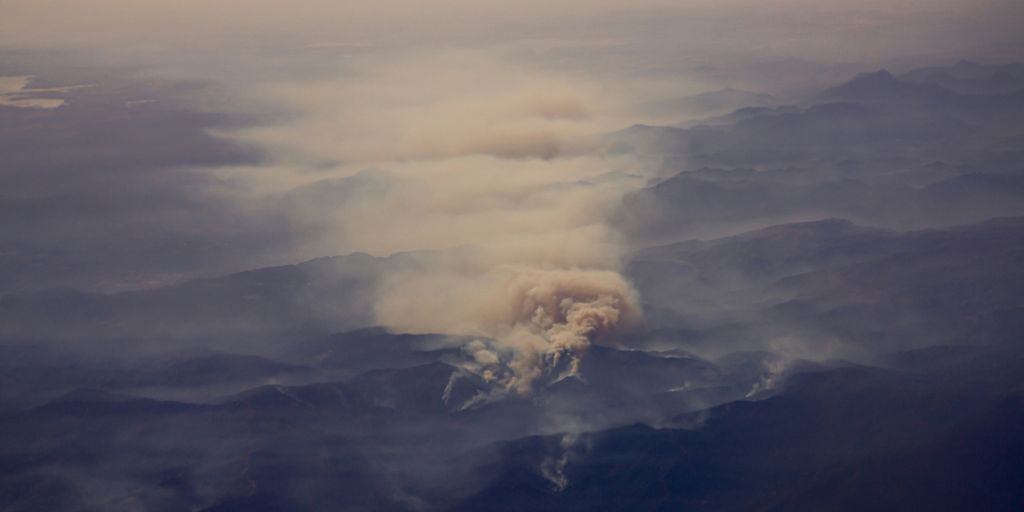
Okay, so Spain’s been getting hit hard. Like, really hard. According to a recent survey, a whopping 89% of people in Spain have experienced some kind of extreme weather event in the last five years. That’s things like crazy heatwaves, droughts that just won’t quit, wildfires that spread like mad, and floods that wash everything away. It’s way above the EU average, which is not a good thing. It really highlights how climate change is impacting Spain.
Personal Consequences of Climate Change in Spain
It’s not just abstract numbers, either. These extreme weather events are messing with people’s lives directly. Two-thirds of Spaniards reported dealing with some direct consequence of extreme weather. Think about it: over a quarter experienced health problems because of the heat or poor air quality. Twenty percent saw forests or natural areas near their homes get destroyed. Almost one in five had problems with their drinking water supply, and a similar number faced transport disruptions. It’s a cascade of problems, and it’s hitting people where they live. It’s hard to ignore the urgency of climate action when it’s right in your face.
Impact on Natural Spaces and Essential Services in Spain
Beyond the personal stories, there’s a bigger picture. These extreme events are hammering Spain’s natural spaces and essential services. Wildfires are ripping through forests, droughts are drying up reservoirs, and floods are overwhelming infrastructure. It’s putting a strain on everything, from water supplies to transportation networks. The destruction of natural spaces not only impacts biodiversity but also affects tourism, a major part of the Spanish economy. It’s a vicious cycle, and it’s clear that something needs to change, and fast. The need for climate change mitigation is clear.
Lifestyle Adjustments and Relocation Due to Climate Change Spanish Impacts
Recognizing the Need for Lifestyle Adaptation in Spain
Okay, so things are changing, right? And it’s not just the weather being a bit weird. People in Spain are starting to realize that they need to actually change how they live because of climate change. It’s not just some abstract problem anymore. A large percentage, around 78%, acknowledge that lifestyle changes are necessary due to climate change. This includes things like using less water, being more careful about energy consumption, and even changing diets to include more sustainable foods. It’s a big shift, but it seems like more and more people are getting on board. It’s about making small changes that add up to a big difference, and honestly, it’s kind of cool to see people taking it seriously. The impact of climate change is becoming more apparent.
Considering Relocation to Less Vulnerable Areas in Spain
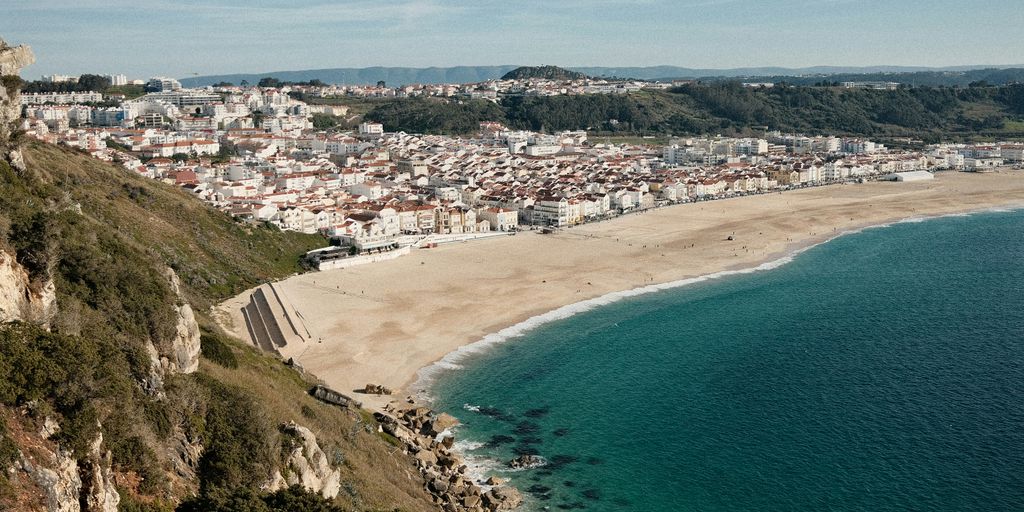
This is where things get real. It’s one thing to recycle more, but it’s another thing entirely to think about moving because of the climate. But that’s exactly what some people in Spain are considering. The rising sea levels, the increased risk of wildfires, and the more frequent heatwaves are making some areas less and less livable. So, people are starting to think about moving to places that are less vulnerable. It’s a tough decision, obviously, but for some, it might be the only way to protect their families and their property. Around 40% are thinking about moving to avoid floods, fires, or other extreme weather. It’s a pretty significant number, and it shows just how seriously people are taking the threat of climate change. It’s not just about inconvenience anymore; it’s about survival.
Migration to Cooler Regions in Response to Climate Change Spanish Heat
And then there’s the heat. Oh, the heat! Spain is already a pretty warm country, but with climate change, it’s getting hotter and hotter. And that’s not just uncomfortable; it can be dangerous, especially for older people and those with health problems. So, some people are thinking about moving to cooler regions, either within Spain or even to other countries. It’s a pretty drastic step, but when you’re talking about your health and well-being, it’s something you have to consider. About 35% are considering a move to a cooler area. It’s a big decision, but for some, it’s the only way to escape the extreme weather events and live a comfortable life. It’s a sign of the times, really. People are adapting in whatever way they can, and sometimes that means packing up and moving to a new place.
Economic Implications of Climate Change for Spain
Rising Economic Costs of Climate Change in Spain
Okay, so, climate change isn’t just about polar bears and melting ice caps, right? It’s hitting Spain’s wallet hard. We’re talking about some serious cash here. Think about it: more frequent and intense heatwaves, droughts messing with agriculture, and coastal areas getting hammered by rising sea levels. All of that translates to damage, lost productivity, and increased expenses. The economic impact is only going to get worse if we don’t get our act together.
- Damage to infrastructure (roads, buildings, etc.)
- Reduced agricultural yields
- Increased healthcare costs due to heat-related illnesses
Europe as the Fastest-Warming Continent and Spanish Vulnerability
Did you know that Europe is actually the fastest-warming continent? Yeah, that’s not good news for Spain. Being in the Mediterranean region, Spain is especially vulnerable. We’re already seeing the effects, and scientists are saying it’s just the beginning. This means Spain is facing a double whammy: global warming plus its own geographical risk factors. It’s like being in the splash zone at a rock concert – you’re gonna get wet, no matter what. Spain’s CO2 emissions are a big part of the problem, so we need to address that.
The Economic Sense of Early Investment in Climate Resilience for Spain
Alright, so here’s the thing: spending money now to prepare for climate change is actually cheaper than dealing with the consequences later. It’s like fixing a leaky roof – a small investment now prevents a massive, expensive repair down the road. Investing in things like drought-resistant crops, improved water management, and better infrastructure can save Spain a ton of money in the long run. Plus, it can create jobs and boost the economy. It’s a win-win! According to the EIB, every €1 invested in prevention can save between €5 and €7 in damage repair. Investing in climate adaptation is a smart move, not just an environmental one.
- Reduced long-term costs
- Job creation in green industries
- Increased economic stability
Funding and Beneficiaries of Climate Adaptation in Spain
Shared Responsibility for Climate Adaptation Costs in Spain
So, who’s footing the bill for all this climate adaptation in Spain? It’s a complicated question, and honestly, there’s no easy answer. A recent survey showed that 40% of Spaniards think everyone should chip in equally. That sounds fair, right? But then you’ve got another 33% who believe the big polluters – the companies and industries that contribute most to climate change – should bear the brunt of the costs. Makes sense too. And then there’s a smaller group, about 12%, who think wealthier individuals should pay more through higher taxes. It’s a real mix of opinions, and it highlights the challenge of figuring out a fair way to distribute the financial burden. Finding a consensus on EU policy objectives is proving difficult.
Prioritizing Support for Vulnerable Populations in Spain
When it comes to who should get help first, things get even more interesting. About 38% of Spaniards think everyone should benefit equally from adaptation efforts. But then you’ve got 30% who believe the elderly should be prioritized. Given the health risks associated with extreme heat, especially for older folks, that’s understandable. And then there’s 23% who say people living in high-risk areas – like coastal regions prone to flooding or areas susceptible to wildfires – should be first in line for support. It’s a tough call, and it shows that people have different ideas about what "fair" looks like when it comes to climate adaptation. It’s clear that vulnerable populations need targeted support.
Spain’s Role in Global Climate Adaptation Efforts
It’s not just about what’s happening within Spain’s borders. A whopping 65% of Spanish respondents recognize the need to support global adaptation efforts. That’s significantly higher than the EU average, which is pretty cool. It means that a lot of people in Spain believe their country should be doing more to help the most vulnerable developing nations adapt to the growing impact of climate change. Spain recognizes the importance of climate adaptation on a global scale. It’s a sign that Spain is willing to step up and play a role in addressing climate change beyond its own backyard.
The European Investment Bank’s Role in Spanish Climate Action
The European Investment Bank (EIB) is playing a significant role in supporting climate action across Spain. They’re not just throwing money at the problem; they’re strategically investing in projects that aim to both adapt to the changing climate and reduce emissions. It’s about making Spain more resilient and sustainable for the future.
EIB Support for Climate Adaptation and Mitigation in Spain
The EIB is actively involved in funding projects at the local, regional, and national levels. These projects are designed to have a tangible impact on the daily lives of people and businesses. In 2023, the EIB Group channeled a record €6.77 billion into climate action and environmental sustainability projects within Spain. This includes everything from boosting renewable energy capacity to supporting the integration of clean energy into the grid. The EIB’s commitment extends to working with commercial banks and financial institutions to ensure that small and medium businesses can access the finance they need to support investments in energy efficiency, climate adaptation and to accelerate the green transition.
Investing in Renewable Energy and Green Technologies in Spain
The EIB is heavily invested in expanding Spain’s renewable energy sources. This means supporting the development of solar, wind, and other clean energy projects. They’re also putting money into green technologies that can help integrate these renewable sources into the existing energy grid. This is crucial for reducing Spain’s reliance on fossil fuels and lowering its carbon footprint. The EIB is boosting capacity for renewable energy generation, as well as investing in green technologies to support the integration of clean energy into the grid, and is also supporting projects to improve energy efficiency to make our homes and workplaces more sustainable.
Promoting Sustainable Transport and Energy Efficiency in Spain
Beyond energy production, the EIB is also focused on promoting sustainable transportation solutions. This includes investments in e-mobility, such as electric vehicle infrastructure, and supporting the development of low-emission public transport systems. They’re also working to improve energy efficiency in buildings and industries, helping to reduce energy consumption and lower emissions. It is leading investments in e-mobility solutions and sustainable transport in cities and beyond, investing in the private sector to support the electrification of intercity road transport, and is also joining forces with public authorities to develop and roll out low-emission public transport projects.
Insights from the EIB Climate Survey on Spanish Views
Methodology and Scope of the EIB Climate Survey in Spain
The EIB Climate Survey is a pretty big deal, and it’s been running for a few years now. Basically, the EIB Municipalities Survey gathers opinions from thousands of people across Europe and the United States to see what they think about climate change. The survey asks about everything from how worried people are to what actions they think should be taken. It’s all done online, so anyone with a computer, tablet, or phone can participate. The goal is to get a good handle on public sentiment so policymakers can make informed decisions. This year’s survey was conducted by BVA Xsight in August 2024.
Spanish Public Opinion on Climate Change Action
Spaniards are definitely on board with climate action. A whopping 95% of Spaniards think it’s important for the country to adapt to climate change. That puts Spain near the top of the list in the EU. Most people also believe that investing in adaptation now will save money in the long run. It’s not just about feeling good; they see the economic sense in getting ahead of the problem. Here’s a quick breakdown:
- 95% believe adaptation is important.
- 66% say it needs to be a priority.
- 88% agree that early investment is crucial to avoid higher future costs.
Anticipating Future Costs of Inaction on Climate Change in Spain
People in Spain aren’t just worried about climate change; they’re worried about the money. There’s a strong sense that if we don’t do anything now, it’s going to cost us big time later. This isn’t just some vague fear; it’s tied to the increasing frequency and severity of natural disasters. The survey highlights that people are starting to connect the dots between climate change and their wallets. They see the rising economic costs and understand that climate adaptation isn’t just an environmental issue; it’s an economic one too. The survey results really drive home the point that inaction is not an option.
Wrapping Things Up
So, what’s the big takeaway here? It’s pretty clear that folks in Spain are really feeling the heat, literally. They’ve seen a lot of crazy weather lately, and it’s made them realize that climate change isn’t some far-off problem. It’s happening now, and it’s affecting their health, their homes, and even their water. They get that things need to change, and a lot of them are even thinking about moving to cooler places. It’s not just about fixing things after they break, either. Most people in Spain believe that putting money into climate solutions now will save a lot more money down the road. They also think everyone should chip in, and that we need to help out other countries that are struggling with this stuff too. It just goes to show, when you see the effects of climate change up close, it really hits home.




Prosecutors Say Jason Finkelstein Spent 11 Seconds Reviewing Cardiac Images Before Clearing a Teenage Athlete

Prosecutors Say Jason Finkelstein Spent 11 Seconds Reviewing Cardiac Images Before Clearing a Teenage Athlete
Prosecutors Say Jason Finkelstein Spent 11 Seconds Reviewing Cardiac Images Before Clearing a Teenage Athlete
Prosecutors Say Jason Finkelstein Spent 11 Seconds Reviewing Cardiac Images Before Clearing a Teenage Athlete

Prosecutors Say Jason Finkelstein Spent 11 Seconds Reviewing Cardiac Images Before Clearing a Teenage Athlete
Prosecutors Say Jason Finkelstein Spent 11 Seconds Reviewing Cardiac Images Before Clearing a Teenage Athlete

Prosecutors Say Jason Finkelstein Spent 11 Seconds Reviewing Cardiac Images Before Clearing a Teenage Athlete
Prosecutors Say Jason Finkelstein Spent 11 Seconds Reviewing Cardiac Images Before Clearing a Teenage Athlete
Prosecutors Say Jason Finkelstein Spent 11 Seconds Reviewing Cardiac Images Before Clearing a Teenage Athlete

Prosecutors Say Jason Finkelstein Spent 11 Seconds Reviewing Cardiac Images Before Clearing a Teenage Athlete
Prosecutors Say Jason Finkelstein Spent 11 Seconds Reviewing Cardiac Images Before Clearing a Teenage Athlete
Prosecutors Say Jason Finkelstein Spent 11 Seconds Reviewing Cardiac Images Before Clearing a Teenage Athlete
Prosecutors Say Jason Finkelstein Spent 11 Seconds Reviewing Cardiac Images Before Clearing a Teenage Athlete

Prosecutors Say Jason Finkelstein Spent 11 Seconds Reviewing Cardiac Images Before Clearing a Teenage Athlete
Prosecutors Say Jason Finkelstein Spent 11 Seconds Reviewing Cardiac Images Before Clearing a Teenage Athlete

-
Alternative Energy5 days ago
Brian Rowan’s Possible Defense: No Intent, No Control, No Fraud, Just Sales
-
Alternative Energy5 days ago
Federal Grand Jury Indicts Oren Shachar in Hospice Fraud Case
-
Business4 days ago
How Darrell Seale Builds High-Performing Teams Through Service-Based Leadership
-
Education4 days ago
Daniel Cullen Delafield on Bridging Executive Leadership and Skilled Trades Development
-

 News2 days ago
Prosecutors Say Jason Finkelstein Spent 11 Seconds Reviewing Cardiac Images Before Clearing a Teenage Athlete
-
News2 days ago
Prosecutors Say Jason Finkelstein Spent 11 Seconds Reviewing Cardiac Images Before Clearing a Teenage Athlete
-
News2 days ago
Prosecutors Say Jason Finkelstein Spent 11 Seconds Reviewing Cardiac Images Before Clearing a Teenage Athlete
-
News2 days ago
Prosecutors Say Jason Finkelstein Spent 11 Seconds Reviewing Cardiac Images Before Clearing a Teenage Athlete