
Fashion
The Definitive Skin Care Routine Order: Your Morning and Night Steps Demystified


It can feel pretty confusing trying to figure out what goes where in your daily skincare. With so many different bottles and tubes, knowing the right `skin care routine order morning and night` can feel like a big puzzle. But honestly, getting the sequence right makes a real difference. It helps your products actually work the way they’re supposed to and keeps your skin looking good. So, let’s go through it step by step and make sense of your routine.
Key Takeaways
- Putting your skincare on in the correct order helps each product get into your skin and do its job properly.
- A good rule to remember is to apply products from thinnest to thickest texture. Start with watery items, then creams, and oils go last.
- Sunscreen is always the final step in your morning routine. It’s super important for protecting your skin from the sun.
- Your nighttime routine is a good time for stronger treatments like serums and thicker creams, as your skin repairs itself while you sleep.
- Give each product a little time to absorb before putting on the next one. This helps everything work better and stops products from clumping up.
Why Skincare Routine Order Matters
Okay, so you’ve got all your skincare goodies, ready to go. But hold up! Did you know the order you slap them on actually matters? It’s not just some random thing beauty gurus made up. There’s real science to it, and getting it right can seriously up your skincare game. Think of it like building a house – you wouldn’t put the roof on before the walls, right? Same deal here.
Maximizing Product Absorption
The main reason order matters is absorption. You want each product to actually sink into your skin and do its job. If you put a thick cream on first, ain’t nothing else getting through that barrier. It’s like trying to water a plant through a plastic bag – pointless! You gotta start with the light stuff and work your way up to the heavy hitters. This way, your skin can actually drink up all the goodness.
Preventing Skin Irritation
Layering the wrong way can also lead to irritation. Some active ingredients, like retinoids or acids, can be pretty potent. If you mix them up or apply them at the wrong time, you could end up with redness, dryness, or even breakouts. It’s all about knowing which ingredients play nice together and which ones need their own space. Think of it as skincare chemistry – you don’t want a bad reaction!
Achieving Optimal Results
Ultimately, the right order means better results. You’re not just wasting product; you’re actually helping your skin be its best self. When everything absorbs properly and works together, you’ll see a difference in hydration, brightness, and overall skin health. It’s like giving your skin a well-balanced diet – it needs the right nutrients in the right order to thrive.
Understanding Product Interactions
Different products have different jobs, and they can either help or hinder each other depending on how you layer them. For example, applying an occlusive (something that seals in moisture) before a hydrating serum will prevent the serum from penetrating the skin. It’s like putting a raincoat on before you put on lotion – the lotion won’t do any good! Understanding how your products interact is key to creating a routine that actually works for you. It’s not just about having a bunch of fancy bottles; it’s about using them strategically.
Your Essential Morning Skincare Routine
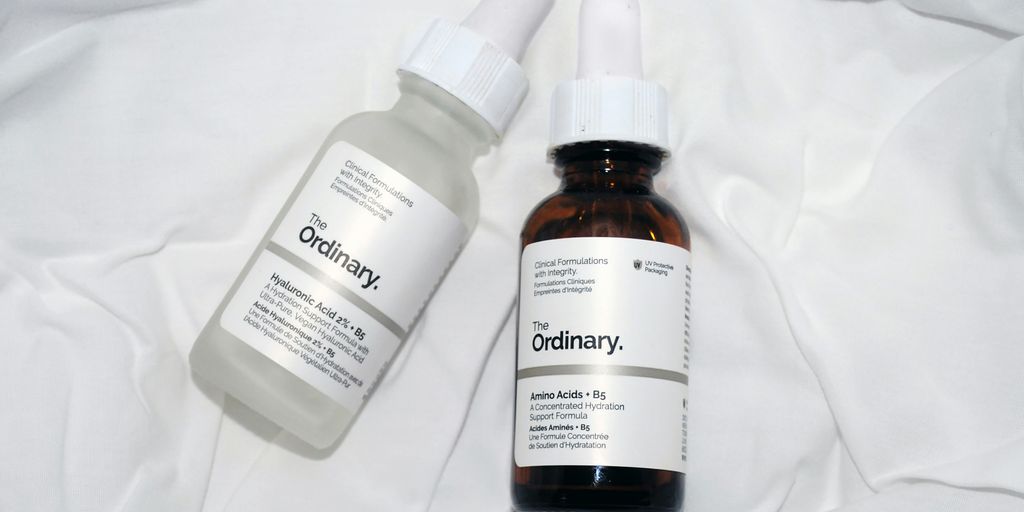
Your morning skincare routine is all about prepping your skin for the day ahead. It’s about protection and setting the stage for a fresh face. Think of it as your skin’s armor against environmental aggressors.
Cleansing to Refresh and Prepare
First things first: cleanse! Even if you cleansed the night before, your skin accumulates oil and maybe even some shed skin cells overnight. A gentle cleanser will remove these impurities without stripping your skin. I like to use a hydrating cleanser in the morning to avoid dryness. If you have oily skin, a slightly more clarifying cleanser might be a better choice. I’ve found that skipping this step makes my makeup look cakey later in the day.
Applying Antioxidant Serums
Next up, serums! Morning is the perfect time for antioxidant serums, like vitamin C. These serums help protect your skin from free radical damage caused by pollution and UV rays. They also brighten your complexion. I noticed a big difference in my skin’s radiance after incorporating a vitamin C serum into my morning routine. It’s like a shield for your face!
Hydrating with Moisturizer
Moisturizer is a must, no matter your skin type. Even oily skin needs hydration! A lightweight, non-comedogenic moisturizer will keep your skin balanced and prevent it from overproducing oil. If you have dry skin, opt for a richer cream. I usually wait a few minutes after applying my serum before moisturizing to allow it to fully absorb.
Protecting with Daily Sunscreen
Sunscreen is the most important step in your morning routine. Seriously, don’t skip it! Choose a broad-spectrum sunscreen with an SPF of 30 or higher. Apply it liberally to your face, neck, and any other exposed skin. I prefer mineral sunscreens because they’re less irritating, but find one you like and will actually use every day. Reapplication is key, especially if you’re spending time outdoors. I keep a travel-sized sunscreen in my bag for touch-ups throughout the day.
Your Nighttime Skincare Routine Order
Nighttime is when your skin does most of its repair work, so it’s the perfect time to load up on treatments and nourishing ingredients. Here’s how to layer your products for maximum benefit:
Double Cleansing for Deep Purification
The first step in any nighttime routine should be cleansing, but I’m a big believer in double cleansing to really get your skin prepped for the rest of your products. Start with an oil-based cleanser to remove makeup, sunscreen, and surface-level grime. Follow with a gentle, water-based cleanser to wash away any remaining residue. This ensures your skin is squeaky clean and ready to absorb all the good stuff you’re about to apply. I usually use a cleansing balm first, then a hydrating gel cleanser.
Incorporating Treatment Serums
Nighttime is prime time for treatment serums. These are your heavy hitters, packed with active ingredients like retinoids, peptides, and acids. Apply these after cleansing and before heavier creams. Remember the thin-to-thick rule! If you’re using multiple serums, layer them from the most lightweight to the most viscous. For example, I might use a hyaluronic acid serum followed by a retinol serum.
Nourishing with Night Creams
Night creams are typically richer and more emollient than day creams, designed to provide intense hydration and support skin repair while you sleep. After your serums have had a chance to absorb (give it a few minutes), apply a generous layer of night cream to your face and neck. Look for ingredients like ceramides, shea butter, and antioxidants to help replenish your skin’s moisture barrier and fight free radical damage. I like to think of night cream as a cozy blanket for my face.
Sealing in Moisture with Face Oils
Face oils are the final step in your nighttime routine. They act as an occlusive, sealing in all the layers of hydration and treatment you’ve applied underneath. Warm a few drops of oil in your palms and gently press it into your skin. This helps to lock in moisture and create a protective barrier against moisture loss overnight. Some of my favorite oils include rosehip, argan, and jojoba. Just be sure to choose an oil that’s non-comedogenic (won’t clog pores) if you’re prone to breakouts. I find that using a face oil really makes a difference in how hydrated my skin feels in the morning.
Essential Skincare Products Explained
Okay, so you’re staring at a shelf full of bottles and jars, wondering what each thing actually does? You’re not alone! Let’s break down the key players in the skincare game. It can feel overwhelming, but understanding the purpose of each product makes building a routine way easier.
The Role of Cleansers
Cleansers are the foundation of any good routine. Their main job is to remove dirt, oil, makeup, and other impurities from your skin. Think of it as prepping a canvas before you paint. There are tons of different types – creams, gels, foams, oils – so finding one that suits your skin type is key. If your skin feels tight and dry after cleansing, your gentle cleanser might be too harsh.
Benefits of Toners and Essences
Toners and essences are often confused, and honestly, they’re not essential for everyone. Toners used to be about balancing your skin’s pH after cleansing (back when cleansers were super alkaline), but modern cleansers are much gentler. Now, toners and essences are more about adding an extra layer of hydration or delivering specific ingredients. Some toners might contain mild exfoliants, while essences are usually packed with hydrating and nourishing ingredients. It really depends on the product and what it claims to do. If you’re looking for extra hydration, an essence could be a good addition.
Power of Serums and Treatments
This is where things get interesting! Serums are basically concentrated doses of active ingredients designed to target specific skin concerns. Think of them as the heavy hitters in your routine.
- Vitamin C serums can brighten skin and protect against free radicals.
- Hyaluronic acid serums are amazing for hydration.
- Retinol serums help with anti-aging and acne (but use with caution!).
Treatments are similar to serums, but they might be a bit more intense or used less frequently. For example, a spot treatment for acne or a chemical exfoliant would fall into this category. The key is to read the instructions carefully and start slow, especially with active ingredients.
Importance of Moisturizers and SPF
Moisturizers are crucial for keeping your skin hydrated and healthy. They create a barrier that prevents water loss and protects your skin from the environment. Even if you have oily skin, you still need a moisturizer! Look for lightweight, non-comedogenic formulas that won’t clog your pores. And finally, sunscreen is non-negotiable. Seriously. It’s the best thing you can do for your skin, period. It protects against sun damage, which causes premature aging, wrinkles, and skin cancer. Use a broad-spectrum SPF of at least 30 every single day, even when it’s cloudy. Find a daily sunscreen you like and make it a habit!
Mastering Product Layering Techniques
Applying Thinnest to Thickest
The golden rule of skincare layering is to apply products from the thinnest to the thickest consistency. This approach ensures that each product can properly penetrate the skin without being blocked by heavier creams or oils. Think of it like this: water-based serums first, followed by lotions, then creams, and finally, oils. This method allows the lighter products to deliver their active ingredients effectively before sealing everything in with a richer layer. For example, applying a lightweight serum after a heavy moisturizer won’t do much good, as the serum won’t be able to penetrate the barrier.
When to Use Face Oils
Face oils are best used as the final step in your skincare routine, especially at night. They act as an occlusive, meaning they create a barrier on the skin that locks in all the products applied underneath. Applying oil before other products can prevent those products from properly absorbing. If you’re using a face oil in the morning, make sure it’s the last step before sunscreen.
Strategic Use of Active Ingredients
When layering products with active ingredients, it’s important to be mindful of potential interactions. Some combinations, like vitamin C and AHAs/BHAs, can cause irritation or reduce the effectiveness of the ingredients. It’s often best to use active ingredients at different times of the day (e.g., vitamin C in the morning, retinol at night) or on alternate days. Always introduce new active ingredients slowly to see how your skin reacts. Here’s a quick guide:
- Morning: Antioxidant serums (Vitamin C), hydrating serums
- Evening: Retinols, exfoliating acids (AHAs/BHAs)
- Avoid: Mixing strong acids or using retinol and acids at the same time.
Allowing Absorption Time Between Steps
Patience is key when layering skincare. Rushing through your routine can prevent products from properly absorbing, reducing their effectiveness and potentially leading to pilling. Allow at least 30 seconds to a minute between each step to give your skin time to absorb the product. This is especially important for serums and active ingredients. Think of it as giving each product a chance to do its job before adding another layer. This also minimizes the risk of products mixing on the surface of your skin and causing irritation or clumping issues.
Common Skincare Routine Missteps

Skipping Sunscreen Application
Seriously, this is a big one. Sunscreen isn’t just for beach days; it’s an everyday essential. Think of it as your skin’s bodyguard against those pesky UV rays that cause premature aging, sunspots, and, you know, skin cancer. Make it the last step in your morning routine, rain or shine. Don’t forget to reapply every two hours if you’re spending a lot of time outdoors. It’s a small step that makes a huge difference.
Over-Exfoliating Your Skin
Exfoliating is great for sloughing off dead skin cells and revealing a brighter complexion. But, like anything, too much of a good thing can backfire. Over-exfoliating can strip your skin of its natural oils, leading to irritation, redness, and even breakouts. It’s like sanding down a piece of wood too aggressively – you’ll damage the surface. Stick to exfoliating two to three times a week, max, and pay attention to how your skin feels. If it’s tight, dry, or irritated, scale back.
Applying Products in the Wrong Order
Okay, so you’ve got all your skincare goodies lined up, ready to go. But are you applying them in the right order? It matters! The general rule of thumb is to apply products from thinnest to thickest. This allows the thinner products, like serums, to penetrate the skin before you seal everything in with a thicker moisturizer. Think of it like this:
- Cleanser: First, to remove dirt and oil.
- Toner: Balances the skin.
- Serum: Delivers targeted ingredients.
- Moisturizer: Hydrates and protects.
- Sunscreen: Shields from UV rays.
Applying a thick cream before a serum, for example, can prevent the serum from properly absorbing, rendering it less effective. It’s like trying to paint a wall that’s already covered in wax – the paint won’t stick.
Not Cleansing Thoroughly
Think you can just splash some water on your face and call it a day? Think again! Cleansing is the foundation of any good skincare routine. If you’re not removing all the dirt, oil, makeup, and grime from your face, you’re basically just layering products on top of a dirty canvas. This can lead to clogged pores, breakouts, and dull skin. Consider double cleansing at night, especially if you wear makeup.
Here’s a quick guide:
- Use an oil-based cleanser to remove makeup and sunscreen.
- Follow with a gentle, water-based cleanser to deep clean pores.
- Pat your face dry with a clean towel.
Your skin will thank you for it!
So, What Now?
Okay, so we’ve talked about how to layer your skincare, morning and night. It can feel a bit much at first, like, do I really need all these steps? But honestly, getting the order right just helps your products work better. It’s kind of like building something – you gotta put the foundation down before the roof, you know? You don’t need a million different bottles, just the right ones in the right spot. Listen to your skin, see what it likes. And the biggest thing? Just stick with it. Even if it’s just a few simple things, doing them regularly makes a huge difference. You’ll get the hang of it, promise.




Prosecutors Say Jason Finkelstein Spent 11 Seconds Reviewing Cardiac Images Before Clearing a Teenage Athlete

Prosecutors Say Jason Finkelstein Spent 11 Seconds Reviewing Cardiac Images Before Clearing a Teenage Athlete
Prosecutors Say Jason Finkelstein Spent 11 Seconds Reviewing Cardiac Images Before Clearing a Teenage Athlete
Prosecutors Say Jason Finkelstein Spent 11 Seconds Reviewing Cardiac Images Before Clearing a Teenage Athlete

Prosecutors Say Jason Finkelstein Spent 11 Seconds Reviewing Cardiac Images Before Clearing a Teenage Athlete
Prosecutors Say Jason Finkelstein Spent 11 Seconds Reviewing Cardiac Images Before Clearing a Teenage Athlete

Prosecutors Say Jason Finkelstein Spent 11 Seconds Reviewing Cardiac Images Before Clearing a Teenage Athlete
Prosecutors Say Jason Finkelstein Spent 11 Seconds Reviewing Cardiac Images Before Clearing a Teenage Athlete
Prosecutors Say Jason Finkelstein Spent 11 Seconds Reviewing Cardiac Images Before Clearing a Teenage Athlete

Prosecutors Say Jason Finkelstein Spent 11 Seconds Reviewing Cardiac Images Before Clearing a Teenage Athlete
Prosecutors Say Jason Finkelstein Spent 11 Seconds Reviewing Cardiac Images Before Clearing a Teenage Athlete
Prosecutors Say Jason Finkelstein Spent 11 Seconds Reviewing Cardiac Images Before Clearing a Teenage Athlete
Prosecutors Say Jason Finkelstein Spent 11 Seconds Reviewing Cardiac Images Before Clearing a Teenage Athlete

Prosecutors Say Jason Finkelstein Spent 11 Seconds Reviewing Cardiac Images Before Clearing a Teenage Athlete
Prosecutors Say Jason Finkelstein Spent 11 Seconds Reviewing Cardiac Images Before Clearing a Teenage Athlete

-
Alternative Energy5 days ago
Brian Rowan’s Possible Defense: No Intent, No Control, No Fraud, Just Sales
-
Alternative Energy5 days ago
Federal Grand Jury Indicts Oren Shachar in Hospice Fraud Case
-
Business4 days ago
How Darrell Seale Builds High-Performing Teams Through Service-Based Leadership
-
Education4 days ago
Daniel Cullen Delafield on Bridging Executive Leadership and Skilled Trades Development
-

 News2 days ago
Prosecutors Say Jason Finkelstein Spent 11 Seconds Reviewing Cardiac Images Before Clearing a Teenage Athlete
-
News2 days ago
Prosecutors Say Jason Finkelstein Spent 11 Seconds Reviewing Cardiac Images Before Clearing a Teenage Athlete
-
News2 days ago
Prosecutors Say Jason Finkelstein Spent 11 Seconds Reviewing Cardiac Images Before Clearing a Teenage Athlete
-
News2 days ago
Prosecutors Say Jason Finkelstein Spent 11 Seconds Reviewing Cardiac Images Before Clearing a Teenage Athlete