
Analysis
NYSE: SAP Stock Analysis – Latest Performance and Trends


Thinking about investing in NYSE: SAP stock? It’s a big name in business software, and like any investment, it’s good to get a handle on what’s happening. We’ll look at how SAP has been doing lately, what its finances show, and what the experts are saying. Plus, we’ll check out its market standing and some other factors that might matter before you decide.
Key Takeaways
- SAP’s recent performance shows mixed returns compared to its benchmark, with strong 3-year growth but lagging 1-year returns.
- The company’s financial health appears solid, with consistent revenue and earnings, though specific profitability metrics need closer review.
- Analyst sentiment leans positive, with a majority recommending ‘Buy’ or ‘Hold’, and price targets suggesting potential upside from current levels.
- SAP’s valuation metrics, such as P/E and Price/Sales, place it within a typical range for its industry, but a PEG ratio below 1 suggests potential undervaluation relative to growth.
- SAP offers a wide array of business solutions, particularly in cloud and digital transformation, positioning it as a major player in the enterprise software market.
Understanding NYSE: SAP Stock Performance
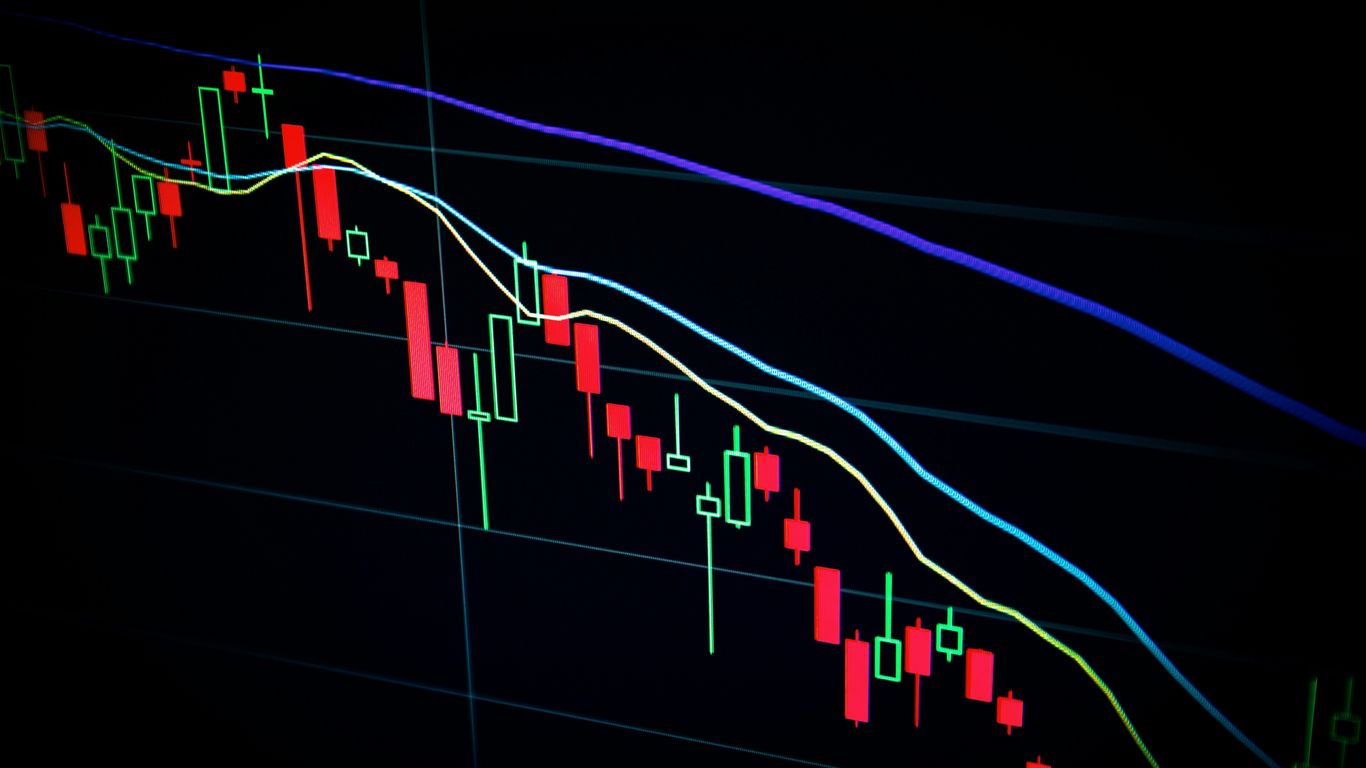
Let’s take a look at how SAP’s stock has been doing lately. It’s always good to get a feel for the recent ups and downs before diving deeper into the company’s financials or analyst opinions.
Recent Performance Metrics
SAP’s stock has seen some movement, as most stocks do. As of January 27, 2026, the stock closed at $233.94, showing a slight dip of -2.49% for the day. The pre-market trading showed a bit of a rebound, up 0.64%. Looking at the daily range, the stock traded between $232.32 and $237.92. The volume on this particular day was 1,938,452 shares, which is a bit higher than the average daily volume of 1,572,124. This suggests there was a decent amount of interest in the stock recently.
Year-to-Date and Annual Returns
When we zoom out a bit, SAP has posted some solid returns. Year-to-date, the stock is up 4.35%. Over the past year, it has gained 14.35%. This is pretty good, though it’s worth noting that the DAX index has seen slightly stronger performance in the past year, up 15.40%. However, looking at longer periods, SAP has really shown its strength. The 3-year return stands at an impressive 114.64%, and over the last 5 years, investors have seen a return of 92.32%. These longer-term figures paint a picture of a company that has been steadily growing its value for its shareholders. You can keep up with the latest news for SAP SE stock to stay informed.
Long-Term Investment Growth
Thinking about SAP as a long-term investment requires looking beyond just the daily price swings. The company’s ability to consistently grow its revenue and earnings over several years is a key indicator. While the past year’s performance was strong, the 3-year and 5-year returns really highlight SAP’s potential for sustained growth. This kind of steady appreciation is often what long-term investors look for. It suggests that the company’s business model and strategic direction are working well over extended periods, building value incrementally rather than through short-term spikes.
SAP’s Financial Health and Earnings Trends
Revenue and Earnings Analysis
Looking at SAP’s financial reports, the company has shown a steady climb in its top line. Revenue has been growing, which is always a good sign for any business. This growth isn’t just a small bump; it reflects the increasing demand for their software solutions, especially in the cloud space. When we look at earnings, SAP has also managed to keep pace. They’ve been reporting solid profits, which means they’re not just selling more but also managing their costs effectively. The company’s ability to translate revenue growth into profit is a key indicator of its financial strength.
Here’s a quick look at recent performance:
| Quarter | Revenue (in Billions) | Earnings (in Billions) |
|---|---|---|
| Q3 FY25 | $9.08B | $1.85B |
This shows a consistent ability to generate income alongside sales.
Key Financial Ratios
When you’re trying to get a handle on a company’s financial picture, ratios are your best friend. For SAP, several stand out. The Profit Margin is sitting at a healthy 19.41%, meaning nearly a fifth of every dollar in revenue turns into profit. Return on Assets (ROA) is at 9.06%, and Return on Equity (ROE) is even stronger at 17.03%. These figures suggest SAP is using its assets and shareholder investments quite effectively to generate earnings. The Price-to-Earnings (P/E) ratio is around 32.67, which, while not low, is often seen in growing tech companies. It’s worth comparing this to industry peers to see how it stacks up. Understanding these ratios helps paint a clearer picture of how efficiently the company is operating and how investors perceive its value.
Profitability and Income Statement Highlights
Digging into the income statement reveals more about SAP’s profitability. Net income attributable to common shareholders has been robust, reaching $7.08 billion over the trailing twelve months. This translates to a Diluted Earnings Per Share (EPS) of $7.16. These numbers are important because they show the actual profit available to shareholders. Furthermore, SAP has managed its debt well, with a Total Debt-to-Equity ratio of 21.09%. This indicates a conservative approach to financing, which can reduce financial risk. The company also generates significant Levered Free Cash Flow, which is the cash left over after paying operating expenses and debt payments. This cash can be used for dividends, share buybacks, or reinvestment into the business, all positive signs for investors looking at SAP’s financial performance.
Analyst Perspectives on NYSE: SAP
So, what are the folks who watch SAP for a living actually saying about the stock? It’s always good to get a sense of what the experts think, right?
Analyst Price Targets and Recommendations
When you look at the analyst ratings, SAP seems to be getting a pretty decent reception. Most of them are leaning towards a ‘Buy’ recommendation, which is generally a good sign. There are a few ‘Hold’ ratings in there too, but not many. The average price target is floating around $336.00, which is quite a bit higher than where the stock is trading right now. It makes you wonder if there’s some room for growth.
Here’s a quick look at the general sentiment:
- Strong Buy: 2 ratings
- Buy: 14 ratings
- Hold: 2 ratings
This kind of breakdown suggests that the majority of analysts see potential upside for SAP. The consensus rating is a ‘Buy’, with an average score of 3.00.
Recent Rating Actions
Looking at recent moves, Argus Research, for example, reiterated their ‘Buy’ rating on SAP back in October 2025. They kept their price target at $320, which aligns with the general optimism. It seems like analysts are sticking with their positive views, even as the stock price fluctuates.
Expert Insights on SAP’s Outlook
Beyond just the numbers, what’s the general vibe? Many analysts seem to feel that SAP’s results are solid, and they’re growing more confident about the company’s prospects heading into 2026. Some reports even suggest the shares might be a bit undervalued right now. SAP, being a giant in enterprise application software, has a wide range of products that cater to many different industries. This broad reach is likely a big part of why analysts are feeling positive about its future outlook.
Valuation and Key Statistics for SAP
When looking at SAP’s stock, it’s helpful to check out the numbers that tell us how the market sees its value right now. This isn’t just about the current stock price, but also about what the company is worth compared to its earnings, sales, and overall size.
Market Capitalization and Enterprise Value
Market capitalization, or ‘market cap’, is basically the total value of all the company’s outstanding shares. Think of it as the stock market’s current price tag for SAP. Enterprise Value (EV) is a bit broader; it includes the market cap but also adds in debt and subtracts cash. This gives a more complete picture of the company’s total worth, including what it owes and what it has on hand.
- Market Cap: Around $272.96 billion (as of January 27, 2026).
- Enterprise Value: Roughly $276.94 billion (as of January 27, 2026).
Price-to-Earnings and PEG Ratios
The Price-to-Earnings (P/E) ratio is a classic metric. It shows how much investors are willing to pay for each dollar of a company’s earnings. A higher P/E can mean investors expect more growth, or it could mean the stock is just expensive. The PEG ratio, which stands for Price/Earnings to Growth, adds another layer by comparing the P/E ratio to the company’s expected earnings growth rate. A PEG ratio around 1 often suggests the stock is fairly valued relative to its growth.
- Trailing P/E (TTM): 32.67
- Forward P/E: 26.88
- PEG Ratio (5yr expected): 0.95
SAP’s stock is considered good value, with a Price-To-Earnings Ratio of 32.2x, which is lower than its estimated Fair Price-To-Earnings Ratio of 40.3x. This suggests that the current P/E might be reasonable when you factor in its expected growth.
Price-to-Sales and Price-to-Book Metrics
Price-to-Sales (P/S) compares the stock price to the company’s revenue per share. It’s useful for companies that might not be profitable yet, or when comparing companies with different accounting practices. The Price-to-Book (P/B) ratio compares the stock price to the company’s book value per share (assets minus liabilities). It can give an idea of how much investors are paying for the company’s net assets.
- Price/Sales (TTM): 6.35
- Price/Book (MRQ): 5.36
These figures help paint a picture of how SAP is valued across different financial metrics, giving investors a more rounded view beyond just the share price.
SAP’s Business Solutions and Market Position
SAP is a big player in the enterprise software world, offering a wide range of tools to help businesses run smoother. They’ve been around for a while, since 1972, and have built a reputation for providing complex solutions that manage everything from finances to human resources.
Core Enterprise Software Offerings
At its heart, SAP is known for its core enterprise resource planning (ERP) software. Think of SAP S/4HANA, which is their main system. It helps companies manage different parts of their operations like:
- Finance and accounting
- Supply chain and logistics
- Manufacturing processes
- Project management
They also have solutions for human resources, like SAP SuccessFactors, which handles everything from hiring to employee data and payroll. SAP’s goal is to give businesses a single, integrated system to keep track of all their important information.
Industry-Specific Solutions
SAP doesn’t just offer one-size-fits-all software. They’ve developed specific versions of their products tailored for different industries. This means a retail company might use a different setup than a manufacturing plant or a public sector organization. These industry solutions are designed to meet the unique challenges and regulations each sector faces. For example, they have solutions for:
- Automotive
- Retail
- Utilities
- Financial services
This approach helps businesses get more out of their software without needing to build everything from scratch. You can find more about their various business solutions on the SAP website.
Cloud and Digital Transformation Services
Like most tech companies these days, SAP is heavily invested in cloud computing. A lot of their newer software is available as a cloud subscription, meaning businesses can access it over the internet without installing it on their own servers. This is part of a bigger trend called digital transformation, where companies are updating their old systems to be more modern and flexible. SAP offers services and platforms, like SAP Business Technology Platform, to help customers build new applications, connect different software systems, and automate business processes. They also provide tools for managing customer experiences and business networks, aiming to make it easier for companies to work together and adapt to changes in the market.
Investment Considerations for NYSE: SAP
When looking at SAP stock, there are a few things to keep in mind before you decide to invest. It’s not just about the stock price going up or down; you’ve got to think about the bigger picture.
Dividend Information and Yield
SAP does pay a dividend, which is a nice little bonus for shareholders. It’s paid out quarterly, meaning you get a bit of cash back regularly. As of late January 2026, the forward dividend is around $2.63, giving it a yield of about 1.12%. While not the highest yield out there, it’s a steady return. Keep an eye on the ex-dividend date if you want to make sure you get that next payout – it was in May 2025, so the next one would likely be around May 2026.
Fair Value and Estimated Returns
Figuring out if a stock is a good deal is tricky. Analysts try to put a ‘fair value’ on it, which is basically what they think the stock is worth based on its earnings and how fast it’s growing. For SAP, some estimates suggest the stock might be a bit undervalued right now. The idea is that if the company keeps growing its earnings per share like predicted, you might see an average annual return of something like 10-15% over the next five years. Of course, these are just estimates, and the market can be unpredictable.
Hiring and Insider Sentiment Scores
Sometimes, looking at what a company is doing internally can give you clues. SAP’s hiring score is currently low, which might suggest they aren’t expanding rapidly in key areas right now. Similarly, the insider sentiment score is also low. This means that company executives and major shareholders haven’t been buying a lot of their own company’s stock lately. While not a deal-breaker, it’s something to note when considering your investment.
Wrapping It Up
So, looking at SAP’s stock, it seems like a mixed bag right now. The company has a lot of different products, from managing business processes to helping with sustainability, which is pretty broad. Performance-wise, it’s had some ups and downs compared to the DAX index, especially over the last year. Analysts have a range of opinions, with some seeing it as a buy and others holding off. While the company has solid revenue and profit numbers, its stock price is trading a bit higher than its fair value, and things like hiring and insider sentiment aren’t showing much activity. It’s definitely a company with a long history and a wide reach, but whether it’s the right time to jump in or stay put might depend on what you’re looking for in an investment.




Prosecutors Say Jason Finkelstein Spent 11 Seconds Reviewing Cardiac Images Before Clearing a Teenage Athlete

Prosecutors Say Jason Finkelstein Spent 11 Seconds Reviewing Cardiac Images Before Clearing a Teenage Athlete
Prosecutors Say Jason Finkelstein Spent 11 Seconds Reviewing Cardiac Images Before Clearing a Teenage Athlete
Prosecutors Say Jason Finkelstein Spent 11 Seconds Reviewing Cardiac Images Before Clearing a Teenage Athlete

Prosecutors Say Jason Finkelstein Spent 11 Seconds Reviewing Cardiac Images Before Clearing a Teenage Athlete
Prosecutors Say Jason Finkelstein Spent 11 Seconds Reviewing Cardiac Images Before Clearing a Teenage Athlete

Prosecutors Say Jason Finkelstein Spent 11 Seconds Reviewing Cardiac Images Before Clearing a Teenage Athlete
Prosecutors Say Jason Finkelstein Spent 11 Seconds Reviewing Cardiac Images Before Clearing a Teenage Athlete
Prosecutors Say Jason Finkelstein Spent 11 Seconds Reviewing Cardiac Images Before Clearing a Teenage Athlete

Prosecutors Say Jason Finkelstein Spent 11 Seconds Reviewing Cardiac Images Before Clearing a Teenage Athlete
Prosecutors Say Jason Finkelstein Spent 11 Seconds Reviewing Cardiac Images Before Clearing a Teenage Athlete
Prosecutors Say Jason Finkelstein Spent 11 Seconds Reviewing Cardiac Images Before Clearing a Teenage Athlete
Prosecutors Say Jason Finkelstein Spent 11 Seconds Reviewing Cardiac Images Before Clearing a Teenage Athlete

Prosecutors Say Jason Finkelstein Spent 11 Seconds Reviewing Cardiac Images Before Clearing a Teenage Athlete
Prosecutors Say Jason Finkelstein Spent 11 Seconds Reviewing Cardiac Images Before Clearing a Teenage Athlete

-
Alternative Energy5 days ago
Brian Rowan’s Possible Defense: No Intent, No Control, No Fraud, Just Sales
-
Alternative Energy5 days ago
Federal Grand Jury Indicts Oren Shachar in Hospice Fraud Case
-
Business4 days ago
How Darrell Seale Builds High-Performing Teams Through Service-Based Leadership
-
Education4 days ago
Daniel Cullen Delafield on Bridging Executive Leadership and Skilled Trades Development
-

 News2 days ago
Prosecutors Say Jason Finkelstein Spent 11 Seconds Reviewing Cardiac Images Before Clearing a Teenage Athlete
-
News2 days ago
Prosecutors Say Jason Finkelstein Spent 11 Seconds Reviewing Cardiac Images Before Clearing a Teenage Athlete
-
News2 days ago
Prosecutors Say Jason Finkelstein Spent 11 Seconds Reviewing Cardiac Images Before Clearing a Teenage Athlete
-
News2 days ago
Prosecutors Say Jason Finkelstein Spent 11 Seconds Reviewing Cardiac Images Before Clearing a Teenage Athlete