
Tech News
Navigating the Future: Key Insights from Tech Forum 2025


This year’s Tech Forum 2025 report is out, and it’s got some pretty interesting ideas about what’s coming next. Basically, a bunch of scientists and experts got together to figure out which new technologies are likely to become a big deal in the next few years. They looked at things that could help us with big problems like climate change, keeping us healthy, and making sure our digital world is more trustworthy. It’s not just about cool gadgets; it’s about real solutions.
Key Takeaways
- New tech is coming that could help with big global issues like climate change and making sure everyone has enough food. Think smarter farming and cleaner energy.
- We’re seeing a big mix of biology, AI, and new materials working together. This is leading to things like sensors that can check our health or the environment on their own.
- Healthcare is getting a boost from science. There are new ideas for treating brain diseases and new ways to create living therapies that could change how we handle sickness.
- Keeping things real online is a growing concern. Technologies like generative watermarking are being developed to help us know what’s real and what’s not, especially with AI creating so much content.
- The way we figure out what tech is important involves a lot of experts and data. This year’s process included looking at scientific papers and using expert opinions to create ‘maps’ that show how these technologies fit into the bigger picture.
Innovations Shaping Tomorrow: Insights from Tech Forum 2025
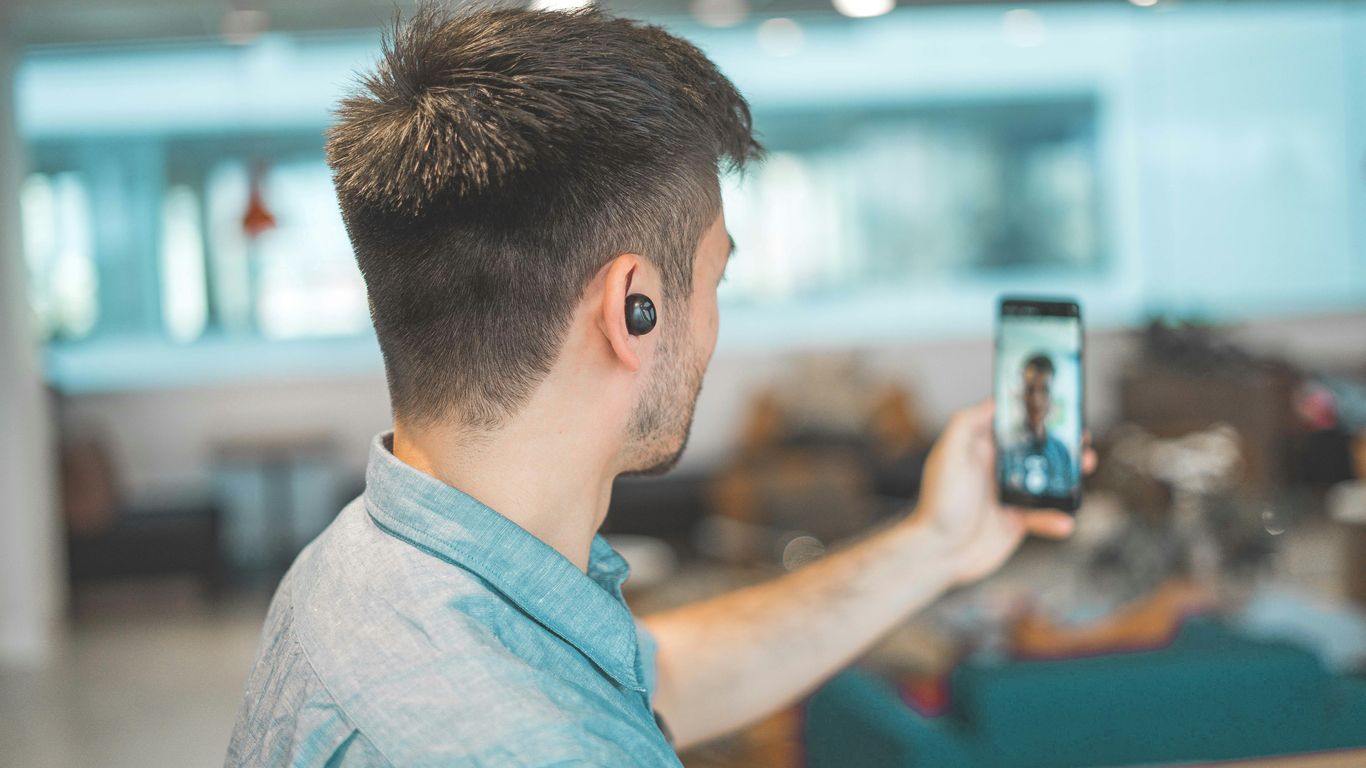
This year’s Tech Forum 2025 really zeroed in on what’s next, and honestly, it felt like a peek into a future that’s arriving faster than we thought. It wasn’t just about shiny new gadgets; it was about how these advancements can actually help us tackle some pretty big problems.
Accelerating Progress on Global Challenges
It’s easy to get lost in the hype of new tech, but the real takeaway here is how these emerging fields are being pointed directly at issues like climate change and food security. Think about it: we’re seeing real movement on things that felt impossible just a few years ago. The report co-published by the World Economic Forum and Frontiers highlights technologies that could be fully developed and in use within the next five years. That’s not some far-off dream; that’s practically around the corner.
- Green Nitrogen Fixation: This is a big one for agriculture. Instead of the old, energy-guzzling methods for making fertilizer, new approaches using electricity, light, or microbes are cutting down emissions significantly. This could really change how we feed the world sustainably.
- Autonomous Biochemical Sensors: Imagine devices that can detect changes at the molecular level – like toxins in water or early signs of disease – all on their own. This could be a game-changer for health monitoring and environmental protection, especially in places that don’t have a lot of resources.
- GLP-1s for Neurodegenerative Diseases: This is fascinating. Drugs originally for diabetes are showing promise in slowing down cognitive decline in conditions like Alzheimer’s. It’s a whole new way of thinking about brain health, moving from just treating symptoms to potentially intervening much earlier.
The Convergence of Biology, AI, and Materials Science
What struck me most was how many of these breakthroughs aren’t happening in isolation. They’re the result of different fields bumping into each other and creating something new. Biology, artificial intelligence, and materials science are really starting to blend together in some pretty wild ways. It’s like a scientific mashup that’s producing some seriously cool results. The Innovation Summit 2025 showcased how these fields are interacting, with experts discussing the practical applications.
Actionable Guidance for Leaders
Beyond the cool science, the forum also focused on what leaders actually need to do. It’s one thing to know about these technologies, but it’s another to figure out how to use them. They talked about ‘Transformation Maps’ – basically, tools to help plan how to integrate these new developments strategically. It’s about making sure the innovation actually leads to real change, not just more buzzwords. The goal is to move from research to practical solutions that can be scaled up responsibly.
Pioneering Technologies for a Resilient Future
This section of Tech Forum 2025 really zeroed in on some pretty cool tech that could make a big difference in how we handle some tough global issues. It’s not just about shiny new gadgets; it’s about tools that can help us build a more stable world, whether that’s for our health or the planet.
Autonomous Biochemical Sensors for Health and Environment
Imagine tiny sensors that can check things at a molecular level, all by themselves. That’s the idea behind autonomous biochemical sensors. These aren’t your typical lab equipment; they can spot changes in things like DNA or even detect toxins without a person needing to do anything. This could be a game-changer for early disease detection, especially in places where getting to a doctor is hard. Plus, they can monitor our environment, like checking water quality or soil health, giving us a heads-up before problems get too big. The potential for real-time, on-the-spot analysis is huge.
Here’s a quick look at what these sensors could do:
- Healthcare: Early detection of diseases, personalized medicine monitoring.
- Environment: Tracking pollution, monitoring agricultural health, detecting natural toxins.
- Remote Areas: Providing diagnostic capabilities where traditional infrastructure is lacking.
Generative Watermarking for Digital Trust
We’re seeing more and more content created by AI, and it’s getting harder to tell what’s real and what’s not. Generative watermarking is a new approach to tackle this. It’s like adding an invisible tag to AI-generated text, images, or videos. This tag helps trace the content back to its origin. It’s a big step towards fighting fake news and making sure we know where our digital information is coming from. This is super important for keeping things honest online and protecting creative work.
Green Nitrogen Fixation for Sustainable Agriculture
Feeding a growing world population is a massive challenge, and how we make fertilizer plays a big part. The old way of making ammonia for fertilizer uses a lot of energy and creates pollution. Green nitrogen fixation is a new set of methods that aim to do this more cleanly. Think using electricity, light, or even microbes to create the necessary compounds. These methods are moving from the lab to real-world tests, promising a way to grow food with a much smaller environmental footprint. It’s a big deal for making farming more sustainable for the future.
Transforming Healthcare with Emerging Science
This year’s Tech Forum really highlighted how science is changing the game for our health. It’s not just about new drugs anymore; it’s about smarter ways to detect problems early and even using living things to help us heal. We’re seeing a big shift towards personalized and preventative care, thanks to these advancements.
GLP-1s for Neurodegenerative Disease Intervention
Remember when GLP-1 drugs were just for diabetes? Well, turns out they might be a key to brain health too. Researchers are looking into how these drugs, which help manage blood sugar, could also slow down things like Alzheimer’s. The idea is that they might help with inflammation and how the brain uses energy. It’s still early days, but the potential to move from treating symptoms to actually intervening early in these diseases is pretty exciting. This could change how we approach brain health for millions.
Engineered Living Therapeutics
This one sounds like science fiction, but it’s becoming real. Engineered living therapeutics are basically using living cells or organisms, like bacteria or even our own cells, that have been modified to treat diseases. Think of them as tiny, programmable doctors inside your body. They could be designed to target specific cancer cells, deliver drugs precisely where needed, or even help repair damaged tissues. It’s a whole new way of thinking about medicine, moving beyond traditional chemical compounds.
Advancements in Autonomous Sensing
We also heard a lot about autonomous biochemical sensors. These are smart devices that can detect things at a molecular level – like specific proteins or even tiny amounts of toxins – all on their own. Imagine a sensor that can constantly monitor your health markers or environmental conditions without you having to do anything. This could be huge for early disease detection, especially in places where getting to a doctor is tough. It’s all about getting real-time data to act fast. These kinds of smart devices are becoming more integrated into everyday life, much like how 5G cellular technology is changing how we connect.
The Evolving Landscape of Digital Authenticity

It feels like every other day there’s a new AI tool that can whip up text, images, or even video that looks totally real. It’s pretty wild, but it also brings up some big questions about what’s actually true online. This is where the idea of digital authenticity really comes into play, and it’s something Tech Forum 2025 spent a good chunk of time talking about.
Combating Disinformation with Generative Watermarking
One of the most talked-about solutions is generative watermarking. Think of it like a hidden signature embedded right into AI-generated content. This isn’t something you can easily see, but it helps trace the content back to its source. This invisible layer of trust is becoming super important for figuring out what’s real and what’s not in a world flooded with synthetic media. It’s a big step towards holding creators accountable and making sure we can trust the information we consume. It’s a complex problem, and this technology offers a way to start building a more reliable digital space. The race is on to develop these tools, and it’s a key area for cybersecurity innovation.
Ensuring Provenance in AI-Generated Content
Beyond just watermarking, there’s a broader push to establish provenance for all digital creations. This means having a clear record of where content came from, who made it, and how it was altered. It’s about creating a chain of custody for digital assets. This is especially critical for things like news reporting, scientific research, and even creative works. Without clear provenance, it’s easy for misinformation to spread and for original creators to lose credit for their work. We need systems that can track this information reliably.
Protecting Intellectual Property in the Digital Age
This all ties directly into protecting intellectual property. When AI can generate content that mimics existing styles or even directly uses copyrighted material, how do we safeguard the rights of creators? Generative watermarking and robust provenance tracking are part of the answer. They provide mechanisms to identify unauthorized use and to prove ownership. It’s a tough challenge, and the legal and technical frameworks are still catching up. The discussions at Tech Forum highlighted the need for collaboration between tech developers, legal experts, and policymakers to create effective solutions. It’s a complex area, but one that’s vital for the future of creativity and innovation.
Methodologies Driving Tech Forum 2025 Discoveries
So, how did the folks at Tech Forum 2025 actually figure out which technologies are the big deals for the future? It wasn’t just a random guess, that’s for sure. They had a pretty solid process in place, pulling together a ton of smart people and data.
Expert Consensus and Peer-Reviewed Evidence
First off, they didn’t just take anyone’s word for it. The whole thing started with over 250 technologies being submitted. Then, a big group of experts from places like the World Economic Forum’s Global Future Councils and Frontiers’ network got involved. They looked at all these ideas and used a multi-step approach. This involved checking out actual scientific papers that have been reviewed by other scientists, looking at how often these ideas are mentioned in research, and basically getting a general agreement from these experts. This focus on solid evidence and what the scientific community generally agrees on is what makes the report stand out. It’s not just hype; it’s grounded in real research.
Transformation Maps for Strategic Planning
Once they had their list of top technologies, they didn’t just stop there. The editors from Frontiers worked with the Forum to create something called ‘Transformation Maps’. Think of these like interactive roadmaps. They show how each technology connects to bigger systems in the world and where different industries could work together. This is super helpful for leaders who need to plan ahead. It gives them a way to see the bigger picture and figure out where to put their resources.
The Role of Open Science and Collaboration
Underneath all of this is a belief in open science and working together. The report itself is a product of collaboration between the World Economic Forum and Frontiers, bringing together scientists from all over. They really stress that sharing knowledge and working across different fields is how we get from a cool idea in a lab to something that actually helps people. It’s about making science accessible and encouraging everyone to contribute to finding solutions for the big problems we face, like climate change and health issues.
Addressing Critical Global Issues Through Technology
It’s pretty clear that the world’s facing some big problems, right? Things like climate change, making sure everyone has enough to eat, and just generally making healthcare better for people everywhere. Tech Forum 2025 really zeroed in on how new science can actually help tackle these issues. It wasn’t just talk, either; they highlighted specific technologies that are already showing promise.
Solutions for Climate Change and Food Security
When we talk about climate change and feeding everyone, it’s a huge challenge. One area that got a lot of attention was green nitrogen fixation. You know how fertilizer is made? It usually takes a ton of energy and creates a lot of emissions. But there are new ways being developed – using electricity, light, or even microbes – to make ammonia for fertilizer with way less environmental impact. These methods are moving from the lab to real-world tests, which could really change farming for the better and make it more sustainable.
Enhancing Healthcare Accessibility
Getting good healthcare to everyone, no matter where they live, is another major hurdle. The forum discussed how autonomous biochemical sensors could play a big role here. Imagine tiny devices that can check for health markers or environmental issues at a molecular level, all on their own. They could be used in remote areas or places with limited resources for early detection of diseases or pollution. This kind of tech could mean catching problems much sooner, before they get serious.
Building Digital Trust and Equity
And then there’s the whole digital world. With AI getting so good at creating realistic text, images, and videos, it’s getting harder to know what’s real. This is where generative watermarking comes in. It’s like an invisible tag added to AI-generated content that helps trace it back to its source. This is super important for fighting fake news and making sure we can trust the information we see online. It’s about creating a more honest digital space for everyone.
Looking Ahead
So, what’s the takeaway from all this tech talk? It’s clear that the future isn’t just about shiny new gadgets. We’re seeing some really smart ideas pop up that could actually help with big problems, like keeping our planet healthy and making sure people get better medical care. Things like making AI content more trustworthy and finding new ways to make fertilizer without hurting the environment are pretty big deals. It’s not just science fiction anymore; these are technologies that could be ready for us to use in the next few years. The folks putting these reports together are trying to make sure we all understand what’s coming and how we can use these advancements wisely. It’s a lot to take in, but it feels like we’re on the edge of some significant changes.




Prosecutors Say Jason Finkelstein Spent 11 Seconds Reviewing Cardiac Images Before Clearing a Teenage Athlete

Prosecutors Say Jason Finkelstein Spent 11 Seconds Reviewing Cardiac Images Before Clearing a Teenage Athlete
Prosecutors Say Jason Finkelstein Spent 11 Seconds Reviewing Cardiac Images Before Clearing a Teenage Athlete
Prosecutors Say Jason Finkelstein Spent 11 Seconds Reviewing Cardiac Images Before Clearing a Teenage Athlete

Prosecutors Say Jason Finkelstein Spent 11 Seconds Reviewing Cardiac Images Before Clearing a Teenage Athlete
Prosecutors Say Jason Finkelstein Spent 11 Seconds Reviewing Cardiac Images Before Clearing a Teenage Athlete

Prosecutors Say Jason Finkelstein Spent 11 Seconds Reviewing Cardiac Images Before Clearing a Teenage Athlete
Prosecutors Say Jason Finkelstein Spent 11 Seconds Reviewing Cardiac Images Before Clearing a Teenage Athlete
Prosecutors Say Jason Finkelstein Spent 11 Seconds Reviewing Cardiac Images Before Clearing a Teenage Athlete

Prosecutors Say Jason Finkelstein Spent 11 Seconds Reviewing Cardiac Images Before Clearing a Teenage Athlete
Prosecutors Say Jason Finkelstein Spent 11 Seconds Reviewing Cardiac Images Before Clearing a Teenage Athlete
Prosecutors Say Jason Finkelstein Spent 11 Seconds Reviewing Cardiac Images Before Clearing a Teenage Athlete
Prosecutors Say Jason Finkelstein Spent 11 Seconds Reviewing Cardiac Images Before Clearing a Teenage Athlete

Prosecutors Say Jason Finkelstein Spent 11 Seconds Reviewing Cardiac Images Before Clearing a Teenage Athlete
Prosecutors Say Jason Finkelstein Spent 11 Seconds Reviewing Cardiac Images Before Clearing a Teenage Athlete

-
Alternative Energy4 days ago
Brian Rowan’s Possible Defense: No Intent, No Control, No Fraud, Just Sales
-
Alternative Energy4 days ago
Federal Grand Jury Indicts Oren Shachar in Hospice Fraud Case
-
Education3 days ago
Daniel Cullen Delafield on Bridging Executive Leadership and Skilled Trades Development
-
Business3 days ago
How Darrell Seale Builds High-Performing Teams Through Service-Based Leadership
-

 News1 day ago
Prosecutors Say Jason Finkelstein Spent 11 Seconds Reviewing Cardiac Images Before Clearing a Teenage Athlete
-
News23 hours ago
Prosecutors Say Jason Finkelstein Spent 11 Seconds Reviewing Cardiac Images Before Clearing a Teenage Athlete
-

 News22 hours ago
Prosecutors Say Jason Finkelstein Spent 11 Seconds Reviewing Cardiac Images Before Clearing a Teenage Athlete
-
News22 hours ago
Prosecutors Say Jason Finkelstein Spent 11 Seconds Reviewing Cardiac Images Before Clearing a Teenage Athlete