
Mental Health
Navigating a Therapist Crush: What It Means and What to Do


It’s pretty normal to feel a strong connection with your therapist. After all, they’re someone who listens without judging and helps you work through tough stuff. Sometimes, these feelings can even turn into a ‘therapist crush.’ If you find yourself in this spot, don’t worry – it’s more common than you think. This article will help you understand why these feelings happen and what you can do about them.
Key Takeaways
- A therapist crush usually comes from a basic human need for connection and understanding.
- Talking about your crush with your therapist can actually help you learn more about yourself.
- Your therapist won’t judge you for having these feelings; they’re trained to handle them.
- It’s important to remember that your therapist is a person, and boundaries are a big deal.
- A crush on your therapist doesn’t mean you have to stop seeing them; it can even make your therapy stronger.
Understanding the Therapist Crush Phenomenon
These Types of Crushes Are Usually a Reflection of Our Human Need for Connection and Understanding
It’s pretty common to develop a crush on your therapist. Therapists often provide a safe and nurturing environment. They listen without judging, validate your feelings, and really focus on your emotional well-being. For many, this level of care is rare, which can lead to feelings of affection. But here’s the thing: this crush isn’t necessarily about your therapist as a person. It’s often about what they represent – safety, understanding, or qualities you might be missing in other relationships. Recognizing this can help you be kinder to yourself as you unpack these feelings.
Transference: Projecting Feelings Onto Your Therapist
Okay, so what’s really going on here? Well, a big part of it could be transference. Transference is basically when you unconsciously start directing feelings you have for someone else onto your therapist. Maybe your therapist reminds you of a supportive parent, or even someone you had a crush on way back in high school. These feelings aren’t really about the therapist, but more about past relationships and experiences. It’s like your brain is trying to replay old patterns in a new setting. Dreams can also be a manifestation of transference. Therapists are trained to recognize this and use it to help you understand where these feelings are coming from.
The Unique Nature of the Therapeutic Relationship
Therapy is a pretty unique relationship. It’s not like a friendship, and it’s definitely not a romantic relationship. It’s a professional relationship built on trust, empathy, and support. Therapy offers key qualities of a healthy relationship: accessibility, responsiveness, and emotional engagement. You’re sharing really personal stuff, being vulnerable, and getting support in a way you might not experience anywhere else. Add to that the safety and acceptance inherent in this setting, and your therapist can seem very attractive indeed, especially if you’re not getting these things elsewhere in your life. It’s a space where you’re seen, heard, and validated, which can be incredibly powerful and lead to strong feelings. It’s understandable why crushes happen!
Why a Therapist Crush is Common
It’s actually pretty normal to develop a crush on your therapist. Therapy creates a unique environment, and several factors can contribute to these feelings. It’s not something to be ashamed of; it happens more often than you might think. Let’s explore some of the reasons why these crushes are so common.
The Therapist as a Source of Unconditional Support
Therapists offer a level of support and understanding that many people don’t experience regularly. They listen without judgment, validate your feelings, and prioritize your well-being. This kind of attention can be really powerful, especially if you’re not getting it elsewhere in your life. It’s easy to see how those feelings of appreciation and admiration can turn into something more. For some, this level of care might be new, sparking feelings of affection. It’s important to remember that this crush might not be about the therapist as a person, but about what they represent: safety, understanding, and connection. If you are experiencing frequent relocation, this consistent support can be especially appealing.
The Intimate Space of Therapy
Therapy is an inherently intimate space. You’re sharing your deepest thoughts, fears, and vulnerabilities with another person. This level of openness can create a strong bond, and it’s easy to feel close to someone who knows so much about you. Therapy offers key qualities of a healthy relationship: accessibility, responsiveness, and emotional engagement. Add to that the safety and acceptance inherent in this setting, and your therapist can seem very attractive indeed, especially if you’re not getting these things elsewhere in your life.
Meeting Unmet Needs Through the Therapeutic Bond
Sometimes, a therapist crush can be a sign that certain needs aren’t being met in your other relationships. Maybe you’re longing for more emotional intimacy, validation, or support. The therapeutic relationship can temporarily fill those gaps, leading to feelings of attraction. Your crush may be pointing you to a deeper longing. Clients might be looking for caretaking, a solution to their loneliness, or control over people who they perceive in authority positions. Recognizing these unmet needs can be a valuable step in understanding your feelings and addressing them in a healthy way. It’s like, you might be projecting feelings you have felt towards others are projected onto your therapist, which is a psychological phenomenon called transference.
Navigating Your Feelings About a Therapist Crush
Acknowledge Your Feelings Without Judgment
First off, cut yourself some slack. It’s really common to develop a crush on your therapist. Therapy is an intimate space, and therapists are trained to be understanding and supportive. Recognize that you’re not weird or wrong for feeling this way. It happens! It’s so common that psychoanalytic circles have a name for it: transference.
Journaling and Self-Reflection on Your Therapist Crush
If you’re not ready to talk to your therapist about it, that’s totally fine. Start by exploring your feelings on your own. Journaling can be a great way to do this. Ask yourself some questions:
- What exactly am I feeling?
- When do I notice these feelings the most?
- What triggers them?
- Are these feelings familiar from other relationships?
Considering the Qualities You Admire
Think about what you admire about your therapist. Is it their listening skills? Their empathy? The way they validate your feelings? Often, a crush on a therapist isn’t really about them as a person, but about the qualities they embody – qualities you might be longing for in other relationships or in yourself. What qualities do I admire about my therapist? This level of care and attention might be something they’ve rarely experienced before, and it can spark feelings of affection and admiration.
Communicating Your Therapist Crush to Your Therapist
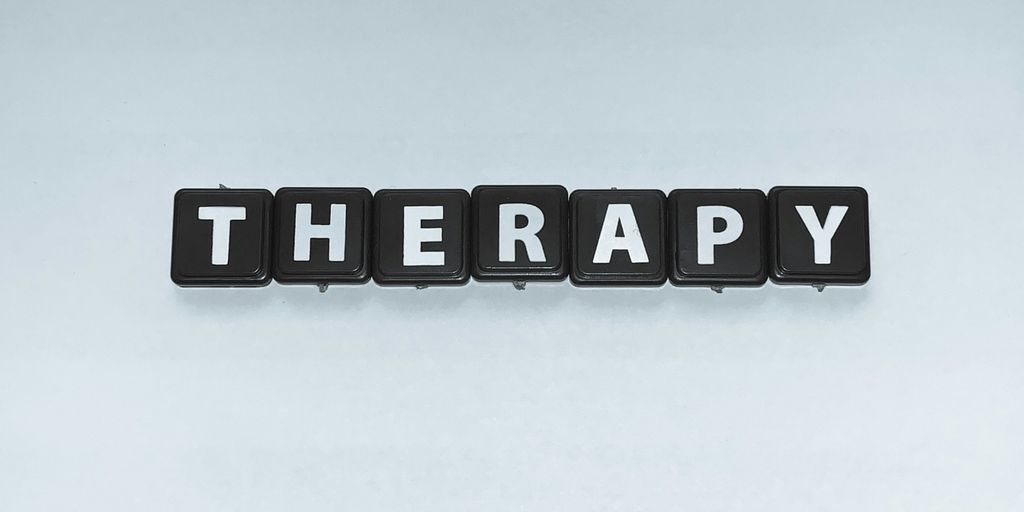
Addressing Your Crush With Your Therapist Can Deepen Your Understanding of Yourself
It might feel scary, but talking about your crush with your therapist can actually be a really good thing. It’s a chance to learn more about yourself and why you’re feeling this way. Think of it as a therapeutic goldmine! These feelings often point to deeper stuff, like patterns in your relationships, needs that aren’t being met, or even projections you’re placing on your therapist. Without sharing, your therapist can’t help you explore these feelings. It’s like trying to solve a puzzle without all the pieces. You might discover you’re seeking caretaking, trying to deal with loneliness, or even looking for a sense of control. It’s all about digging deeper and understanding what’s really going on.
Starting the Conversation: What to Say
Okay, so you’ve decided to talk to your therapist. What do you actually say? It can feel awkward, but here are a couple of ideas to get you started:
- "I’ve been noticing some feelings coming up during our sessions, and I think it’s important to share them with you so they don’t get in the way of the work I want to do." This is a straightforward way to acknowledge the feelings and explain why you’re bringing it up.
- "I’ve been developing some strong feelings toward you, and it’s something I’d like to unpack." This is a more direct approach, showing you’re ready to explore the feelings in therapy. Remember, it’s okay to be a little nervous! The important thing is to start the conversation. If you need to, you can even write down what you want to say beforehand. It can help you feel more prepared and confident. If you are looking for romantic feelings, it’s best to discuss these feelings with them directly.
- "I’m finding myself thinking about you outside of our sessions, and I wanted to be honest about that." This is a simple way to express that the feelings are impacting you beyond the therapy room.
A Skilled Therapist Will Not Judge Your Feelings
One of the biggest fears people have is that their therapist will freak out or judge them. But a good therapist is trained to handle this kind of thing. They won’t be offended or make things weird. Instead, they’ll see it as an opportunity to help you understand yourself better. They know that these feelings are often about more than just them as a person. They’re about your own needs and experiences. So, try to trust that your therapist can handle it and that they’re there to support you, not judge you. Remember, they’re on your side. One thing to remember is that therapist is a human being.
The Therapeutic Benefits of Discussing a Therapist Crush
It might feel scary, but talking about a crush on your therapist can actually be super helpful. It’s not just about the crush itself; it’s about what that crush reveals about you and your relationships. Think of it as a chance to learn more about yourself and grow.
Exploring Patterns in Relationships and Unmet Needs
Discussing your feelings can highlight recurring patterns in your relationships. Maybe you’re always drawn to people who are nurturing or unavailable. A therapist crush can be a clue to unmet needs from your past or present. It’s like, are you looking for someone to take care of you? Are you feeling lonely? These are important questions to explore.
Unpacking Projections and Their Origins
That "crush" might not even be about your therapist as a person. It could be about what they represent to you. This is called projection. Maybe they remind you of someone from your past, or they embody qualities you admire. By talking about it, you can start unpacking projections and understand where they come from. It’s like, are you projecting qualities onto them that they don’t actually have?
Strengthening the Therapeutic Relationship
Sharing something vulnerable like a crush can actually make your relationship with your therapist stronger. It shows trust and allows them to support you on a deeper level. A good therapist won’t freak out; they’ll see it as an opportunity to help you grow. It’s a chance to build a more authentic and honest connection. It’s like, you’re showing them you trust them enough to be vulnerable, and that can really deepen the bond.
Boundaries and Ethical Considerations in a Therapist Crush

It’s easy to get caught up in the feelings that come with a therapist crush, but it’s super important to remember that there are some hard lines that can’t be crossed. Therapy is a professional relationship, and that means boundaries are there for a reason – to protect you and the therapist.
One Thing to Remember: Your Therapist Is a Human Being
While it’s easy to put your therapist on a pedestal, remember they’re just people. They have their own lives, struggles, and boundaries. It’s not fair to expect them to reciprocate your feelings or to treat you differently because of your crush. They’re there to provide professional support, not to fulfill romantic desires. It’s important to respect their personal space and boundaries, just like you would with anyone else.
Crushes Do Not Entitle Us to Reciprocity
Having a crush doesn’t mean the other person owes you anything. In the context of therapy, this is especially true. The therapeutic relationship is built on trust and professional boundaries. Your therapist is ethically bound not to act on any romantic feelings, even if they were to develop (which is unlikely, given the power dynamic). Thinking that your crush entitles you to special treatment or a romantic relationship is not only unrealistic but also disrespectful to the therapeutic process. If you are looking for qualified therapists, make sure they adhere to ethical guidelines.
When Boundary Issues May Arise
Sometimes, a therapist might unintentionally blur the lines, or a client might push them. Here are some examples of boundary issues that could come up:
- Excessive self-disclosure: A therapist sharing too much about their personal life.
- Dual relationships: Engaging in a friendship or business relationship outside of therapy.
- Inappropriate communication: Contacting each other outside of sessions for non-emergency reasons.
- Physical touch: Any non-consensual or inappropriate physical contact.
If you feel like your therapist is crossing boundaries, it’s important to address it. You can talk to them directly, seek guidance from another therapist, or even report them to their licensing board if the situation warrants it. Remember, your well-being is the priority. It’s also worth remembering that ethical considerations are paramount in the therapist-client relationship.
What Happens After Disclosing a Therapist Crush
Okay, so you’ve taken the plunge and told your therapist about your crush. What now? It can feel like you’ve opened Pandora’s Box, but honestly, it’s often a really positive step. Let’s break down what you can expect.
Having a Crush on Your Therapist Doesn’t Automatically Mean You Can’t Meet Anymore
Just because you have a crush doesn’t mean your therapy is over. Think of it like having a crush on a teacher back in school. It can be a little awkward, sure, but it doesn’t mean you have to drop the class. A good therapist is trained to handle this kind of thing. They won’t freak out and kick you to the curb. They’ll see it as something to work through together. It’s understandable to worry that bringing it up will ruin everything, but a skilled therapist will use it as a chance for growth. If you still feel like you need to find a new therapist, that’s okay too. Your therapy is for you.
The Crush Will Probably Subside
These feelings are often intense at first, but they usually fade over time. It’s like any other crush – the initial excitement mellows out as you process the underlying reasons for it. As you explore the feelings in therapy, you’ll likely gain a better understanding of what’s driving them. This understanding can take away some of the power of the crush. It becomes less about the therapist as a person and more about your own needs and patterns. Think of it as a temporary detour on your therapeutic journey. You might even find that your therapeutic relationship gets stronger as you work through it.
Considering a New Therapist If the Crush Becomes Too Distracting
Sometimes, despite your best efforts, the crush just won’t go away. If it’s constantly on your mind and making it hard to focus on your therapy goals, it might be time to consider a change. It’s like trying to study for a test while you’re super distracted – you’re just not going to be as effective. There’s no shame in admitting that the feelings are too intense. It’s better to find a therapist where you can focus on your issues without the added complication of a crush. It’s all about creating the best possible environment for your childhood trauma and healing.
Wrapping It Up: Your Feelings Are Valid
So, having a crush on your therapist? Totally normal. It happens a lot more than you might think, and it usually just means you’re feeling safe and heard, maybe for the first time in a while. Remember, this isn’t some weird, shameful thing. It’s actually a chance to learn more about yourself and what you really want in your relationships. Whether you decide to talk about it with your therapist or just think it over on your own, know that your feelings are okay. This whole experience can actually make your therapy stronger and help you grow in ways you didn’t expect.




Prosecutors Say Jason Finkelstein Spent 11 Seconds Reviewing Cardiac Images Before Clearing a Teenage Athlete

Prosecutors Say Jason Finkelstein Spent 11 Seconds Reviewing Cardiac Images Before Clearing a Teenage Athlete
Prosecutors Say Jason Finkelstein Spent 11 Seconds Reviewing Cardiac Images Before Clearing a Teenage Athlete
Prosecutors Say Jason Finkelstein Spent 11 Seconds Reviewing Cardiac Images Before Clearing a Teenage Athlete

Prosecutors Say Jason Finkelstein Spent 11 Seconds Reviewing Cardiac Images Before Clearing a Teenage Athlete
Prosecutors Say Jason Finkelstein Spent 11 Seconds Reviewing Cardiac Images Before Clearing a Teenage Athlete

Prosecutors Say Jason Finkelstein Spent 11 Seconds Reviewing Cardiac Images Before Clearing a Teenage Athlete
Prosecutors Say Jason Finkelstein Spent 11 Seconds Reviewing Cardiac Images Before Clearing a Teenage Athlete
Prosecutors Say Jason Finkelstein Spent 11 Seconds Reviewing Cardiac Images Before Clearing a Teenage Athlete

Prosecutors Say Jason Finkelstein Spent 11 Seconds Reviewing Cardiac Images Before Clearing a Teenage Athlete
Prosecutors Say Jason Finkelstein Spent 11 Seconds Reviewing Cardiac Images Before Clearing a Teenage Athlete
Prosecutors Say Jason Finkelstein Spent 11 Seconds Reviewing Cardiac Images Before Clearing a Teenage Athlete
Prosecutors Say Jason Finkelstein Spent 11 Seconds Reviewing Cardiac Images Before Clearing a Teenage Athlete

Prosecutors Say Jason Finkelstein Spent 11 Seconds Reviewing Cardiac Images Before Clearing a Teenage Athlete
Prosecutors Say Jason Finkelstein Spent 11 Seconds Reviewing Cardiac Images Before Clearing a Teenage Athlete

-
Alternative Energy5 days ago
Brian Rowan’s Possible Defense: No Intent, No Control, No Fraud, Just Sales
-
Alternative Energy5 days ago
Federal Grand Jury Indicts Oren Shachar in Hospice Fraud Case
-
Business4 days ago
How Darrell Seale Builds High-Performing Teams Through Service-Based Leadership
-
Education4 days ago
Daniel Cullen Delafield on Bridging Executive Leadership and Skilled Trades Development
-

 News2 days ago
Prosecutors Say Jason Finkelstein Spent 11 Seconds Reviewing Cardiac Images Before Clearing a Teenage Athlete
-
News2 days ago
Prosecutors Say Jason Finkelstein Spent 11 Seconds Reviewing Cardiac Images Before Clearing a Teenage Athlete
-
News2 days ago
Prosecutors Say Jason Finkelstein Spent 11 Seconds Reviewing Cardiac Images Before Clearing a Teenage Athlete
-
News2 days ago
Prosecutors Say Jason Finkelstein Spent 11 Seconds Reviewing Cardiac Images Before Clearing a Teenage Athlete