
Education
Is 4 Days Enough to Study for an Exam? A Comprehensive Guide


So, you’ve got an exam coming up, and you’re wondering, “is 4 days enough to study for an exam?” It’s a common question, and honestly, there’s no simple yes or no answer. How much time you need really depends on a few things: how much stuff you need to learn, how hard it is, and how you usually study. This guide will walk you through how to make the most of those four days, so you can walk into your exam feeling ready, not panicked.
Key Takeaways
- Break down your study material into smaller, manageable parts.
- Use active study methods like practice questions instead of just reading.
- Take short, regular breaks to help your brain remember things better.
- Figure out what you already know and what you really need to focus on.
- Get enough sleep and try to keep stress levels down.
Crafting an Effective 4-Day Study Plan for Your Exam
Okay, so you’ve got four days to cram all that knowledge into your brain? Don’t panic! It’s totally doable if you plan it right. Forget those all-nighters; we’re going for smart studying, not just long studying. Let’s break down how to make the most of those 96 hours.
Breaking Down Material into Manageable Chunks
First things first, you can’t just stare at a textbook and hope for the best. You need to divide and conquer. Think of your exam material like a pizza – you wouldn’t try to eat the whole thing in one bite, right? Instead, slice it up into smaller, more digestible pieces. This could be by chapter, by topic, or even by lecture. Whatever makes the most sense for how the information is organized. For example, if you’re studying history, maybe each day focuses on a different era. If it’s biology, maybe each day tackles a different system. The key is to make it feel less overwhelming.
Allocating Time for Preparation and Review
Now that you’ve got your chunks, it’s time to figure out how much time to spend on each. Don’t just read and highlight – that’s passive. You need to actively engage with the material. This means spending time both preparing and reviewing. Preparation involves making notes, creating flashcards, or drawing diagrams. Reviewing is testing yourself, quizzing a friend, or re-explaining concepts in your own words. A good rule of thumb is to spend roughly equal time on both. Maybe 2 hours preparing and 2 hours reviewing each chunk. Adjust as needed based on how well you know the material. Remember, NCLEX study plans can be tailored to your needs.
Integrating Active Learning Strategies
Alright, let’s talk about how to study. Ditch the passive reading and embrace active learning. This is where you really make the information stick. Here are a few ideas:
- Flashcards: Classic, but effective. Especially good for memorizing definitions and key terms.
- Practice Questions: Find practice exams or create your own. This helps you understand the format of the exam and identify areas where you need more work.
- Teach Someone Else: Explaining a concept to someone else is a great way to solidify your own understanding. Even if that "someone" is your pet.
- Concept Mapping: Visually connect ideas and concepts to see the bigger picture.
Don’t just pick one strategy – mix it up! The more ways you engage with the material, the better you’ll remember it. And remember, the goal isn’t just to memorize facts, but to understand the underlying concepts. Good luck!
Optimizing Your Study Sessions for Maximum Retention
Let’s be real, just putting in the hours isn’t enough. You need to study smart to actually remember anything for the exam. It’s about making the most of the time you have, so you’re not just spinning your wheels. Think of it like this: would you rather spend 4 hours half-heartedly reading, or 2 hours actively engaging with the material? I know what I’d pick.
The Power of Spaced Repetition Over Cramming
Spaced repetition is way more effective than trying to cram everything in at the last minute. Instead of one marathon session, break up your studying into smaller chunks spread out over several days. This gives your brain time to actually process and store the information. Think of it like planting seeds – you don’t just dump all the seeds in one spot, right? You spread them out to give them room to grow. It’s the same with knowledge. For example, you could use flashcards and review them at increasing intervals. Start with reviewing them daily, then every few days, then weekly. This helps move information from your short-term to your long-term memory. This is a great way to study effectively.
Balancing Study Time with Essential Breaks
Burning yourself out is the fastest way to not remember anything. You need to build in breaks. Seriously. Your brain needs time to rest and consolidate what you’ve learned. It’s like letting a cake cool before you frost it – if you try to frost it while it’s still hot, it’ll just be a mess. Here’s a simple breakdown:
- Short Breaks (5-10 minutes): Get up, stretch, grab a snack, do something completely unrelated to studying. Step away from your digital distractions.
- Longer Breaks (30-60 minutes): Take a walk, exercise, cook a meal, watch an episode of your favorite show. Completely disconnect from studying.
- Sleep: Aim for 7-8 hours of sleep each night. Sleep is crucial for memory consolidation. Don’t skimp on it!
Leveraging the Pomodoro Technique for Focus
The Pomodoro Technique is a lifesaver for staying focused. It’s all about working in short, focused bursts with frequent breaks. Here’s how it works:
- Choose a task: Decide what you want to work on.
- Set a timer for 25 minutes: Work on the task without distractions.
- Take a 5-minute break: Get up, stretch, walk around.
- Repeat steps 2 and 3 four times: This is one "Pomodoro cycle."
- Take a longer break (20-30 minutes): After completing four Pomodoro cycles, take a longer break.
This technique helps you stay focused and prevents burnout. It’s like having a built-in time management method that keeps you on track. Give it a try – you might be surprised at how effective it is. Teaching the material to someone else is also a great way to master a subject.
Factors Influencing Your Ideal Study Duration
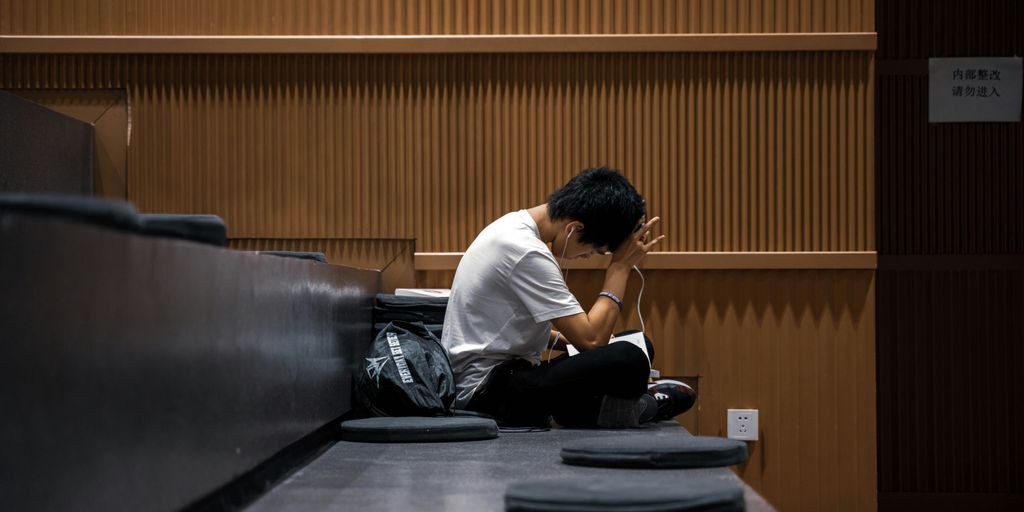
Figuring out the perfect amount of study time isn’t a one-size-fits-all thing. It really depends on a bunch of different factors. Knowing what these are can help you make the most of your study sessions without burning yourself out. It’s all about finding that sweet spot!
Assessing Content Volume and Complexity
First off, how much stuff do you actually need to learn? And how hard is it? A huge textbook filled with complicated ideas is going to take way longer than a thin booklet of simple facts. The more material and the tougher the concepts, the more time you’ll need. Think about it like this:
- A single chapter on basic algebra: Maybe 2-3 hours.
- An entire textbook on advanced calculus: Buckle up for 20+ hours.
- A collection of short stories: Probably less than 5 hours.
Understanding Your Personal Learning Style
Everyone learns differently. Some people are visual learners, some are auditory, and some are kinesthetic. If you’re a visual learner, you might need more time to look at diagrams and charts. If you’re an auditory learner, you might benefit from listening to lectures or recordings. Knowing your learning style can help you tailor your study methods and estimate how long things will take. For example:
- Visual learners might need extra time to create mind maps or flashcards.
- Auditory learners might benefit from recording themselves reading notes and playing them back.
- Kinesthetic learners might need to incorporate movement, like walking while reviewing.
The Impact of Prior Knowledge on Study Time
What you already know plays a huge role. If you’ve already got a solid foundation in a subject, you’ll need less time to review it. But if you’re starting from scratch, be prepared to put in more hours. Think of it like building a house – if you already have the foundation, you can build faster. If you’re familiar with the material, you might not need as much time to review it. Tailor your study hours to your existing knowledge. For example, if you’ve already taken a course on basic statistics, you might only need a quick refresher before an exam. But if you’ve never seen statistics before, you’ll need to spend more time learning the fundamentals.
Strategic Approaches for Short-Term Exam Preparation

When you’re facing an exam with limited study time, you need to be smart about how you use those precious hours. It’s not about cramming everything in; it’s about focusing on what matters most and using effective strategies to make the most of your preparation. Let’s get into it.
Prioritizing High-Yield Topics for Efficiency
The key here is to identify the topics that are most likely to appear on the exam and carry the most weight. Think about it: why spend hours on something that’s only worth a few points when you could master a topic that’s worth a significant portion of your grade? Talk to your professor or TA, review past exams (if available), and look for patterns in the course material to figure out what’s most important. Then, focus your energy there. It’s about working smarter, not harder. This is where creating a study guide can really pay off.
Maximizing Practice and Self-Assessment
Reading and re-reading notes can only get you so far. The real learning happens when you actively engage with the material. That means doing practice problems, answering sample questions, and testing yourself regularly. Self-assessment helps you identify your weak spots so you can focus your studying where it’s needed most.
Here’s a simple way to think about it:
- Practice Questions: Work through as many as possible.
- Past Exams: If available, treat them like the real thing.
- Self-Quizzing: Regularly test your knowledge.
Avoiding All-Nighters for Optimal Performance
I know, I know, it’s tempting to pull an all-nighter when you’re short on time. But trust me, it’s almost always a bad idea. Sleep deprivation impairs cognitive function, reduces memory retention, and makes it harder to focus during the exam. Instead of sacrificing sleep, try to get at least a few hours of quality rest. A well-rested brain is a much more effective learning machine than an exhausted one. Plus, you’ll be less stressed and more confident on exam day. It’s a win-win. Consider using the Pomodoro Technique to stay focused without burning out.
Managing Multiple Subjects Within a Limited Timeline
Okay, so you’ve got, like, three exams looming, and only four days to prep? Don’t freak out! It’s doable. It’s all about being smart and organized. I’ve been there, trust me. It feels like a juggling act, but with a solid plan, you can keep all those balls in the air. Let’s break down how to handle this multi-subject madness.
Creating a Balanced Study Schedule
First things first: the schedule. You absolutely need one. Grab a piece of paper, open a spreadsheet, whatever works for you. The key is to visually map out your time. Don’t just think about it; write it down. I find it helps to start by blocking out non-negotiable commitments – work, appointments, sleep (yes, sleep is non-negotiable!). Then, divvy up the remaining time between your subjects.
Here’s a basic idea of how you could split your time:
- Day 1: Subject A (focus on core concepts)
- Day 2: Subject B (focus on core concepts)
- Day 3: Subject C (focus on core concepts)
- Day 4: Review all subjects, practice questions
Remember to be realistic. Don’t try to cram 8 hours of studying into a 4-hour slot. It won’t work, and you’ll just burn out. Also, build in buffer time. Things always take longer than you expect. If you want to create a study schedule, make sure to include breaks!
Focusing on Key Concepts Across Disciplines
With limited time, you can’t afford to get bogged down in the details. Identify the core concepts for each subject. What are the big ideas? What are the things that keep coming up in lectures and readings? Focus on those. Textbooks often have summaries at the end of chapters – use them! Professors also tend to emphasize certain topics, so prioritize those. Think of it like building a house: you need a strong foundation (the core concepts) before you can add the fancy stuff (the details). Prioritizing topics by importance is key.
Maintaining Mental Well-being During Intense Periods
This is super important, and often overlooked. Studying for multiple exams in a short period is stressful. Don’t let it consume you. Schedule in time for activities you enjoy – even if it’s just 30 minutes of watching your favorite show or going for a walk. Eat well, stay hydrated, and get enough sleep. Pulling all-nighters is tempting, but it’s usually counterproductive. A well-rested brain learns better than a sleep-deprived one. If you’re feeling overwhelmed, talk to someone – a friend, a family member, a classmate. Don’t be afraid to ask for help. Remember, it’s just an exam. Your mental health is way more important. Take care of your physical and emotional needs.
Setting Up Your Environment for Productive Study
Let’s be real, trying to cram for an exam in a chaotic environment is like trying to run a marathon in flip-flops. It’s just not gonna work. You need a space that’s conducive to focus and minimizes distractions. It’s not about having a perfectly sterile environment, but rather one that supports your concentration and reduces stress. Think of it as creating your personal study sanctuary.
Minimizing Digital Distractions
Okay, this is a big one. Our phones are basically black holes for our attention spans. Turning off notifications is non-negotiable. Seriously, do it. All those buzzing, pinging, and vibrating alerts are designed to pull you away from what you’re doing. Consider using website blockers or apps that limit your access to social media and other distracting sites during study sessions. Let’s be honest, who hasn’t fallen down the rabbit hole of YouTube when they should be studying? It’s also a good idea to inform your friends and family that you’re in study mode and need to minimize interruptions.
Creating a Conducive Learning Space
Your study space should be a place where you actually want to spend time. Find a quiet area where you can minimize noise and interruptions. Make sure you have a comfortable chair and a desk or table that’s the right height for you. Good lighting is also key to reduce eye strain. Personalize the space with things that make you feel good, like plants or inspiring quotes, but avoid clutter that can be distracting. Think about investing in some noise-canceling headphones if you’re easily distracted by sound. A good study space can make all the difference.
Preparing Essential Materials for Exam Day
There’s nothing worse than realizing you’re missing a crucial textbook or calculator right before an exam. Gather all your necessary materials well in advance. This includes textbooks, notes, pens, pencils, erasers, calculators, and any other tools you might need. Organize your notes and materials in a way that makes sense to you, whether that’s using binders, folders, or digital tools. Make a checklist of everything you need to bring to the exam and double-check it the night before. Having all your exam materials ready to go will reduce stress and help you feel more prepared.
Addressing Overwhelm and Stress During Exam Prep
Exam prep can be super stressful, especially when you’re on a tight schedule. It’s easy to feel like you’re drowning in information and pressure. But don’t worry, there are ways to manage the stress and get through it!
Breaking Down Tasks into Achievable Goals
Instead of looking at the exam as one giant, scary thing, try breaking it down into smaller, more manageable tasks. This makes the whole process seem less daunting. For example, instead of "study chapter 5," try "read section 5.1 and take notes." Small wins can really boost your confidence and keep you motivated. Think of it like this:
- Day 1: Review sections 1.1-1.3
- Day 2: Practice problems for chapter 1
- Day 3: Review sections 2.1-2.4
Practicing Relaxation Techniques
When you’re stressed, your body tenses up, and your mind races. Taking a few minutes to relax can make a big difference. Simple things like deep breathing exercises or meditation can help calm your nerves. There are tons of free apps and videos that can guide you through relaxation techniques. Even just stepping away from your books for 10 minutes to listen to music or stretch can help clear your head. Prioritize regular exercise to help manage stress effectively.
Seeking Support When Feeling Overwhelmed
Don’t be afraid to ask for help! Talk to your friends, family, or classmates about how you’re feeling. Sometimes just venting your frustrations can make you feel better. If you’re really struggling, consider talking to a counselor or therapist. They can provide you with tools and strategies to manage your stress and anxiety. Remember, it’s okay to not be okay, and seeking support is a sign of strength, not weakness. Consider joining a study group for peer support and shared learning.
Conclusion
So, is four days enough to get ready for an exam? Well, it really depends on a bunch of things. Like, how much stuff you need to learn, how hard it is, and how you like to study. There’s no magic number of hours that works for everyone. The main idea is to start early, break your study time into smaller chunks, and use methods that actually help you learn. Don’t just read your notes over and over. Try to really understand the material, quiz yourself, and maybe even explain it to someone else. And hey, don’t forget to take breaks and get some sleep. Burning yourself out isn’t going to help anyone. If you plan things out and stick to it, you can definitely make those four days count.




Prosecutors Say Jason Finkelstein Spent 11 Seconds Reviewing Cardiac Images Before Clearing a Teenage Athlete

Prosecutors Say Jason Finkelstein Spent 11 Seconds Reviewing Cardiac Images Before Clearing a Teenage Athlete
Prosecutors Say Jason Finkelstein Spent 11 Seconds Reviewing Cardiac Images Before Clearing a Teenage Athlete
Prosecutors Say Jason Finkelstein Spent 11 Seconds Reviewing Cardiac Images Before Clearing a Teenage Athlete

Prosecutors Say Jason Finkelstein Spent 11 Seconds Reviewing Cardiac Images Before Clearing a Teenage Athlete
Prosecutors Say Jason Finkelstein Spent 11 Seconds Reviewing Cardiac Images Before Clearing a Teenage Athlete

Prosecutors Say Jason Finkelstein Spent 11 Seconds Reviewing Cardiac Images Before Clearing a Teenage Athlete
Prosecutors Say Jason Finkelstein Spent 11 Seconds Reviewing Cardiac Images Before Clearing a Teenage Athlete
Prosecutors Say Jason Finkelstein Spent 11 Seconds Reviewing Cardiac Images Before Clearing a Teenage Athlete

Prosecutors Say Jason Finkelstein Spent 11 Seconds Reviewing Cardiac Images Before Clearing a Teenage Athlete
Prosecutors Say Jason Finkelstein Spent 11 Seconds Reviewing Cardiac Images Before Clearing a Teenage Athlete
Prosecutors Say Jason Finkelstein Spent 11 Seconds Reviewing Cardiac Images Before Clearing a Teenage Athlete
Prosecutors Say Jason Finkelstein Spent 11 Seconds Reviewing Cardiac Images Before Clearing a Teenage Athlete

Prosecutors Say Jason Finkelstein Spent 11 Seconds Reviewing Cardiac Images Before Clearing a Teenage Athlete
Prosecutors Say Jason Finkelstein Spent 11 Seconds Reviewing Cardiac Images Before Clearing a Teenage Athlete

-
Alternative Energy5 days ago
Brian Rowan’s Possible Defense: No Intent, No Control, No Fraud, Just Sales
-
Alternative Energy5 days ago
Federal Grand Jury Indicts Oren Shachar in Hospice Fraud Case
-
Business4 days ago
How Darrell Seale Builds High-Performing Teams Through Service-Based Leadership
-
Education4 days ago
Daniel Cullen Delafield on Bridging Executive Leadership and Skilled Trades Development
-

 News2 days ago
Prosecutors Say Jason Finkelstein Spent 11 Seconds Reviewing Cardiac Images Before Clearing a Teenage Athlete
-
News2 days ago
Prosecutors Say Jason Finkelstein Spent 11 Seconds Reviewing Cardiac Images Before Clearing a Teenage Athlete
-
News2 days ago
Prosecutors Say Jason Finkelstein Spent 11 Seconds Reviewing Cardiac Images Before Clearing a Teenage Athlete
-
News2 days ago
Prosecutors Say Jason Finkelstein Spent 11 Seconds Reviewing Cardiac Images Before Clearing a Teenage Athlete