
Geopolitics
Mass Firings Under Trump Administration Disrupt Government Operations

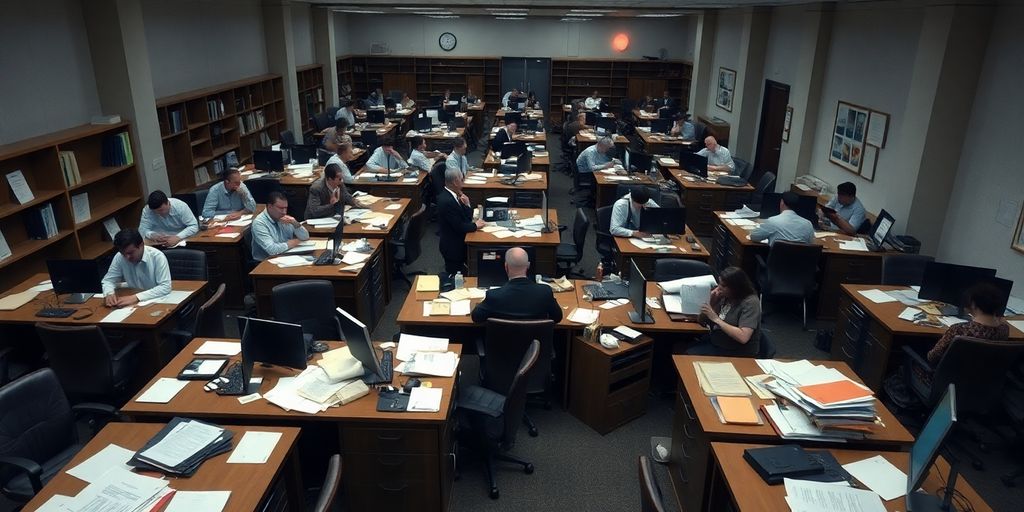
The Trump administration’s recent mass firings of federal employees have sent shockwaves through government agencies, leading to significant disruptions in essential services. Thousands of workers, particularly those in probationary status, have been let go, raising concerns about the impact on public services and the emotional toll on affected families.
Key Takeaways
- Mass Layoffs: Thousands of federal employees, especially probationary workers, have been terminated.
- Emotional Impact: Many affected workers report feelings of anger, confusion, and financial distress.
- Service Disruptions: Key government functions, including health services and veterans’ care, are at risk due to staffing shortages.
- Legal Challenges: Unions are filing lawsuits against the administration, claiming the firings violate established procedures.
Overview of Firings
In a sweeping move, the Trump administration has initiated mass layoffs across various federal agencies, including the Departments of Education, Veterans Affairs, and Agriculture. The firings primarily target employees who are still within their probationary periods, making them easier to dismiss without the protections afforded to career employees.
Affected workers have expressed shock and dismay at the abrupt nature of their terminations. Many received generic termination letters citing inadequate performance, despite having positive reviews prior to their dismissal. This has led to widespread feelings of betrayal among those who dedicated their careers to public service.
Financial and Emotional Toll
The emotional and financial repercussions of these firings are profound. Many employees, like Elena Moseyko, a data scientist at the Department of Veterans Affairs, have found themselves scrambling to adjust to sudden unemployment. With bills to pay and families to support, the stress of job loss has left many in a state of despair.
- Immediate Concerns: Affected workers are now focused on filing for unemployment benefits and reassessing their financial situations.
- Long-Term Effects: The loss of jobs not only impacts the individuals but also the communities they serve, particularly in rural areas where federal programs are vital for local economies.
Impact on Government Services
The mass firings have raised alarms about the potential disruption of essential government services. For instance, the Centers for Disease Control and Prevention (CDC) and the Department of Health and Human Services (HHS) have seen significant reductions in staff, which could hinder their ability to respond to public health needs effectively.
- Veterans Affairs: The firings threaten to exacerbate existing issues within the VA, potentially leading to longer wait times for veterans seeking care.
- Public Health: Programs aimed at improving maternal health and supporting vulnerable populations may face cuts, affecting those who rely on these services.
Legal and Political Repercussions
In response to the firings, several labor unions have filed lawsuits against the Trump administration, arguing that the dismissals violate established procedures and lack just cause. The American Federation of Government Employees has been vocal in its opposition, stating that the firings are not reflective of employee performance but rather a politically motivated purge.
- Political Backlash: Some lawmakers, including Republican Senator Lisa Murkowski, have expressed concern over the chaotic nature of the firings and their impact on civil servants.
- Future of Federal Employment: The ongoing legal battles and public outcry may influence future employment policies within the federal government.
Conclusion
The mass firings initiated by the Trump administration represent a significant shift in federal employment practices, with far-reaching implications for government operations and the lives of thousands of workers. As the situation unfolds, the focus will remain on the legal challenges and the potential for lasting changes in how the federal workforce is managed.
Sources


Prosecutors Say Jason Finkelstein Spent 11 Seconds Reviewing Cardiac Images Before Clearing a Teenage Athlete

Prosecutors Say Jason Finkelstein Spent 11 Seconds Reviewing Cardiac Images Before Clearing a Teenage Athlete
Prosecutors Say Jason Finkelstein Spent 11 Seconds Reviewing Cardiac Images Before Clearing a Teenage Athlete
Prosecutors Say Jason Finkelstein Spent 11 Seconds Reviewing Cardiac Images Before Clearing a Teenage Athlete

Prosecutors Say Jason Finkelstein Spent 11 Seconds Reviewing Cardiac Images Before Clearing a Teenage Athlete
Prosecutors Say Jason Finkelstein Spent 11 Seconds Reviewing Cardiac Images Before Clearing a Teenage Athlete

Prosecutors Say Jason Finkelstein Spent 11 Seconds Reviewing Cardiac Images Before Clearing a Teenage Athlete
Prosecutors Say Jason Finkelstein Spent 11 Seconds Reviewing Cardiac Images Before Clearing a Teenage Athlete
Prosecutors Say Jason Finkelstein Spent 11 Seconds Reviewing Cardiac Images Before Clearing a Teenage Athlete

Prosecutors Say Jason Finkelstein Spent 11 Seconds Reviewing Cardiac Images Before Clearing a Teenage Athlete
Prosecutors Say Jason Finkelstein Spent 11 Seconds Reviewing Cardiac Images Before Clearing a Teenage Athlete
Prosecutors Say Jason Finkelstein Spent 11 Seconds Reviewing Cardiac Images Before Clearing a Teenage Athlete
Prosecutors Say Jason Finkelstein Spent 11 Seconds Reviewing Cardiac Images Before Clearing a Teenage Athlete

Prosecutors Say Jason Finkelstein Spent 11 Seconds Reviewing Cardiac Images Before Clearing a Teenage Athlete
Prosecutors Say Jason Finkelstein Spent 11 Seconds Reviewing Cardiac Images Before Clearing a Teenage Athlete

-
Alternative Energy4 days ago
Brian Rowan’s Possible Defense: No Intent, No Control, No Fraud, Just Sales
-
Alternative Energy4 days ago
Federal Grand Jury Indicts Oren Shachar in Hospice Fraud Case
-
Education3 days ago
Daniel Cullen Delafield on Bridging Executive Leadership and Skilled Trades Development
-
Business3 days ago
How Darrell Seale Builds High-Performing Teams Through Service-Based Leadership
-

 News1 day ago
Prosecutors Say Jason Finkelstein Spent 11 Seconds Reviewing Cardiac Images Before Clearing a Teenage Athlete
-
News1 day ago
Prosecutors Say Jason Finkelstein Spent 11 Seconds Reviewing Cardiac Images Before Clearing a Teenage Athlete
-
News1 day ago
Prosecutors Say Jason Finkelstein Spent 11 Seconds Reviewing Cardiac Images Before Clearing a Teenage Athlete
-
News1 day ago
Prosecutors Say Jason Finkelstein Spent 11 Seconds Reviewing Cardiac Images Before Clearing a Teenage Athlete