
Home & Family
Finding Your Ideal 1 Bedroom Apartment in Florida: A Comprehensive Guide


Looking for a 1 bedroom apartment in Florida can feel like a big project, right? With so many cool places to live, from sunny beaches to busy city spots, it’s easy to get a bit lost. This guide is here to help you figure things out, step by step, so you can find that perfect 1 bedroom apartment in Florida without all the stress. We’ll cover everything from figuring out what you can afford to signing on the dotted line.
Key Takeaways
- Know your budget and stick to it.
- Think about what you really need in an apartment, like location or features.
- Use online tools to find places, but also go see them in person.
- Understand Florida’s rental rules before you sign anything.
- Consider getting help from a real estate agent.
Understanding the Florida Rental Landscape
Identifying Your Ideal Tenant Profile
Before diving into the Florida rental market, it’s smart to figure out who you want as a tenant. Are you looking for students, young professionals, families, or retirees? Knowing your ideal tenant will shape your search and help you find a place that fits their needs. For example, a place near a university might be great for students, while a quiet neighborhood could attract retirees. Think about what kind of amenities and location would appeal to your target group. This will make your apartment more attractive and easier to rent out.
Navigating Florida’s Diverse Rental Markets
Florida’s rental scene is super diverse, with different vibes and price points depending on where you look. You’ve got bustling cities like Miami and Tampa, quieter coastal towns, and everything in between. Each area has its own unique character and rental market dynamics. For example, Miami might have higher rents but also more job opportunities, while a smaller town could be more affordable but with fewer amenities. It’s a good idea to do some research on different areas to see what fits your lifestyle and budget. Consider things like job market, local attractions, and the overall cost of living. Understanding these differences is key to finding the right spot. Don’t forget to check out local blogs and forums for insights from people who already live there. Looking at rental market trends can also help you make an informed decision.
Key Financial Considerations for Renters
Okay, let’s talk money. Renting in Florida isn’t just about the monthly payment; there are other costs to keep in mind. First, there’s the security deposit, which can be equal to one or two months’ rent. Then, you might have application fees, move-in costs, and utility deposits. And don’t forget about renter’s insurance, which is a must to protect your belongings. It’s also a good idea to factor in things like parking fees, pet fees, and any community amenities you might use. To get a clear picture of your total monthly expenses, make a list of all these potential costs. This will help you create a realistic budget and avoid any surprises down the road. Also, consider the security deposit regulations in Florida to protect your rights as a renter.
Setting Your Search Parameters
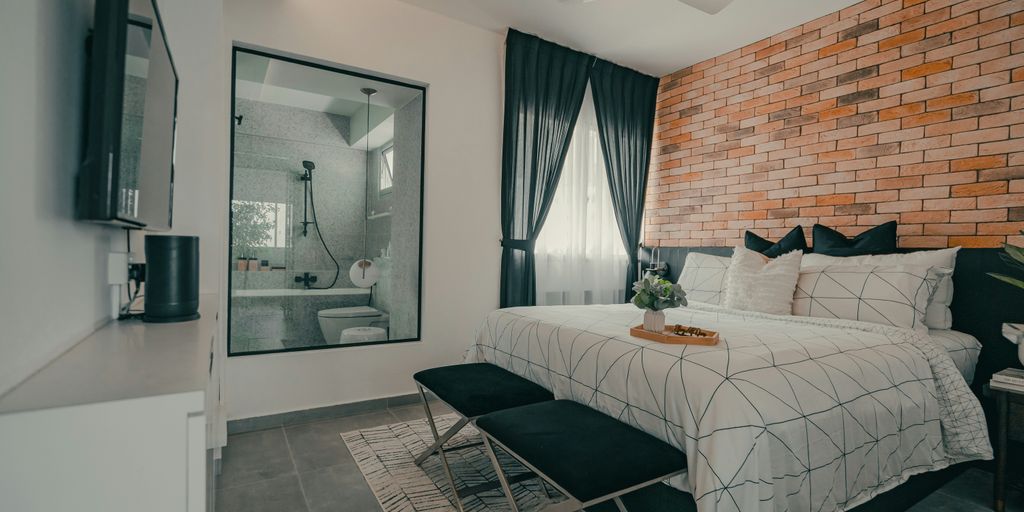
Okay, so you’re ready to find that perfect one-bedroom apartment in Florida. Awesome! But before you start scrolling through listings, it’s smart to take a step back and really think about what you need and want. This isn’t just about finding an apartment; it’s about finding your apartment. Let’s get into it.
Defining Your Budget for a 1 Bedroom Apartment
First things first: money. Knowing exactly how much you can comfortably spend on rent each month is super important. Don’t just look at the advertised rent price. Factor in utilities (electricity, water, internet – these can really add up, especially in Florida’s heat), potential parking fees, and any community amenities you might have to pay for. It’s easy to get excited about a place, but overextending yourself financially will just lead to stress down the road. A good rule of thumb is the 30% rule – aim to spend no more than 30% of your gross monthly income on rent. But honestly, in some Florida markets, that might be tough, so adjust accordingly. Also, don’t forget to factor in the cost of moving!
Prioritizing Essential Features and Amenities
What can you not live without? Make a list! Is it in-unit laundry? Central AC (trust me, in Florida, this is close to a necessity)? A pet-friendly policy? A balcony? High-speed internet access? Think about your daily life and what would make it easier and more enjoyable.
Here’s a quick example of how you might prioritize:
- Must-Haves: Central AC, pet-friendly, in-unit laundry
- Nice-to-Haves: Balcony, updated kitchen, covered parking
- Deal Breakers: No pets allowed, no AC, shared laundry room
Knowing your priorities will help you narrow down your search and avoid wasting time on apartments that just aren’t a good fit. If you are looking for apartments in Gainesville, you might have to make some concessions.
Exploring Neighborhoods Across Florida
Florida is a big state, and each area has its own vibe and price point. Do you want to be in a bustling city center, a quiet suburban neighborhood, or right on the beach? Consider your lifestyle, commute, and what you like to do in your free time. Research different neighborhoods and see what they have to offer. Think about things like:
- Safety: Check crime rates and read neighborhood reviews.
- Commute: How long will it take you to get to work or school?
- Amenities: Are there grocery stores, restaurants, and parks nearby?
- Cost of Living: How does the cost of living in this neighborhood compare to your budget?
Don’t be afraid to visit different areas and get a feel for them before making a decision. Drive around, walk the streets, and talk to people who live there. This will give you a much better sense of whether or not it’s the right place for you.
Effective Apartment Hunting Strategies
Leveraging Online Rental Platforms
Okay, so you’re ready to find that perfect one-bedroom in Florida. First things first, get online! Websites like Zillow, Apartments.com, and even Craigslist are your best friends right now. Don’t just skim; really use those filters. Narrow down your search by price, amenities (gotta have that pool, right?), and location. I usually spend a couple of hours each week just browsing new listings. It’s also a good idea to set up alerts so you know when something new pops up that fits your criteria. Trust me, good apartments go fast!
Scheduling and Conducting Apartment Tours
Pictures can be deceiving, so you absolutely have to see places in person. I try to schedule at least three or four tours in a single day to make the most of my time. When you’re there, don’t be shy! Open cabinets, check the water pressure, and ask about anything that’s not clear. Here’s a little checklist I use:
- Checklist for Apartment Tours:
- Inspect for any signs of pests or damage.
- Test all appliances to make sure they work.
- Ask about the building’s pet policy (if you have a furry friend).
- Talk to current tenants if possible to get their honest opinions.
Understanding Lease Agreements and Terms
Okay, this is the boring but super important part. Before you sign anything, read the entire lease agreement. Twice. Pay close attention to the lease length, the amount of the security deposit, and any rules about pets or guests. What happens if you need to break the lease? Are there any extra fees for parking or amenities? I once signed a lease without realizing I had to pay extra for parking, and it was not a fun surprise. If there’s anything you don’t understand, don’t be afraid to ask the landlord or property manager. It’s better to be safe than sorry. Also, make sure you understand Florida’s Landlord-Tenant Laws before signing anything.
Legal Aspects of Renting in Florida
Renting in Florida comes with its own set of rules, so it’s a good idea to get familiar with them. It’s not the most exciting part of finding an apartment, but knowing your rights and responsibilities can save you a lot of headaches down the road. Think of it as insurance against future problems.
Florida’s Landlord-Tenant Laws
Florida has specific laws that govern the relationship between landlords and tenants. These laws cover everything from lease agreements to eviction procedures. It’s worth taking some time to read through the Florida Statutes, Chapter 83, which deals with landlord and tenant matters. You can usually find this information on the Florida Legislature’s website. Some key areas covered include:
- Lease requirements: What needs to be in a lease to make it valid.
- Landlord’s access to the property: When and how a landlord can enter your apartment.
- Tenant’s responsibilities: What you’re responsible for as a renter, like keeping the place clean and not disturbing neighbors.
Security Deposit Regulations
Security deposits are a common part of renting, but Florida law puts some rules around how landlords can handle them. Here’s what you should know:
- Maximum Amount: There isn’t a limit on how much a landlord can charge for a security deposit, but it’s usually one or two months’ rent.
- How it Must Be Held: Landlords must hold your security deposit in a Florida banking institution. They can’t just stick it under their mattress.
- Returning the Deposit: When you move out, the landlord has 15 days to return your deposit if they aren’t making a claim on it. If they are claiming part of the deposit for damages, they have 30 days to send you a written notice explaining why. If you disagree with the claim, you can dispute it.
Understanding Eviction Policies
No one wants to think about eviction, but it’s important to know the process. In Florida, a landlord can evict you for a few reasons, including not paying rent or violating the lease agreement. The process usually goes like this:
- Notice: The landlord has to give you written notice before starting an eviction case. The amount of notice depends on the reason for the eviction. For example, if you haven’t paid rent, they usually have to give you a three-day notice to pay or leave. Understanding eviction policies is key to protecting your rights.
- Filing a Lawsuit: If you don’t move out or fix the problem, the landlord can file an eviction lawsuit in court.
- Court Hearing: You’ll have a chance to respond to the lawsuit and present your side of the story to a judge.
- Eviction Order: If the judge rules in favor of the landlord, they’ll issue an eviction order, and you’ll have to move out by a certain date. If you don’t, the sheriff can physically remove you and your belongings.
Working with Real Estate Professionals
Finding a one-bedroom apartment in Florida can feel like a full-time job. Luckily, there are people whose job it is to help you! Real estate professionals can really simplify the process, saving you time and stress. They bring local market knowledge and negotiation skills to the table. Let’s explore how they can help.
Benefits of a Real Estate Agent
Real estate agents are more than just people who show you apartments. They act as your advocate throughout the entire rental process. Here’s what they bring to the table:
- Access to Listings: Agents often have access to listings before they hit the big public websites. This gives you a jump on the competition.
- Negotiation Skills: Agents are pros at negotiating lease terms and rental rates. They can help you get the best possible deal.
- Local Market Knowledge: They know the neighborhoods, the average rents, and the hidden gems you might miss on your own. They can help you find the perfect rental property in Florida.
- Time Savings: Instead of spending hours searching online, an agent can curate a list of apartments that fit your needs and schedule showings for you.
Property Management Services
Property management companies handle the day-to-day operations of rental properties. While they primarily work for the landlord, understanding their role can be helpful for renters. They are often your point of contact for:
- Maintenance Requests: Need a repair? Property managers usually handle these.
- Lease Enforcement: They ensure both you and the landlord adhere to the lease terms.
- Rent Collection: They manage the rent payment process.
Knowing who to contact for what can streamline your renting experience. It’s good to know who is in charge of rent collection.
Expert Guidance for Your Search
Beyond agents, other experts can assist in your apartment hunt:
- Rental Consultants: These professionals specialize in helping renters find apartments, often focusing on specific needs or budgets.
- Relocation Specialists: If you’re moving from out of state, these specialists can provide valuable insights into different areas of Florida and help you find a suitable apartment.
Don’t be afraid to seek help! These experts can make your apartment search much smoother and more successful.
Financial Planning for Your Florida Apartment
Calculating Total Monthly Expenses
Okay, so you’ve found a sweet 1-bedroom in Florida. Awesome! But before you sign that lease, let’s get real about the money. It’s not just about the rent. You need to figure out everything you’ll be spending each month. This includes the obvious stuff, like rent and utilities, but also the less obvious things. Think about renter’s insurance – it’s usually pretty cheap, but super important. What about internet and cable? Are you planning on getting a parking spot? Don’t forget groceries, transportation (gas, public transit, or ride-sharing), and any subscriptions you have (Netflix, Spotify, gym membership, etc.). And of course, set aside some money for fun! You’re in Florida, after all. Here’s a quick example:
| Expense | Estimated Cost |
|---|---|
| Rent | $1,400 |
| Utilities | $200 |
| Internet/Cable | $75 |
| Renter’s Insurance | $20 |
| Groceries | $300 |
| Transportation | $150 |
| Entertainment | $200 |
| Total | $2,345 |
Understanding the 1% Rule for Rent
Okay, so the "1% rule" is something you might hear when people talk about buying rental properties, but it can be useful for renters too. Basically, it suggests that the monthly rent should be around 1% of the property’s total value. Now, you’re not buying, but you can still use this as a guideline. If you’re looking at a place where the rent seems way too high compared to similar properties, the 1% rule can be a quick way to check if you’re getting a fair deal. It’s not a perfect science, but it’s another tool in your apartment-hunting arsenal. For example, if similar properties are valued around $150,000, then a rent of $1,500 might be reasonable. If the rent is significantly higher, it might be worth exploring other options or rent vs buy in Florida.
Budgeting for Unexpected Costs
Life happens, right? Your car needs a repair, you get a surprise medical bill, or your friend decides to have a last-minute birthday bash in Miami. That’s why you absolutely need to budget for unexpected costs. Here’s how I usually handle it:
- Emergency Fund: Aim to have at least 3-6 months’ worth of living expenses saved up in an emergency fund. This is your safety net for big, unexpected events. It’s hard to get there, but it’s worth it.
Long-Term Considerations for Renters
Monitoring Florida’s Real Estate Trends
Okay, so you’ve found your perfect 1-bedroom in Florida. Congrats! But don’t just kick back and relax just yet. The Florida real estate market is always moving, and it’s a good idea to keep an eye on things. Staying informed about these shifts can help you make smart decisions about renewing your lease or even considering a move.
- Follow local news and real estate blogs. They often have articles about market forecasts and changes in rental rates.
- Check out reports from real estate companies. Many publish regular analyses of rental trends in different Florida cities.
- Talk to people! Chat with neighbors, real estate agents, or anyone else who might have insights into the local market.
Adapting to Market Changes
So, what happens if the market does change? Maybe rents are going up in your area, or maybe new developments are making your neighborhood more desirable (and expensive). You need to be ready to adapt.
- Be prepared to negotiate your rent. If you’re a good tenant, your landlord might be willing to work with you to keep you around.
- Consider moving to a different neighborhood. If your current area is getting too pricey, there might be other, more affordable options nearby. Jacksonville and Fort Myers have seen population growth, increasing demand for long term rentals.
- Think about downsizing or finding a roommate. This might not be ideal, but it could help you save money if rents are skyrocketing.
Future-Proofing Your Rental Choice
When you’re signing a lease, you’re not just thinking about the next year. You’re also thinking about your future. So, how can you make sure your rental choice is a good one in the long run?
- Choose a location with good access to transportation. Even if you don’t need it now, you might in the future.
- Look for a place with amenities that will be important to you as you get older. Think about things like accessibility, nearby healthcare, and community activities.
- Consider the potential for future development in the area. Is there a lot of empty land nearby? If so, it could be developed into something that changes the character of your neighborhood. You might even find a realtor to help you with this.
Basically, think ahead! A little planning now can save you a lot of headaches down the road.
Conclusion
So, finding that perfect one-bedroom spot in Florida might seem like a big job, right? But honestly, with a little bit of planning and knowing what you’re looking for, it’s totally doable. Think about what you really need, check out different areas, and don’t be afraid to ask for help from a real estate agent. Whether you’re dreaming of city life, beach vibes, or something quiet, Florida has a ton of options. Just take your time, do your homework, and you’ll find a place that feels just right.




Prosecutors Say Jason Finkelstein Spent 11 Seconds Reviewing Cardiac Images Before Clearing a Teenage Athlete

Prosecutors Say Jason Finkelstein Spent 11 Seconds Reviewing Cardiac Images Before Clearing a Teenage Athlete
Prosecutors Say Jason Finkelstein Spent 11 Seconds Reviewing Cardiac Images Before Clearing a Teenage Athlete
Prosecutors Say Jason Finkelstein Spent 11 Seconds Reviewing Cardiac Images Before Clearing a Teenage Athlete

Prosecutors Say Jason Finkelstein Spent 11 Seconds Reviewing Cardiac Images Before Clearing a Teenage Athlete
Prosecutors Say Jason Finkelstein Spent 11 Seconds Reviewing Cardiac Images Before Clearing a Teenage Athlete

Prosecutors Say Jason Finkelstein Spent 11 Seconds Reviewing Cardiac Images Before Clearing a Teenage Athlete
Prosecutors Say Jason Finkelstein Spent 11 Seconds Reviewing Cardiac Images Before Clearing a Teenage Athlete
Prosecutors Say Jason Finkelstein Spent 11 Seconds Reviewing Cardiac Images Before Clearing a Teenage Athlete

Prosecutors Say Jason Finkelstein Spent 11 Seconds Reviewing Cardiac Images Before Clearing a Teenage Athlete
Prosecutors Say Jason Finkelstein Spent 11 Seconds Reviewing Cardiac Images Before Clearing a Teenage Athlete
Prosecutors Say Jason Finkelstein Spent 11 Seconds Reviewing Cardiac Images Before Clearing a Teenage Athlete
Prosecutors Say Jason Finkelstein Spent 11 Seconds Reviewing Cardiac Images Before Clearing a Teenage Athlete

Prosecutors Say Jason Finkelstein Spent 11 Seconds Reviewing Cardiac Images Before Clearing a Teenage Athlete
Prosecutors Say Jason Finkelstein Spent 11 Seconds Reviewing Cardiac Images Before Clearing a Teenage Athlete

-
Alternative Energy4 days ago
Brian Rowan’s Possible Defense: No Intent, No Control, No Fraud, Just Sales
-
Alternative Energy4 days ago
Federal Grand Jury Indicts Oren Shachar in Hospice Fraud Case
-
Business3 days ago
How Darrell Seale Builds High-Performing Teams Through Service-Based Leadership
-
Education3 days ago
Daniel Cullen Delafield on Bridging Executive Leadership and Skilled Trades Development
-

 News1 day ago
Prosecutors Say Jason Finkelstein Spent 11 Seconds Reviewing Cardiac Images Before Clearing a Teenage Athlete
-
News1 day ago
Prosecutors Say Jason Finkelstein Spent 11 Seconds Reviewing Cardiac Images Before Clearing a Teenage Athlete
-

 News1 day ago
Prosecutors Say Jason Finkelstein Spent 11 Seconds Reviewing Cardiac Images Before Clearing a Teenage Athlete
-
News1 day ago
Prosecutors Say Jason Finkelstein Spent 11 Seconds Reviewing Cardiac Images Before Clearing a Teenage Athlete