
Food
Exploring the Culinary Landscape: What Defined 1950s Food?


The 1950s was a wild ride for American food. After the war, people had more money and new ways of cooking popped up everywhere. Convenience foods really took off, TV started showing up in homes, and everyone was buying new stuff. All these things changed how folks ate and cooked. This time period set the stage for a bunch of food trends we still see today, making it a super interesting part of American food history.
Key Takeaways
- The 1950s saw a big shift towards easy-to-make foods, like TV dinners and instant mixes, because people wanted to save time in the kitchen.
- Classic dishes like casseroles and meatloaf were super popular, showing how much families liked simple, hearty meals.
- New ingredients, especially things like mayonnaise, became kitchen staples, helping home cooks try out new recipes and flavors.
- Entertaining got a facelift with the rise of cocktail parties, where finger foods and fancy drinks were all the rage.
- The food trends and products from the 1950s left a lasting mark on American cooking, with many dishes and ideas still loved today.
The Rise of Convenience in 1950s Food
The 1950s marked a huge shift in how Americans cooked and ate. Post-war prosperity, new technology, and a desire for easier meal prep all played a part. Convenience became king, and the kitchen transformed into a modern hub filled with time-saving gadgets and ingredients.
The 1950s Home Kitchen: Convenience and Innovation
The kitchen became a showcase of modernity. New appliances and products aimed to make cooking faster and simpler. Frozen and pre-packaged foods really took off. TV dinners, introduced by Swanson in 1953, were a game-changer, offering a complete meal with minimal effort. Frozen foods, canned soups, and instant products became staples.
Popular Food Products Introduced in the 1950s
Several iconic food products debuted during this decade, forever changing American cuisine. These included:
- Ore-Ida frozen potato products
- Duncan Hines cake mixes
- Cheez Whiz
- Minute Rice
- Swanson TV dinners
These products made meal preparation easier and faster, catering to the busy lifestyles of 1950s families. Swanson’s TV dinners were a novelty that capitalized on the growing trend of eating in front of the television. The convenience and novelty of TV dinners made them an instant hit, and they became a staple in many households throughout the decade.
Cookbooks and Food Magazines
Cookbooks and food magazines played a big role in shaping culinary trends. They offered recipes that combined traditional American dishes with new flavors and convenient ingredients. These publications encouraged home cooks to embrace pre-packaged foods while still creating delicious meals. Better Homes and Gardens and Ladies’ Home Journal were also incredibly popular, providing recipes and meal-planning tips that fit the decade’s emphasis on efficiency.
Popular Recipes: The Dishes That Defined a Generation
The 1950s were a time of culinary transformation, and certain recipes became synonymous with the era. These dishes, often blending convenience with a touch of mid-century flair, remain classic comfort foods today.
Casseroles: A 1950s Food Staple
Casseroles were the ultimate one-dish meal, perfect for feeding the whole family. The green bean casserole, typically made with Campbell’s Cream of Mushroom Soup and topped with crispy fried onions, became a holiday staple. Tuna noodle casserole, featuring egg noodles, canned tuna, and sometimes crushed potato chips, was another popular choice, reflecting the decade’s love for easy, budget-friendly meals. These dishes were simple to prepare and required minimal cleanup, making them a hit with busy homemakers. Green bean casserole is still a favorite today.
Meatloaf: A Hearty Family Favorite
Meatloaf was a quintessential dish, made with ground beef, breadcrumbs, and a tangy ketchup glaze. It was affordable and could feed a large family. Variations of meatloaf recipes were found in nearly every household, making it a true staple. It was often served with mashed potatoes and a simple vegetable, creating a complete and satisfying meal. The simplicity and versatility of meatloaf made it a go-to option for weeknight dinners.
Jell-O Salads and Chiffon Pies
Jell-O salads were a creative combination of dessert and side dish, often containing fruits, vegetables, and sometimes even meats suspended in a gelatin mold. These salads were a visually appealing way to present a dish, and their vibrant colors made them a centerpiece at many dinner parties and holiday gatherings. Chiffon pies were light, airy desserts that gained popularity. Made with a graham cracker crust and a fluffy filling, often flavored with lemon or chocolate, these pies were a refreshing end to a meal. They offered a lighter alternative to heavier desserts and were perfect for warm weather gatherings.
Here are some other popular recipes from the 1950s:
- Deviled Eggs
- Chicken Parmesan
- Mexican Wedding Cakes
Trendy Ingredients: A Peek Into the 1950s Pantry
The 1950s saw a real shift in what people kept in their pantries. A lot of it had to do with new technology and the desire for easier meal prep. Let’s take a look at some of the ingredients that were all the rage back then.
The Versatility of Mayonnaise
Mayonnaise was everywhere in the 1950s. It wasn’t just for sandwiches; it was a key ingredient in everything from salads to casseroles. Its creamy texture made it super popular for creating rich dishes. People used it as a base for dips, dressings, and even in some pretty wild Jell-O concoctions. It was a true pantry staple.
Other Trendy Ingredients
Besides mayonnaise, a few other ingredients really took off during this decade:
- Canned Soups: Campbell’s Cream of Mushroom Soup was a game-changer. People used it as a base for casseroles and all sorts of dishes. It added flavor and moisture, making it a super versatile ingredient.
- Gelatin: Jell-O was huge! From salads to desserts, its versatility made it a hit. The ease of preparation and vibrant colors made it a favorite for creative homemakers. You could find vintage recipe box searches online.
- Frozen Foods: Freezers became more common, and frozen foods followed suit. Vegetables, meats, and even TV dinners were all the rage, offering a quick solution for busy families.
- Canned Fruits: Pineapple, peaches, and maraschino cherries were used in everything from Jell-O salads to pineapple upside-down cake. They added sweetness and color to many recipes.
New Flavors and International Influences
While convenience was key, there was also a growing interest in new flavors. Things like soy sauce and Worcestershire sauce started appearing in more recipes, adding a bit of international flair to everyday meals. People were starting to experiment a little more, even if it was within the confines of their casseroles and Jell-O molds.
Entertaining in the 1950s: The Rise of the Cocktail Party
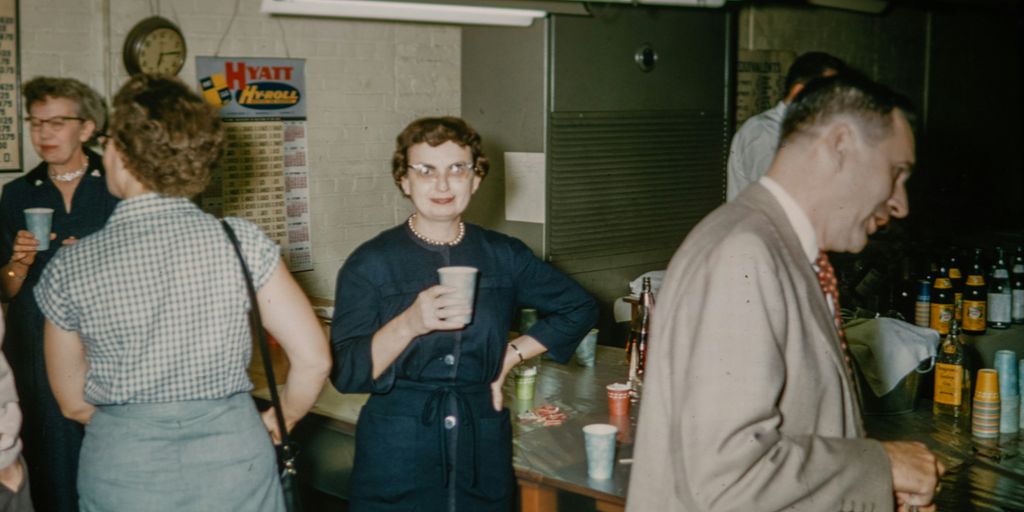
The 1950s weren’t just about family dinners; they were also a time when entertaining became a big social thing. The post-war boom meant more people living in the suburbs, and that led to the rise of the cocktail party. It was all about showing off your new home and appliances, and having friends over for drinks and snacks.
Cocktail Culture and Popular Drinks
Cocktail parties became a super popular way to hang out, with hosts serving all kinds of snacks and, of course, cocktails. The drinks back then were pretty simple, but they packed a punch. Think classic cocktails like the Martini, Manhattan, and Old Fashioned. Here are some other popular cocktails:
- Daiquiri
- Gimlet
- Sidecar
Finger Foods and Appetizers
No cocktail party was complete without some tasty finger foods. Easy-to-eat snacks were key. Deviled eggs were a party favorite, offering a simple yet elegant appetizer. Other popular choices included:
- Pigs in a blanket
- Shrimp cocktail
- Cheese balls
Fondue also started to show up around the end of the decade. It was a fun, interactive way to enjoy food, letting guests dip bread, veggies, and meats into melted cheese or chocolate.
The Experience of 1950s Entertaining
Entertaining in the 1950s was more than just about the food and drinks; it was about creating a whole experience. Hosts really took pride in making a welcoming and stylish place for their guests. It was all about presentation, from the perfectly mixed cocktails to the carefully arranged finger foods.
The Legacy of 1950s Cuisine
The 1950s were a wild time for food. New technology, convenience, and a growing consumer culture really changed how Americans ate. But what’s the deal now? How much of that decade is still hanging around in our kitchens and on our plates?
Lasting Impact on American Cooking
The convenience craze of the 1950s definitely left its mark. Think about it: frozen foods, pre-packaged meals, and all sorts of time-saving gadgets became super popular. That push for easier meal prep is still going strong today. We might not be eating TV dinners every night, but the desire for quick and simple meals is definitely still a thing. Plus, a lot of those classic recipes are still around, tweaked and updated, but still recognizable.
Nostalgia and Continued Popularity
There’s something about 1950s food that just feels… comforting. Maybe it’s the association with simpler times, or maybe it’s just that those dishes are genuinely tasty. Either way, there’s a definite sense of nostalgia around things like Jell-O salads and casseroles. You still see them at potlucks and family gatherings. They’re like a culinary time capsule, bringing back memories of a different era. It’s interesting how food can do that, right?
The Enduring Flavors of 1950s Food
Certain flavors and ingredients from the 1950s have really stuck around. Mayonnaise, for example, is still a kitchen staple. And while some of the more out-there flavor combinations might not be as common, the basic principles of those dishes are still relevant. It’s all about comfort, simplicity, and a little bit of fun. The legacy of 1950s cuisine is more than just recipes; it’s an attitude towards food that continues to influence how we cook and eat.
Key Developments in 1950s Food
The 1950s were a time of huge change in how Americans ate. Technological advancements and a growing consumer culture really shaped the culinary scene. Let’s take a look at some of the key things that happened.
1950s Timeline: Food, Brands, Magazines, Appliances, Ingredients, and Tools
It’s hard to overstate how much things changed in a single decade. Here’s a quick look at some of the highlights:
- 1950: Frozen Concentrated Orange Juice became super popular, making breakfast way easier. French’s Instant Mashed Potatoes also showed up, giving people a quick alternative to making them from scratch. Tupperware started to take off, thanks to those home parties. And the Betty Crocker Picture Cookbook? Total bestseller.
- 1951: Minute Rice hit the shelves, offering a fast-cooking rice option for busy families.
- 1953: Swanson changed the game with TV dinners.
Technological Advancements and Consumer Culture
New appliances were popping up everywhere, making life easier in the kitchen. Think about things like refrigerators with freezers, electric stoves, and dishwashers. These things weren’t just fancy gadgets; they changed how people shopped, cooked, and even ate. The rise of convenience foods, like instant cake mixes and pre-sliced bread, meant meals could be made super fast. This was a big deal, especially for women who were working both at home and outside the home.
Revolutionizing Meal Preparation
TV dinners were a total game-changer. Suddenly, you could have a complete meal ready in minutes. Brands like Swanson really capitalized on this, and TV dinners became a staple in many homes. Other popular products included Ore-Ida frozen potatoes, Duncan Hines cake mixes, and Cheez Whiz. These brands didn’t just make life easier; they also introduced new flavors and conveniences that really resonated with the culture of the time. People were also stocking up on canned goods, creating "emergency shelves" because of Cold War fears. Plus, returning GIs brought back a taste for international cuisine, so things like sukiyaki and pizza started showing up on American tables.
Conclusion
So, when you look back at the 1950s, it’s pretty clear that food was changing a lot. It wasn’t just about what people ate, but how they ate it, and even how they got it. Things like TV dinners and instant mixes really shook things up, making life easier for families. And all those new appliances? They made cooking way faster. It’s wild to think how much of what we do in the kitchen today actually started way back then. The 50s really set the stage for modern eating, and you can still see bits of that time in our food habits now. It was a pretty big deal for American food, for sure.




Prosecutors Say Jason Finkelstein Spent 11 Seconds Reviewing Cardiac Images Before Clearing a Teenage Athlete

Prosecutors Say Jason Finkelstein Spent 11 Seconds Reviewing Cardiac Images Before Clearing a Teenage Athlete
Prosecutors Say Jason Finkelstein Spent 11 Seconds Reviewing Cardiac Images Before Clearing a Teenage Athlete
Prosecutors Say Jason Finkelstein Spent 11 Seconds Reviewing Cardiac Images Before Clearing a Teenage Athlete

Prosecutors Say Jason Finkelstein Spent 11 Seconds Reviewing Cardiac Images Before Clearing a Teenage Athlete
Prosecutors Say Jason Finkelstein Spent 11 Seconds Reviewing Cardiac Images Before Clearing a Teenage Athlete

Prosecutors Say Jason Finkelstein Spent 11 Seconds Reviewing Cardiac Images Before Clearing a Teenage Athlete
Prosecutors Say Jason Finkelstein Spent 11 Seconds Reviewing Cardiac Images Before Clearing a Teenage Athlete
Prosecutors Say Jason Finkelstein Spent 11 Seconds Reviewing Cardiac Images Before Clearing a Teenage Athlete

Prosecutors Say Jason Finkelstein Spent 11 Seconds Reviewing Cardiac Images Before Clearing a Teenage Athlete
Prosecutors Say Jason Finkelstein Spent 11 Seconds Reviewing Cardiac Images Before Clearing a Teenage Athlete
Prosecutors Say Jason Finkelstein Spent 11 Seconds Reviewing Cardiac Images Before Clearing a Teenage Athlete
Prosecutors Say Jason Finkelstein Spent 11 Seconds Reviewing Cardiac Images Before Clearing a Teenage Athlete

Prosecutors Say Jason Finkelstein Spent 11 Seconds Reviewing Cardiac Images Before Clearing a Teenage Athlete
Prosecutors Say Jason Finkelstein Spent 11 Seconds Reviewing Cardiac Images Before Clearing a Teenage Athlete

-
Alternative Energy5 days ago
Brian Rowan’s Possible Defense: No Intent, No Control, No Fraud, Just Sales
-
Alternative Energy5 days ago
Federal Grand Jury Indicts Oren Shachar in Hospice Fraud Case
-
Business4 days ago
How Darrell Seale Builds High-Performing Teams Through Service-Based Leadership
-
Education4 days ago
Daniel Cullen Delafield on Bridging Executive Leadership and Skilled Trades Development
-

 News2 days ago
Prosecutors Say Jason Finkelstein Spent 11 Seconds Reviewing Cardiac Images Before Clearing a Teenage Athlete
-
News2 days ago
Prosecutors Say Jason Finkelstein Spent 11 Seconds Reviewing Cardiac Images Before Clearing a Teenage Athlete
-
News2 days ago
Prosecutors Say Jason Finkelstein Spent 11 Seconds Reviewing Cardiac Images Before Clearing a Teenage Athlete
-
News2 days ago
Prosecutors Say Jason Finkelstein Spent 11 Seconds Reviewing Cardiac Images Before Clearing a Teenage Athlete