
Lifestyle
Discover Your Style: 25 Aesthetic Minimalist Quotes for a Simpler Life


Ever feel like your life is just too much? Too much stuff, too many commitments, too much noise? Well, you’re not alone. Lots of folks are looking for a way to simplify, to find a little peace in a busy world. That’s where the idea of minimalism comes in. It’s not about living with nothing, but about making room for what really matters. We’ve put together some great aesthetic minimalist quotes that might just inspire you to clear out the clutter and embrace a simpler, more focused life.
Key Takeaways
- Minimalism isn’t about deprivation; it’s about making thoughtful choices for a more meaningful life.
- Clearing out physical clutter can often lead to a clearer mind and less stress.
- Focusing on experiences and relationships over possessions can bring lasting happiness.
- A minimalist approach can help you figure out what your true priorities are.
- Living with less can open up space for creativity and personal expression.
1. Tool
Minimalism isn’t just about decluttering your closet; it’s about streamlining your life. It’s about making conscious choices about what you allow into your space and, more importantly, into your mind. Think of minimalism as a tool – a way to cut through the noise and focus on what truly matters. It’s not about deprivation; it’s about intentionality.
Minimalism is a tool to help you focus on what truly matters. It’s about being intentional with your choices.
Here are some ways to think about minimalism as a tool:
- Clarity: Minimalism helps you clarify your priorities. When you remove the excess, you see what’s important.
- Efficiency: A minimalist approach can make your life more efficient. Less clutter means less time spent cleaning and organizing.
- Focus: By reducing distractions, minimalism allows you to focus on your goals and passions. For example, using a Visme AI can help you generate quotes to stay focused on your goals.
It’s about creating a life that supports your values and aspirations, not one that’s weighed down by unnecessary possessions. It’s a journey, not a destination, and it’s a tool you can use to shape a more fulfilling existence.
2. Life
Life, huh? It’s funny how we complicate things. I remember this one time, I was so stressed about finding the perfect job, the perfect apartment, the perfect everything. I was chasing this ideal that didn’t even exist. Then I realized, maybe the secret isn’t about finding perfection, but about finding peace with what is. It’s about simplifying, decluttering not just your space, but your mind too.
- Minimalism isn’t about deprivation; it’s about intentionality. It’s about making room for what truly matters.
- Think about it: How much time do we waste worrying about things that ultimately don’t matter?
- How much energy do we spend chasing fleeting trends or trying to keep up with the Joneses?
It’s a constant battle, but I’m learning to let go. To focus on experiences over possessions, on relationships over status. It’s a journey, not a destination, and I’m still figuring it out. But one thing’s for sure: a simpler life is a richer life. Embracing intentional choices can really change your perspective.
Here’s a little table I made to illustrate the point:
| Aspect | Before Minimalism | After Minimalism |
|---|---|---|
| Stress Levels | High | Low |
| Free Time | Little | More |
| Focus | Scattered | Centered |
It’s not a perfect science, but it’s a start. And honestly, that’s all that matters.
3. House
Okay, let’s talk about our homes. It’s easy for our living spaces to become cluttered, chaotic messes. But a minimalist approach to your house can bring a sense of calm and order. It’s not about living in a sterile, empty box; it’s about creating a space that supports your well-being and reflects your values. Think of it as curating your environment, keeping only what you truly need and love.
A minimalist home is a sanctuary, not a storage unit.
Here are some ideas to get you started:
- Declutter ruthlessly: Go through each room and get rid of anything you don’t use, need, or love. Be honest with yourself. If you haven’t used it in a year, chances are you won’t miss it. Consider donating to a local charity. For guidance on how to declutter your entire house, there are many guides available.
- Focus on quality over quantity: Invest in a few well-made, durable items instead of lots of cheap, disposable ones. This applies to furniture, kitchenware, and everything else in your home. It’s better to have one great sofa than three flimsy ones.
- Create a place for everything: One of the biggest secrets to a tidy home is ensuring that every item has a designated spot. This makes it easier to put things away and prevents clutter from accumulating. Label bins and shelves to help everyone in the household stay organized. Every item needs a home, so make sure you find one!
- Embrace open space: Don’t feel like you need to fill every corner of your home with furniture or decorations. Leave some open space to create a sense of calm and spaciousness. This can be as simple as leaving a wall blank or arranging furniture to allow for easy movement.
- Bring in natural light: Maximize natural light by keeping windows clean and using light-colored curtains or blinds. Natural light can make a huge difference in the feel of your home, making it feel brighter and more inviting.
By adopting a minimalist approach to your home, you can create a space that is both beautiful and functional, a place where you can relax, recharge, and focus on what truly matters.
4. Money
Money and minimalism? They go hand in hand, honestly. It’s not just about saving; it’s about being intentional with where your money goes. I’ve found that when I’m more mindful of my spending, I end up buying less stuff I don’t need. It’s a win-win.
Assess Your Spending
First things first, you gotta know where your money is actually going. I mean, really know. A spending audit is key. Look at your bank statements, credit card bills, everything. See where those dollars are flowing. Are you surprised by anything? I bet you will be. If you see a particular store popping up a lot, make a note of it. This is all about awareness. For more clarity, consider using a minimalist wallet to keep track of your expenses.
Stop the Money Leaks
Sometimes, it feels like money just vanishes, right? Little subscriptions here, impulse buys there. It adds up! Take a hard look at those recurring charges. Do you really need all those streaming services? Are you actually using that gym membership? Cut the fat. You’d be surprised how much you can save just by plugging those little leaks. Mindless shopping is a killer.
Set Financial Goals
Having clear financial goals is a game-changer. It gives you something to work towards and helps you prioritize your spending. Here are some examples:
- Build an emergency fund (3-6 months of living expenses).
- Pay off debt (credit cards, loans).
- Save for a down payment on a house.
- Invest for the future.
When you have these goals in mind, it’s easier to say no to unnecessary purchases. It’s all about aligning your spending with your values and your long-term vision.
No Spend Month
Okay, this one’s a bit extreme, but it can be super effective. A no-spend month is exactly what it sounds like: you only buy essentials (groceries, bills) and avoid all non-essential spending. It’s a great way to reset your relationship with money and break bad habits. It’s not a permanent solution, but it’s a powerful tool to have in your arsenal.
72 Hour List
Before you buy anything non-essential, put it on a list and wait 72 hours. Seriously. This gives you time to think about whether you really need it or if it’s just an impulse buy. More often than not, you’ll realize you don’t need it. It’s a simple trick, but it works wonders.
5. Experiences
It’s easy to get caught up in wanting more stuff, but what about experiences? Minimalism isn’t just about getting rid of things; it’s about making room for what truly matters. For many, that’s experiences that enrich their lives and create lasting memories.
Think about it: do you remember every toy you got as a kid, or do you remember that amazing camping trip with your family? It’s often the experiences that stick with us.
Here are some ideas to consider:
- Travel: Exploring new places, even if it’s just a weekend trip to a nearby town, can broaden your horizons and create lasting memories. Instead of buying another gadget, consider saving up for a trip. Think about the joy of minimalists books you can read on the plane.
- Learning: Taking a class, attending a workshop, or learning a new skill can be incredibly rewarding. It’s an investment in yourself that will pay off far more than any material possession.
- Spending Time with Loved Ones: This is perhaps the most valuable experience of all. Put down your phone, turn off the TV, and truly connect with the people you care about. Go for a hike, play a game, or simply have a conversation. These moments are priceless.
Choosing experiences over possessions can lead to a richer, more fulfilling life. It’s about prioritizing what truly brings you joy and creating memories that will last a lifetime.
6. Stories
Minimalism isn’t just about decluttering; it’s about rewriting the stories we tell ourselves about what truly matters. I used to think I needed all the latest gadgets to be happy, but then I realized those things were just weighing me down. Now, I focus on experiences and relationships, and honestly, I’ve never felt more fulfilled. It’s like I’ve finally found the plot twist I was looking for all along.
Minimalism helps us edit our life’s narrative, focusing on the chapters that bring genuine joy and meaning.
Here are some ways minimalism can change your story:
- It helps you identify what truly matters to you.
- It frees up time and energy for pursuing passions.
- It allows you to create a life that aligns with your values.
I remember when I first started decluttering. It was tough! I had so many sentimental items that I couldn’t bear to part with. But then I realized that the memories weren’t in the things; they were in me. Once I understood that, it became much easier to let go. Now, I only keep the items that truly spark joy, and my home feels so much lighter and more peaceful. It’s like I’ve rewritten my story from one of accumulation to one of intention. You can find more stories about living a simple life online.
7. Philosophy
Minimalism isn’t just about decluttering your house; it’s a whole way of thinking. It’s about questioning why we own what we own and what truly brings us value. It’s a shift in perspective, a conscious decision to prioritize what matters most. I think it’s about cultivating poverty in a way, like Thoreau said, focusing on thoughts over things.
The essence of minimalism, at its core, is about intentionally promoting the things we value most and removing anything that distracts us from them. It’s about living in a way that our happiness depends as little as possible on external factors, as Epictetus wisely stated. It’s about finding freedom in less, and recognizing that true wealth lies not in acquiring much, but in desiring little. It’s a journey inward, a quest for contentment that starts with simplifying our surroundings and, ultimately, our minds.
Here are some key philosophical ideas that resonate with minimalism:
- Intentionality: Every item we own should have a purpose or bring us joy.
- Value: Focus on experiences and relationships over material possessions.
- Freedom: Less stuff equals less stress and more time for what truly matters.
8. Happiness
It’s easy to think that happiness comes from having more, doing more, or being more. But what if it’s actually the opposite? What if happiness is about simplifying, letting go, and appreciating what you already have? I’ve been experimenting with this idea lately, and it’s been surprisingly effective.
It’s not about deprivation, but about intentionality. It’s about choosing experiences and possessions that genuinely add value to your life, rather than just filling a void. It’s about finding joy in the everyday moments, rather than constantly chasing the next big thing. Embracing simplicity leads to greater peace, joy, and clarity.
Here are a few thoughts on how minimalism can lead to a happier life:
- Less clutter, less stress: A cluttered space often leads to a cluttered mind. By reducing the amount of stuff you own, you can create a more peaceful and calming environment. This can lead to reduced stress and anxiety.
- More time for what matters: When you’re not spending all your time cleaning, organizing, and shopping for things you don’t need, you have more time to focus on the things that truly matter to you, like relationships, hobbies, and personal growth.
- Greater appreciation for what you have: Minimalism encourages you to be more mindful of the things you own and to appreciate their value. This can lead to a greater sense of gratitude and contentment.
It’s a journey, not a destination. It’s about finding what works for you and creating a life that is both simple and fulfilling. The secret of happiness is not found in seeking more, but in developing the capacity to enjoy less.
9. Possessions
It’s easy to get caught up in wanting more stuff. We’re constantly bombarded with ads telling us what we need to be happy, successful, or cool. But what if true freedom lies in owning less? It’s something I’ve been thinking about a lot lately.
Minimalism isn’t about deprivation; it’s about intentionally choosing what we bring into our lives. It’s about being mindful of the things we own and making sure they add value, rather than just taking up space.
Think about it: how much of what you own do you actually use and love? How much is just clutter, weighing you down both physically and mentally? I’ve been trying to declutter my own space, and it’s amazing how much lighter I feel when I get rid of things I don’t need. It’s like a weight off my shoulders.
Here are some things to consider when thinking about possessions and minimalism:
- Utility: Does this item serve a purpose in my life? Do I use it regularly?
- Joy: Does this item bring me joy? Do I love having it around?
- Space: Does this item take up too much space in my home? Could that space be better used for something else?
It’s a process, and it’s not always easy. But the rewards of owning less – more freedom, less stress, and more time for the things that truly matter – are well worth the effort. It’s about finding that balance and understanding that minimalism is not about what you own, but why you own it.
10. Relationships
Relationships, man, they’re complicated. It’s easy to get caught up in trying to please everyone, but minimalism can actually help here. It’s about focusing on what truly matters, and that includes the people in your life.
Think about it: are you spending time with people because you genuinely enjoy their company, or because you feel obligated? Are you holding onto relationships that drain you? Minimalism isn’t just about decluttering your house; it’s about decluttering your life, and that includes your relationships. It’s about making space for the people who bring you joy and support your growth. It’s about quality over quantity, for sure.
Minimalism in relationships means prioritizing meaningful connections over superficial ones. It’s about being present and engaged when you’re with the people you care about, instead of being distracted by your phone or your to-do list. It’s about setting boundaries and saying no to things that don’t align with your values. It’s about being honest and authentic in your interactions, instead of trying to be someone you’re not.
Here are some things to consider:
- Evaluate your current relationships: Which ones bring you joy? Which ones drain you? Are there any relationships that you need to let go of?
- Prioritize quality time: Make an effort to spend quality time with the people you care about. Put away your phone, be present, and engage in meaningful conversations.
- Set boundaries: It’s okay to say no to things that don’t align with your values or that drain your energy. Protect your time and energy for the people and activities that matter most.
- Be authentic: Be yourself in your relationships. Don’t try to be someone you’re not. Honesty and authenticity are essential for building strong, lasting connections.
Minimalism in relationships isn’t about being cold or uncaring. It’s about being intentional and mindful about how you spend your time and energy. It’s about creating space for the people who truly matter and letting go of the ones who don’t. It’s about building relationships that are based on mutual respect, love, and support. It’s about minimalist journey and assessing your values.
11. Mind
Minimalism isn’t just about decluttering your physical space; it’s also about decluttering your mind. It’s about reducing the mental noise and distractions that prevent you from focusing on what truly matters. It’s about creating space for clarity, peace, and intentionality.
A minimalist mind is a focused mind.
Here are some ways to cultivate a minimalist mindset:
- Practice mindfulness: Pay attention to the present moment without judgment. This can help you become more aware of your thoughts and feelings, and less reactive to them. There are many ways to find peace through mindfulness.
- Limit your exposure to information: Be selective about what you consume. Unfollow accounts that make you feel bad, unsubscribe from unnecessary emails, and limit your time on social media. It’s about being intentional with your attention.
- Prioritize your thoughts: Identify the thoughts that are most important to you and focus on those. Let go of the thoughts that are negative, unproductive, or simply not serving you. It’s like curating your own mental gallery.
- Embrace boredom: In a world of constant stimulation, boredom can be a valuable tool. It allows your mind to wander, to make connections, and to come up with new ideas. Don’t be afraid to be bored. Sometimes, the best ideas come when you’re not actively trying to think of them.
- Practice gratitude: Take time each day to appreciate the good things in your life. This can help you shift your focus from what you lack to what you have, and cultivate a sense of contentment. It’s a simple but powerful way to improve your mental well-being.
By decluttering your mind, you can create space for more joy, peace, and fulfillment. It’s a journey, not a destination, so be patient with yourself and enjoy the process.
12. Expression
Minimalism isn’t just about decluttering your physical space; it’s also about simplifying how you express yourself. It’s about finding the core of what you want to communicate and stripping away the excess. Think of it as the Marie Kondo of your personal style or creative output. It’s about sparking joy, but with fewer things.
- Focus on quality over quantity: Instead of having a million different ways to say something, find the most impactful way.
- Embrace silence: Sometimes, the most powerful expression is saying nothing at all.
- Be authentic: Let your true self shine through, without trying to be someone you’re not. This is where you can find minimalist quote stock photos to inspire you.
I used to think I needed a ton of clothes to express myself, but now I realize that a few well-chosen pieces that I really love say way more about me than a closet full of stuff I barely wear. It’s the same with writing – sometimes, the shorter and simpler, the better. It’s about being intentional with what you put out into the world.
13. Tunics

Tunics. They’re simple, comfortable, and can be surprisingly versatile. But how do they fit into a minimalist lifestyle? It’s all about choosing the right ones and knowing how to style them.
I used to have a closet overflowing with clothes, many of which I never wore. Sound familiar? I read somewhere that the average person owns around $300 worth of clothes they don’t even touch. That’s insane! So, I started thinking about how to minimize my wardrobe, and tunics became a key part of the solution.
Here’s what I’ve learned:
- Quality over quantity is key. Instead of buying a bunch of cheap tunics that fall apart after a few washes, invest in a few well-made ones from natural fabrics like linen or cotton. They’ll last longer and feel better against your skin.
- Neutral colors are your friend. Black, white, gray, navy – these are all easy to mix and match with other pieces in your wardrobe. A pop of color can be fun, but a closet full of bright, patterned tunics can be hard to coordinate.
- Consider the silhouette. A-line, straight, oversized – different shapes can create different looks. Think about what flatters your body type and what you feel most comfortable in. I personally love an oversized tunic paired with leggings or skinny jeans.
Tunics can be dressed up or down. Throw on a blazer and some jewelry for a more polished look, or keep it casual with sandals and a simple necklace. The key is to find tunics that you love and that you can wear in multiple ways. This helps to create a minimal capsule wardrobe that is both functional and stylish.
I’ve found that having a few go-to tunics makes getting dressed in the morning so much easier. No more staring into a closet full of clothes and feeling like I have nothing to wear. It’s a liberating feeling!
14. Food
Food. It’s essential, but it can also be a source of clutter, both physically and mentally. Thinking about minimalism in the kitchen can be really freeing. It’s not about deprivation; it’s about intention.
- Plan your meals: This is huge. Knowing what you’re going to eat helps you buy only what you need. No more impulse buys that end up rotting in the fridge. I’ve found that even a simple outline for the week makes a big difference.
- Shop with a list: Stick to it! It’s so easy to get sidetracked by shiny new products, but a list keeps you focused. Plus, it saves money. Think about using cooking quotes posters to inspire your meal planning.
- Embrace leftovers: Leftovers are your friend. They’re basically pre-made meals. Get creative with them. Turn leftover chicken into tacos, or roast veggies into a frittata. Less waste, less cooking. Win-win.
- Declutter your pantry: Get rid of those expired spices and half-empty bags of chips. A clean pantry makes it easier to see what you have and what you actually need. Donate unopened items you know you won’t use.
- Simplify your recipes: Do you really need 20 different ingredients for that pasta sauce? Probably not. Focus on simple, flavorful recipes with fewer ingredients. It’s less stressful and often tastes better.
Focus on whole, unprocessed foods as much as possible. This naturally reduces packaging and waste. Plus, it’s better for you. It’s a journey, not a race. Start small, and you’ll be surprised how much simpler your eating habits can become.
15. Curator
Being a curator, even in your own life, is about making deliberate choices. It’s about selecting what truly matters and letting go of the rest. I think it’s about time we talk about this.
A curator doesn’t just accumulate; they thoughtfully select. It’s a mindset shift that can impact every area of your life.
Think of it like this:
- A museum curator chooses pieces that tell a story.
- A music curator creates a playlist with a specific vibe.
- You, as a life curator, choose experiences and possessions that align with your values.
It’s not about having less, but about having better. It’s about intentionality. This book helps you become a home curator, making smart design choices.
Here’s a simple exercise: Look around your space. What items spark joy or serve a purpose? What items are just…there? Start there. It’s a process, not a race. You can start to make smart design choices today.
16. Imperfection
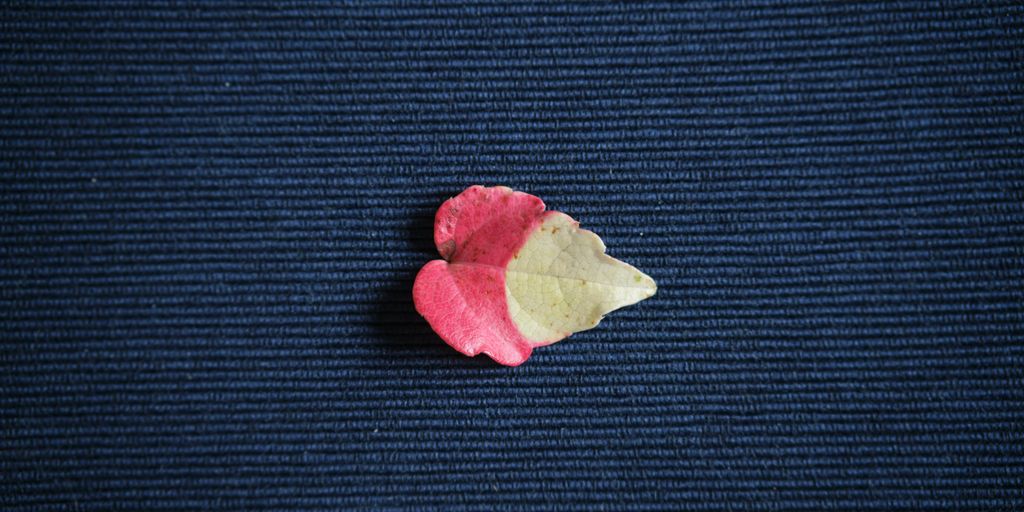
It’s easy to get caught up in striving for perfection, especially when minimalism is often associated with clean lines and flawless spaces. But a truly minimalist approach can also embrace imperfection. It’s about finding beauty in the flaws and accepting that things don’t always have to be perfect to be valuable.
Wabi-sabi, a Japanese philosophy, celebrates the beauty of imperfection and impermanence. It’s a reminder that things are constantly changing and that there’s beauty in the natural cycle of growth and decay. Embracing this mindset can be incredibly freeing.
Think about it: a chipped mug, a worn wooden table, or a slightly crooked shelf – these imperfections tell a story and add character to your space. They make your home feel lived-in and authentic. It’s about appreciating the art form that embraces the beauty of the understated and incomplete.
Here are a few ways to embrace imperfection in your minimalist lifestyle:
- Accept flaws: Instead of trying to fix every little imperfection, learn to appreciate them. They’re part of what makes things unique.
- Focus on functionality: Prioritize items that are useful and serve a purpose, even if they’re not perfectly aesthetically pleasing.
- Embrace natural materials: Natural materials like wood, stone, and linen often have imperfections that add to their charm.
- Let go of the need for control: Sometimes, the most beautiful things are those that are a little bit messy or imperfect. Let go of the need to control every detail and allow things to be as they are.
17. Nature
Nature has a way of putting things into perspective, doesn’t it? It’s like, when you’re surrounded by trees and open skies, all those little worries just seem to fade away. I’ve been trying to incorporate more of that feeling into my daily life, and honestly, it’s been a game-changer. It’s not always easy, especially when you’re stuck in the city, but even a small dose of nature can make a difference.
One thing I’ve noticed is how nature embodies simplicity. There’s no clutter, no excess – just pure, unadulterated beauty. It’s a good reminder that less can truly be more. I’ve been trying to apply that to my own life, decluttering my space and focusing on what truly matters. It’s a work in progress, but I’m getting there.
Here are a few ways I’ve been trying to connect with nature and embrace simplicity:
- Go for walks: Even a short walk in a park can do wonders for your mental state. Just breathe in the fresh air and take in the surroundings.
- Bring nature indoors: A few plants can brighten up your space and bring a touch of the outdoors inside. Plus, they help purify the air!
- Unplug and disconnect: Spend some time away from screens and technology. Just be present in the moment and enjoy the natural world around you.
I think the key is to find small ways to integrate nature into your daily routine. It doesn’t have to be a grand gesture – even a few minutes of mindful observation can make a difference. Nature’s inherent simplicity is a powerful reminder to strip away the unnecessary and focus on what truly matters. It’s about finding beauty in the everyday and appreciating the simple things in life. Embracing natural beauty can be a great way to simplify your life.
18. Priorities
It’s so easy to get caught up in the whirlwind of daily life, isn’t it? We’re constantly bombarded with things that demand our attention, from work deadlines to social obligations. But minimalism, at its core, is about intentionally focusing on what truly matters. It’s about cutting through the noise and identifying the things that bring genuine value to our lives. Minimalism involves examining one’s relationship with possessions to gain control over them rather than being controlled by them possessions.
Here’s how I try to keep my priorities straight:
- Saying "no" more often: This is a tough one, but so important. Saying no to things that don’t align with my values frees up time and energy for what does. It’s about protecting my time and mental space. I’ve found that when I say "no" to things that drain me, I can say "yes" to things that truly fulfill me.
- The 72-hour list: Before making a purchase, I put it on a list and wait 72 hours. This helps me avoid impulse buys and really consider if I need the item. It’s amazing how often the urge to buy something fades after a few days. This simple trick has saved me a lot of money and clutter.
- Decluttering regularly: I try to declutter my home regularly, even if it’s just for a few minutes each day. Getting rid of things I don’t need or use helps me feel more organized and focused. Plus, it’s a great way to reduce stress and create a more peaceful environment. It’s not just about getting rid of stuff; it’s about creating space for what truly matters.
19. Activities
It’s easy to get caught up in the hustle and bustle, filling every moment with something ‘productive’. But minimalism can be about intentionally choosing how you spend your time. It’s about quality over quantity, even when it comes to activities.
- Saying ‘no’ is key. It frees you up for things you actually enjoy.
- Consider what truly brings you joy and focus on those activities.
- Don’t be afraid to clear your schedule and embrace downtime.
I used to pack my weekends with errands, social events, and chores. I felt like I always needed to be doing something. But then I realized I was constantly stressed and never really enjoying myself. Now, I’m much more selective about how I spend my time. I prioritize activities that recharge me, like reading, spending time in nature, and connecting with loved ones. I’ve also learned to say ‘no’ to things that drain my energy, even if it means disappointing someone. It’s made a huge difference in my overall well-being. I’ve found that I have more time to do more of the things I liked. Fewer possessions remained in our home and I had space to do more activities! But even as our stuff went away, my schedule started to fill up.
I value family time and family experiences over collecting material possessions. I appreciate the items I own, yes. But there are people and experiences far more valuable than anything I have. When I do buy things, I value high quality items that will last years to come rather than trendier things that I’ll toss in a matter of weeks or months. If you’re living in a small home, consider decluttering your space to make room for activities you love.
20. Requirements
Minimalism isn’t about deprivation; it’s about intentionality. It’s about figuring out what you actually need versus what you just want. It’s a constant process of evaluation and adjustment. I think a lot of people get caught up in the aesthetic of minimalism, but forget the core principle: less stuff, more life.
Minimalism is about identifying your core requirements and letting go of the excess. It’s not about suffering, it’s about freedom. It’s about having the space (both physical and mental) to focus on what truly matters. Here are some things to consider:
- Needs vs. Wants: Really dig into what you need to live a fulfilling life versus what you’ve been conditioned to want. Marketing is powerful, and it’s easy to get caught up in the consumerism trap. A minimalist app can help you track your spending and identify areas where you can cut back.
- Quality over Quantity: Instead of buying a bunch of cheap stuff that will break in a year, invest in fewer, higher-quality items that will last. This is better for your wallet in the long run, and it’s also better for the environment.
- Purposeful Purchases: Before you buy anything, ask yourself: "Why am I buying this?" "Will it truly add value to my life?" "Do I already have something that serves a similar purpose?" If you can’t answer these questions with a resounding "yes," then maybe you don’t need it.
It’s a journey, not a destination. Don’t beat yourself up if you slip up and buy something you don’t need. Just learn from it and keep moving forward.
21. Art
Minimalism isn’t just about decluttering your house; it’s also a powerful movement in art. It’s about doing more with less, stripping things down to their essence. I think that’s pretty cool. It’s not just about what you take away, but what you emphasize by taking things away. Minimalist art focuses on simplicity and clarity.
Think about it: a single line drawing, a sculpture made of one material, or a song with just a few notes. It’s all about impact through reduction. It’s a way of reassessing priorities and finding beauty in the bare minimum. It’s like the artist is saying, "This is all you need to see, feel, or hear."
Minimalism in art can be found in:
- Painting
- Sculpture
- Music
- Architecture
It’s about the artist’s intent and the viewer’s interpretation. It’s not always easy to "get," but when you do, it can be really profound. It’s a reminder that sometimes, less really is more. It’s like that saying, "Simplicity is the ultimate sophistication."
22. Contentment
Contentment, that elusive feeling of ‘enoughness,’ often gets tangled up in our pursuit of more. But what if the secret to contentment lies not in acquiring, but in appreciating what we already have? It’s a shift in perspective, a conscious decision to find joy in the present moment rather than constantly chasing the next big thing. I’ve been trying to focus on this lately, and it’s harder than it sounds!
One thing I’ve noticed is how easily I fall into the trap of comparing myself to others. Social media definitely doesn’t help! Seeing everyone else’s highlight reel makes it easy to feel like you’re missing out. But the truth is, everyone’s journey is different, and comparing yourself is a surefire way to kill your own contentment.
Here are a few things that have helped me cultivate a sense of contentment:
- Gratitude journaling: Taking a few minutes each day to write down things I’m grateful for. It sounds cheesy, but it really works!
- Mindful moments: Paying attention to the small joys in everyday life, like a good cup of coffee or a sunny afternoon.
- Limiting social media: Unfollowing accounts that make me feel inadequate and focusing on real-life connections.
Ultimately, contentment is an inside job. It’s about training your mind to focus on the positive and appreciate the simple things. It’s not about being complacent or giving up on your goals, but about finding peace and joy in the present moment, regardless of your circumstances. It’s about finding social justice through simplicity.
Here’s a table that shows how focusing on contentment can impact different areas of your life:
| Area | Before Contentment | After Contentment |
|---|---|---|
| Finances | Constant worry about money, impulse spending | Mindful spending, appreciation for what you have |
| Relationships | Comparing your relationships to others’ | Appreciation for the unique bonds you share |
| Career | Chasing promotions and recognition | Finding satisfaction in your work, regardless of title |
| Personal Growth | Feeling inadequate, always striving for more | Self-acceptance, appreciation for your progress |
Contentment isn’t about having everything; it’s about appreciating everything you have.
23. Satisfaction
It’s easy to fall into the trap of thinking more stuff equals more happiness, but that’s usually not how it works. Chasing after the next shiny object often leaves us feeling empty. True satisfaction comes from a different place altogether. It’s about appreciating what you already have and finding joy in the simple things.
True satisfaction isn’t about acquiring more; it’s about appreciating what you already possess.
Consider this:
- Less Clutter, More Focus: When you’re not surrounded by excess, it’s easier to focus on what truly matters. This could be your relationships, your passions, or your personal growth. Decluttering your physical space can lead to a clearer mind and a greater sense of peace. Check out this decluttering checklist for a fresh start.
- Contentment Over Consumption: The constant need to consume keeps us in a cycle of wanting more. Breaking free from this cycle allows us to find contentment in the present moment. It’s about shifting your mindset from "I need more" to "I have enough."
- Experiences Over Things: Material possessions fade, but experiences create lasting memories. Investing in experiences, whether it’s traveling, learning a new skill, or spending time with loved ones, often brings greater satisfaction than buying the latest gadget.
| Category | Example | Potential Satisfaction |
|---|---|---|
| Possessions | A well-loved, functional item | Moderate |
| Experiences | A meaningful trip or shared activity | High |
Ultimately, satisfaction is a personal journey. It’s about defining what truly matters to you and aligning your life accordingly. It’s about finding joy in the everyday moments and appreciating the simple things that often go unnoticed.
24. Editor
Sometimes, minimalism isn’t about getting rid of stuff; it’s about curating what you already have. Think of it like being an editor of your own life. What stays? What goes? What gets highlighted? It’s a constant process of refinement.
- Focus on what adds value: What truly makes your life better? What brings you joy or helps you grow? Keep those things.
- Eliminate the unnecessary: Get rid of the clutter, both physical and mental. It’s amazing how much lighter you feel when you shed the excess.
- Refine your space: Arrange your belongings in a way that is both functional and aesthetically pleasing. A well-organized space can do wonders for your mood.
It’s not about perfection; it’s about intention. It’s about making conscious choices about what you allow into your life and what you choose to let go of. It’s about creating a space that reflects your values and supports your goals. Think of it as editing your life to create a masterpiece.
25. Prosperity and more
Minimalism isn’t just about decluttering your house; it’s about decluttering your life. It’s about finding a different kind of wealth, one that isn’t measured in dollars and cents. It’s about prosperity in experiences, relationships, and inner peace. It’s about recognizing that "more" doesn’t always equal "better," and sometimes, less really is more. I’ve been thinking a lot about how minimalism can actually lead to a richer life, not a poorer one. It’s a shift in perspective, really.
Minimalism can help you find contentment and satisfaction and finally put meaning into your life. Just removing unnecessary things that do not bring any value to you will essentially open the door to a brand new perspective on living.
Here are some thoughts on how minimalism ties into prosperity, contentment, and a whole lot more:
- Time: When you’re not constantly chasing the next purchase, you have more time. More time for hobbies, for loved ones, for just being. I’ve noticed that since I started focusing on automotive news less, I have more time to spend with my family.
- Experiences: Instead of buying things, invest in experiences. Travel, learn a new skill, try a new restaurant. These are the things that create lasting memories and enrich your life in ways material possessions never could.
- Relationships: Minimalism encourages you to focus on the relationships that truly matter. It’s about quality over quantity, both in possessions and in people. Nurturing those connections brings a sense of belonging and support that’s invaluable.
- Freedom: Free yourself from the burden of stuff. The less you own, the less you have to worry about. Less to clean, less to organize, less to stress over. That freedom is a form of prosperity in itself.
- Contentment: True prosperity isn’t about having everything you want; it’s about wanting everything you have. Minimalism helps you appreciate what you already have and find contentment in the present moment.
It’s not about deprivation; it’s about intentionality. It’s about choosing to live a life filled with things that truly matter, and letting go of the rest. It’s a journey, not a destination, and it’s one that can lead to a richer, more fulfilling life.
Finding Your Own Minimalist Path
So, we’ve looked at a bunch of ideas about living with less. It’s pretty clear that minimalism isn’t a one-size-fits-all thing. You don’t have to throw out everything you own or live in a completely empty house. The main point is to figure out what really matters to you. What brings you joy? What helps you live better? Once you know that, you can start getting rid of the stuff that just gets in the way. It’s about making space for what counts, not just getting rid of things. It’s a journey, and your idea of simple might change over time. That’s totally fine. Just keep asking yourself what you truly need and what you can let go of to make your life feel more open and peaceful.




Prosecutors Say Jason Finkelstein Spent 11 Seconds Reviewing Cardiac Images Before Clearing a Teenage Athlete

Prosecutors Say Jason Finkelstein Spent 11 Seconds Reviewing Cardiac Images Before Clearing a Teenage Athlete
Prosecutors Say Jason Finkelstein Spent 11 Seconds Reviewing Cardiac Images Before Clearing a Teenage Athlete
Prosecutors Say Jason Finkelstein Spent 11 Seconds Reviewing Cardiac Images Before Clearing a Teenage Athlete

Prosecutors Say Jason Finkelstein Spent 11 Seconds Reviewing Cardiac Images Before Clearing a Teenage Athlete
Prosecutors Say Jason Finkelstein Spent 11 Seconds Reviewing Cardiac Images Before Clearing a Teenage Athlete

Prosecutors Say Jason Finkelstein Spent 11 Seconds Reviewing Cardiac Images Before Clearing a Teenage Athlete
Prosecutors Say Jason Finkelstein Spent 11 Seconds Reviewing Cardiac Images Before Clearing a Teenage Athlete
Prosecutors Say Jason Finkelstein Spent 11 Seconds Reviewing Cardiac Images Before Clearing a Teenage Athlete

Prosecutors Say Jason Finkelstein Spent 11 Seconds Reviewing Cardiac Images Before Clearing a Teenage Athlete
Prosecutors Say Jason Finkelstein Spent 11 Seconds Reviewing Cardiac Images Before Clearing a Teenage Athlete
Prosecutors Say Jason Finkelstein Spent 11 Seconds Reviewing Cardiac Images Before Clearing a Teenage Athlete
Prosecutors Say Jason Finkelstein Spent 11 Seconds Reviewing Cardiac Images Before Clearing a Teenage Athlete

Prosecutors Say Jason Finkelstein Spent 11 Seconds Reviewing Cardiac Images Before Clearing a Teenage Athlete
Prosecutors Say Jason Finkelstein Spent 11 Seconds Reviewing Cardiac Images Before Clearing a Teenage Athlete

-
Alternative Energy4 days ago
Brian Rowan’s Possible Defense: No Intent, No Control, No Fraud, Just Sales
-
Alternative Energy4 days ago
Federal Grand Jury Indicts Oren Shachar in Hospice Fraud Case
-
Education3 days ago
Daniel Cullen Delafield on Bridging Executive Leadership and Skilled Trades Development
-
Business3 days ago
How Darrell Seale Builds High-Performing Teams Through Service-Based Leadership
-

 News1 day ago
Prosecutors Say Jason Finkelstein Spent 11 Seconds Reviewing Cardiac Images Before Clearing a Teenage Athlete
-
News1 day ago
Prosecutors Say Jason Finkelstein Spent 11 Seconds Reviewing Cardiac Images Before Clearing a Teenage Athlete
-

 News23 hours ago
Prosecutors Say Jason Finkelstein Spent 11 Seconds Reviewing Cardiac Images Before Clearing a Teenage Athlete
-
News21 hours ago
Prosecutors Say Jason Finkelstein Spent 11 Seconds Reviewing Cardiac Images Before Clearing a Teenage Athlete