
Lifestyle
Mastering ‘Bids for Connection’: The Art of Strengthening Your Relationships

Ever feel like you’re talking to a wall sometimes, even with the people you care about most? It happens. But what if there was a simple way to make sure your messages land and truly connect? That’s where ‘bids for connection’ come in. Think of them as little attempts to reach out, to say, ‘Hey, I’m here, let’s share something.’ Mastering these small moments can totally change your relationships, making them stronger and way more satisfying. Let’s dig into how these bids work and how you can use them to build better bonds.
Key Takeaways
- Bids for connection are the basic ways we try to link up with others emotionally. They can be simple, like a quick glance, or more involved, like asking a question. How we respond to these bids really shapes our relationships.
- When you respond positively to someone’s bid, it helps build trust and makes your bond stronger. But if you ignore or push away these bids, it can slowly wear down the relationship over time.
- It’s super important to notice your own bids and how you react when others make them. Looking at these patterns can show you a lot about your emotional interactions.
- Happy couples often make lots of small bids for connection every single day. It’s not about big, grand gestures; it’s about paying attention and reaching out in little ways all the time.
- Learning to respond well to bids for connection can really change your relationships. It helps create more trust, closer emotional ties, and generally more satisfying connections with everyone in your life.
Understanding the Essence of Bids for Connection
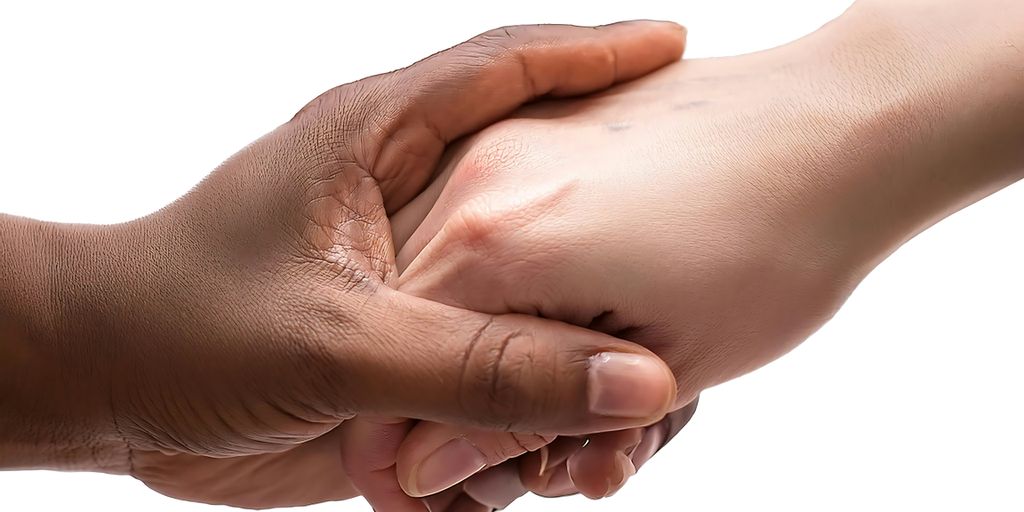
Defining Emotional Bids in Relationships
Okay, so what are these "bids for connection" everyone keeps talking about? Think of them as little signals we send out, hoping someone will notice and connect with us. A bid can be anything from a question to a simple glance, a touch, or even a sigh. It’s basically saying, "Hey, I want to feel connected to you right now." It’s a fundamental part of how we build and maintain relationships. It’s important to understand how bids for connection work.
The Fundamental Unit of Emotional Communication
Bids are the basic building blocks of emotional communication. They can be big or small, verbal or nonverbal. Think of them as invitations to connect. Someone might ask a question, share a story, or just offer a hand. The tricky part is that people often make bids in subtle ways because they’re afraid of being vulnerable. It’s scary to say, "Pay attention to me!" so we might ask a casual question instead. How you respond to these bids really matters. There are three ways to respond:
- Turning towards (acknowledging the bid)
- Turning away (ignoring or missing the bid)
- Turning against (rejecting the bid in an argumentative way)
Examples of Everyday Bids for Connection
Bids are all around us, all the time. Here are a few examples:
- Your partner asks, "How was your day?"
- A friend sends you a funny meme.
- Your child shows you a drawing.
- Someone asks for help with a task.
- A coworker makes a joke.
Responding positively to these bids, even in small ways, can make a big difference. Ignoring them or responding negatively can damage the relationship. It’s about recognizing those little moments and choosing to connect.
The Impact of Responding to Bids for Connection
Turning Towards Bids Strengthens Bonds
Think of bids for connection as little signals someone sends out, hoping you’ll notice and respond. When you "turn towards" a bid, you’re basically acknowledging that signal and showing you care. It’s like throwing a lifeline to someone who’s reaching out. This doesn’t have to be some grand gesture; it can be as simple as making eye contact, nodding, or saying, "Tell me more." Consistently turning towards bids builds trust and intimacy over time. It tells the other person, "I see you, I hear you, and you matter to me."
The Detrimental Effects of Turning Away
On the flip side, ignoring or dismissing a bid – "turning away" – can be really damaging. Imagine you’re trying to share something important, and the other person just keeps scrolling on their phone. It feels awful, right? Even if it’s unintentional, consistently turning away can lead to feelings of rejection, loneliness, and resentment. It creates emotional distance and can lead to a cycle of negative interactions. It’s like slowly chipping away at the foundation of the relationship. If you are negotiating mistakes in your relationship, this is one of them.
Why Bids for Connection Truly Matter
Bids for connection are the building blocks of strong relationships. They’re how we show each other that we care, that we’re listening, and that we’re there for each other. Responding positively to bids isn’t just about being nice; it’s about actively investing in the relationship. Research shows that couples who consistently respond positively to each other’s bids have stronger, more stable relationships. It’s about creating a culture of connection where both people feel seen, heard, and valued. Happy couples bid all the time, and they respond to those bids. It’s a constant back-and-forth of emotional connection that keeps the relationship thriving.
Analyzing Your Personal Bidding Style
Self-Reflection on Your Bids and Responses
Okay, so you’re getting the hang of what bids for connection are all about. But how do you actually bid? And how do you respond when others try to connect with you? This is where some honest self-reflection comes in. Start paying attention to your interactions. Think of it like becoming a detective in your own life, but instead of solving crimes, you’re solving connection puzzles.
Identifying Patterns in Your Emotional Interactions
Once you start noticing your bids and responses, look for patterns. Do you tend to bid in the same way every time? Are you more likely to turn towards, away, or against emotional bids? Maybe you always crack a joke when you’re feeling vulnerable, or perhaps you tend to shut down when someone asks for your opinion. Recognizing these patterns is the first step to changing them, if needed. For example:
- Do you frequently use humor to deflect serious conversations?
- Are you more likely to offer help or ask for it?
- Do you often initiate physical touch, or do you shy away from it?
The Role of Mindfulness in Recognizing Bids
Mindfulness can be a game-changer when it comes to recognizing bids, both your own and those of others. It’s about being present in the moment and tuning into the subtle cues that people give off. Instead of being caught up in your own thoughts, you’re actively listening and observing. This allows you to notice those small gestures, fleeting expressions, and unspoken needs that might otherwise go unnoticed. It’s like turning up the volume on your emotional radar. By practicing mindfulness, you can become more attuned to the art of connection and respond in ways that strengthen your relationships.
Cultivating a Culture of Frequent Bids for Connection

The Power of Many Small Bids Daily
It’s easy to think that big romantic gestures are the key to a strong relationship, but actually, it’s the little things that add up. Think of bids for connection as tiny deposits into your emotional bank account. A quick text, a shared laugh, or even just making eye contact can make a huge difference. It’s about creating a constant stream of connection, not just waiting for special occasions. These small bids show your partner you’re thinking of them and want to be close.
Happy Couples Bid All the Time
Research has shown a clear link between frequent bidding and relationship satisfaction. John Gottman’s research is pretty clear on this. He found that happy couples make way more bids for connection than unhappy couples. Like, way more. At the dinner table, "master" couples might bid for connection as many as one hundred times in a ten-minute period! Meanwhile, couples heading for trouble only engaged about sixty-five times. It’s not about the grandness of the bid, but the frequency. It’s about showing you care, over and over again.
Prioritizing Daily Attention Over Grand Gestures
We often get caught up in the idea that we need to plan elaborate dates or buy expensive gifts to show our love. But what if, instead, we focused on the small, everyday moments? What if we made a conscious effort to turn toward our partner’s bids, no matter how small? It could be as simple as:
- Putting down your phone when they start talking.
- Asking about their day and really listening.
- Offering a hug or a touch as you pass by.
These small acts of attention can be more meaningful than any grand gesture. It’s about being present and engaged in the moment, showing your partner that they matter. It’s about making daily attention a priority.
The Transformative Power of Responding to Bids
Building Trust and Emotional Intimacy
Responding to bids isn’t just about being polite; it’s about actively building the foundation of trust and emotional intimacy in your relationships. Think of it like this: each time you turn towards someone’s bid, you’re making a deposit into an emotional bank account. Consistently acknowledging and validating their feelings creates a safe space where vulnerability can flourish. Ignoring or rejecting bids, on the other hand, leads to withdrawals, eroding the sense of security and connection. It’s about showing the other person that you see them, you hear them, and you value their attempts to connect. This is how emotional communication truly works.
Fostering Passion and a Satisfying Relationship
It might sound simple, but responding to bids can actually fuel passion and satisfaction in a relationship. When you consistently acknowledge your partner’s bids, you’re showing them that they matter to you. This creates a positive feedback loop, where both partners feel seen, heard, and appreciated. This, in turn, leads to increased feelings of love, desire, and connection. It’s not about grand gestures; it’s about the accumulation of small, everyday moments of connection. Here are some ways to foster passion:
- Actively listen when your partner shares their day.
- Offer a comforting touch when they’re feeling down.
- Engage in shared activities that you both enjoy.
The Difference Between Masters and Disasters
Researchers have found a clear distinction between couples who thrive and those who struggle. They call the thriving couples "masters" and the struggling ones "disasters". The key difference? How they respond to each other’s bids. Masters consistently turn towards each other, acknowledging and validating their partner’s attempts to connect. Disasters, on the other hand, often turn away or against each other, missing opportunities for connection and creating a cycle of negativity. It’s not about being perfect; it’s about making a conscious effort to strengthen bonds by responding to bids more often than not. The numbers speak for themselves:
| Couple Type | Turn-Towards Rate | Turn-Away/Against Rate |
|---|---|---|
| Masters | 86% | 14% |
| Disasters | 33% | 67% |
Strengthening Relationships Through Conscious Bidding
Applying Principles to Romantic Partnerships
It’s easy to fall into routines, especially in long-term relationships. We assume our partner knows we love them, so we stop actively showing it. But that’s where bids for connection come in. Consciously applying the principles of bidding can reignite the spark. Think about small gestures: a touch, a compliment, or even just putting your phone down when they’re talking. It’s about being present and showing you care. It’s about emotional communication.
Enhancing Parent-Child Bonds Through Bids
Kids are constantly bidding for our attention, even when it doesn’t seem like it. A child showing you a drawing, asking a question, or even acting out is often a bid for connection. The way we respond shapes their sense of self and their relationship with us. Turning towards these bids, even when we’re busy, can make a huge difference. It’s about validating their feelings and showing them they matter. Here are some ways to enhance parent-child bonds:
- Actively listen when they talk, putting aside distractions.
- Engage in their interests, even if they seem silly.
- Offer physical affection and reassurance.
Improving Friendships and Work Relationships
Bids aren’t just for romantic relationships or family. They’re essential for strong friendships and positive work environments too. A simple "How’s your day going?" can be a bid. Offering help, sharing a laugh, or just being a good listener strengthens bonds. In the workplace, acknowledging colleagues’ contributions and offering support creates a more collaborative and supportive atmosphere. It’s about building a culture of connection, one bid at a time. Happy couples bid all the time.
Wrapping Things Up
So, there you have it. Understanding these "bids for connection" really changes how you see your relationships. It’s not about big, dramatic gestures all the time. It’s more about those little everyday moments, the small ways we reach out and show we care. When you start paying attention to these bids, both your own and other people’s, you’ll see how much they matter. It takes a bit of practice, sure, but making that effort can really make your connections stronger. It’s about being present and showing up for the people in your life, one small bid at a time. And honestly, that’s what makes relationships work.




Prosecutors Say Jason Finkelstein Spent 11 Seconds Reviewing Cardiac Images Before Clearing a Teenage Athlete

Prosecutors Say Jason Finkelstein Spent 11 Seconds Reviewing Cardiac Images Before Clearing a Teenage Athlete
Prosecutors Say Jason Finkelstein Spent 11 Seconds Reviewing Cardiac Images Before Clearing a Teenage Athlete
Prosecutors Say Jason Finkelstein Spent 11 Seconds Reviewing Cardiac Images Before Clearing a Teenage Athlete

Prosecutors Say Jason Finkelstein Spent 11 Seconds Reviewing Cardiac Images Before Clearing a Teenage Athlete
Prosecutors Say Jason Finkelstein Spent 11 Seconds Reviewing Cardiac Images Before Clearing a Teenage Athlete

Prosecutors Say Jason Finkelstein Spent 11 Seconds Reviewing Cardiac Images Before Clearing a Teenage Athlete
Prosecutors Say Jason Finkelstein Spent 11 Seconds Reviewing Cardiac Images Before Clearing a Teenage Athlete
Prosecutors Say Jason Finkelstein Spent 11 Seconds Reviewing Cardiac Images Before Clearing a Teenage Athlete

Prosecutors Say Jason Finkelstein Spent 11 Seconds Reviewing Cardiac Images Before Clearing a Teenage Athlete
Prosecutors Say Jason Finkelstein Spent 11 Seconds Reviewing Cardiac Images Before Clearing a Teenage Athlete
Prosecutors Say Jason Finkelstein Spent 11 Seconds Reviewing Cardiac Images Before Clearing a Teenage Athlete
Prosecutors Say Jason Finkelstein Spent 11 Seconds Reviewing Cardiac Images Before Clearing a Teenage Athlete

Prosecutors Say Jason Finkelstein Spent 11 Seconds Reviewing Cardiac Images Before Clearing a Teenage Athlete
Prosecutors Say Jason Finkelstein Spent 11 Seconds Reviewing Cardiac Images Before Clearing a Teenage Athlete

-
Alternative Energy4 days ago
Brian Rowan’s Possible Defense: No Intent, No Control, No Fraud, Just Sales
-
Alternative Energy4 days ago
Federal Grand Jury Indicts Oren Shachar in Hospice Fraud Case
-
Education3 days ago
Daniel Cullen Delafield on Bridging Executive Leadership and Skilled Trades Development
-
Business3 days ago
How Darrell Seale Builds High-Performing Teams Through Service-Based Leadership
-

 News1 day ago
Prosecutors Say Jason Finkelstein Spent 11 Seconds Reviewing Cardiac Images Before Clearing a Teenage Athlete
-
News1 day ago
Prosecutors Say Jason Finkelstein Spent 11 Seconds Reviewing Cardiac Images Before Clearing a Teenage Athlete
-

 News22 hours ago
Prosecutors Say Jason Finkelstein Spent 11 Seconds Reviewing Cardiac Images Before Clearing a Teenage Athlete
-
News21 hours ago
Prosecutors Say Jason Finkelstein Spent 11 Seconds Reviewing Cardiac Images Before Clearing a Teenage Athlete