
Food
Crafting the Perfect 1 Week Grocery List for 1: A Solo Eater’s Guide


Eating solo doesn’t mean you have to compromise on good food or break the bank. Crafting a smart 1 week grocery list for 1 person can make meal planning simple and budget-friendly. This guide will help you figure out exactly what to buy to keep your fridge stocked and your taste buds happy, all without a ton of waste. Let’s get started on making your solo eating experience both delicious and easy.
Key Takeaways
- Planning your 1 week grocery list for 1 helps cut down on food waste and saves you money.
- Focus on versatile ingredients that can be used in multiple meals throughout the week.
- Don’t forget pantry staples and seasonings; they are the backbone of most dishes.
- Buying a ‘fun thing’ each week can add a little joy and prevent mealtime boredom.
- Adjust your list based on your personal eating habits and what you actually enjoy.
1. Vegetables
Okay, let’s talk veggies. When you’re cooking for one, it’s easy to let fresh produce go bad. The key is to buy smart and plan your meals. Focus on vegetables that are versatile and have a longer shelf life.
Here’s what I usually grab:
- Onions and Garlic: These are the base for so many dishes. They last for ages and add flavor to everything.
- Leafy Greens (Spinach, Kale, Arugula): Great for salads, smoothies, or a quick sauté. I usually buy pre-washed to save time.
- Broccoli or Cauliflower: Roast them, steam them, or add them to stir-fries. They’re super healthy and pretty filling.
- Carrots: Perfect for snacking, roasting, or adding to soups and stews. They last a surprisingly long time in the fridge.
- Bell Peppers: I love the color and crunch they add to meals. Plus, they’re packed with vitamins. If you want to know which camping essentials to bring, make sure to plan your meals ahead of time.
I try to buy a mix of colors and textures to keep things interesting. Don’t be afraid to experiment with different veggies each week to find your favorites!
2. Fruits
Okay, so fruits. I used to think I didn’t like fruit that much, but then I realized I was just buying boring fruit. Now, I try to get a mix of stuff that’s easy to eat and some that requires a little more effort, just to keep things interesting. Having a variety of fruits on hand is a great way to satisfy sweet cravings in a healthy way.
Here’s what I usually grab for the week:
- Bananas: Can’t go wrong with these. Perfect for a quick breakfast or snack. Plus, they’re cheap!
- Apples: I like to get a couple of different kinds, like Granny Smith and Honeycrisp, for variety. They last a while, too.
- Berries: Blueberries, strawberries, raspberries – whatever looks good. They’re great on yogurt or just by themselves. I find that nutritious fruits are a great addition to my diet.
- Oranges: Easy to peel and a good source of vitamin C. I’ll usually have one or two of these during the week.
- Avocado: Okay, technically a fruit, but I use it more like a vegetable. Great on toast or in salads. I usually only get one or two since they can go bad quickly.
I try to buy what’s in season, because it’s usually cheaper and tastes better. Plus, it’s a good way to try new things. Sometimes I’ll get a mango or a kiwi if they look good. It just depends on what I’m in the mood for.
3. Proteins
Okay, so protein is super important, especially when you’re cooking for one. It keeps you full and helps with, you know, all that muscle-y stuff. But figuring out the right amount and variety can be tricky. Here’s what I usually grab for the week:
- Chicken Breast: A staple. You can grill it, bake it, or throw it in a pan. I usually buy a pack of two or three, depending on how many meals I want to dedicate to chicken. It’s versatile and goes with pretty much anything.
- Canned Tuna or Salmon: These are lifesavers for quick lunches or dinners. I like to make tuna salad or just flake some salmon over a salad. Super easy and packed with protein. When buying canned fish, look for wild salmon or sustainably farmed options.
- Eggs: Can’t forget eggs! Scrambled, fried, hard-boiled – they’re all good. Plus, they’re cheap and last a while. I usually get a dozen and use them throughout the week for breakfast, lunch, or even a quick dinner.
- Greek Yogurt: I love Greek yogurt for breakfast or a snack. It’s got a ton of protein and you can add fruit, granola, or honey to it. Just watch out for the added sugar in some brands. I try to aim for low-sugar milk alternatives.
- Beans/Lentils: These are great plant-based options. I usually make a big batch of lentil soup or add beans to my salads. They’re filling, healthy, and budget-friendly. Plus, they keep well in the fridge.
I try to mix it up each week so I don’t get bored. Sometimes I’ll swap out the tuna for some shrimp or grab a veggie burger instead of chicken. It’s all about finding what works for you and what you enjoy eating.
4. Starches
Starches are your friends when you’re cooking for one! They’re filling, versatile, and can be the base for so many meals. I always make sure to have a few options on hand. Having a good variety of starches can really prevent food boredom when you’re eating solo.
Here are some ideas for your one-week grocery list:
- Rice: A staple for a reason! Brown rice, white rice, wild rice – they all work. I like to cook a big batch at the beginning of the week and use it in different dishes.
- Pasta: Another super versatile option. Whole wheat pasta is a good choice for added fiber. You can make a simple pasta with sauce, add it to soups, or even make a cold pasta salad.
- Potatoes: Sweet potatoes or regular potatoes are great roasted, mashed, or added to stews. They’re also packed with nutrients.
- Bread/Tortillas: Perfect for sandwiches, toast, or quick quesadillas. Whole grain options are always a plus. You can even make tortilla pockets for a super easy meal.
- Quinoa: A complete protein and a good source of fiber. It’s great in salads, bowls, or as a side dish.
Having these on hand means you can easily whip up a satisfying meal without a lot of fuss. Plus, they’re all relatively inexpensive, which is always a bonus when you’re on a budget.
5. Sauces
Okay, let’s talk sauces. When you’re cooking for one, you don’t need a ton of different sauces taking up space in your fridge. It’s all about picking a few versatile options that can add flavor to a variety of meals. I usually aim for things that can be used in multiple ways, so I’m not stuck eating the same dish over and over just to use up a sauce.
- Hot Sauce: A must-have for adding a kick to eggs, tacos, or even just spicing up a plain bowl of rice. A small bottle goes a long way.
- Soy Sauce (Low Sodium): Great for stir-fries, marinades, or as a dipping sauce. Opting for low sodium is a good idea for overall health.
- Salsa: Perfect for Mexican-inspired dishes, eggs, or as a topping for grilled chicken or fish. You can find a ton of different varieties, from mild to super spicy.
Having a couple of go-to sauces can really transform simple meals. I find that these three cover most of my bases, but feel free to add others based on your personal preferences. Maybe you’re a big fan of cooking sauces or a specific kind of BBQ sauce – go for it! Just remember to consider how often you’ll actually use it before buying a huge bottle.
6. Spreads
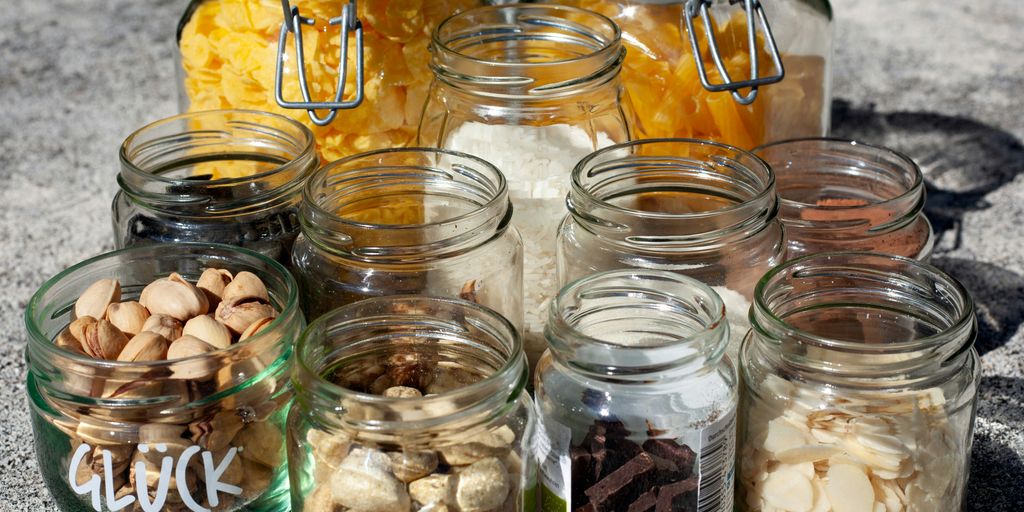
Spreads can seriously level up your meals without much effort. They’re great on toast, sandwiches, or even as a dip for veggies. When you’re cooking for one, a little goes a long way, so these will last you through the week.
Nut Butter
Peanut butter, almond butter, cashew butter – the options are endless! Nut butter is a great source of protein and healthy fats. I usually go for natural versions with minimal ingredients. It’s perfect on toast for a quick breakfast or as a snack with apple slices. A single jar can last a while, making it a budget-friendly choice.
Hummus
Hummus is another versatile spread that’s packed with flavor and nutrients. It’s made from chickpeas, tahini, olive oil, lemon juice, and garlic. You can find it in a bunch of flavors, from classic to roasted red pepper. I like to use it as a spread on sandwiches or wraps, or as a dip for carrots, cucumbers, and bell peppers. It’s a healthy and satisfying option that adds a lot of taste to simple meals. If you’re planning a road trip, hummus and veggies make a great snack.
Jams and Preserves
For something sweet, jams and preserves are a good choice. They’re great on toast, biscuits, or even stirred into yogurt. I usually pick fruit spreads with less added sugar. A small jar of your favorite jam can add a touch of sweetness to your breakfast or snack without being too unhealthy. Plus, it’s a nice way to use up any leftover bread you might have.
Avocado
Okay, technically it’s a fruit, but mashed avocado works great as a spread. It’s full of healthy fats and adds a creamy texture to sandwiches and toast. Just mash it up with a little salt, pepper, and maybe a squeeze of lemon juice. It’s best to buy avocados that are still a bit firm and let them ripen on your counter. This way, you can use them throughout the week without them going bad too quickly.
7. Pantry Staples
Okay, let’s talk about the unsung heroes of your kitchen: pantry staples. These are the items that sit patiently on your shelves, ready to jump into action whenever you need a quick meal or a flavor boost. Having a well-stocked pantry is key to easy and affordable solo cooking. It also helps reduce food waste, because you’re more likely to use what you have on hand. I’ve found that taking inventory before I shop helps me avoid buying duplicates.
Here are some ideas for your pantry:
- Grains: Rice (brown, white, wild – whatever you like), quinoa, oats. These are the base for so many meals. I like to cook a big batch of brown rice at the beginning of the week and use it in different ways.
- Canned Goods: Beans (chickpeas, black beans, kidney beans), diced tomatoes, canned tuna or salmon. These are protein and fiber powerhouses that require zero prep.
- Oils & Vinegars: Olive oil, vegetable oil, balsamic vinegar, apple cider vinegar. Don’t underestimate the power of a good vinaigrette!
- Nuts & Seeds: Almonds, walnuts, chia seeds, flax seeds. Great for snacking or adding to meals for extra nutrients and texture.
- Pasta: I always keep a box or two of pasta on hand for those nights when I just can’t be bothered to cook anything elaborate. Whole wheat pasta is a good option for added fiber.
- Broth: Chicken or vegetable broth is essential for soups, stews, and sauces. I prefer low-sodium options so I can control the salt level.
- Dried Herbs & Spices: We’ll cover seasonings in more detail later, but it’s worth mentioning that a well-stocked spice rack is crucial for adding flavor to your meals.
Having these basics on hand means you can whip up a decent meal even when your fridge is looking a little bare. Plus, it saves you from ordering takeout (again!).
8. Seasonings
Seasonings are where you can really inject some personality into your meals without breaking the bank. A well-stocked spice rack can transform even the simplest ingredients into something exciting. Plus, most spices have a pretty long shelf life, so you’re not likely to waste much.
Having a good base of seasonings is key to making solo cooking less boring.
Here’s what I usually keep on hand:
- Salt & Pepper: Obvious, but get good quality versions. Freshly ground pepper makes a difference.
- Garlic Powder/Granulated Garlic: Super versatile for adding a savory note to almost anything.
- Onion Powder: Similar to garlic powder, but with a slightly different flavor profile. Great in soups and stews.
- Red Pepper Flakes: For a little heat. A pinch can wake up a dish.
- Dried Herbs (Oregano, Basil, Thyme, Rosemary): These are workhorses. They’re great in pasta sauces, on roasted vegetables, and in soups. I find that warming spices like cinnamon, nutmeg, and cloves are also great to have on hand.
- Chili Powder: Essential for chili, tacos, and adding depth to sauces.
- Cumin: Another staple for Southwestern and Mexican-inspired dishes.
- Smoked Paprika: Adds a smoky flavor that’s great on roasted vegetables, chicken, or fish.
I also like to keep a few seasoning blends around for convenience. Everything bagel seasoning is great on eggs, avocado toast, or roasted vegetables. Taco seasoning is a must for taco night, obviously. And Italian seasoning is perfect for pasta dishes.
9. Frozen Breakfast Foods
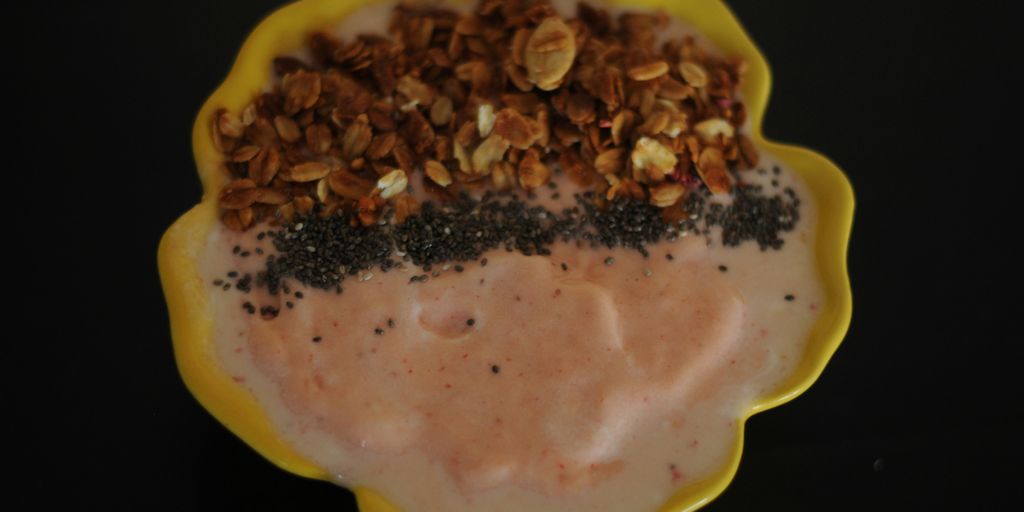
Okay, let’s be real. Mornings are rough. Sometimes, you just need something quick and easy. That’s where frozen breakfast foods come in clutch. They’re a lifesaver when you’re short on time but still want something more substantial than just coffee. But, like, not all frozen breakfasts are created equal, so let’s talk about some good options.
I’m not saying you have to eat frozen stuff every day, but having a few things on hand for those crazy mornings is a smart move. Plus, you can often find healthier options than you might think.
Here are some ideas to consider for your solo grocery haul:
- Frozen Waffles or Pancakes: Opt for whole grain varieties to get some extra fiber. Top with fruit and a little bit of syrup or honey for a balanced meal. I like to add a dollop of Greek yogurt for extra protein.
- Breakfast Burritos: These can be surprisingly healthy if you choose wisely. Look for ones with lean protein (like turkey or chicken sausage), veggies, and minimal cheese. You can even make your own ahead of time and freeze them!
- Egg Bites or Frittatas: These are a great source of protein and can be packed with veggies. Again, making your own is a good way to control the ingredients, but there are some decent store-bought options too. Just check the sodium content.
- Smoothie Packs: Pre-portioned smoothie packs are super convenient. Just add liquid (like milk, almond milk, or juice) and blend. Look for packs with a good mix of fruits, veggies, and maybe some protein powder or seeds.
When you’re shopping for frozen breakfast foods, always check the labels. Watch out for added sugars, excessive sodium, and unhealthy fats. The fewer ingredients, the better, usually. And don’t be afraid to get creative! You can always add your own toppings or sides to make your frozen breakfast more nutritious and satisfying.
10. Fun Thing
Okay, so you’ve got all the essentials covered. But life isn’t just about surviving; it’s about enjoying the ride! This section is dedicated to that one thing you genuinely look forward to. It’s the treat, the indulgence, the little spark of joy that makes your week a bit brighter.
For me, it’s often tied to something sweet, but it could be anything. Maybe you’re a tech enthusiast and want to buy a new gadget. The point is, don’t deprive yourself completely!
- A small batch of your favorite cookies. Baking them yourself is even better!
- A single-serving ice cream. Ben & Jerry’s, anyone?
- A fancy cheese you’ve been wanting to try. Pair it with some crackers for a mini cheese board experience.
- A bottle of craft soda or sparkling juice. Something a little more exciting than water (though water is important!).
- A bag of gourmet popcorn. Perfect for movie night (even if it’s just you).
It doesn’t have to be expensive or elaborate. It just needs to be something that makes you happy. Think of it as a reward for adulting so well all week!
Wrapping It Up: Your Solo Grocery Adventure
So, there you have it. Making a grocery list for just yourself might seem like a small thing, but it really makes a difference. You save money, you waste less food, and honestly, cooking becomes way less stressful. It’s all about finding what works for you. Maybe you’ll stick to a super strict list, or maybe you’ll just use it as a guide. The main idea is to be smart about what you buy and how you use it. Give it a try, and you might be surprised how much easier your week gets.




Prosecutors Say Jason Finkelstein Spent 11 Seconds Reviewing Cardiac Images Before Clearing a Teenage Athlete

Prosecutors Say Jason Finkelstein Spent 11 Seconds Reviewing Cardiac Images Before Clearing a Teenage Athlete
Prosecutors Say Jason Finkelstein Spent 11 Seconds Reviewing Cardiac Images Before Clearing a Teenage Athlete
Prosecutors Say Jason Finkelstein Spent 11 Seconds Reviewing Cardiac Images Before Clearing a Teenage Athlete

Prosecutors Say Jason Finkelstein Spent 11 Seconds Reviewing Cardiac Images Before Clearing a Teenage Athlete
Prosecutors Say Jason Finkelstein Spent 11 Seconds Reviewing Cardiac Images Before Clearing a Teenage Athlete

Prosecutors Say Jason Finkelstein Spent 11 Seconds Reviewing Cardiac Images Before Clearing a Teenage Athlete
Prosecutors Say Jason Finkelstein Spent 11 Seconds Reviewing Cardiac Images Before Clearing a Teenage Athlete
Prosecutors Say Jason Finkelstein Spent 11 Seconds Reviewing Cardiac Images Before Clearing a Teenage Athlete

Prosecutors Say Jason Finkelstein Spent 11 Seconds Reviewing Cardiac Images Before Clearing a Teenage Athlete
Prosecutors Say Jason Finkelstein Spent 11 Seconds Reviewing Cardiac Images Before Clearing a Teenage Athlete
Prosecutors Say Jason Finkelstein Spent 11 Seconds Reviewing Cardiac Images Before Clearing a Teenage Athlete
Prosecutors Say Jason Finkelstein Spent 11 Seconds Reviewing Cardiac Images Before Clearing a Teenage Athlete

Prosecutors Say Jason Finkelstein Spent 11 Seconds Reviewing Cardiac Images Before Clearing a Teenage Athlete
Prosecutors Say Jason Finkelstein Spent 11 Seconds Reviewing Cardiac Images Before Clearing a Teenage Athlete

-
Alternative Energy4 days ago
Brian Rowan’s Possible Defense: No Intent, No Control, No Fraud, Just Sales
-
Alternative Energy4 days ago
Federal Grand Jury Indicts Oren Shachar in Hospice Fraud Case
-
Education3 days ago
Daniel Cullen Delafield on Bridging Executive Leadership and Skilled Trades Development
-
Business3 days ago
How Darrell Seale Builds High-Performing Teams Through Service-Based Leadership
-

 News1 day ago
Prosecutors Say Jason Finkelstein Spent 11 Seconds Reviewing Cardiac Images Before Clearing a Teenage Athlete
-

 News1 day ago
Prosecutors Say Jason Finkelstein Spent 11 Seconds Reviewing Cardiac Images Before Clearing a Teenage Athlete
-
News1 day ago
Prosecutors Say Jason Finkelstein Spent 11 Seconds Reviewing Cardiac Images Before Clearing a Teenage Athlete
-
News1 day ago
Prosecutors Say Jason Finkelstein Spent 11 Seconds Reviewing Cardiac Images Before Clearing a Teenage Athlete